McAuley Julie L, Gilbertson Brad P, Trifkovic Sanja, Brown Lorena E, McKimm-Breschkin Jennifer L
Department of Microbiology and Immunology, The University of Melbourne at the Peter Doherty Institute for Infection and Immunity, Melbourne, VIC, Australia.
Department of Infectious Diseases, St Jude Children's Research Hospital, Memphis, TN, United States.
Front Microbiol. 2019 Jan 29;10:39. doi: 10.3389/fmicb.2019.00039. eCollection 2019.
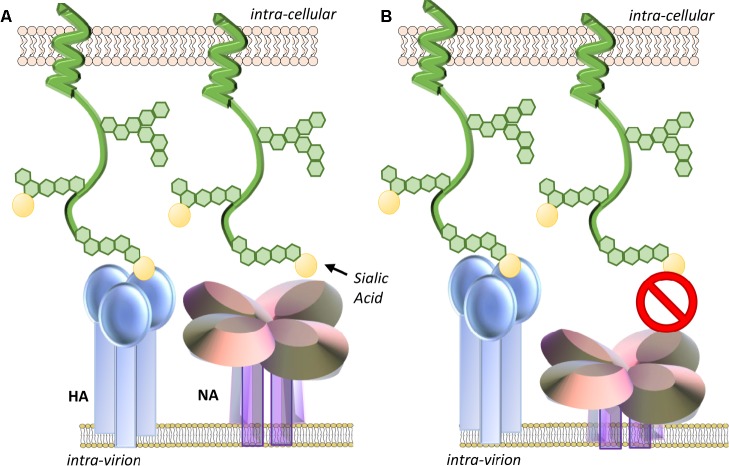
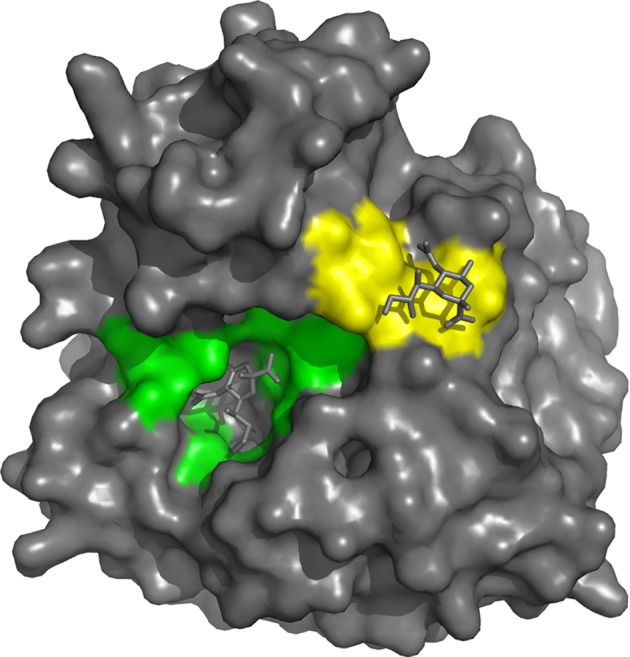
With the constant threat of emergence of a novel influenza virus pandemic, there must be continued evaluation of the molecular mechanisms that contribute to virulence. Although the influenza A virus surface glycoprotein neuraminidase (NA) has been studied mainly in the context of its role in viral release from cells, accumulating evidence suggests it plays an important, multifunctional role in virus infection and fitness. This review investigates the various structural features of NA, linking these with functional outcomes in viral replication. The contribution of evolving NA activity to viral attachment, entry and release of virions from infected cells, and maintenance of functional balance with the viral hemagglutinin are also discussed. Greater insight into the role of this important antiviral drug target is warranted.
鉴于新型流感病毒大流行的持续威胁,必须持续评估导致病毒毒力的分子机制。虽然甲型流感病毒表面糖蛋白神经氨酸酶(NA)主要是在其在病毒从细胞释放中的作用背景下进行研究的,但越来越多的证据表明它在病毒感染和适应性方面发挥着重要的多功能作用。本综述研究了NA的各种结构特征,并将其与病毒复制中的功能结果联系起来。还讨论了不断演变的NA活性对病毒附着、进入和从感染细胞释放病毒粒子以及与病毒血凝素保持功能平衡的贡献。有必要更深入地了解这个重要的抗病毒药物靶点的作用。