Gandolfi Marialuisa, Valè Nicola, Dimitrova Eleonora Kirilova, Mazzoleni Stefano, Battini Elena, Filippetti Mirko, Picelli Alessandro, Santamato Andrea, Gravina Michele, Saltuari Leopold, Smania Nicola
Department of Neurosciences, Biomedicine and Movement Sciences, University of Verona, Verona, Italy.
UOC Neurorehabilitation, AOUI Verona, Verona, Italy.
Front Neurol. 2019 Jan 31;10:41. doi: 10.3389/fneur.2019.00041. eCollection 2019.
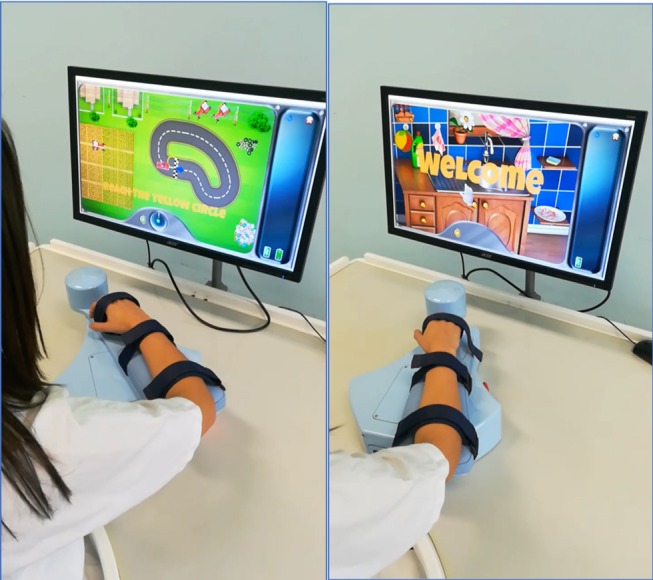
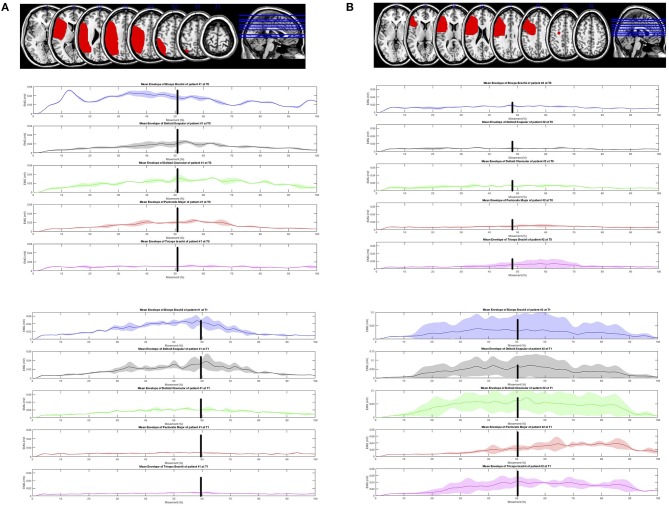
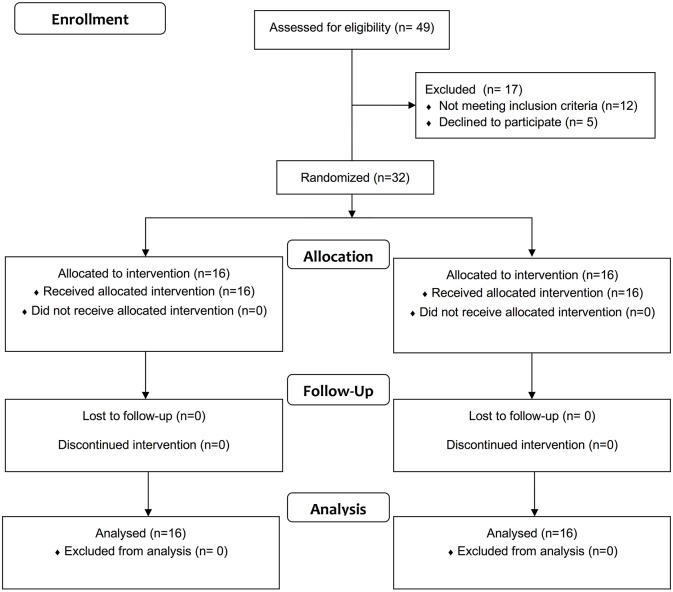
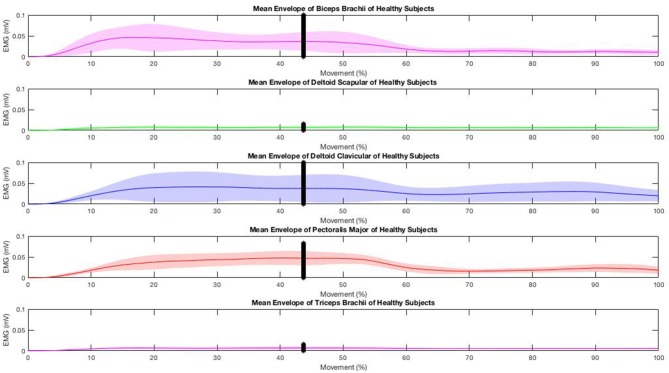
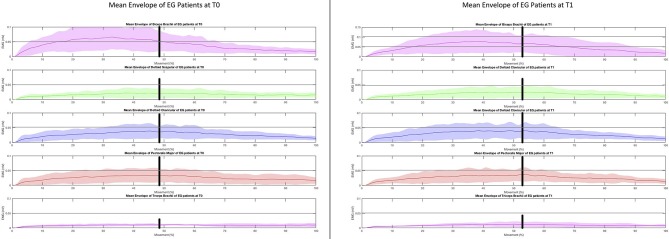
The combined use of Robot-assisted UL training and Botulinum toxin (BoNT) appear to be a promising therapeutic synergism to improve UL function in chronic stroke patients. To evaluate the effects of Robot-assisted UL training on UL spasticity, function, muscle strength and the electromyographic UL muscles activity in chronic stroke patients treated with Botulinum toxin. This single-blind, randomized, controlled trial involved 32 chronic stroke outpatients with UL spastic hemiparesis. The experimental group ( = 16) received robot-assisted UL training and BoNT treatment. The control group ( = 16) received conventional treatment combined with BoNT treatment. Training protocols lasted for 5 weeks (45 min/session, two sessions/week). Before and after rehabilitation, a blinded rater evaluated patients. The primary outcome was the Modified Ashworth Scale (MAS). Secondary outcomes were the Fugl-Meyer Assessment Scale (FMA) and the Medical Research Council Scale (MRC). The electromyographic activity of 5 UL muscles during the "hand-to-mouth" task was explored only in the experimental group and 14 healthy age-matched controls using a surface Electromyography (EMGs). No significant between-group differences on the MAS and FMA were measured. The experimental group reported significantly greater improvements on UL muscle strength ( = 0.004; Cohen's d = 0.49), shoulder abduction ( = 0.039; Cohen's d = 0.42), external rotation ( = 0.019; Cohen's d = 0.72), and elbow flexion ( = 0.043; Cohen's d = 1.15) than the control group. Preliminary observation of muscular activity showed a different enhancement of the biceps brachii activation after the robot-assisted training. Robot-assisted training is as effective as conventional training on muscle tone reduction when combined with Botulinum toxin in chronic stroke patients with UL spasticity. However, only the robot-assisted UL training contributed to improving muscle strength. The single-group analysis and the qualitative inspection of sEMG data performed in the experimental group showed improvement in the agonist muscles activity during the hand-to-mouth task. www.ClinicalTrials.gov, identifier: NCT03590314.
机器人辅助上肢训练与肉毒杆菌毒素(BoNT)联合使用似乎是一种有前景的治疗协同作用,可改善慢性卒中患者的上肢功能。为评估机器人辅助上肢训练对接受肉毒杆菌毒素治疗的慢性卒中患者上肢痉挛、功能、肌肉力量及上肢肌肉肌电图活动的影响。这项单盲、随机、对照试验纳入了32例患有上肢痉挛性偏瘫的慢性卒中门诊患者。实验组(n = 16)接受机器人辅助上肢训练和BoNT治疗。对照组(n = 16)接受常规治疗联合BoNT治疗。训练方案持续5周(每次45分钟,每周两次)。康复前后,由一名盲法评估者对患者进行评估。主要结局指标是改良Ashworth量表(MAS)。次要结局指标是Fugl-Meyer评估量表(FMA)和医学研究委员会量表(MRC)。仅在实验组和14名年龄匹配的健康对照中,使用表面肌电图(EMGs)探究了“手到嘴”任务期间5块上肢肌肉的肌电图活动。在MAS和FMA上未测得组间显著差异。实验组报告在上肢肌肉力量(p = 0.004;Cohen's d = 0.49)、肩关节外展(p = 0.039;Cohen's d = 0.42)、外旋(p = 0.019;Cohen's d = 0.72)和肘关节屈曲(p = 0.043;Cohen's d = 1.15)方面的改善明显大于对照组。肌肉活动的初步观察显示,机器人辅助训练后肱二头肌激活有不同程度的增强。在患有上肢痉挛的慢性卒中患者中,机器人辅助训练与肉毒杆菌毒素联合使用时,在降低肌张力方面与常规训练效果相同。然而,只有机器人辅助上肢训练有助于改善肌肉力量。在实验组中进行的单组分析和表面肌电图数据的定性检查显示,在“手到嘴”任务期间,主动肌的活动有所改善。ClinicalTrials.gov网站,标识符:NCT0359031