Liu Guangyu, Zhou Ying, Chen Lingyun
Department of Agricultural, Food and Nutritional Science, University of Alberta, Alberta T6G 2P5, Canada.
Acta Pharm Sin B. 2019 Jan;9(1):87-96. doi: 10.1016/j.apsb.2018.10.002. Epub 2018 Oct 12.
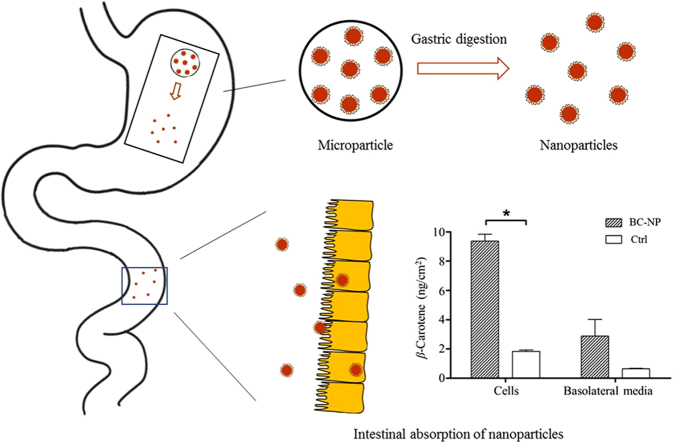
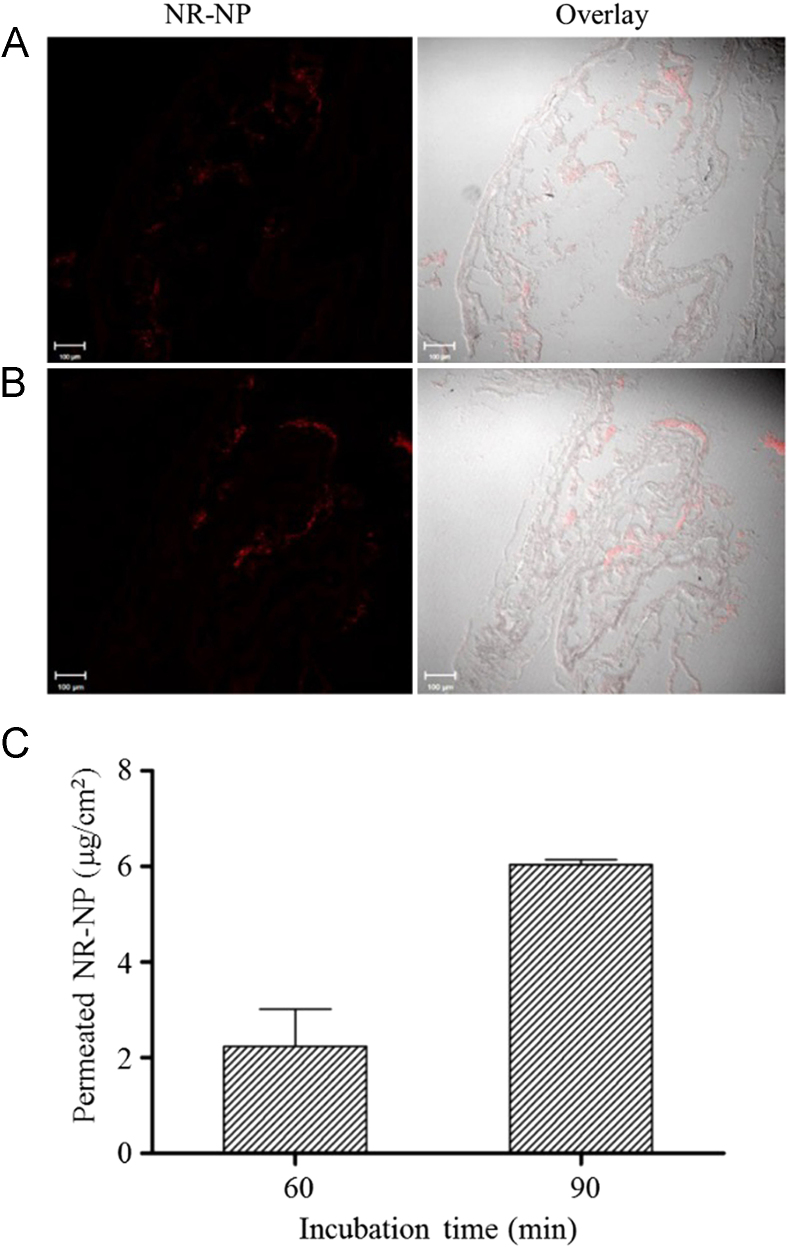
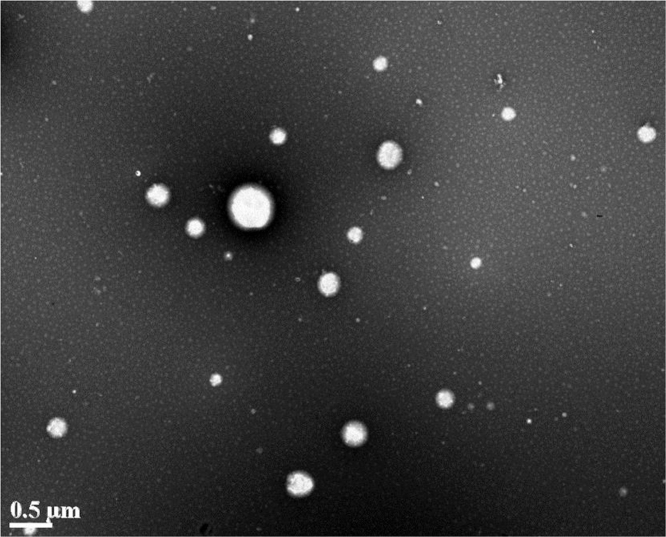
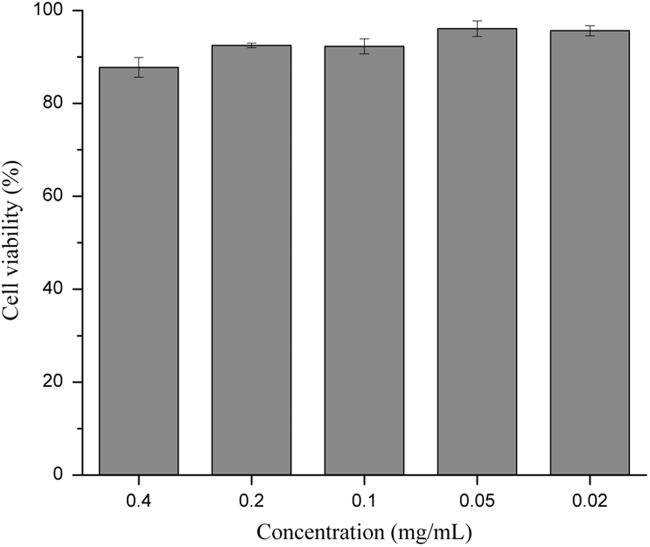
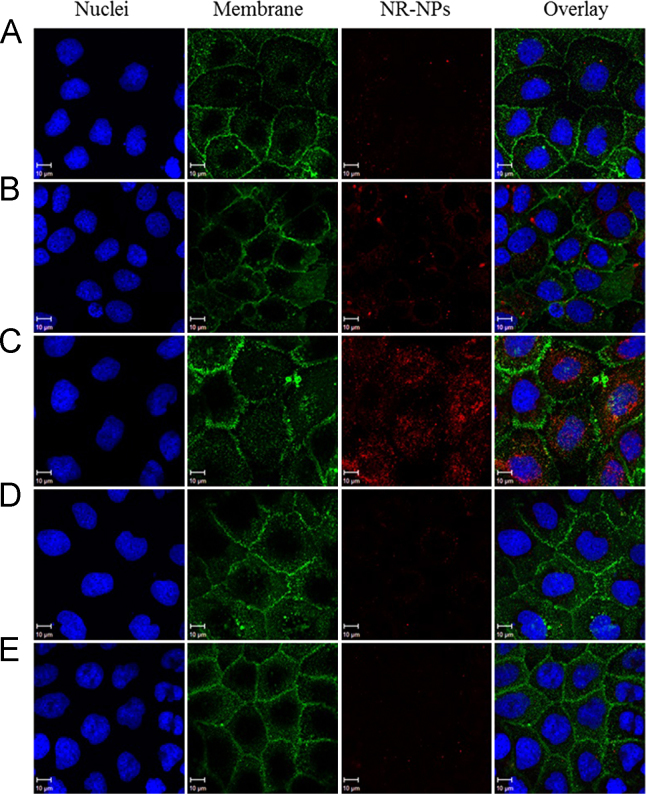
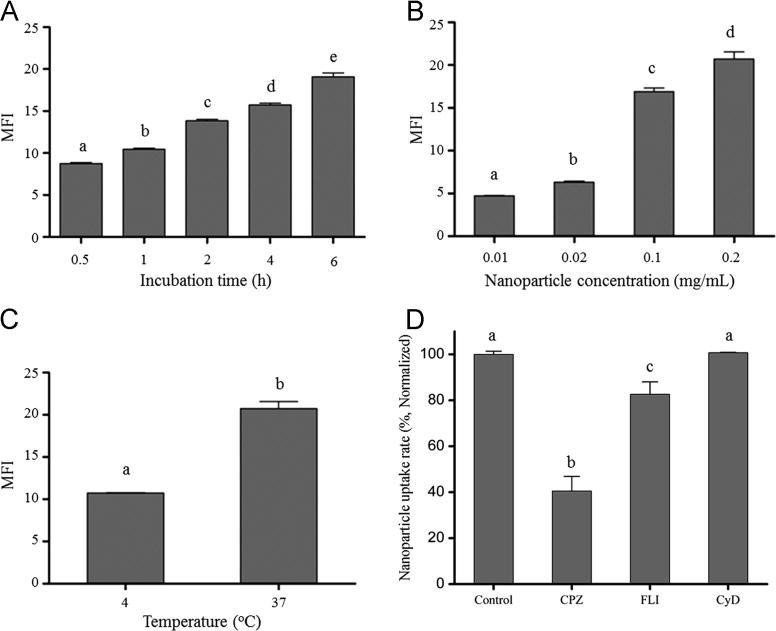
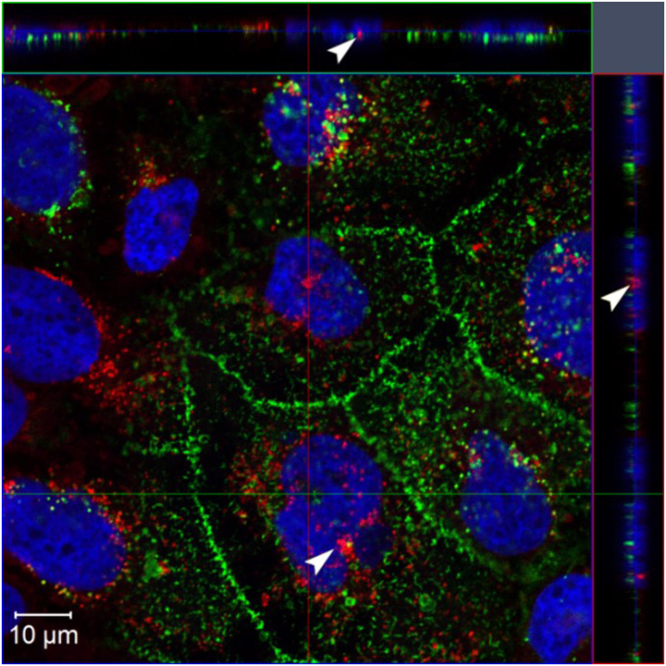
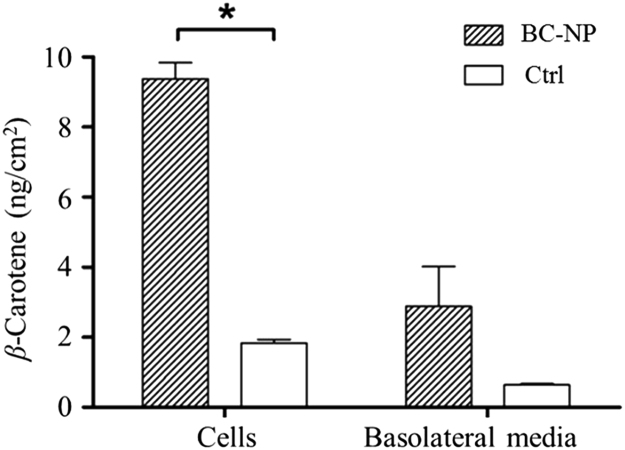
Our previous study introduced a barley protein microparticle for encapsulation of hydrophobic drug/nutraceutical, which could release nanoparticles upon gastric digestion and deliver encapsulated compound to a simulated intestinal environment intact. This work focused on evaluating the potential of liberated nanoparticles to improve the absorption of encapsulated compounds (., -carotene) using Caco-2 cell and small intestine models. Nanoparticles obtained from gastric digestion of barley protein microparticles had a spherical shape and an average size of 351 nm. Nanoparticles showed low cytotoxicity in Caco-2 cells and their cellular uptake was dependent on time, concentration and temperature. In a Caco-2 cell monolayer model, significantly greater uptake and transport of -carotene were observed when it was delivered by nanoparticles (15%), compared to free -carotene suspension (2.6%). In an rat jejunum model, nanoparticles showed the capacity to retain in small intestinal tissue. Approximately 2.24 and 6.04 μg nanoparticle were able to permeate through each cm intestinal tissue and translocate to the serosal side after 60 and 90 min, respectively. Results from this study demonstrated the absorption improving effect of the barley protein nanoparticles and suggested their potential as vehicles for hydrophobic compounds.
我们之前的研究引入了一种用于包裹疏水性药物/营养保健品的大麦蛋白微粒,该微粒在胃消化时可释放纳米颗粒,并将包裹的化合物完整地递送至模拟肠道环境。这项工作着重于使用Caco-2细胞和小肠模型评估释放出的纳米颗粒改善包裹化合物(如β-胡萝卜素)吸收的潜力。由大麦蛋白微粒经胃消化得到的纳米颗粒呈球形,平均粒径为351 nm。纳米颗粒在Caco-2细胞中显示出低细胞毒性,其细胞摄取取决于时间、浓度和温度。在Caco-2细胞单层模型中,与游离β-胡萝卜素悬浮液(2.6%)相比,当β-胡萝卜素由纳米颗粒递送时,观察到其摄取和转运显著增加(15%)。在大鼠空肠模型中,纳米颗粒显示出保留在小肠组织中的能力。分别在60分钟和90分钟后,每厘米肠组织中约有2.24和6.04 μg纳米颗粒能够渗透并转运至浆膜侧。本研究结果证明了大麦蛋白纳米颗粒的吸收改善作用,并表明它们作为疏水性化合物载体的潜力。