Ahmad Naseer, Kushwaha Priyanka, Karvande Anirudha, Tripathi Ashish Kumar, Kothari Priyanka, Adhikary Sulekha, Khedgikar Vikram, Mishra Vijay Kumar, Trivedi Ritu
Division of Endocrinology, CSIR-CDRI (Council of Scientific and Industrial Research-Central Drug Research Institute), Sector 10, Jankipuram Extension, Sitapur Road, Lucknow 226031, Uttar Pradesh, India.
Division of Endocrinology, CSIR-CDRI (Council of Scientific and Industrial Research-Central Drug Research Institute), Sector 10, Jankipuram Extension, Sitapur Road, Lucknow 226031, Uttar Pradesh, India.
Mol Ther Nucleic Acids. 2019 Mar 1;14:536-549. doi: 10.1016/j.omtn.2019.01.002. Epub 2019 Jan 10.
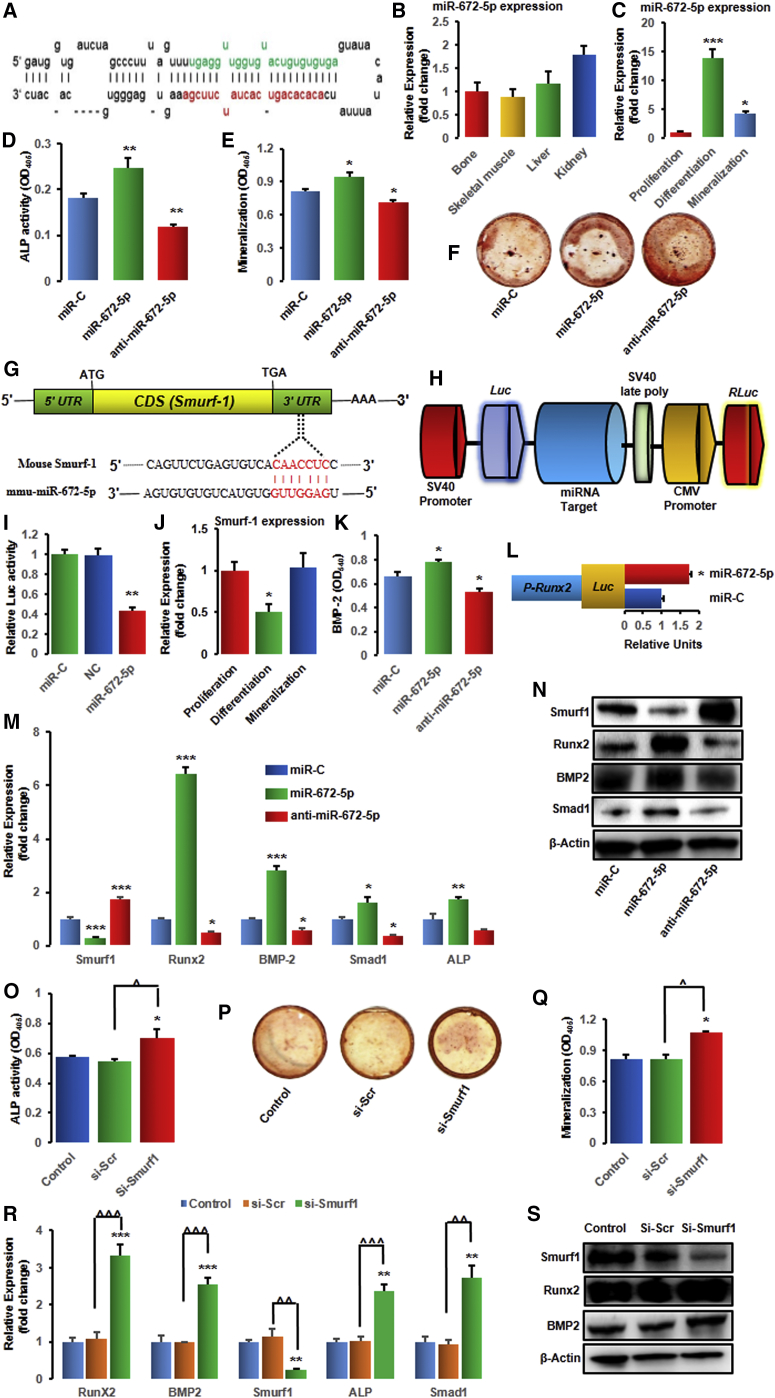
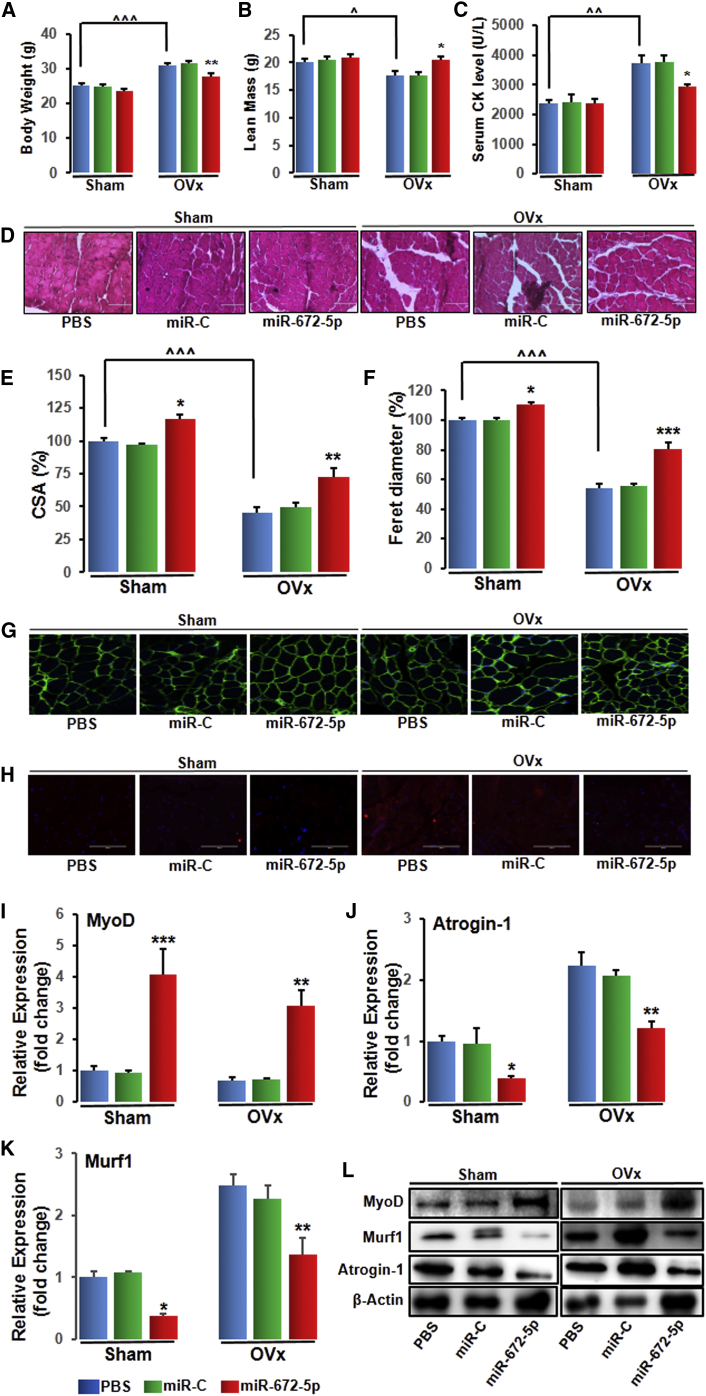
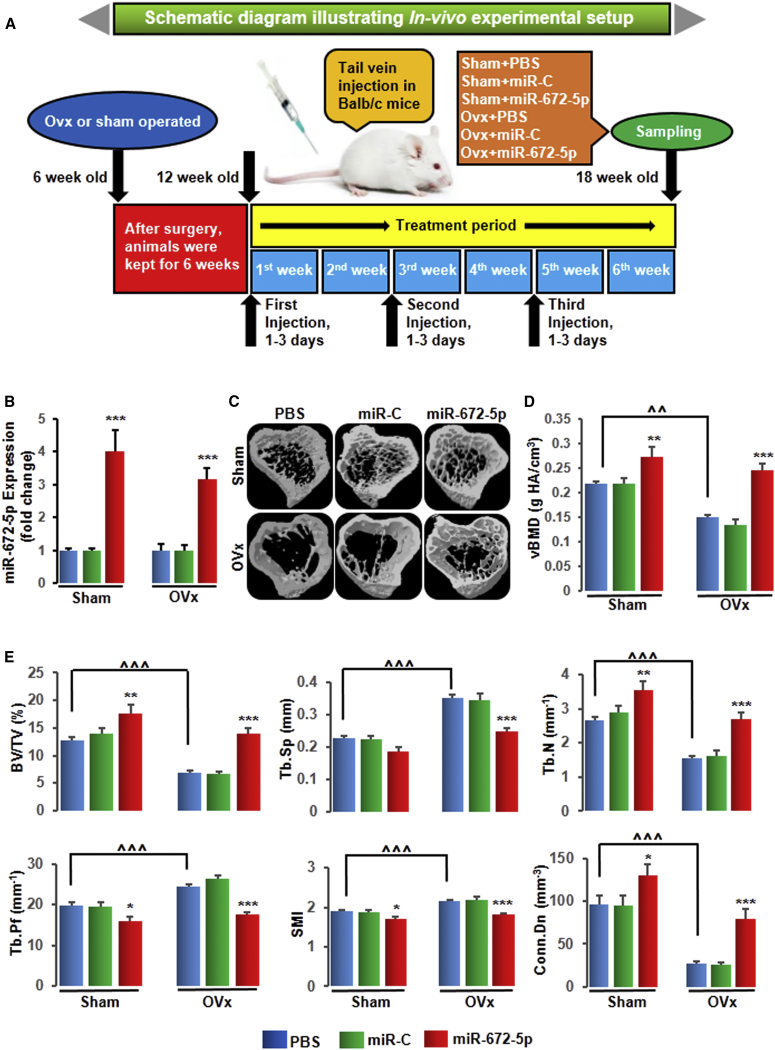
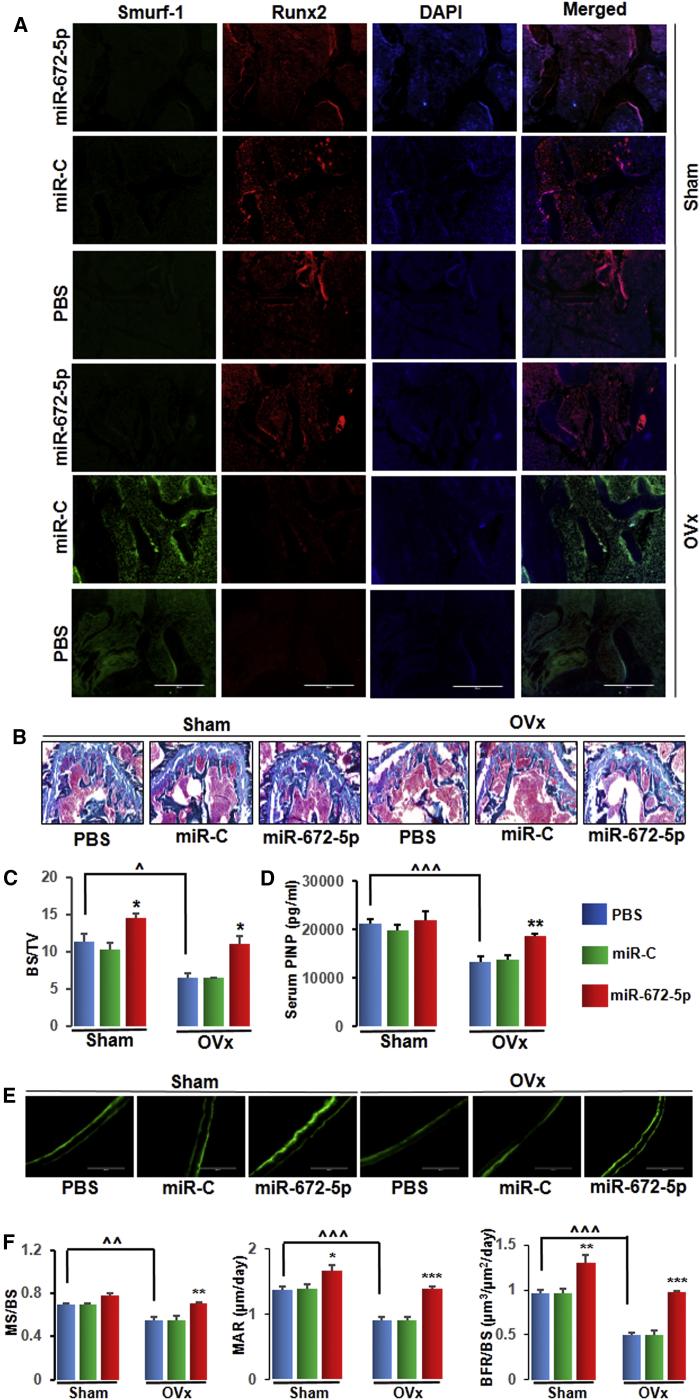
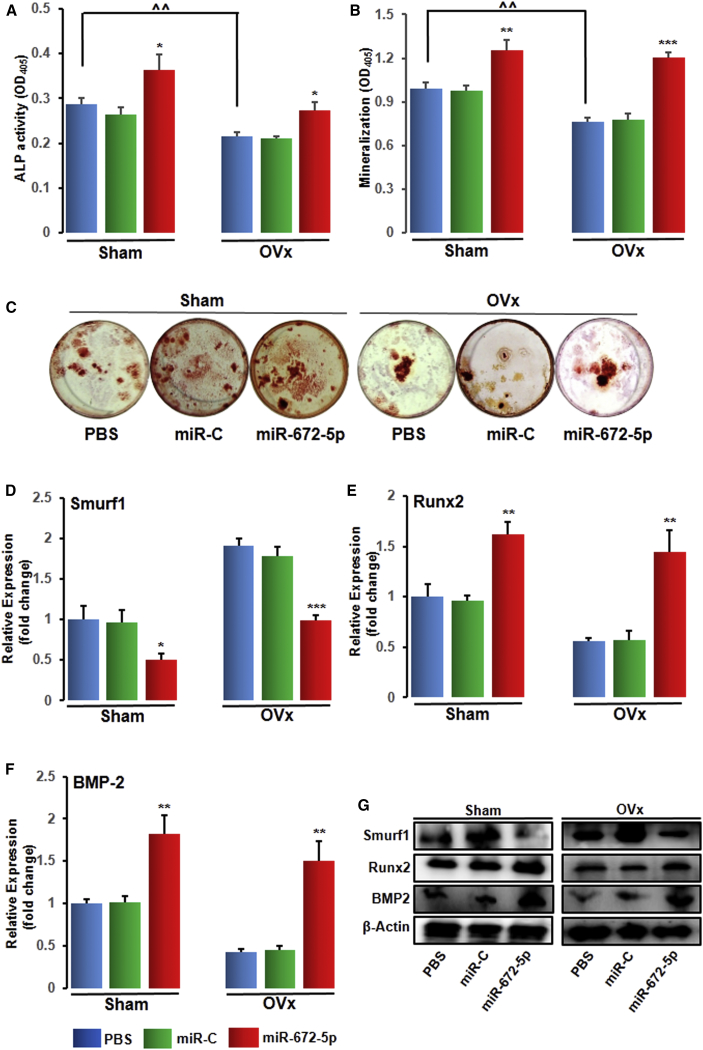
Post-menopausal condition augments the biological aging process, characterized by multiple metabolic disorders in which bone loss is the most prevalent outcome and usually coupled with sarcopenia. Coexistence of such associated pathogenesis have much worse health outcomes, compared to individuals with osteoporosis only. Pre- and post-natal bone development demands calcium from mother to fetus during pregnancy and lactation leading to a significant maternal skeletal loss. It follows an anabolic phase around weaning during which there is a notable recovery of the maternal skeleton. Here, we have studied the therapeutic effect of microRNA-672-5p identified during weaning when it is predominantly expressed, in ovariectomized mice for both osteopenia and sarcopenia. miR-672-5p induced osteoblast differentiation and mineralization. These actions were mediated through inhibition of Smurf1 with enhanced Runx2 transcriptional activation. In vivo, miR-672-5p significantly increased osteoblastogenesis and mineralization, thus reversing bone loss caused by ovariectomy. It also improved bone-mineral density, load-bearing capacity, and bone quality. Sarcopenia was also alleviated by miR-672-5p, as we observed increased cross-sectional area and Feret's diameter of muscle fibers. We hypothesize that elevated miR-672-5p expression has therapeutic efficacy in estrogen-deficiency-induced osteopenia along with sarcopenia.
绝经后状态会加速生物衰老过程,其特征为多种代谢紊乱,其中骨质流失是最常见的结果,且通常与肌肉减少症并存。与仅患有骨质疏松症的个体相比,这些相关发病机制并存会导致更差的健康结果。产前和产后骨骼发育在孕期和哺乳期需要母亲向胎儿提供钙,这会导致母亲骨骼大量流失。随后在断奶前后会进入合成代谢阶段,在此期间母亲的骨骼会有明显恢复。在此,我们研究了在断奶期间主要表达的微小RNA-672-5p对去卵巢小鼠骨质疏松症和肌肉减少症的治疗效果。微小RNA-672-5p可诱导成骨细胞分化和矿化。这些作用是通过抑制Smurf1并增强Runx2转录激活来介导的。在体内,微小RNA-672-5p显著增加成骨细胞生成和矿化,从而逆转去卵巢引起的骨质流失。它还改善了骨矿物质密度、承重能力和骨质。微小RNA-672-5p也减轻了肌肉减少症,因为我们观察到肌纤维的横截面积和费雷特直径增加。我们推测,微小RNA-672-5p表达升高对雌激素缺乏诱导的骨质疏松症和肌肉减少症具有治疗效果。