State Key Laboratory of Organ Failure Research, National Clinical Research Center of Kidney Disease, Division of Nephrology, Nanfang Hospital, Southern Medical University, Guangzhou, China.
State Key Laboratory of Organ Failure Research, National Clinical Research Center of Kidney Disease, Division of Nephrology, Nanfang Hospital, Southern Medical University, Guangzhou, China.
Kidney Int. 2019 Apr;95(4):830-845. doi: 10.1016/j.kint.2018.10.032. Epub 2019 Feb 12.
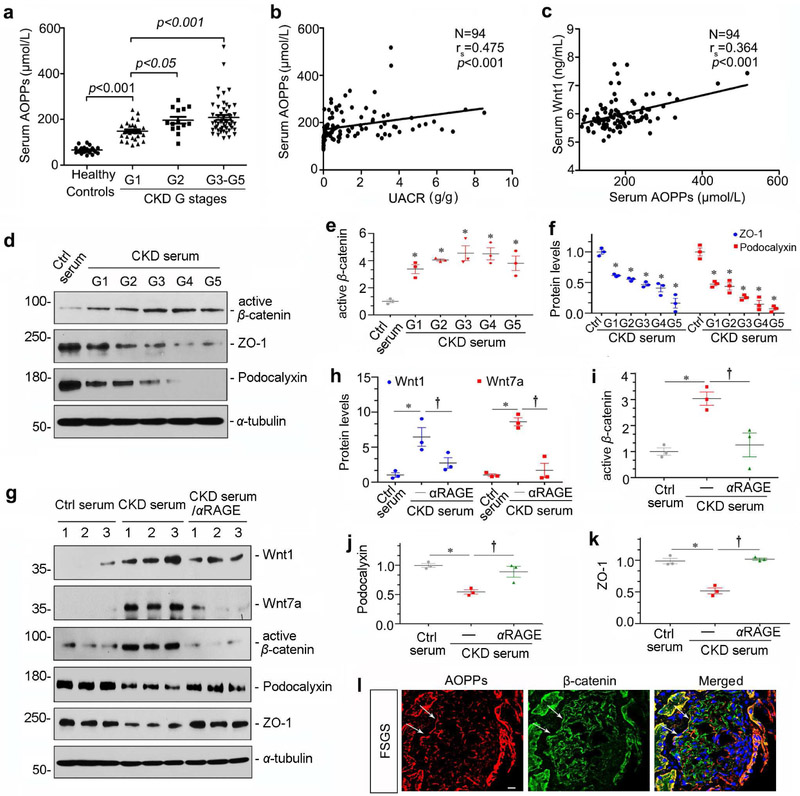
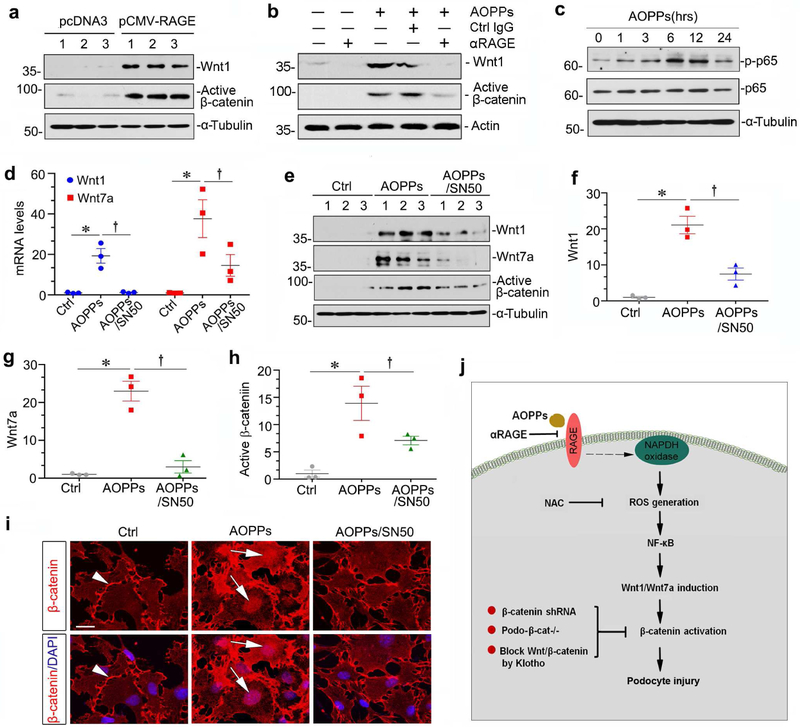
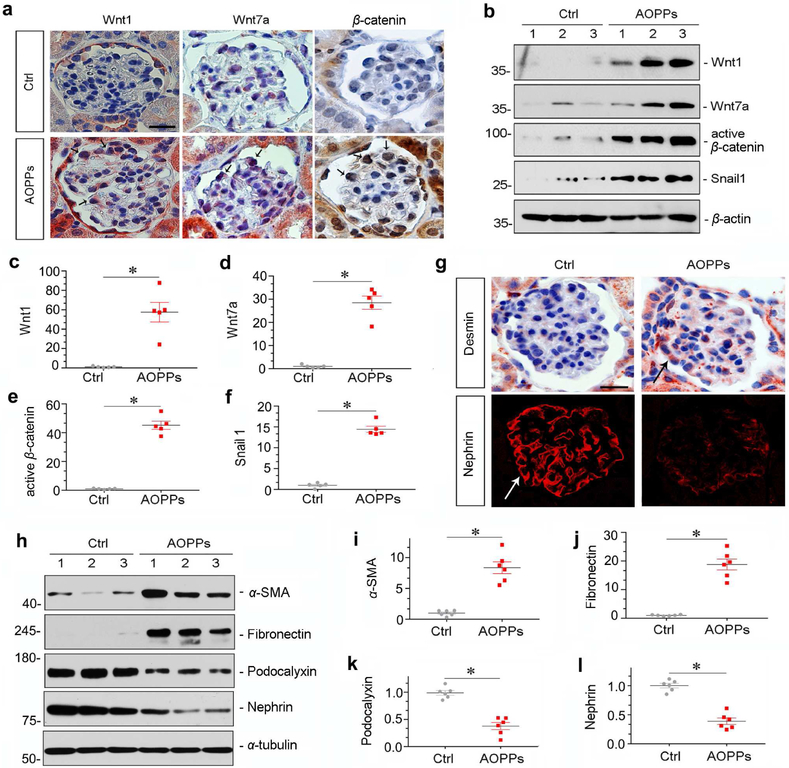
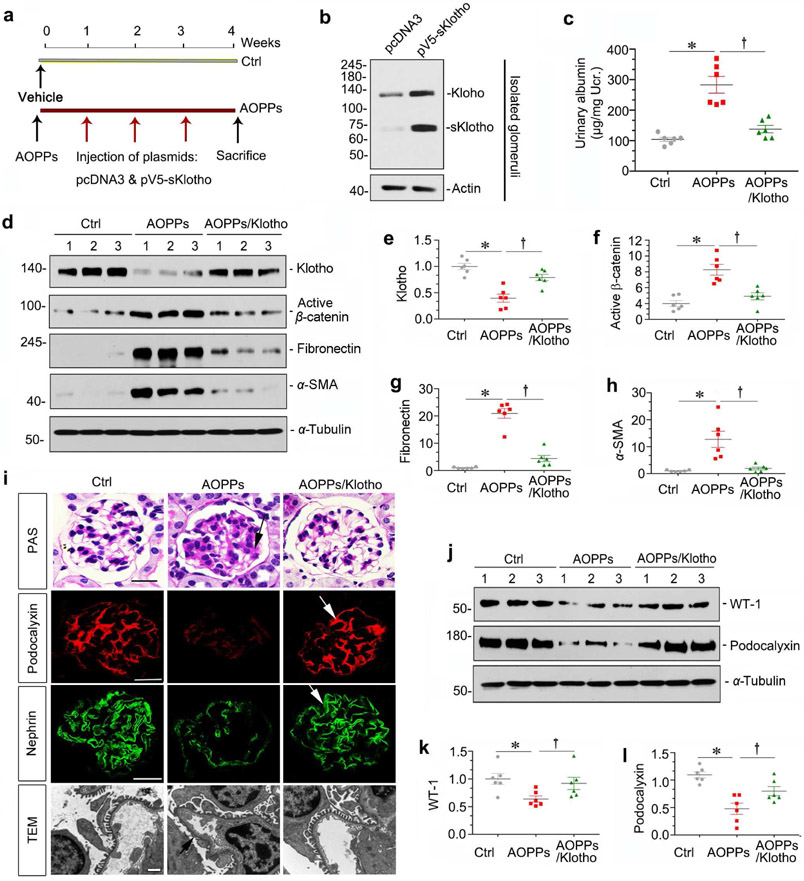
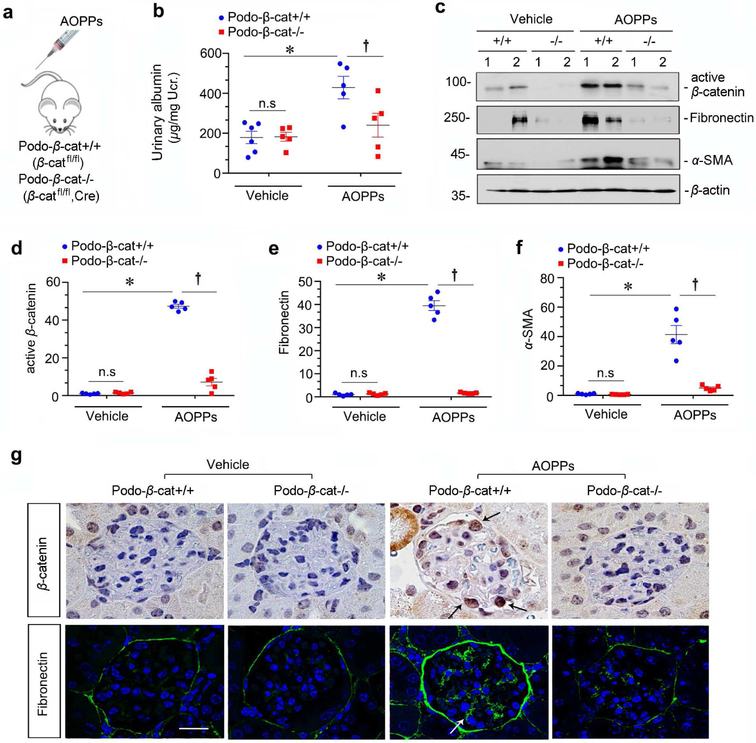
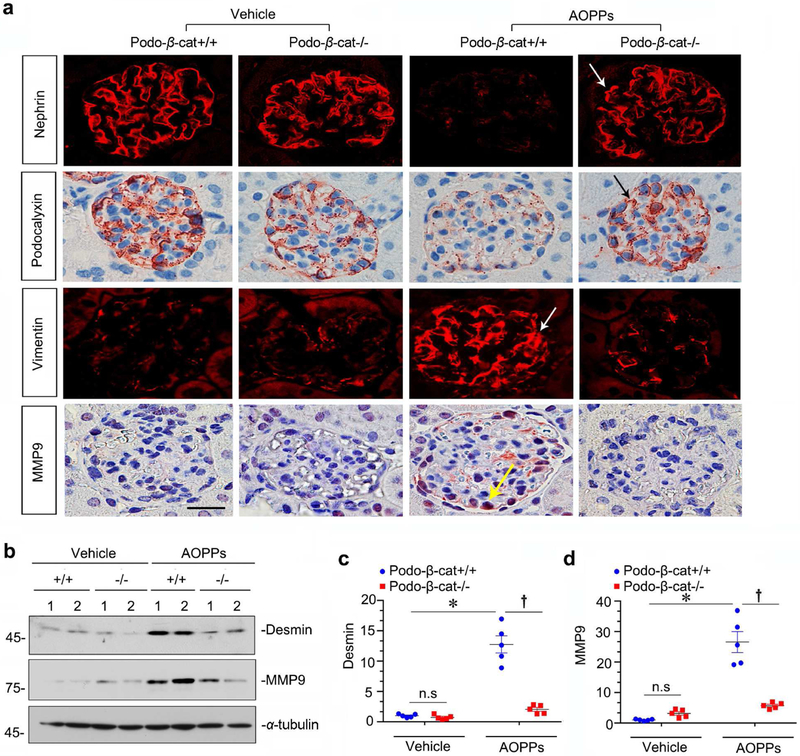
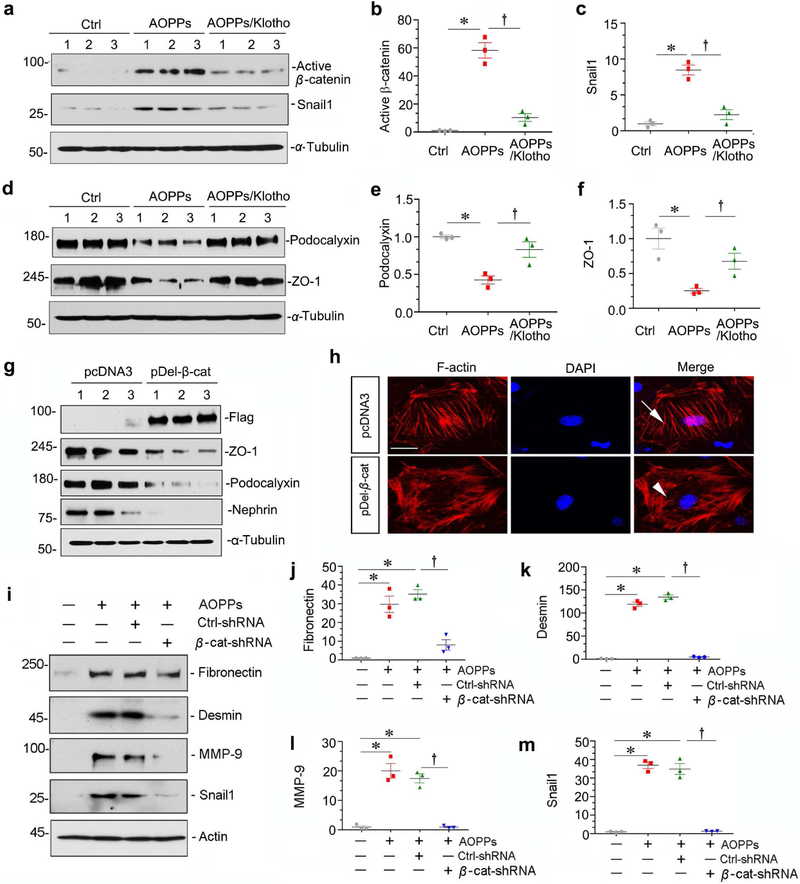
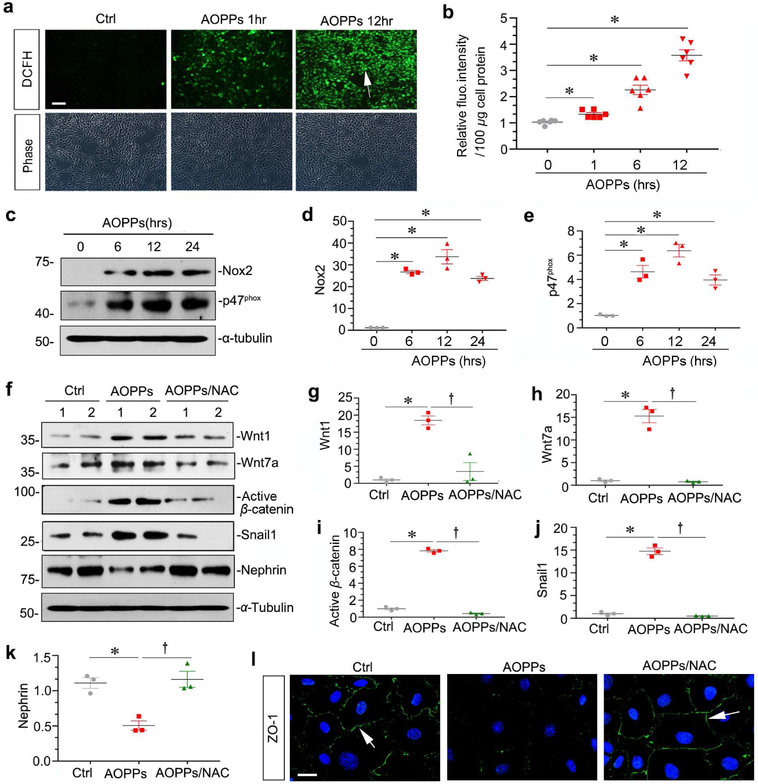
Podocyte injury is the major cause of proteinuria in primary glomerular diseases. Oxidative stress has long been thought to play a role in triggering podocyte damage; however, the underlying mechanism remains poorly understood. Here we show that the Wnt/β-catenin pathway is involved in mediating oxidative stress-induced podocyte dysfunction. Advanced oxidation protein products, a marker and trigger of oxidative stress, were increased in the serum of patients with chronic kidney disease and correlated with impaired glomerular filtration, proteinuria, and circulating level of Wnt1. Both serum from patients with chronic kidney disease and exogenous advanced oxidation protein products induced Wnt1 and Wnt7a expression, activated β-catenin, and reduced expression of podocyte-specific markers in vitro and in vivo. Blockade of Wnt signaling by Klotho or knockdown of β-catenin by shRNA in podocytes abolished β-catenin activation and the upregulation of fibronectin, desmin, matrix metalloproteinase-9, and Snail1 triggered by advanced oxidation protein products. Furthermore, conditional knockout mice with podocyte-specific ablation of β-catenin were protected against podocyte injury and albuminuria after treatment with advanced oxidation protein products. The action of Wnt/β-catenin was dependent on the receptor of advanced glycation end products (RAGE)-mediated NADPH oxidase induction, reactive oxygen species generation, and nuclear factor-κB activation. These studies uncover a novel mechanistic linkage of oxidative stress, Wnt/β-catenin activation, and podocyte dysfunction.
足细胞损伤是原发性肾小球疾病蛋白尿的主要原因。氧化应激长期以来被认为在触发足细胞损伤中起作用;然而,其潜在机制仍知之甚少。在这里,我们表明 Wnt/β-连环蛋白途径参与介导氧化应激诱导的足细胞功能障碍。晚期氧化蛋白产物是氧化应激的标志物和触发物,在慢性肾脏病患者的血清中增加,并与肾小球滤过率降低、蛋白尿和循环 Wnt1 水平相关。慢性肾脏病患者的血清和外源性晚期氧化蛋白产物均可在体外和体内诱导 Wnt1 和 Wnt7a 表达,激活β-连环蛋白,并降低足细胞特异性标志物的表达。在足细胞中用 Klotho 阻断 Wnt 信号或用 shRNA 敲低β-连环蛋白可消除晚期氧化蛋白产物触发的β-连环蛋白激活和纤连蛋白、结蛋白、基质金属蛋白酶-9 和 Snail1 的上调。此外,用晚期氧化蛋白产物治疗时,具有足细胞特异性β-连环蛋白缺失的条件敲除小鼠可防止足细胞损伤和白蛋白尿。Wnt/β-连环蛋白的作用依赖于晚期糖基化终产物 (RAGE) 介导的 NADPH 氧化酶诱导、活性氧生成和核因子-κB 激活。这些研究揭示了氧化应激、Wnt/β-连环蛋白激活和足细胞功能障碍之间的新的机制联系。