Max-Planck-Institut für Molekulare Pflanzenphysiologie, Am Mühlenberg 1, D-14476, Potsdam, Germany.
Sci Rep. 2019 Feb 19;9(1):2289. doi: 10.1038/s41598-019-38688-3.
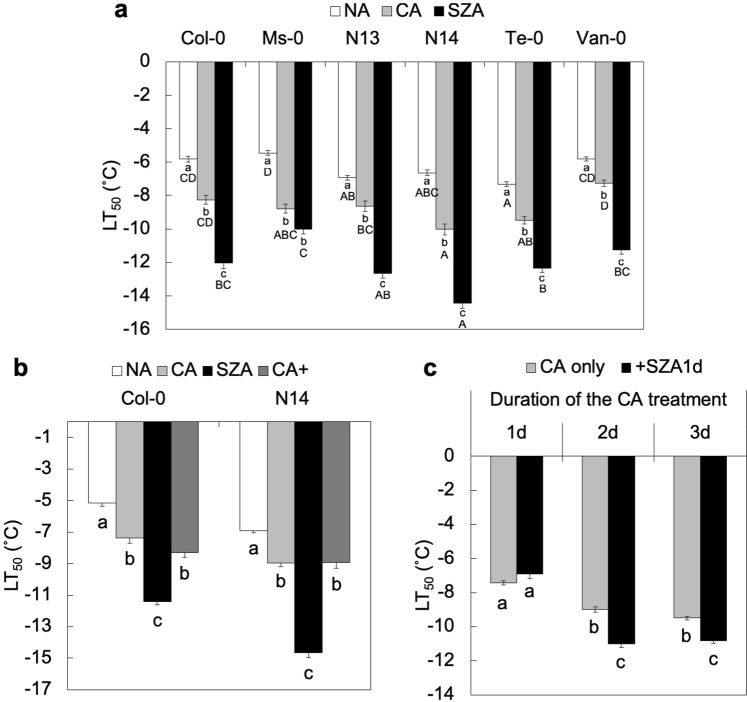
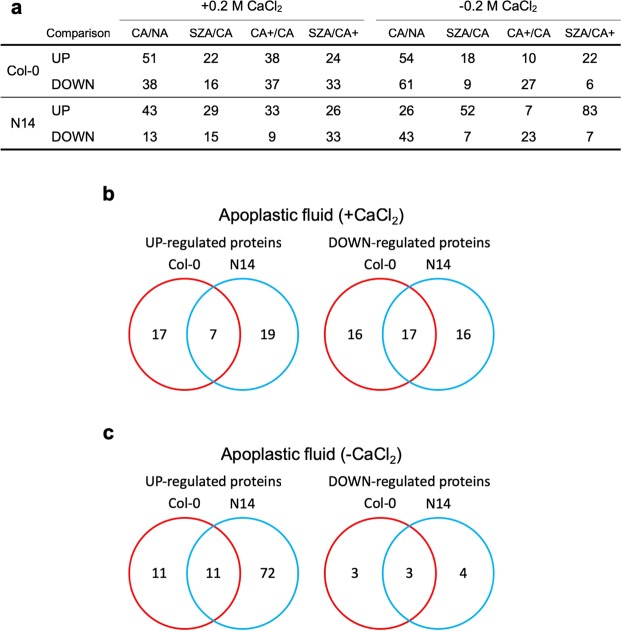
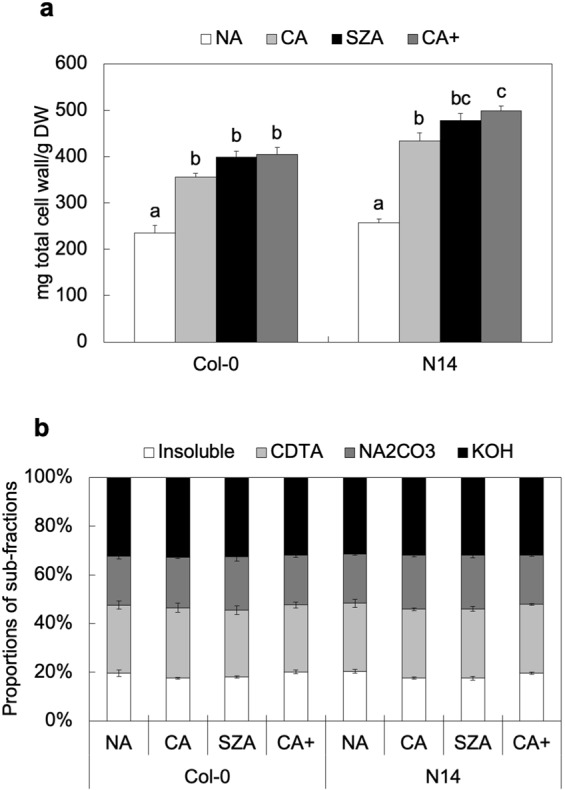
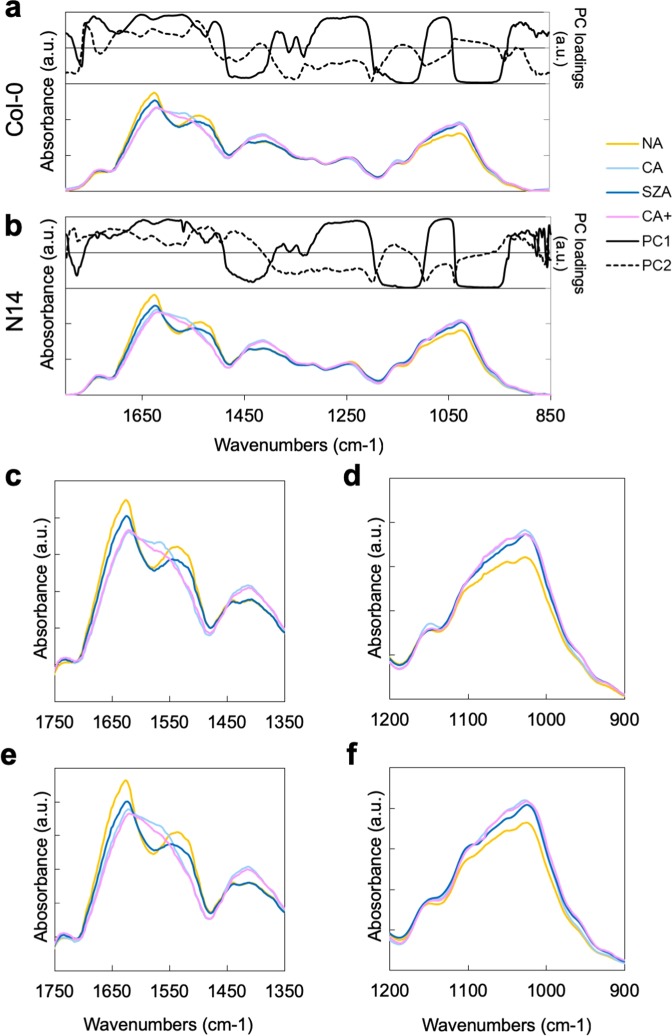
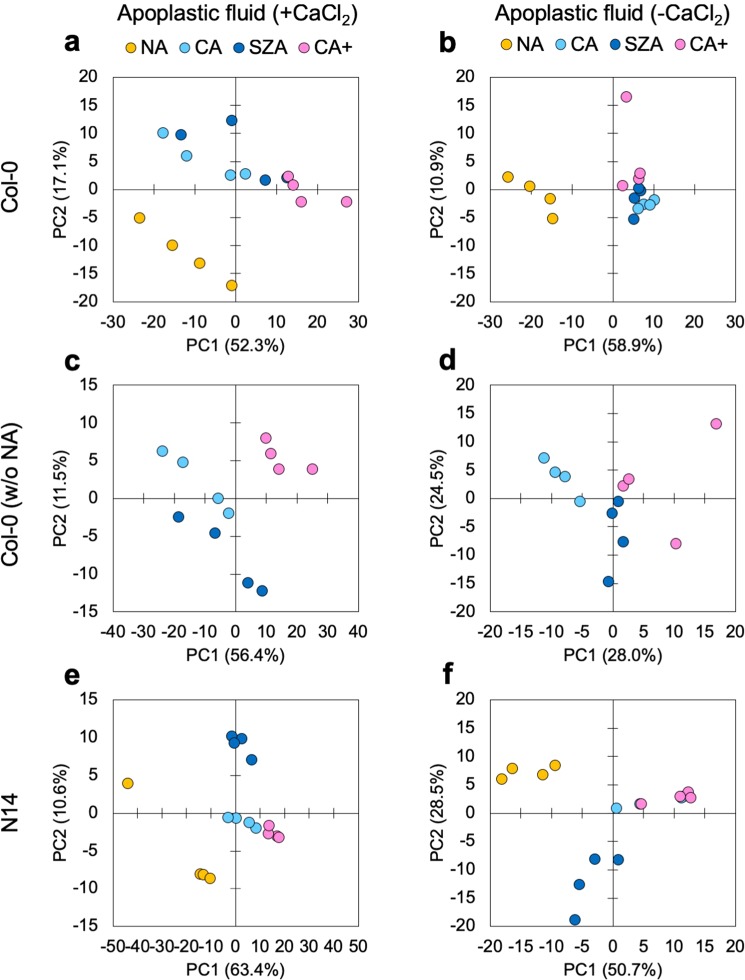
Cold acclimation (CA) leads to increased plant freezing tolerance during exposure to low, non-freezing temperatures as a result of many physiological, biochemical and molecular changes that have been extensively investigated. In addition, many plant species, such as Arabidopsis thaliana, respond to a subsequent exposure to mild, non-damaging freezing temperatures with an additional increase in freezing tolerance referred to as sub-zero acclimation (SZA). There is comparatively little information available about the molecular basis of SZA. However, previous transcriptomic studies indicated that cell wall modification may play an important role during SZA. Here we show that CA and SZA are accompanied by extensive changes in cell wall amount, composition and structure. While CA leads to a significant increase in cell wall amount, the relative proportions of pectin, hemicellulose and cellulose remained unaltered during both CA and SZA. However, both treatments resulted in more subtle changes in structure as determined by infrared spectroscopy and monosaccharide composition as determined by gas chromatography-mass spectrometry. These differences could be related through a proteomic approach to the accumulation of cell wall modifying enzymes such as pectin methylesterases, pectin methylesterase inhibitors and xyloglucan endotransglucosylases/hydrolases in the extracellular matrix.
冷适应(CA)导致植物在暴露于低温、非冻结温度下的抗冻能力增强,这是由于许多生理、生化和分子变化的结果,这些变化已经得到了广泛的研究。此外,许多植物物种,如拟南芥,对随后暴露于温和、非破坏性的冷冻温度会产生额外的抗冻能力增加,这种现象被称为亚零适应(SZA)。关于 SZA 的分子基础,目前的信息相对较少。然而,先前的转录组研究表明,细胞壁修饰可能在 SZA 过程中发挥重要作用。在这里,我们表明 CA 和 SZA 伴随着细胞壁数量、组成和结构的广泛变化。虽然 CA 导致细胞壁数量显著增加,但在 CA 和 SZA 过程中,果胶、半纤维素和纤维素的相对比例保持不变。然而,这两种处理方法都导致了更细微的结构变化,这可以通过红外光谱和气相色谱-质谱法测定的单糖组成来确定。这些差异可以通过蛋白质组学方法来解释,即细胞壁修饰酶如果胶甲酯酶、果胶甲酯酶抑制剂和木葡聚糖内转糖苷酶/水解酶在细胞外基质中的积累。