University of Poitiers, EA3808 Neurovascular Unit and Cognitive Disorders, Pôle Biologie Santé, POITIERS, France.
University of Poitiers, UMR CNRS 7285 Institute of Chemistry of Poitiers: Materials and Natural Resources, POITIERS, France.
PLoS One. 2019 Feb 20;14(2):e0212663. doi: 10.1371/journal.pone.0212663. eCollection 2019.
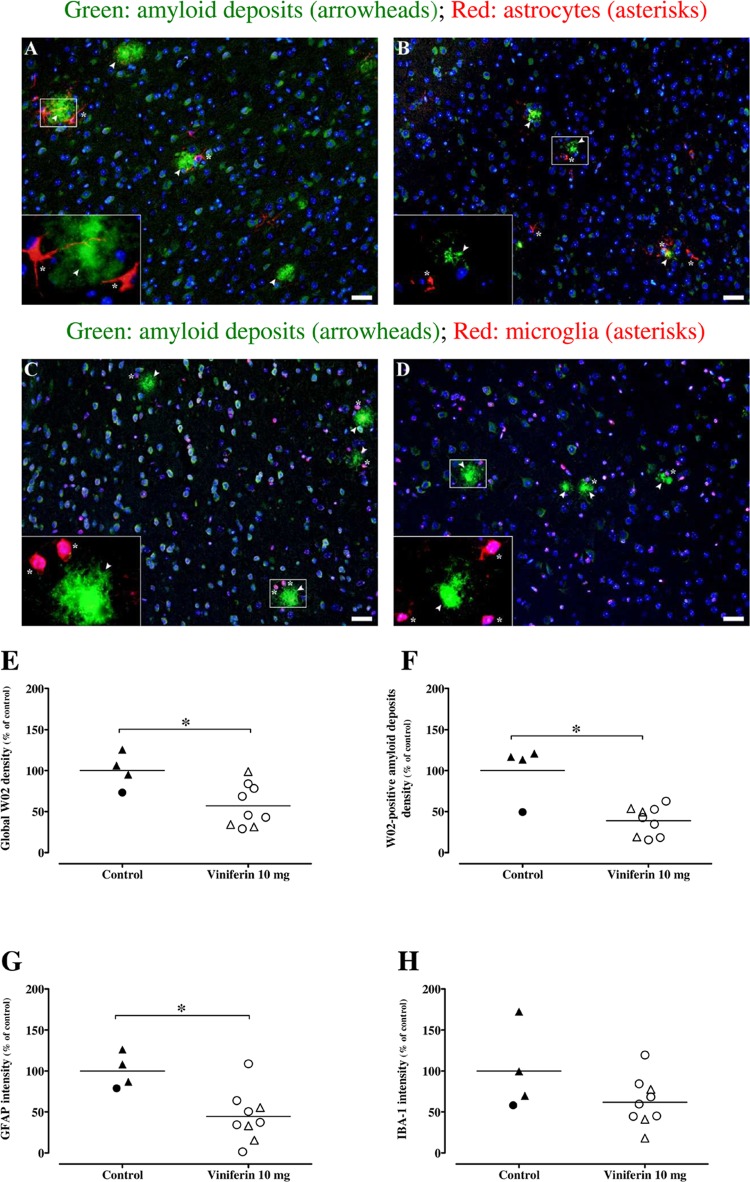
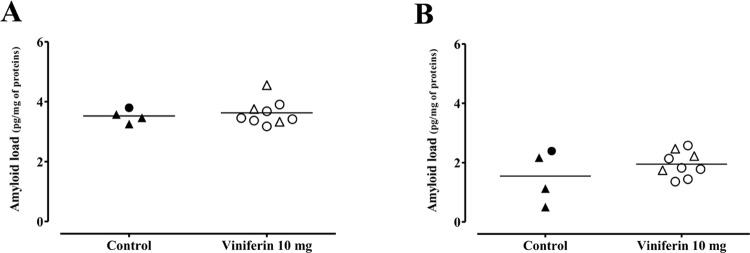
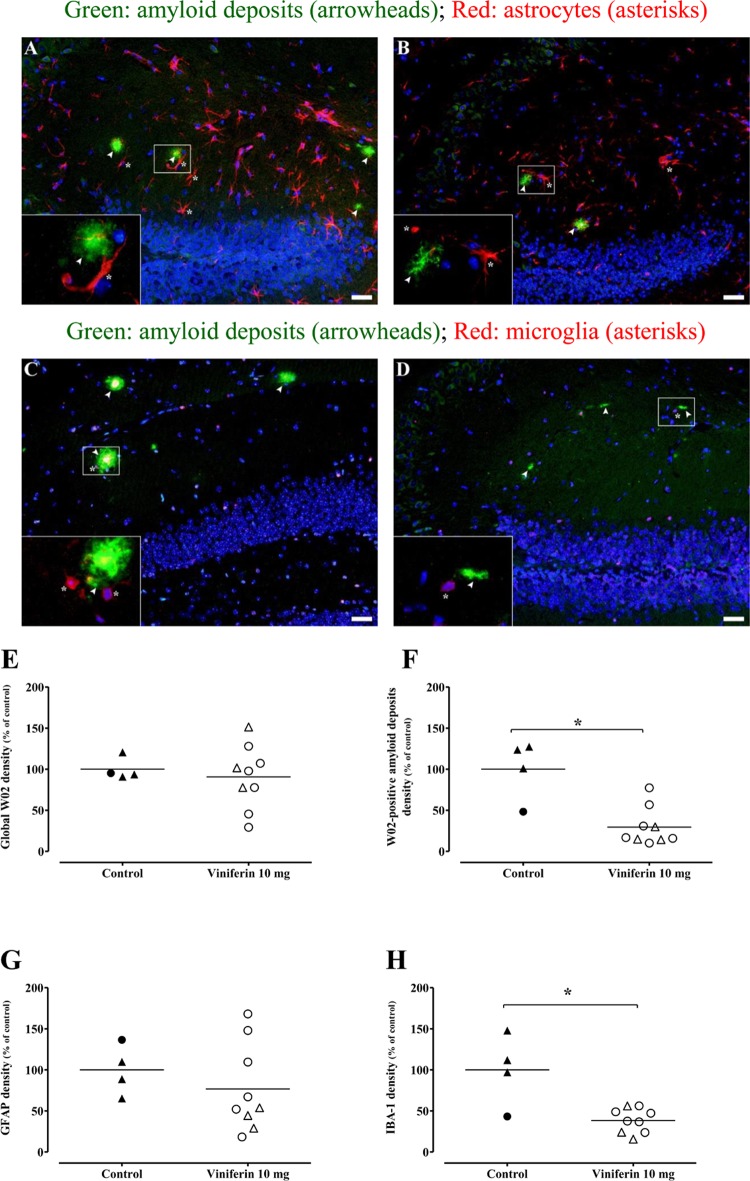
As Alzheimer's disease (AD) induces several cellular and molecular damages, it could be interesting to use multi-target molecules for therapeutics. We previously published that trans ε-viniferin induced the disaggregation of Aβ42 peptide and inhibited the inflammatory response in primary cellular model of AD. Here, effects of this stilbenoid were evaluated in transgenic APPswePS1dE9 mice. We report that trans ε-viniferin could go through the blood brain barrier, reduces size and density of amyloid deposits and decreases reactivity of astrocytes and microglia, after a weekly intraperitoneal injection at 10 mg/kg from 3 to 6 months of age.
由于阿尔茨海默病(AD)会引起多种细胞和分子损伤,因此使用多靶点分子进行治疗可能会很有趣。我们之前发表过,反式 ε-白藜芦醇可诱导 Aβ42 肽解聚,并抑制 AD 原代细胞模型中的炎症反应。在这里,我们评估了这种二苯乙烯类化合物在转基因 APPswePS1dE9 小鼠中的作用。我们报告称,反式 ε-白藜芦醇可以穿过血脑屏障,在 3 至 6 个月龄时每周腹腔注射 10mg/kg,可减少淀粉样沉积物的大小和密度,并降低星形胶质细胞和小胶质细胞的反应性。