Kwon Jason J, Factora Tricia D, Dey Shatovisha, Kota Janaiah
Department of Medical and Molecular Genetics, Indiana University School of Medicine (IUSM), Indianapolis, IN, USA.
The Melvin and Bren Simon Cancer Center, IUSM, Indianapolis, IN, USA.
Mol Ther Oncolytics. 2018 Dec 31;12:173-194. doi: 10.1016/j.omto.2018.12.011. eCollection 2019 Mar 29.
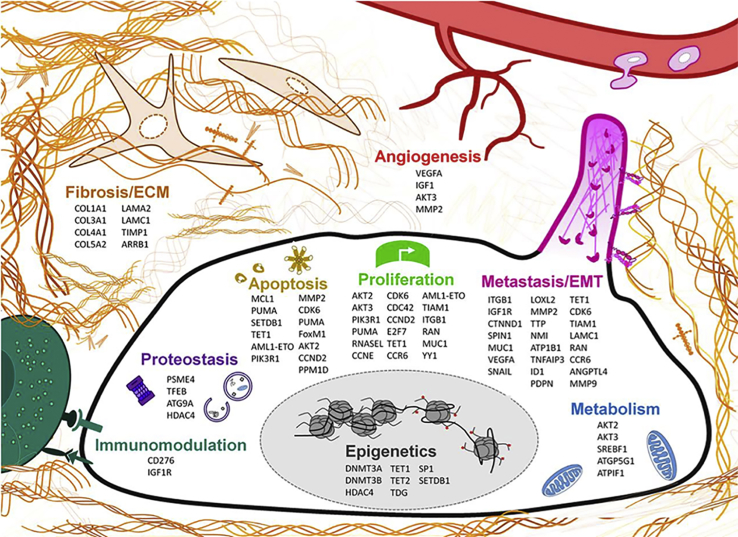
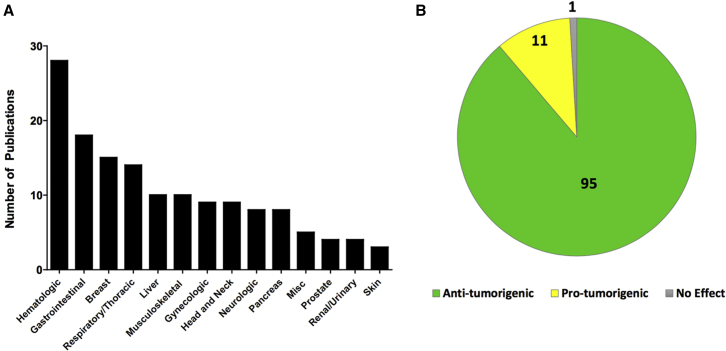
MicroRNAs (miRNA) are small non-coding RNAs (∼22 nt in length) that are known as potent master regulators of eukaryotic gene expression. miRNAs have been shown to play a critical role in cancer pathogenesis, and the misregulation of miRNAs is a well-known feature of cancer. In recent years, miR-29 has emerged as a critical miRNA in various cancers, and it has been shown to regulate multiple oncogenic processes, including epigenetics, proteostasis, metabolism, proliferation, apoptosis, metastasis, fibrosis, angiogenesis, and immunomodulation. Although miR-29 has been thoroughly documented as a tumor suppressor in the majority of studies, some controversy remains with conflicting reports of miR-29 as an oncogene. In this review, we provide a systematic overview of miR-29's functional role in various mechanisms of cancer and introspection on the contradictory roles of miR-29.
微小RNA(miRNA)是一类小的非编码RNA(长度约为22个核苷酸),被认为是真核基因表达的强效主要调节因子。miRNA已被证明在癌症发病机制中起关键作用,而miRNA的失调是癌症的一个众所周知的特征。近年来,miR-29已成为各种癌症中的关键miRNA,并且已证明它可调节多种致癌过程,包括表观遗传学、蛋白质稳态、代谢、增殖、凋亡、转移、纤维化、血管生成和免疫调节。尽管在大多数研究中miR-29已被充分证明是一种肿瘤抑制因子,但关于miR-29作为癌基因的相互矛盾的报道仍存在一些争议。在这篇综述中,我们系统地概述了miR-29在癌症各种机制中的功能作用,并对miR-29的矛盾作用进行了反思。