Department of Physiology and Biophysics, University of Washington, Seattle, Washington, United States of America.
PLoS One. 2019 Feb 22;14(2):e0207835. doi: 10.1371/journal.pone.0207835. eCollection 2019.
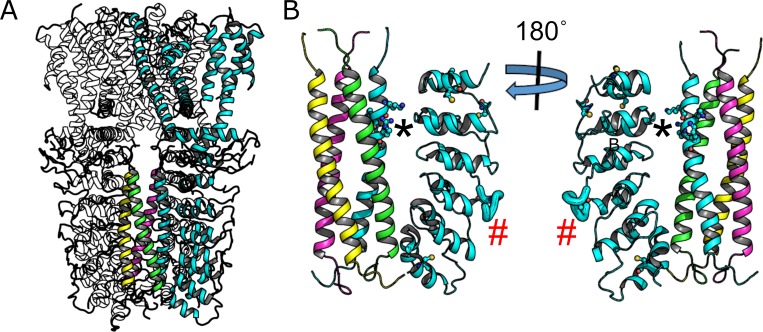
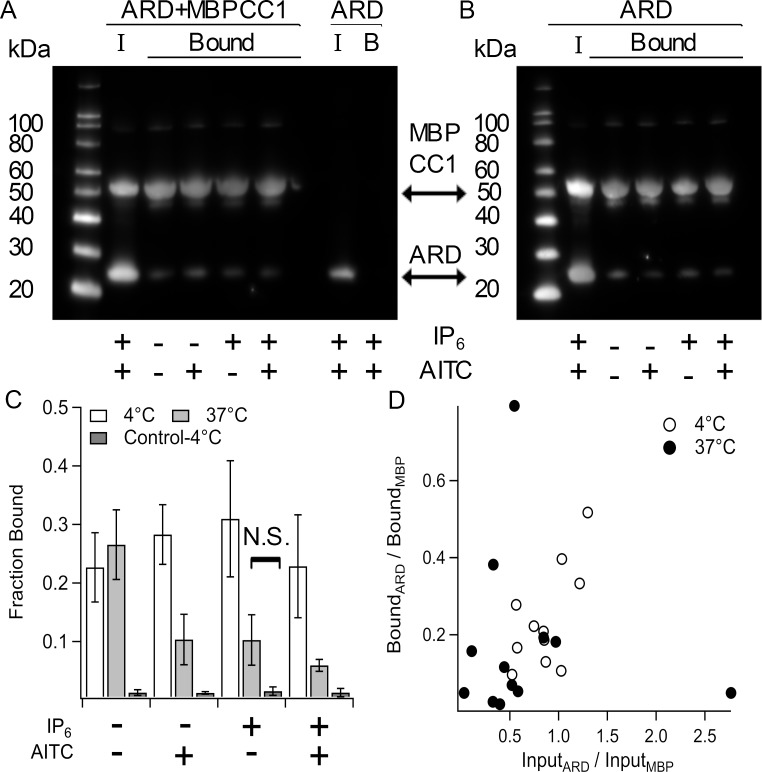
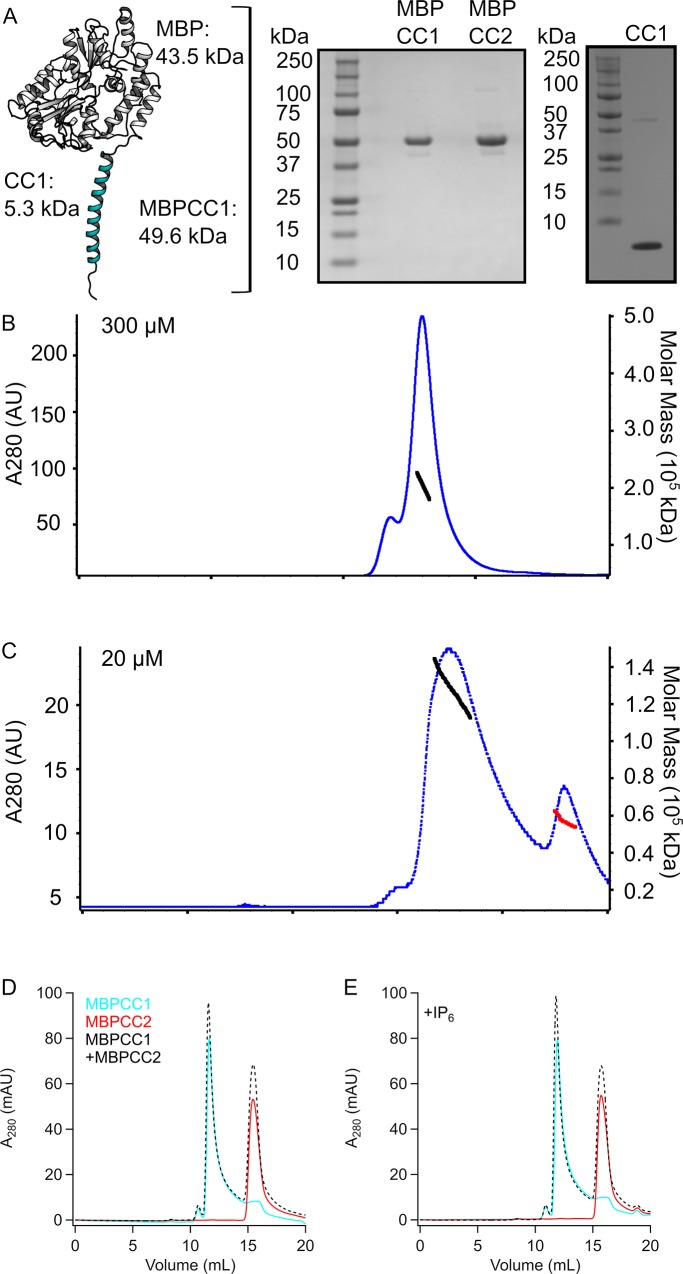
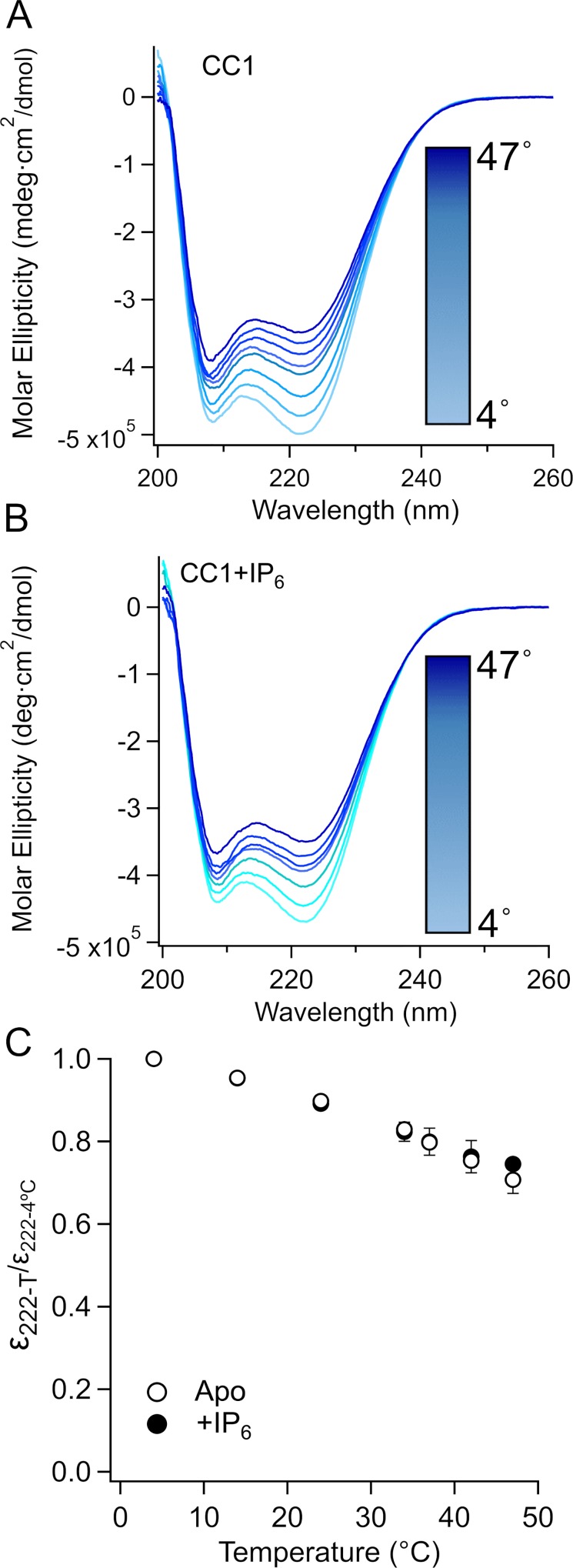
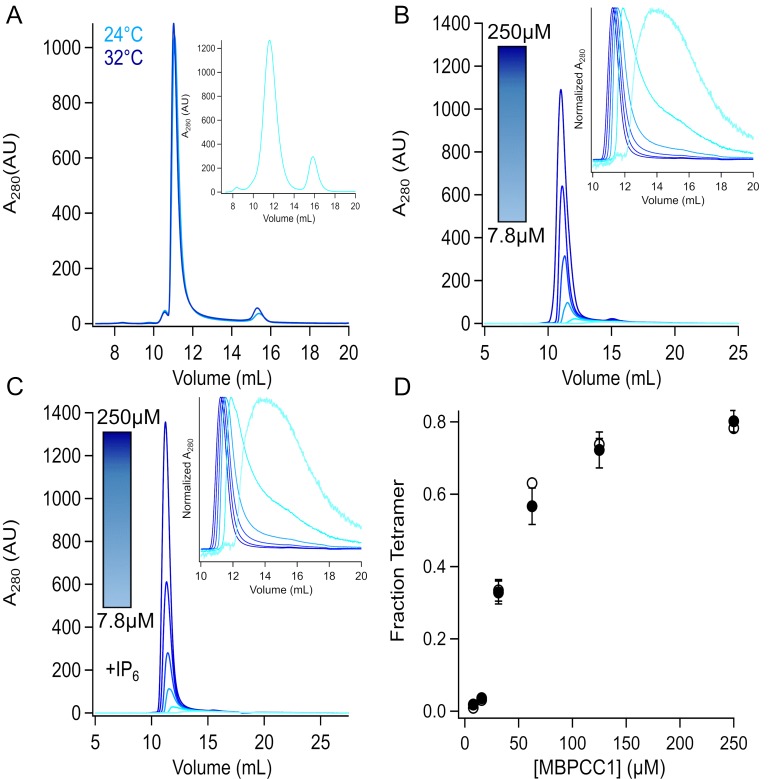
The transient receptor potential Ankyrin-1 (TRPA1) ion channel is modulated by myriad noxious stimuli that interact with multiple regions of the channel, including cysteine-reactive natural extracts from onion and garlic which modify residues in the cytoplasmic domains. The way in which TRPA1 cytoplasmic domain modification is coupled to opening of the ion-conducting pore has yet to be elucidated. The cryo-EM structure of TRPA1 revealed a tetrameric C-terminal coiled-coil surrounded by N-terminal ankyrin repeat domains (ARDs), an architecture shared with the canonical transient receptor potential (TRPC) ion channel family. Similarly, structures of the TRP melastatin (TRPM) ion channel family also showed a C-terminal coiled-coil surrounded by N-terminal cytoplasmic domains. This conserved architecture may indicate a common gating mechanism by which modification of cytoplasmic domains can transduce conformational changes to open the ion-conducting pore. We developed an in vitro system in which N-terminal ARDs and C-terminal coiled-coil domains can be expressed in bacteria and maintain the ability to interact. We tested three gating regulators: temperature; the polyphosphate compound IP6; and the covalent modifier allyl isothiocyanate to determine whether they alter N- and C-terminal interactions. We found that none of the modifiers tested abolished ARD-coiled-coil interactions, though there was a significant reduction at 37˚C. We found that coiled-coils tetramerize in a concentration dependent manner, with monomers and trimers observed at lower concentrations. Our system provides a method for examining the mechanism of oligomerization of TRPA1 cytoplasmic domains as well as a system to study the transmission of conformational changes resulting from covalent modification.
瞬时受体电位锚蛋白-1(TRPA1)离子通道受多种有害刺激调节,这些刺激与通道的多个区域相互作用,包括来自洋葱和大蒜的具有反应性半胱氨酸的天然提取物,它们修饰细胞质结构域中的残基。TRPA1 细胞质结构域修饰与离子通道开放的偶联方式尚未阐明。TRPA1 的冷冻电镜结构揭示了一个四聚体 C 端卷曲螺旋,周围是 N 端锚蛋白重复结构域(ARDs),这种结构与经典瞬时受体电位(TRPC)离子通道家族共享。同样,TRP 梅拉斯坦(TRPM)离子通道家族的结构也显示出 C 端卷曲螺旋周围是 N 端细胞质结构域。这种保守的结构可能表明存在一种共同的门控机制,通过修饰细胞质结构域可以传递构象变化以打开离子通道。我们开发了一种体外系统,其中 N 端 ARD 和 C 端卷曲螺旋结构域可以在细菌中表达并保持相互作用的能力。我们测试了三种门控调节剂:温度;多磷酸盐化合物 IP6;以及共价修饰剂丙烯基异硫氰酸酯,以确定它们是否改变 N 和 C 端的相互作用。我们发现,测试的修饰剂都没有破坏 ARD-卷曲螺旋的相互作用,尽管在 37°C 时明显减少。我们发现卷曲螺旋以浓度依赖的方式四聚化,在较低浓度下观察到单体和三聚体。我们的系统提供了一种研究 TRPA1 细胞质结构域寡聚化机制的方法,以及一种研究由于共价修饰导致的构象变化传递的系统。