Unit of Measurements and Biomedical Instrumentation, Department of Engineering, Università Campus Bio-Medico di Roma, Via Alvaro del Portillo, 21, 00128 Rome, Italy.
Department of Movement, Human and Health Sciences, University of Rome "Foro Italico", 00135 Rome, Italy.
Sensors (Basel). 2019 Feb 21;19(4):908. doi: 10.3390/s19040908.
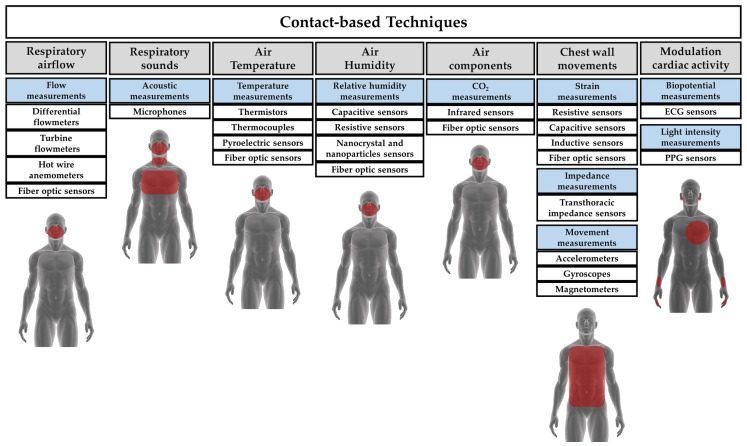
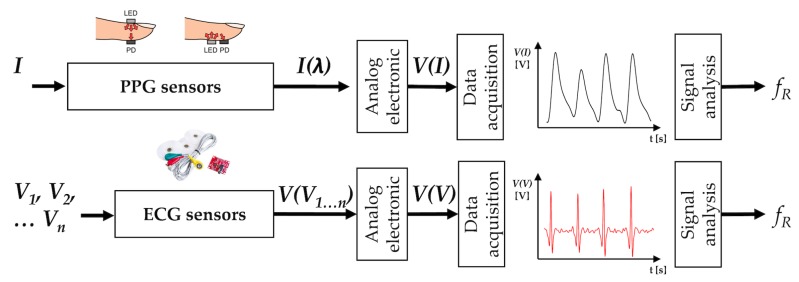
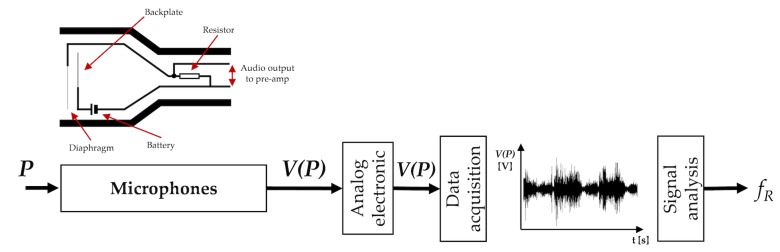
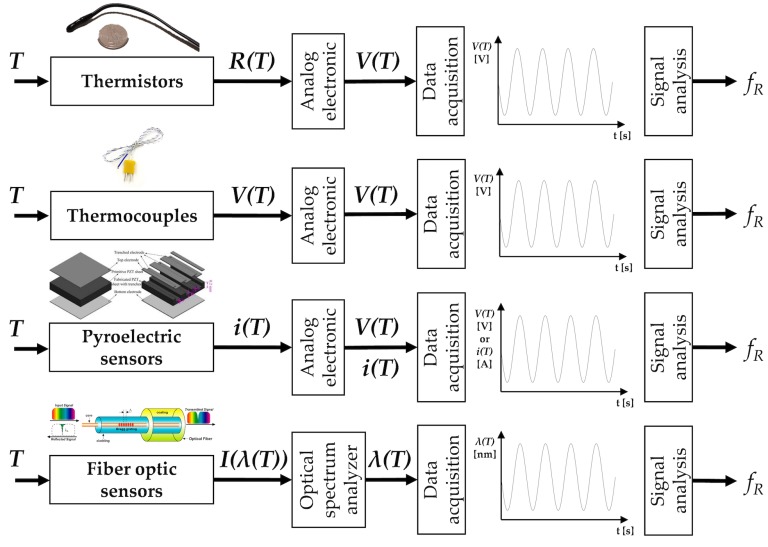
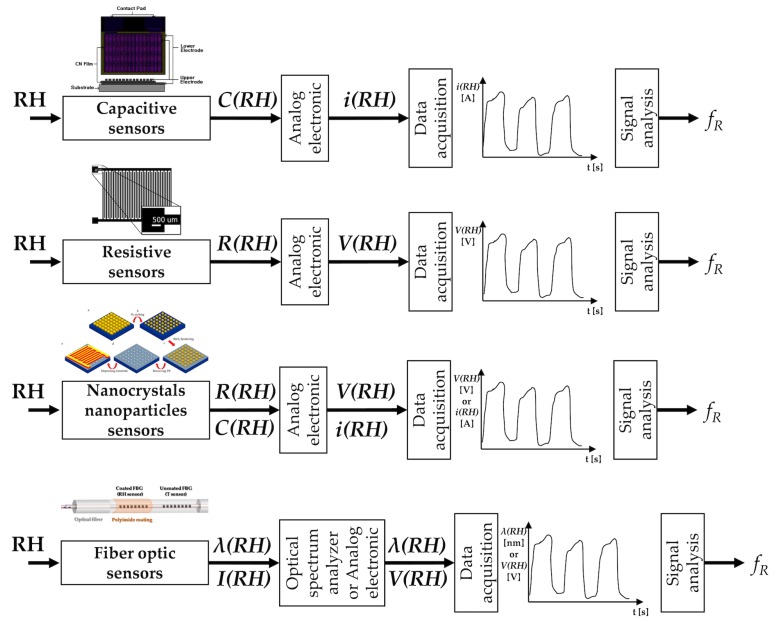
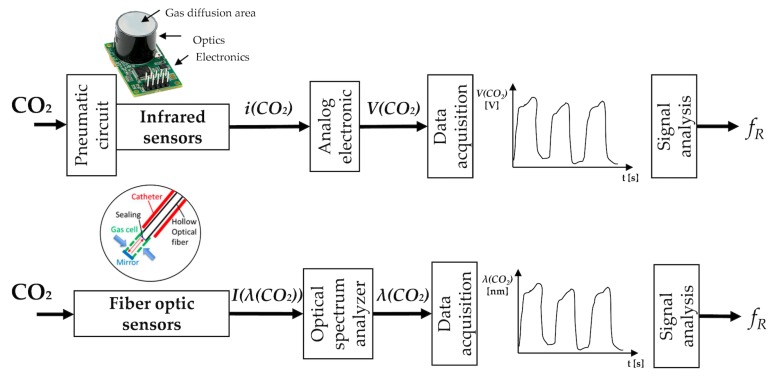
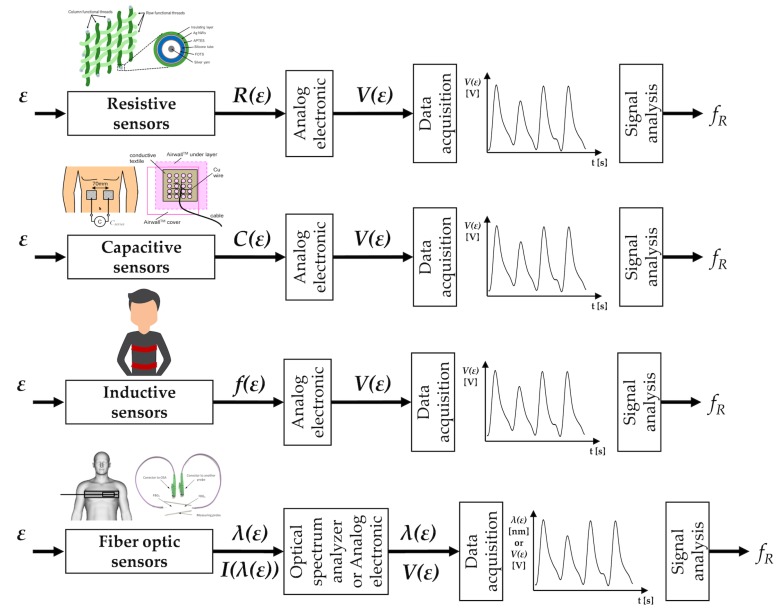
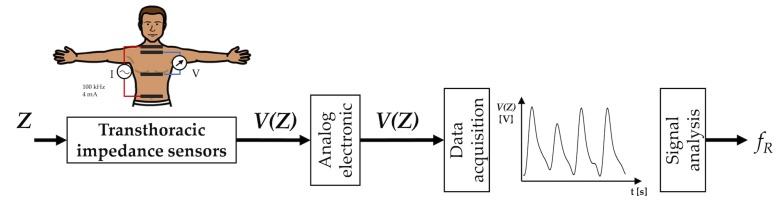
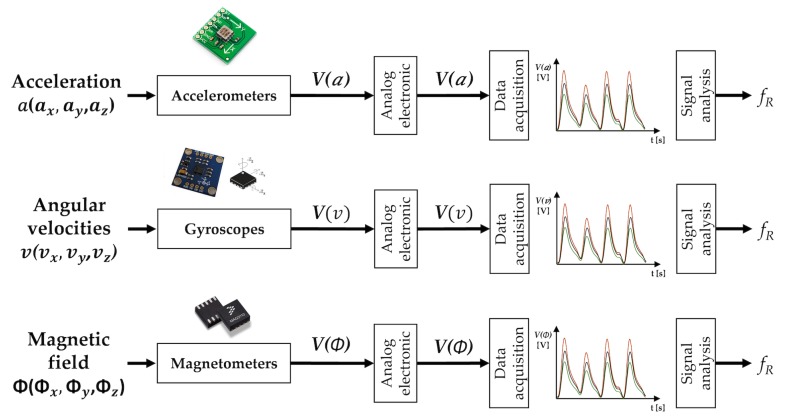
There is an ever-growing demand for measuring respiratory variables during a variety of applications, including monitoring in clinical and occupational settings, and during sporting activities and exercise. Special attention is devoted to the monitoring of respiratory rate because it is a vital sign, which responds to a variety of stressors. There are different methods for measuring respiratory rate, which can be classed as contact-based or contactless. The present paper provides an overview of the currently available contact-based methods for measuring respiratory rate. For these methods, the sensing element (or part of the instrument containing it) is attached to the subject's body. Methods based upon the recording of respiratory airflow, sounds, air temperature, air humidity, air components, chest wall movements, and modulation of the cardiac activity are presented. Working principles, metrological characteristics, and applications in the respiratory monitoring field are presented to explore potential development and applicability for each method.
在各种应用中,包括在临床和职业环境中以及在运动和锻炼期间,对测量呼吸变量的需求不断增长。特别关注呼吸频率的监测,因为它是一种生命体征,对各种应激源有反应。有不同的方法来测量呼吸频率,可以分为接触式或非接触式。本文概述了目前可用于测量呼吸频率的接触式方法。对于这些方法,感应元件(或包含感应元件的仪器的一部分)被附接到对象的身体上。介绍了基于记录呼吸气流、声音、空气温度、空气湿度、空气成分、胸壁运动以及心脏活动调制的方法。展示了工作原理、计量特性以及在呼吸监测领域的应用,以探索每种方法的潜在发展和适用性。