Al-Mousawi Alia Z, Gurney Sam P, Lorenzi Alice R, Pohl Ute, Dayan Margaret, Mollan Susan P
Birmingham Neuro-Ophthalmology, Queen Elizabeth Hospital, University Hospitals Birmingham, Birmingham, B15 2WB, UK.
The Department of Rheumatology, The Newcastle Upon Tyne Hospitals NHS Foundation Trust, Newcastle upon Tyne, NE7 7DN, UK.
Ophthalmol Ther. 2019 Jun;8(2):177-193. doi: 10.1007/s40123-019-0171-0. Epub 2019 Mar 1.
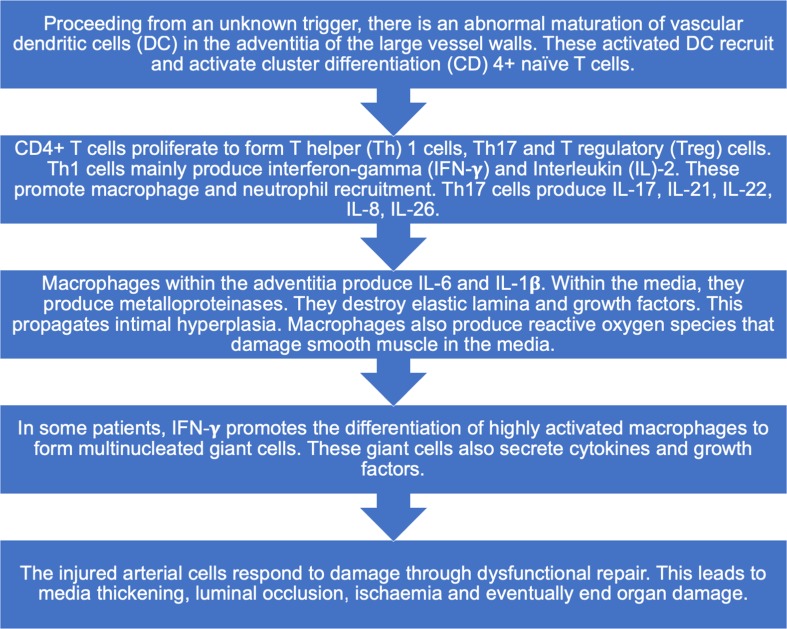
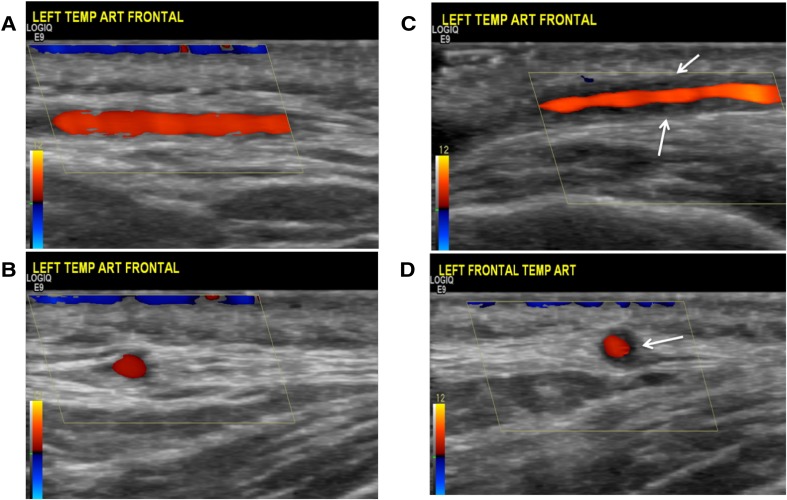
Improving understanding of the underlying pathophysiology of giant cell arteritis (GCA) is transforming clinical management by identifying novel avenues for targeted therapies. One key area of concern for both clinicians and patients with GCA is glucocorticoid (GC) morbidity. The first randomised controlled trials of targeted treatment to reduce cumulative GC use in GCA have been published, with tocilizumab, an interleukin (IL)-6 receptor inhibitor, now the first ever licensed treatment for GCA. Further potential therapies are emerging owing to our enhanced understanding of the pathophysiology of the disease. Other improvements in the care of our patients are rapid access pathways and imaging techniques, such as ultrasound, which are becoming part of modern rheumatology practice in the UK, Europe and beyond. These have been highlighted in the literature to reduce delay in diagnosis and improve long-term outcomes for those investigated for GCA.
对巨细胞动脉炎(GCA)潜在病理生理学理解的不断深入,正通过确定靶向治疗的新途径来改变临床管理。糖皮质激素(GC)相关的发病率是GCA临床医生和患者共同关注的一个关键领域。关于减少GCA累积GC使用量的靶向治疗的首批随机对照试验已经发表,白细胞介素(IL)-6受体抑制剂托珠单抗现已成为首个获得许可用于治疗GCA的药物。由于我们对该疾病病理生理学的进一步了解,更多潜在疗法正在涌现。对患者护理的其他改善包括快速就诊途径和成像技术,如超声,这些正在成为英国、欧洲及其他地区现代风湿病学实践的一部分。文献中强调,这些有助于减少诊断延迟,并改善GCA患者的长期预后。