Department of Biochemistry and Molecular Biology, Hainan Medical College, Haikou, 571199, China.
Biotechnology Major, Hainan Medical College, Haikou, 571199, China.
Biol Res. 2019 Mar 1;52(1):9. doi: 10.1186/s40659-019-0216-9.
Fava beans (FBs) have long been used as food, and their principal disadvantage is derived from their haemotoxicity. We hypothesized that FB ingestion alters the intestinal gene expression pattern, thereby inducing an immune response.
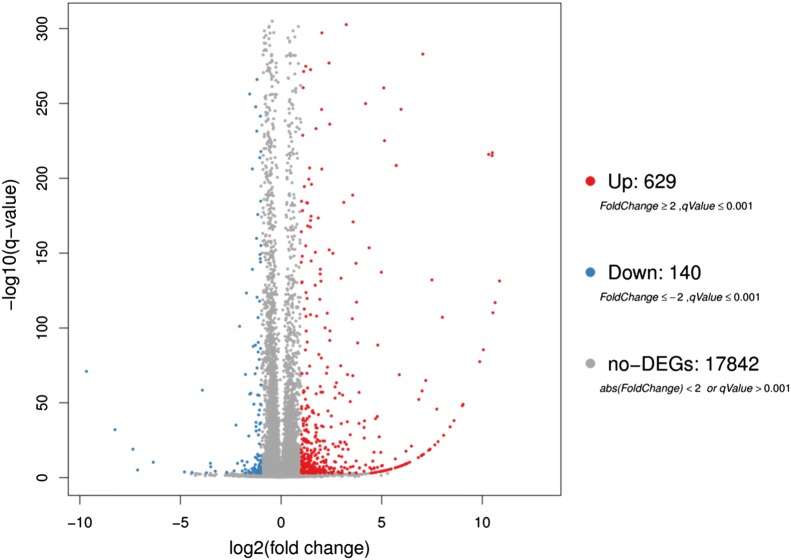
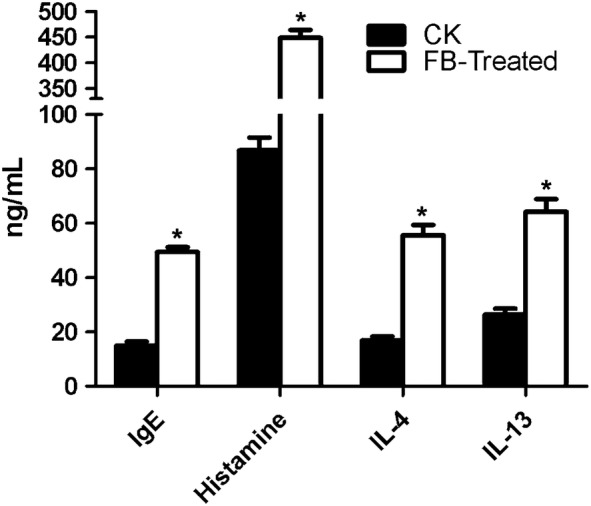
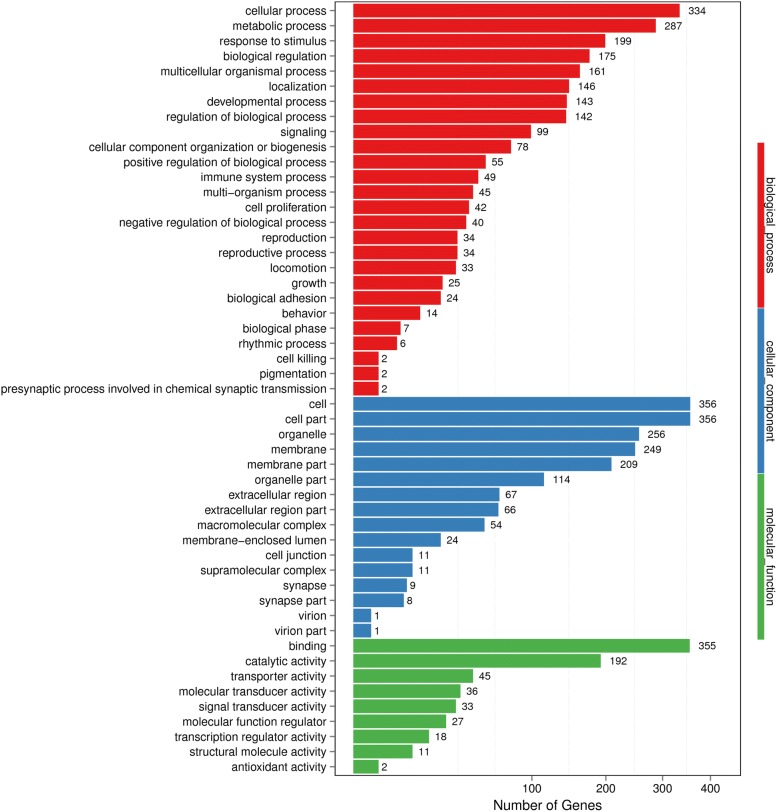
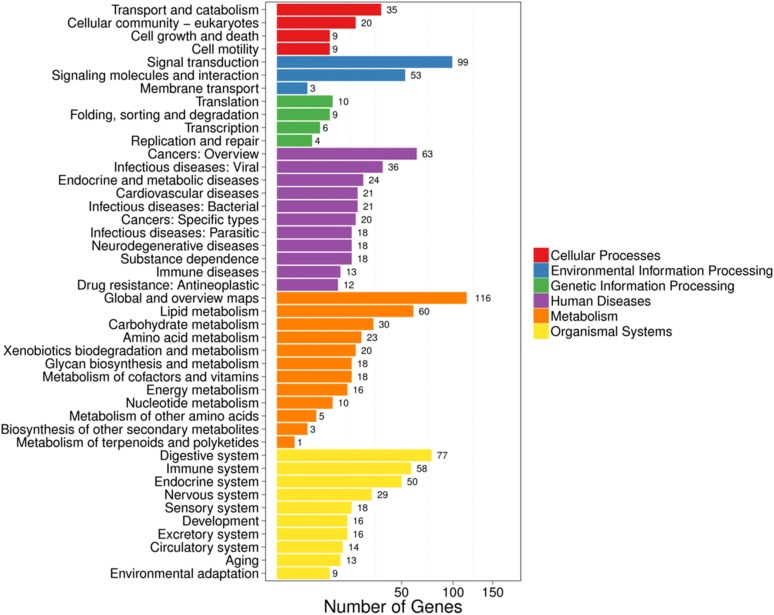
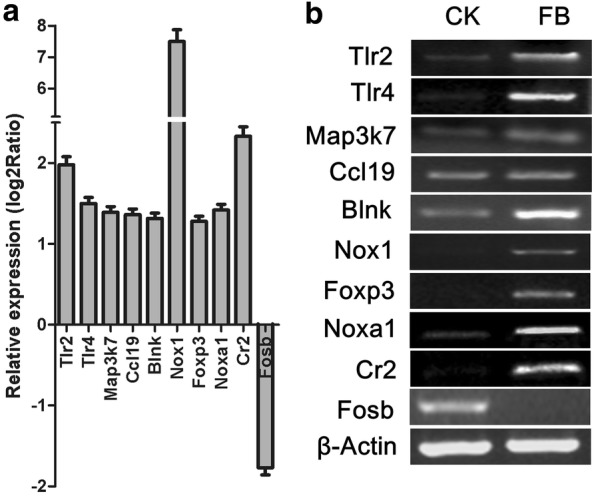
In-depth sequence analysis identified 769 differentially expressed genes (DEGs) associated with the intestine in FB-treated DBA/1 mouse intestines. The identified genes were shown to be associated with biological processes (such as response to stimulus and immune system processes), human disease pathways (such as infectious diseases, endocrine and metabolic diseases, and immune diseases), and organismal system pathways (such as the digestive system, endocrine system, environmental adaptation, and immune system). Moreover, plasma total immunoglobulin E (IgE), histamine, interleukin (IL)-4 and IL-13 levels were significantly increased when the mice were treated with FBs.
These results demonstrated that FBs affect the intestinal immune response and IgE and cytokine secretion in DBA/1 mice.
菜豆(FBs)长期以来一直被用作食物,其主要缺点来自其血液毒性。我们假设 FB 的摄入会改变肠道的基因表达模式,从而诱导免疫反应。
对深度测序进行分析,确定了 769 个与 FB 处理的 DBA/1 小鼠肠道相关的差异表达基因(DEGs)。鉴定出的基因与生物过程(如对刺激的反应和免疫系统过程)、人类疾病途径(如传染病、内分泌和代谢疾病以及免疫疾病)以及机体系统途径(如消化系统、内分泌系统、环境适应和免疫系统)有关。此外,当用 FBs 处理小鼠时,血浆总免疫球蛋白 E(IgE)、组氨酸、白细胞介素(IL)-4 和 IL-13 水平显著升高。
这些结果表明 FBs 影响 DBA/1 小鼠的肠道免疫反应和 IgE 及细胞因子分泌。