Olszewska Ewa, Woodson B Tucker
Sleep Apnea Surgery Centre Department of Otolaryngology, Medical University of Bialystok Bialystok Poland.
Division of Sleep Medicine and Surgery Department of Otolaryngology Medical College Wisconsin Milwaukee Wisconsin U.S.A.
Laryngoscope Investig Otolaryngol. 2019 Jan 10;4(1):181-187. doi: 10.1002/lio2.238. eCollection 2019 Feb.
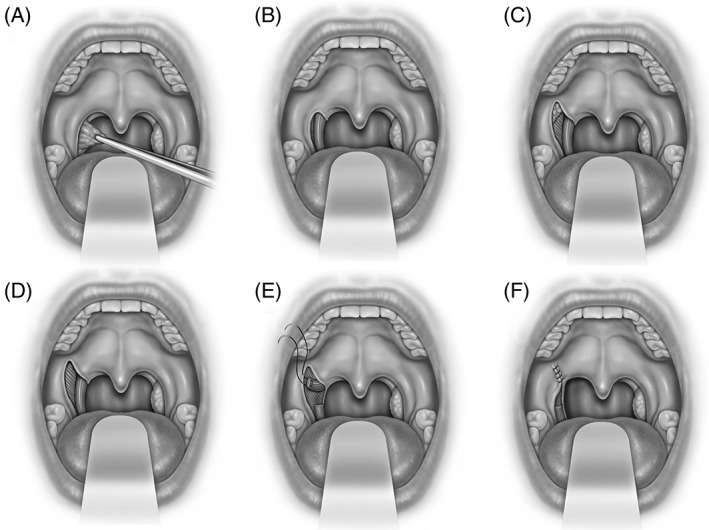
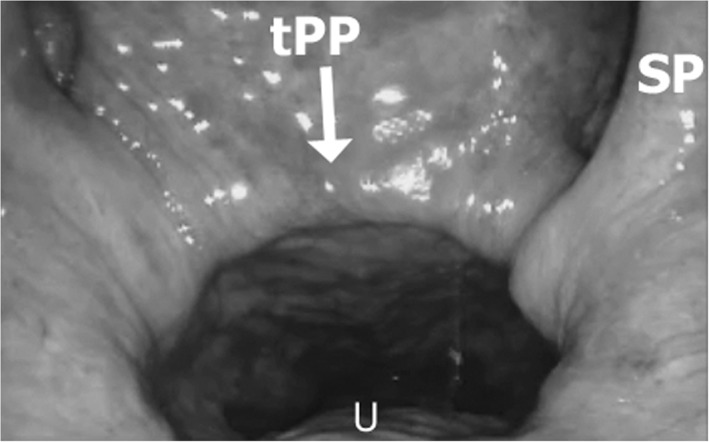
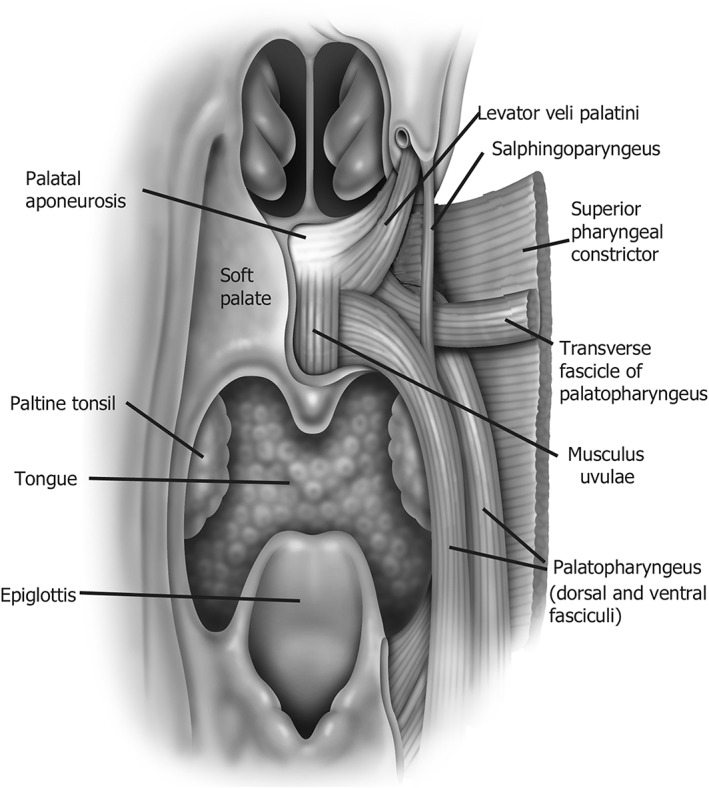
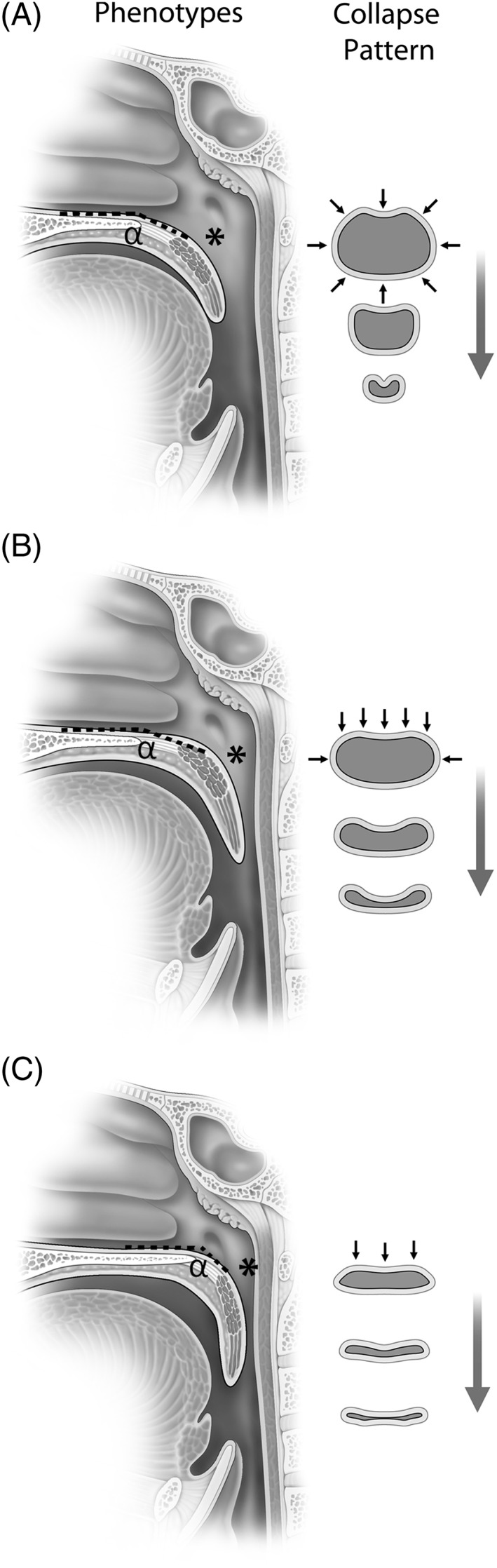
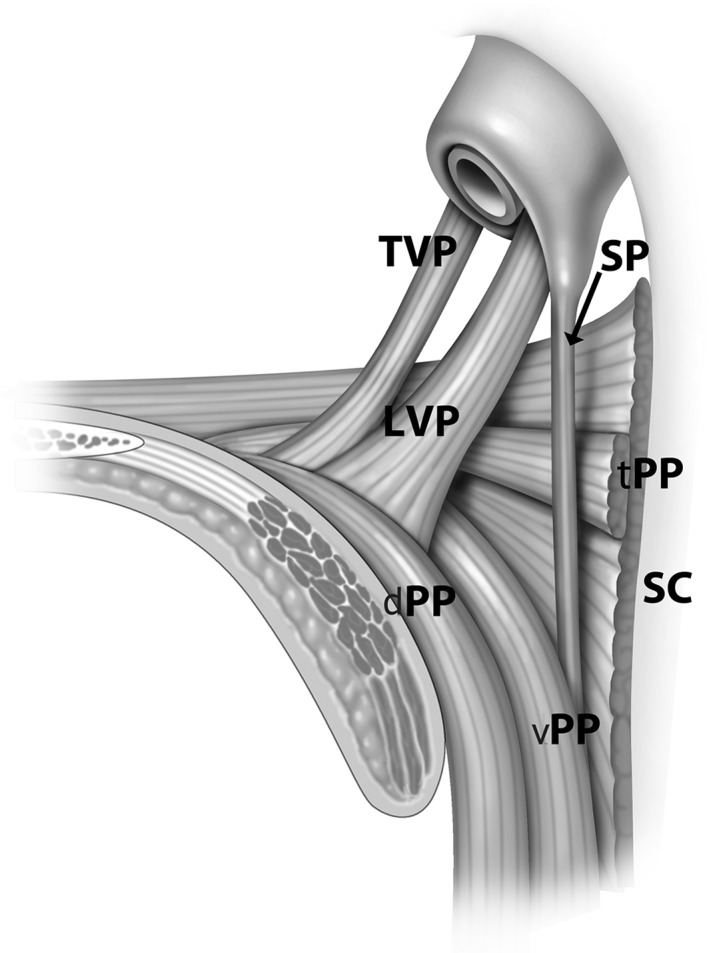
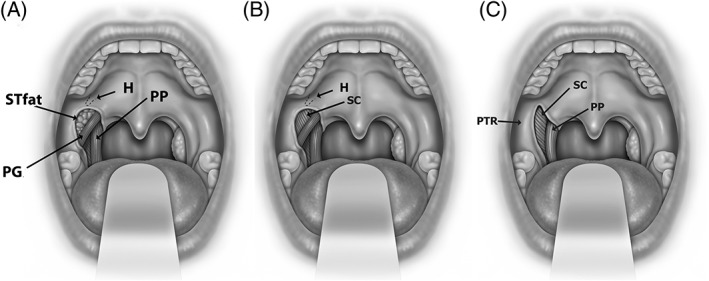
The goal of this review is to advance the understanding of the muscular and soft tissue palatal anatomy as it relates to palatal surgery for sleep apnea and the phenotypic variations that generate the shape and collapsibility of the retropalatal airway. Anatomically, the soft palate has both a proximal and distal segments separated by the palatal genu. The proximal palatal segment has a variable angle from the hard palate (ie, alpha angle) determined by the position and length of the levator veli palatini muscle. The palatopharyngeus muscle (PP) is a major defining element of the palate and lateral pharyngeal wall and forms the medial wall of the lateral palatal space. It is composed of two divisions: the longitudinal palatopharyngeus fasciculi which acts to elevate the pharynx and depress the soft palate and the transverse palatopharyngeus fascicle (Passavant's ridge) which function is a nasopharyngeal sphincter. The lateral palatal space incorporates the supra-tonsilar fat, and is bounded by muscles that determine the structure of the palate and associated lateral pharyngeal walls. Understanding of palatal muscles and pharyngeal airway phenotypes provides insight into the steps and mechanisms of pharyngoplasty procedures.
N/A.
本综述的目的是增进对腭部肌肉和软组织解剖结构的理解,因为它与用于治疗睡眠呼吸暂停的腭部手术以及产生腭后气道形状和可塌陷性的表型变异有关。从解剖学角度来看,软腭有近端和远端节段,由腭膝分隔。近端腭段与硬腭有可变角度(即α角),该角度由腭帆提肌的位置和长度决定。腭咽肌(PP)是腭部和咽侧壁的主要决定性元素,构成腭外侧间隙的内侧壁。它由两个部分组成:纵向腭咽肌束,其作用是提升咽部并压低软腭;横向腭咽肌束(帕萨万特嵴),其功能是作为鼻咽括约肌。腭外侧间隙包含扁桃体上脂肪,并由决定腭部结构和相关咽侧壁的肌肉界定。了解腭部肌肉和咽气道表型有助于深入了解咽成形术的步骤和机制。
无。