Key Laboratory of Experimental Marine Biology, Institute of Oceanology, Chinese Academy of Sciences, 7 Nanhai Road, Qingdao, 266071, China.
Center for Ocean Mega-Science, Chinese Academy of Sciences, 7 Nanhai Road, Qingdao, 266071, China.
Sci Rep. 2019 Mar 4;9(1):3361. doi: 10.1038/s41598-019-40109-4.
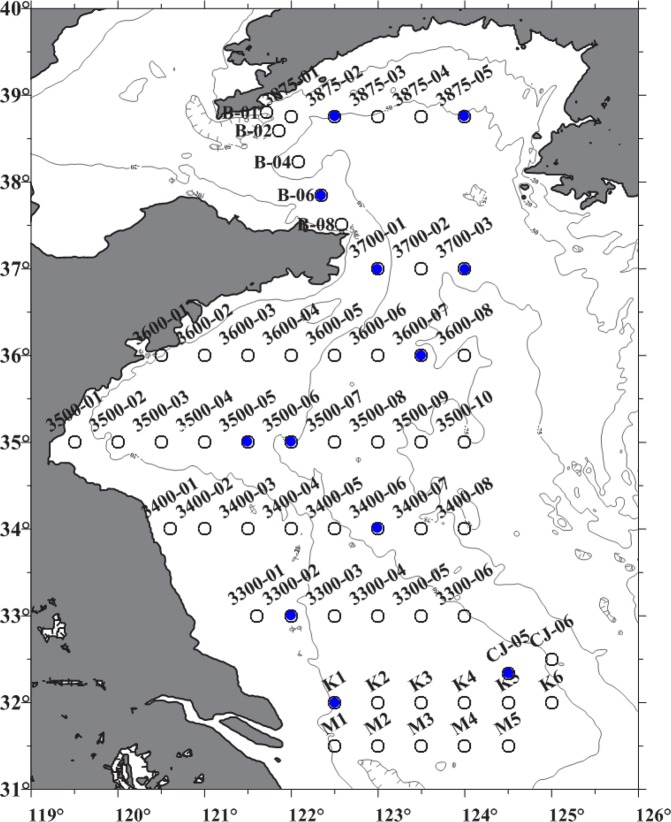
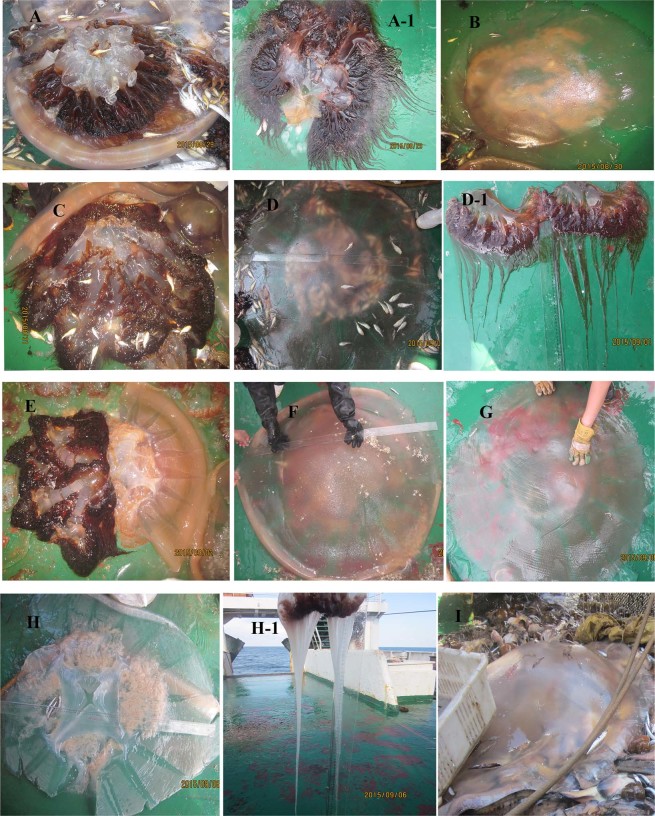
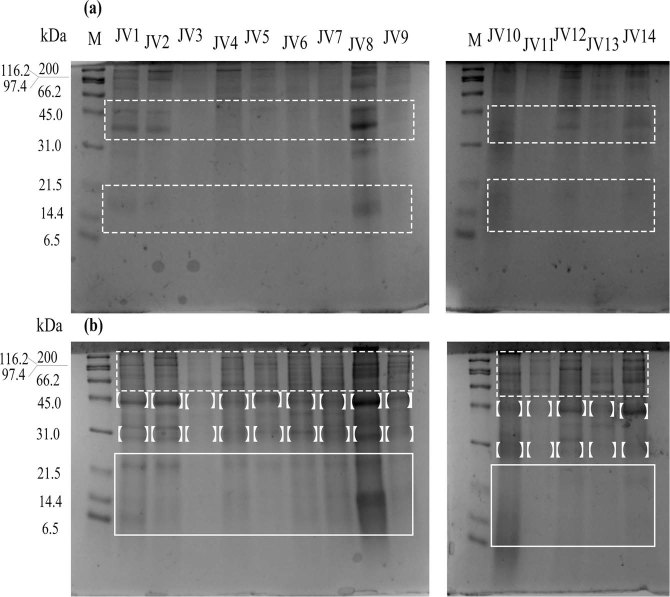
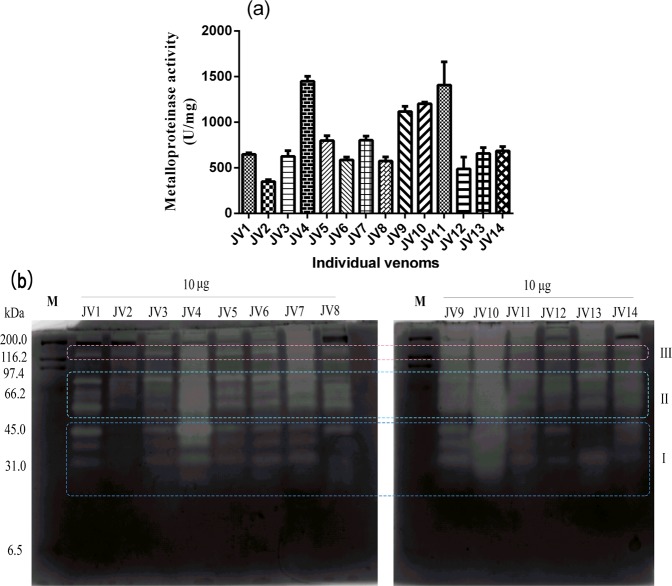
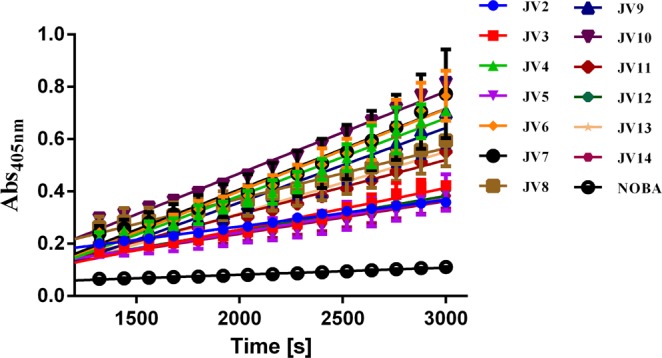
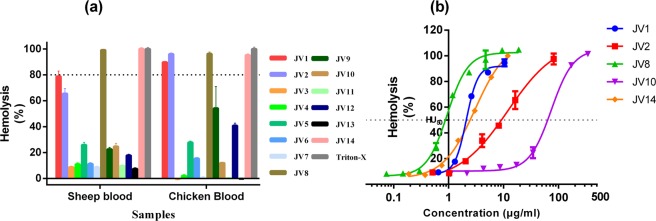
The giant jellyfish, Nemopilema nomurai, is widely distributed from the Eastern China Sea to the northern part of the Yellow Sea and has resulted in numerous hospitalizations in coastal areas of China, especially in Northern China. Our previous studies have revealed sting-related proteins in the venom of the jellyfish N. nomurai by using experimental and omics-based approaches; however, the variable symptoms of patients who have been stung by N. nomurai are not fully understood. This limited knowledge led to an examination of whether intraspecific variations occur in the venom of different N. nomurai. In the present study, 13 specimens of N. nomurai were collected from the Yellow Sea, and their venom was characterized by profiling differences in biochemical properties and biological activities. SDS-PAGE analysis presented recognizable differences in the number, intensity and presence of some protein bands. Moreover, enzymatic assays revealed considerable quantitative variations in metalloproteinase activity and PLA-like activity. In particular, zymography assays of proteases demonstrated the general presence of abundant metalloproteinases in jellyfish nematocyst venom; however, the catalytic activities varied greatly among some specific metalloproteinases in the 28-46 kDa or 57-83 kDa range. Hemolytic assays using sheep erythrocytes suggested a predominant variance in the toxicities of different individual jellyfish venoms, with the difference between the most hemolytic and the least hemolytic venom as large as 77-fold. The current data suggested remarkable variations in the nematocyst venoms of individual N. nomurai jellyfish. These observations will provide a new understanding of the clinical manifestations induced by N. nomurai jellyfish stings and will therefore have important implications for preventing and treating jellyfish envenomations.
中华哲水蚤,Nemopilema nomurai,广泛分布于东海至黄海北部,并导致中国沿海地区,尤其是中国北方的大量住院治疗。我们之前的研究通过实验和基于组学的方法揭示了水母 N. nomurai 毒液中的蜇伤相关蛋白;然而,被 N. nomurai 蜇伤的患者的症状变化尚不完全清楚。这种知识的局限性导致我们检查不同 N. nomurai 毒液中是否存在种内变异。在本研究中,从黄海采集了 13 个中华哲水蚤标本,并通过生化特性和生物活性差异的分析来描述其毒液的特征。SDS-PAGE 分析显示出在蛋白质带的数量、强度和存在方面存在明显差异。此外,酶活性测定显示金属蛋白酶活性和 PLA 样活性存在相当大的定量变化。特别是蛋白酶的胶电泳分析表明,在水母刺丝囊毒液中普遍存在丰富的金属蛋白酶;然而,在 28-46 kDa 或 57-83 kDa 范围内的某些特定金属蛋白酶中,催化活性差异很大。使用绵羊红细胞进行的溶血试验表明,不同个体水母毒液的毒性存在主要差异,最溶血和最不溶血毒液之间的差异高达 77 倍。目前的数据表明,个别中华哲水蚤刺丝囊毒液存在显著的变异。这些观察结果将为 N. nomurai 水母蜇伤引起的临床表现提供新的认识,因此对预防和治疗水母蜇伤具有重要意义。