Tromp Jasper, van der Meer Peter
Department of Cardiology, AB31, University Medical Centre Groningen, University Medical Center Groningen, University of Groningen, Hanzeplein 1,Groningen, The Netherlands.
National Heart Centre Singapore, National Heart Research Institute, 5 Hospital Dr, Singapore, Singapore.
Eur Heart J Suppl. 2019 Feb;21(Suppl A):A6-A11. doi: 10.1093/eurheartj/suy028. Epub 2019 Feb 26.
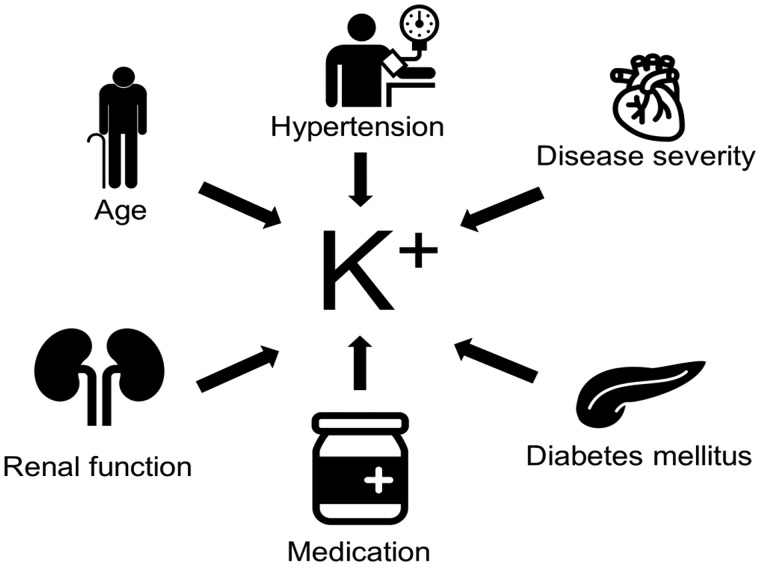
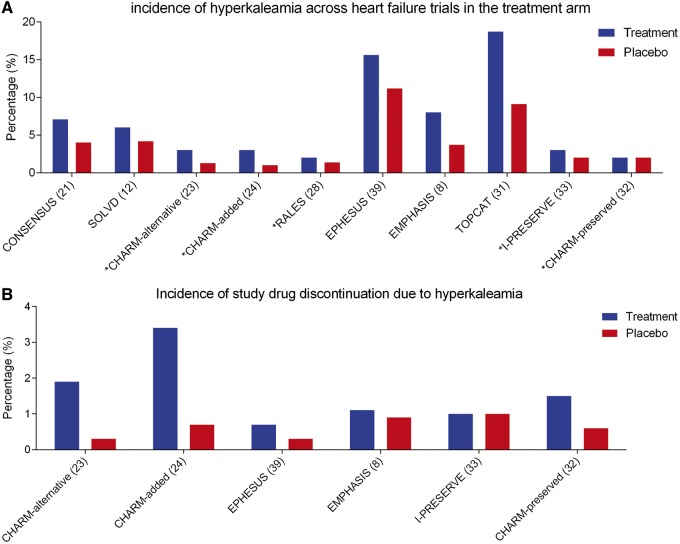
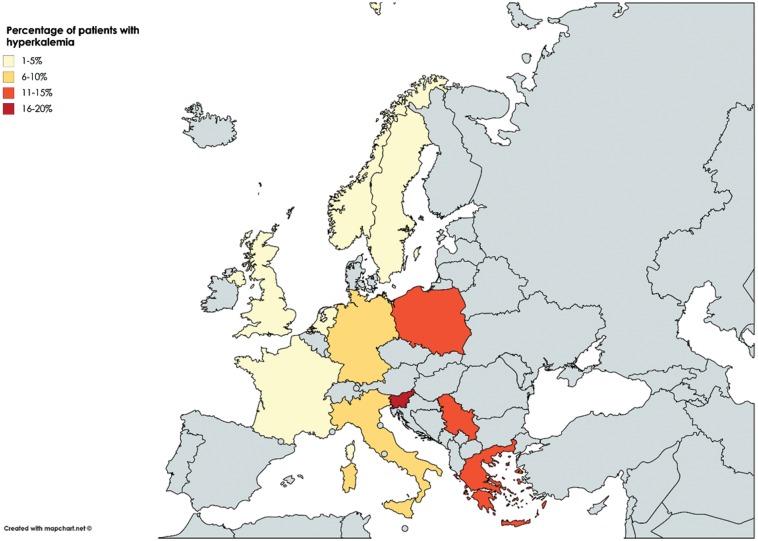
Disturbances in the potassium homeostasis are common among patients with heart failure (HF) and negatively affect clinical outcome. Patients with HF have a higher prevalence of common risk factors related to hyperkalaemia, including diabetes mellitus, hypertension, and chronic kidney disease. Furthermore, the use of renin-angiotensin-aldosterone system (RAAS) inhibitors, is an important risk factor for developing hyperkalaemia. The association between hyperkalaemia and mortality is not unequivocal, depends on the study type (trial vs. real-world setting) and is often confounded. More importantly, hyperkalaemia is an important cause of discontinuation or failure to uptitrate to guideline recommended dosages of RAAS inhibitors, which in turn may negatively impact clinical outcomes. The goal of this review is to discuss the epidemiology, aetiology, and clinical consequences of potassium disturbances in HF.
钾稳态紊乱在心力衰竭(HF)患者中很常见,并对临床结局产生负面影响。HF患者中与高钾血症相关的常见危险因素患病率较高,包括糖尿病、高血压和慢性肾脏病。此外,使用肾素-血管紧张素-醛固酮系统(RAAS)抑制剂是发生高钾血症的重要危险因素。高钾血症与死亡率之间的关联并不明确,取决于研究类型(试验与真实世界环境),且常被混淆。更重要的是,高钾血症是停用RAAS抑制剂或未能将其剂量滴定至指南推荐剂量的重要原因,而这反过来可能对临床结局产生负面影响。本综述的目的是讨论HF中钾紊乱的流行病学、病因学和临床后果。