Kang Rujun, Wang Liang, Sanders Shaun S, Zuo Kurt, Hayden Michael R, Raymond Lynn A
Department of Psychiatry, Brain Research Centre and Djavad Mowafaghian Centre for Brain Health, The University of British Columbia, Vancouver, BC, Canada.
Department of Medical Genetics, Centre for Molecular Medicine and Therapeutics, Child and Family Research Institute, The University of British Columbia, Vancouver, BC, Canada.
Front Synaptic Neurosci. 2019 Feb 21;11:3. doi: 10.3389/fnsyn.2019.00003. eCollection 2019.
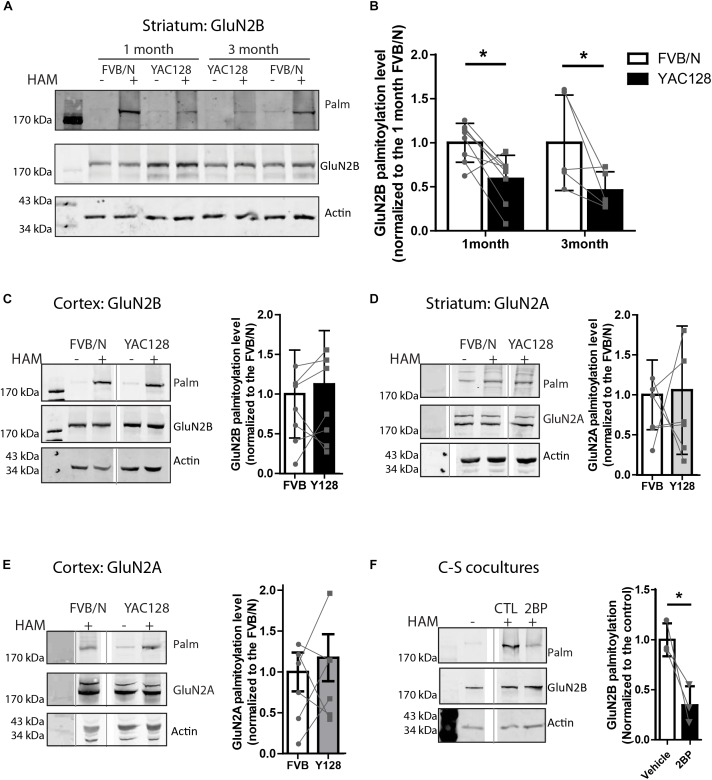
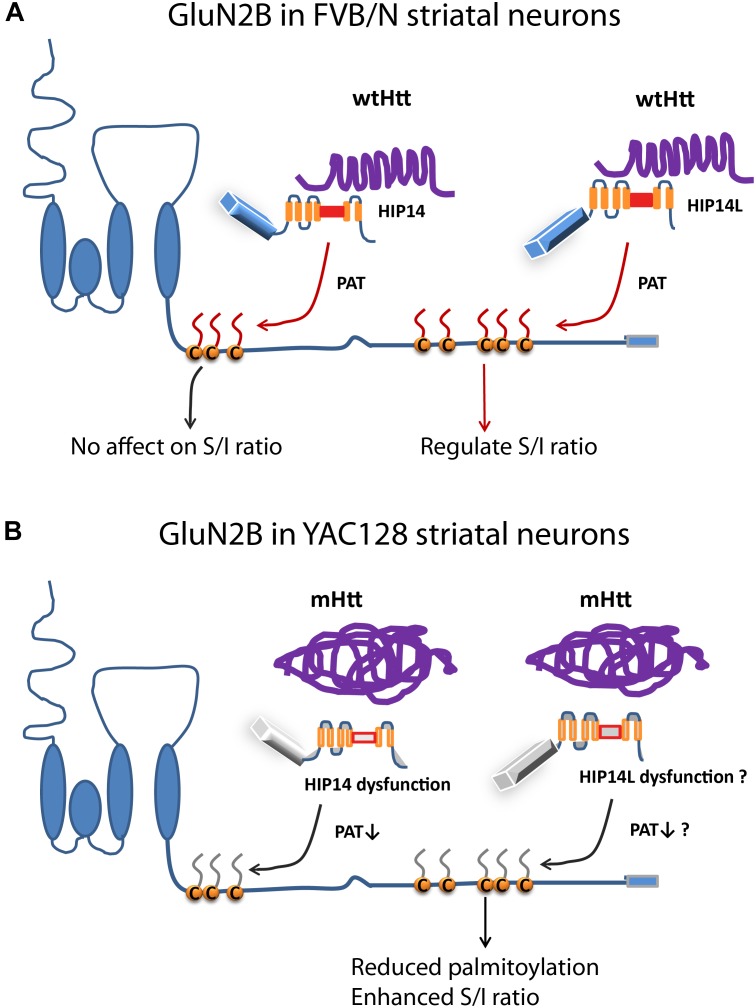
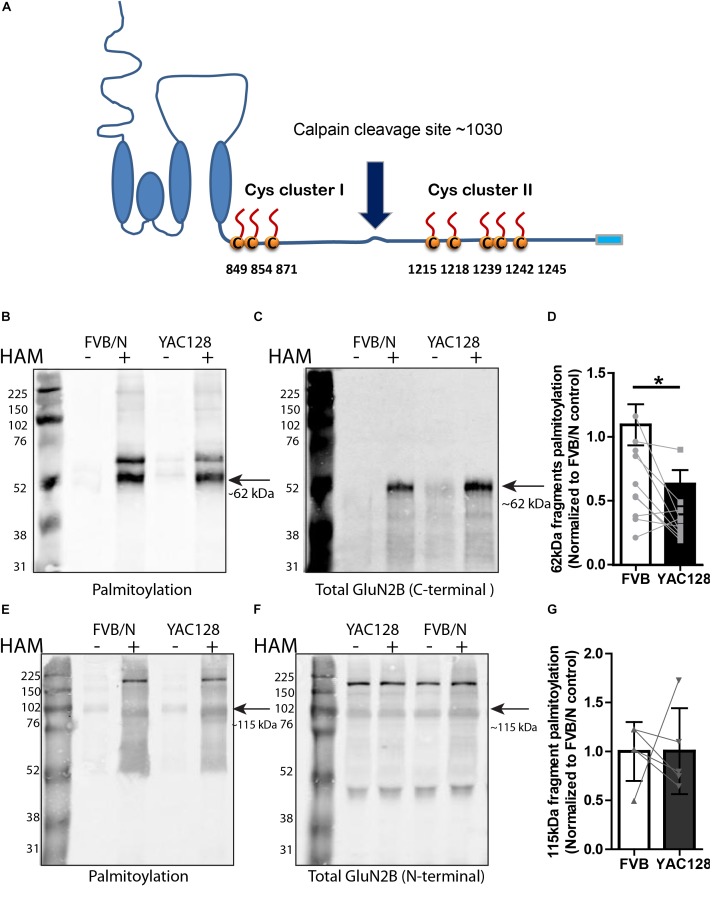
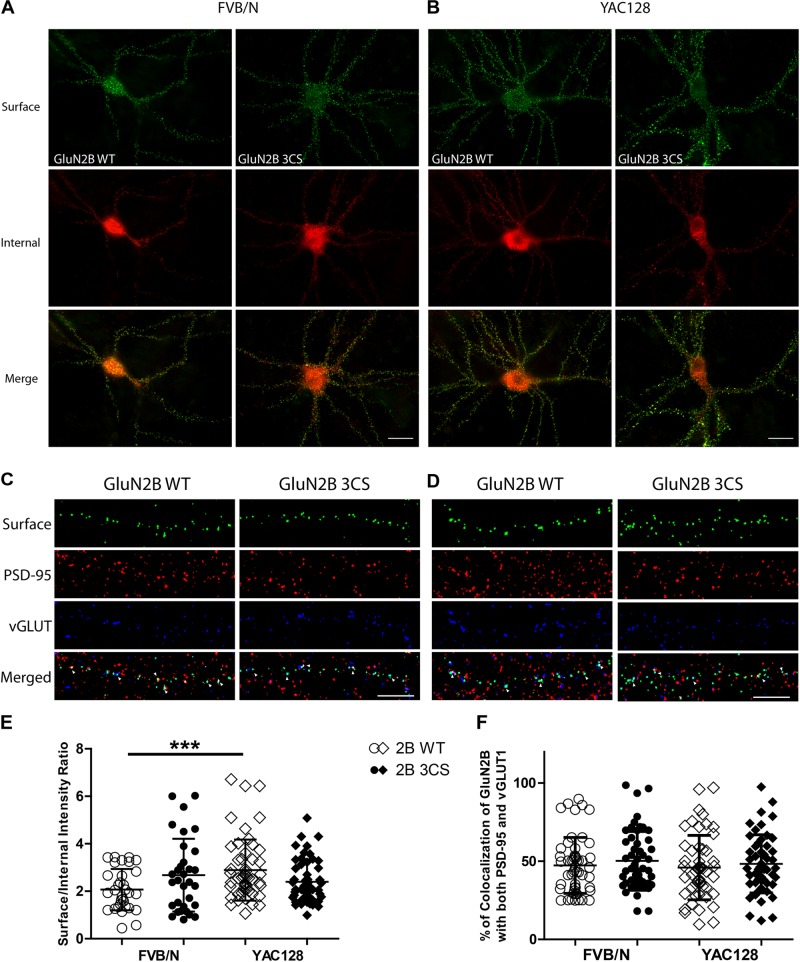
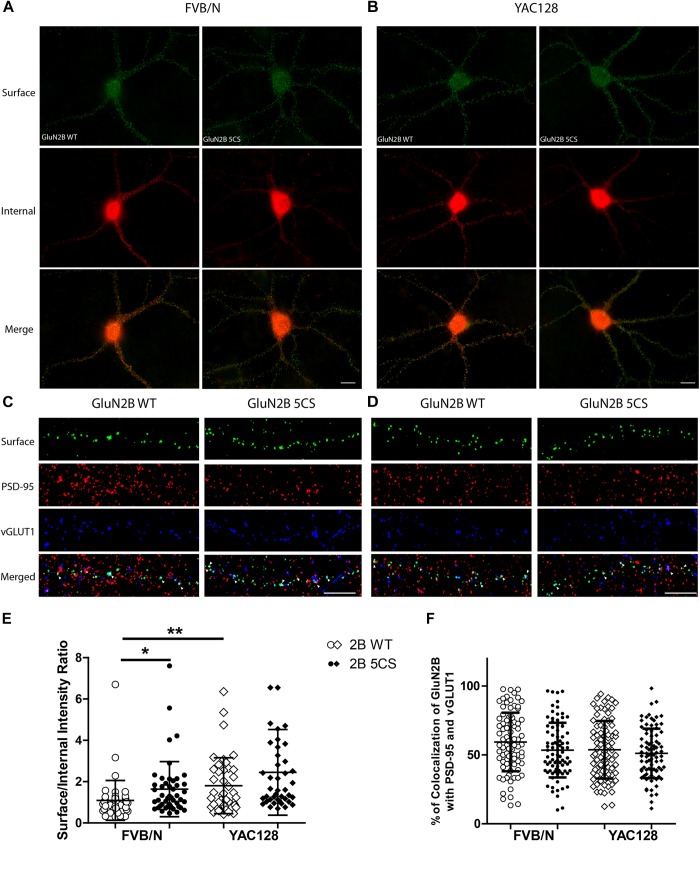
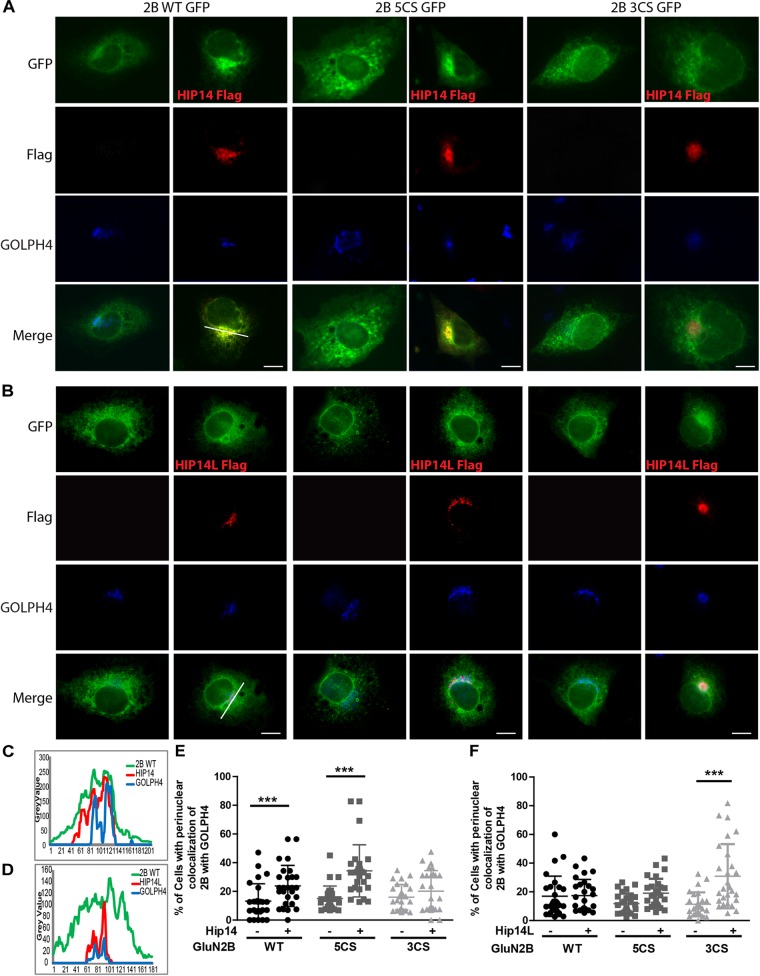
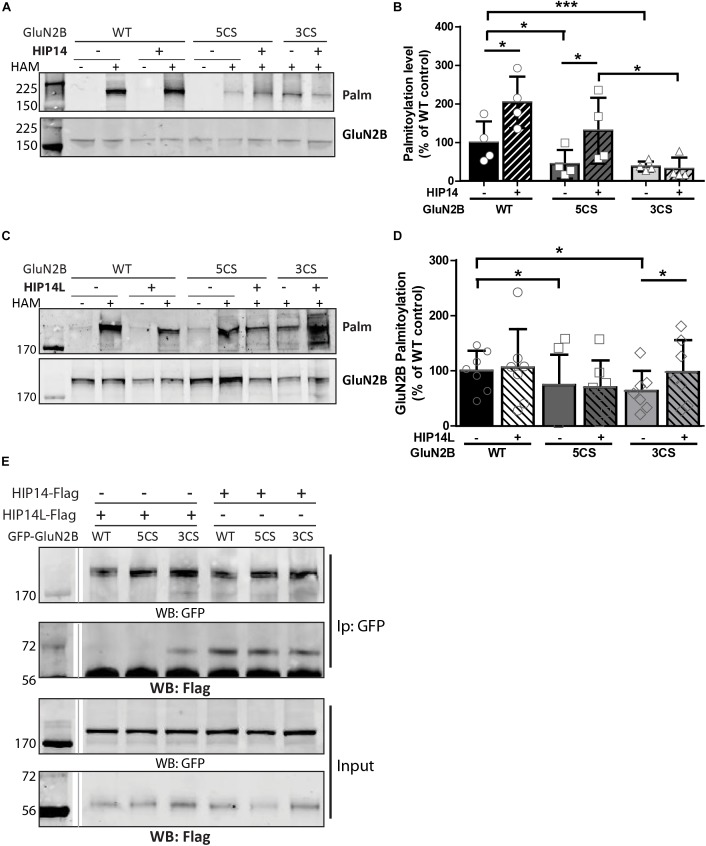
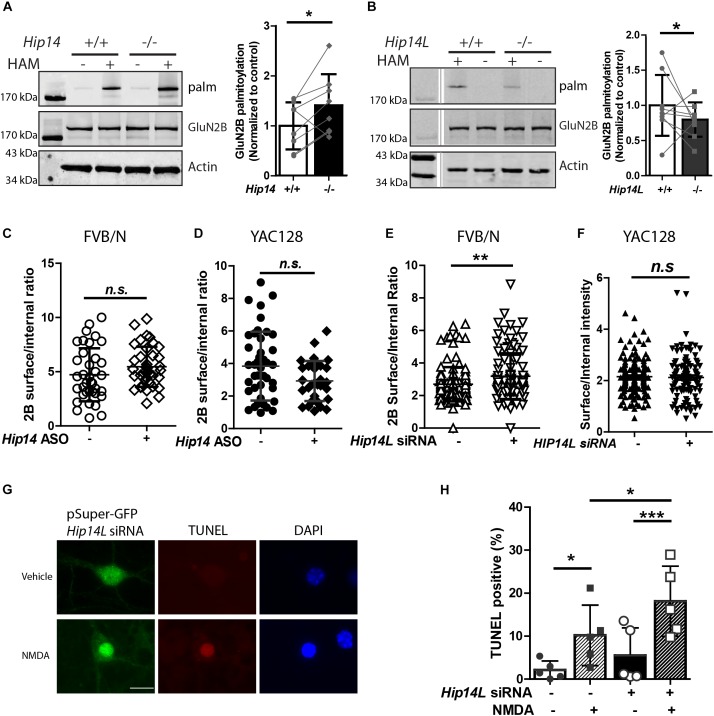
-methyl-D-aspartate receptors (NMDARs) play a critical role in synaptic signaling, and alterations in the synaptic/extrasynaptic NMDAR balance affect neuronal survival. Studies have shown enhanced extrasynaptic GluN2B-type NMDAR (2B-NMDAR) activity in striatal neurons in the YAC128 mouse model of Huntington disease (HD), resulting in increased cell death pathway activation contributing to striatal vulnerability to degeneration. However, the mechanism(s) of altered GluN2B trafficking remains unclear. Previous work shows that GluN2B palmitoylation on two C-terminal cysteine clusters regulates 2B-NMDAR trafficking to the surface membrane and synapses in cortical neurons. Notably, two palmitoyl acyltransferases (PATs), zDHHC17 and zDHHC13, also called huntingtin-interacting protein 14 (HIP14) and HIP14-like (HIP14L), directly interact with the huntingtin protein (Htt), and mutant Htt disrupts this interaction. Here, we investigated whether GluN2B palmitoylation is involved in enhanced extrasynaptic surface expression of 2B-NMDARs in YAC128 striatal neurons and whether this process is regulated by HIP14 or HIP14L. We found reduced GluN2B palmitoylation in YAC128 striatum, specifically on cysteine cluster II. Consistent with that finding, the palmitoylation-deficient GluN2B Cysteine cluster II mutant exhibited enhanced, extrasynaptic surface expression in striatal neurons from wild-type mice, mimicking increased extrasynaptic 2B-NMDAR observed in YAC128 cultures. We also found that HIP14L palmitoylated GluN2B cysteine cluster II. Moreover, GluN2B palmitoylation levels were reduced in striatal tissue from HIP14L-deficient mice, and siRNA-mediated HIP14L knockdown in cultured neurons enhanced striatal neuronal GluN2B surface expression and susceptibility to NMDA toxicity. Thus, altered regulation of GluN2B palmitoylation levels by the huntingtin-associated PAT HIP14L may contribute to the cell death-signaling pathways underlying HD.
N-甲基-D-天冬氨酸受体(NMDARs)在突触信号传导中起关键作用,突触/突触外NMDAR平衡的改变会影响神经元存活。研究表明,在亨廷顿舞蹈病(HD)的YAC128小鼠模型中,纹状体神经元的突触外GluN2B型NMDAR(2B-NMDAR)活性增强,导致细胞死亡途径激活增加,促使纹状体易发生变性。然而,GluN2B转运改变的机制仍不清楚。先前的研究表明,两个C末端半胱氨酸簇上的GluN2B棕榈酰化调节2B-NMDAR向表面膜和皮质神经元突触的转运。值得注意的是,两种棕榈酰酰基转移酶(PATs),zDHHC17和zDHHC13,也称为亨廷顿相互作用蛋白14(HIP14)和类HIP14(HIP14L),直接与亨廷顿蛋白(Htt)相互作用,而突变型Htt会破坏这种相互作用。在这里,我们研究了GluN2B棕榈酰化是否参与YAC128纹状体神经元中2B-NMDAR突触外表面表达的增强,以及这一过程是否受HIP14或HIP14L调节。我们发现YAC128纹状体中GluN2B棕榈酰化减少,特别是在半胱氨酸簇II上。与这一发现一致,棕榈酰化缺陷型GluN2B半胱氨酸簇II突变体在野生型小鼠的纹状体神经元中表现出增强的突触外表面表达,类似于在YAC128培养物中观察到的突触外2B-NMDAR增加。我们还发现HIP14L使GluN2B半胱氨酸簇II棕榈酰化。此外,HIP14L缺陷小鼠纹状体组织中的GluN2B棕榈酰化水平降低,并且在培养的神经元中通过siRNA介导的HIP14L敲低增强了纹状体神经元GluN2B的表面表达和对NMDA毒性的易感性。因此,亨廷顿相关的PAT HIP14L对GluN2B棕榈酰化水平的调节改变可能导致HD潜在的细胞死亡信号通路。