Department of Medical Laboratory Sciences, Faculty of Allied Health Sciences, Health Sciences Center, Kuwait University, Jabriya, Kuwait.
Department of Genetics and Bioinformatics, Dasman Diabetes Institute (DDI), Dasman, Kuwait.
Sci Rep. 2019 Mar 11;9(1):4141. doi: 10.1038/s41598-019-40761-w.
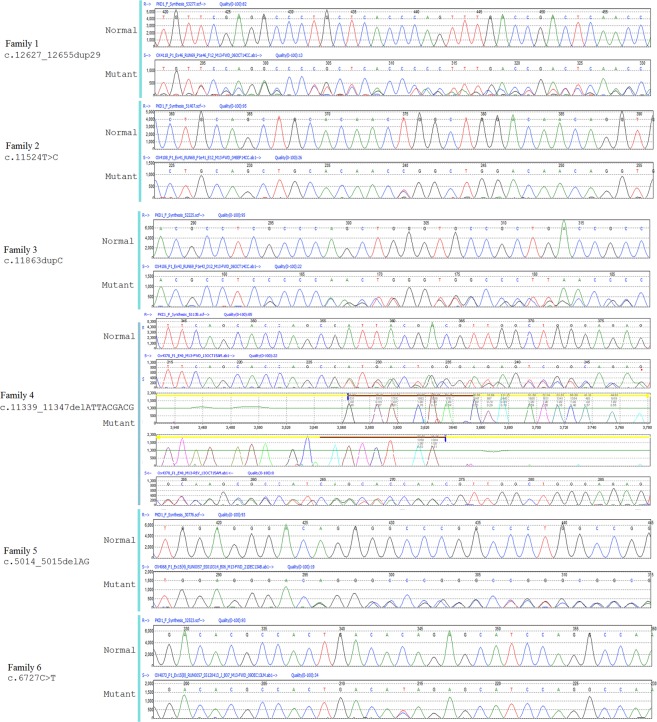
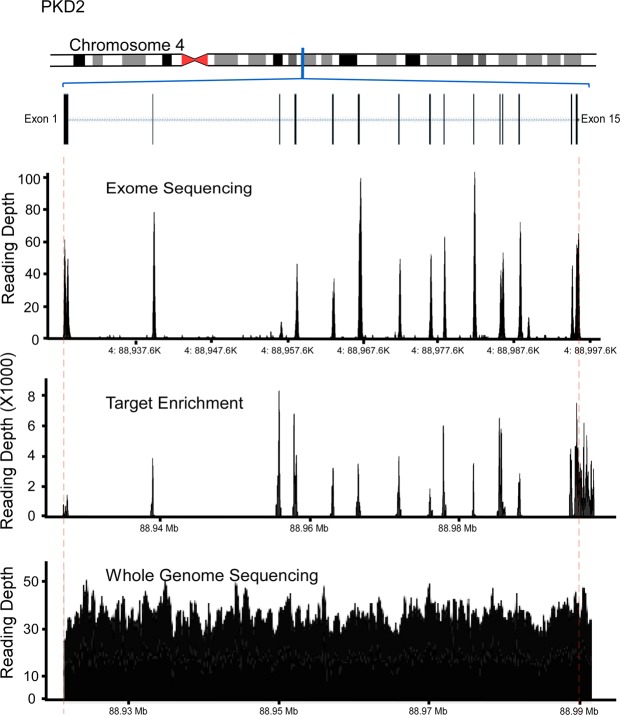
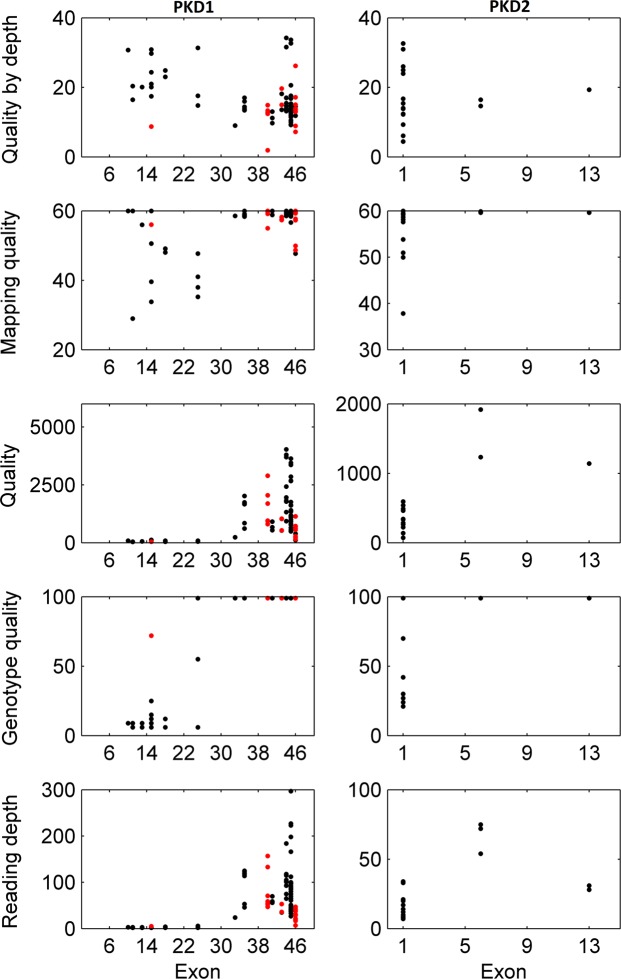
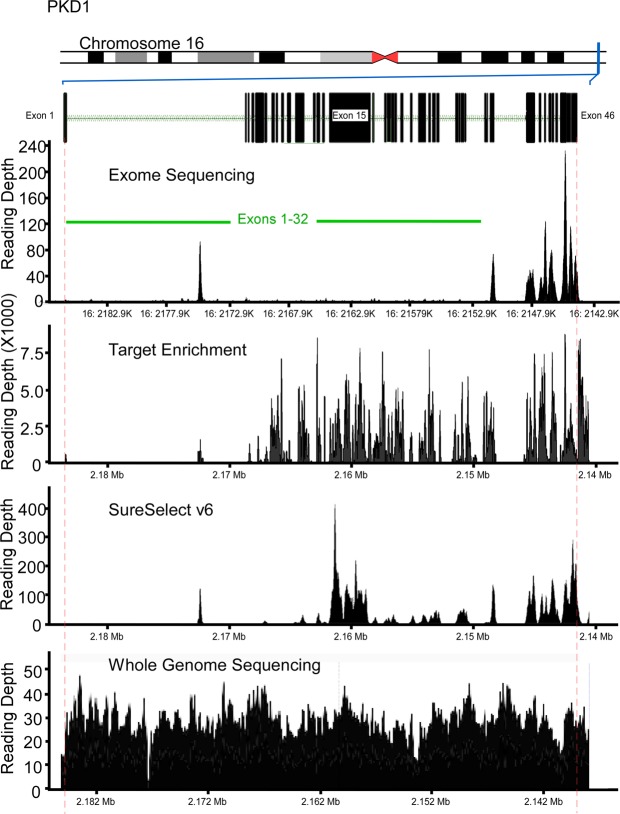
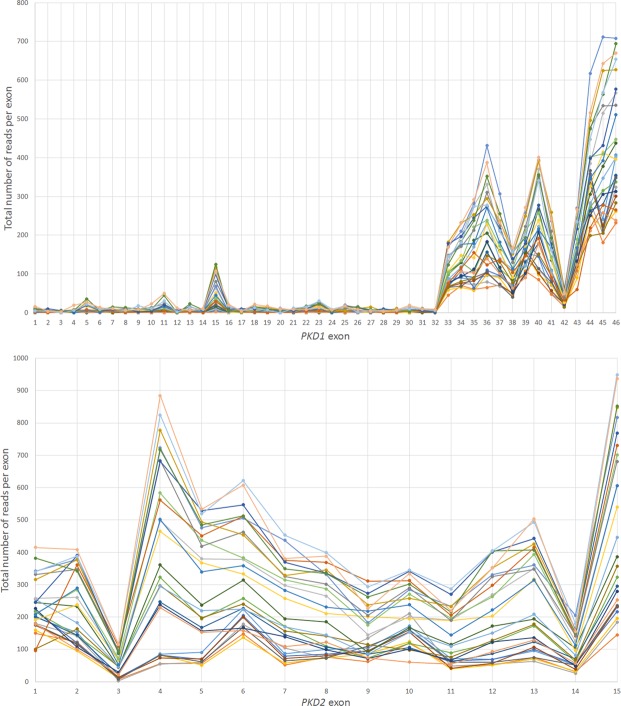
Autosomal dominant polycystic kidney disease (ADPKD) is an inherited monogenic renal disease characterised by the accumulation of clusters of fluid-filled cysts in the kidneys and is caused by mutations in PKD1 or PKD2 genes. ADPKD genetic diagnosis is complicated by PKD1 pseudogenes located proximal to the original gene with a high degree of homology. The next generation sequencing (NGS) technology including whole exome sequencing (WES) and whole genome sequencing (WGS), is becoming more affordable and its use in the detection of ADPKD mutations for diagnostic and research purposes more widespread. However, how well does NGS technology compare with the Gold standard (Sanger sequencing) in the detection of ADPKD mutations? Is a question that remains to be answered. We have evaluated the efficacy of WES, WGS and targeted enrichment methodologies in detecting ADPKD mutations in the PKD1 and PKD2 genes in patients who were clinically evaluated by ultrasonography and renal function tests. Our results showed that WES detected PKD1 mutations in ADPKD patients with 50% sensitivity, as the reading depth and sequencing quality were low in the duplicated regions of PKD1 (exons 1-32) compared with those of WGS and target enrichment arrays. Our investigation highlights major limitations of WES in ADPKD genetic diagnosis. Enhancing reading depth, quality and sensitivity of WES in the PKD1 duplicated regions (exons 1-32) is crucial for its potential diagnostic or research applications.
常染色体显性多囊肾病(ADPKD)是一种遗传性单基因肾脏疾病,其特征是肾脏中充满液体的囊肿簇的积累,由 PKD1 或 PKD2 基因突变引起。ADPKD 基因诊断很复杂,因为 PKD1 假基因位于原始基因附近,具有高度同源性。包括外显子组测序(WES)和全基因组测序(WGS)在内的下一代测序(NGS)技术变得更加实惠,其在检测 ADPKD 突变以用于诊断和研究目的方面的应用也更加广泛。然而,NGS 技术在检测 ADPKD 突变方面与金标准(Sanger 测序)相比如何?这是一个有待回答的问题。我们评估了 WES、WGS 和靶向富集方法在检测经超声和肾功能检查临床评估的患者的 PKD1 和 PKD2 基因中的 ADPKD 突变中的功效。我们的结果表明,WES 在 ADPKD 患者中检测到 PKD1 突变的灵敏度为 50%,因为与 WGS 和靶向富集阵列相比,PKD1(外显子 1-32)的重复区域中的读深度和测序质量较低。我们的研究强调了 WES 在 ADPKD 遗传诊断中的主要局限性。提高 WES 在 PKD1 重复区域(外显子 1-32)中的读深度、质量和灵敏度对于其潜在的诊断或研究应用至关重要。