The Shraga Segal Department of Microbiology, Immunology and Genetics, Faculty of Health Sciences, Ben-Gurion University of the Negev, Beer-Sheva, Israel.
NasVax Ltd., Ness Ziona, Israel.
Sci Rep. 2019 Mar 12;9(1):4295. doi: 10.1038/s41598-019-40779-0.
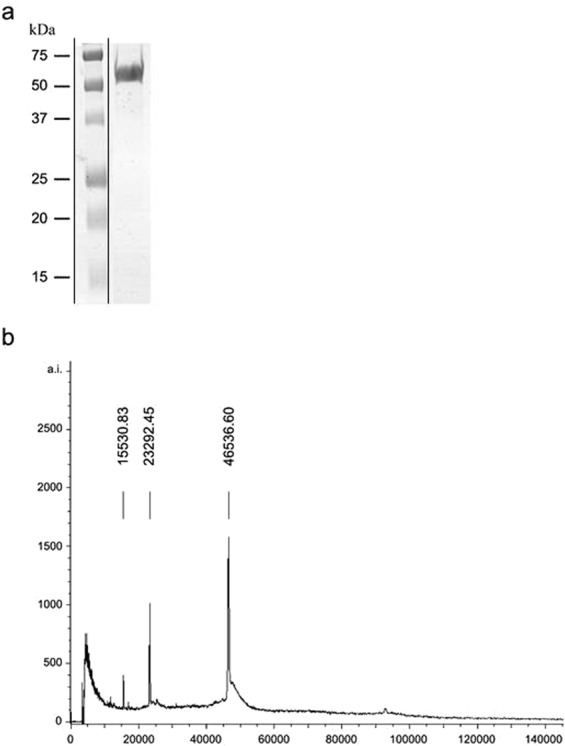
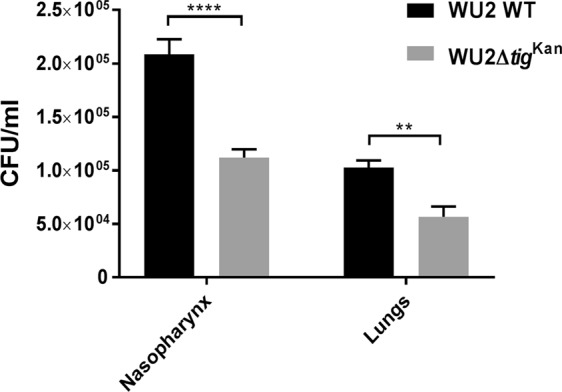
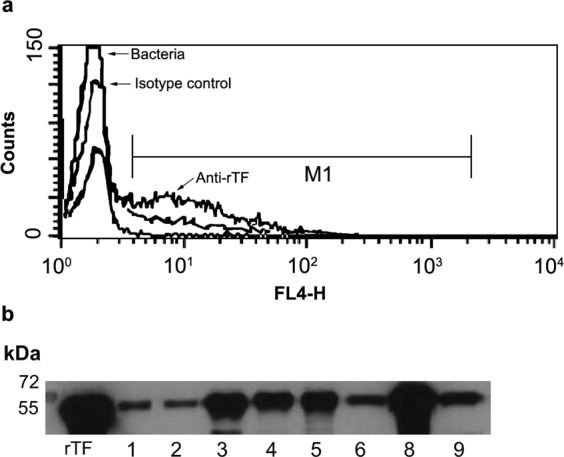
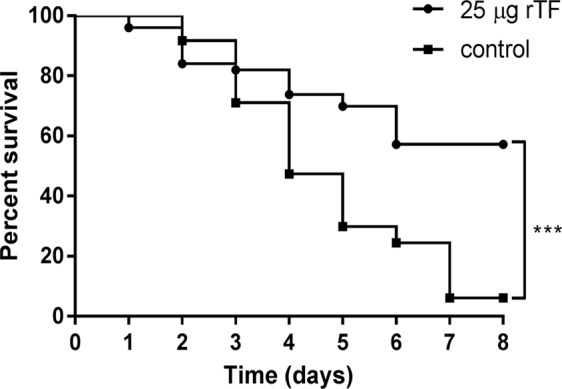
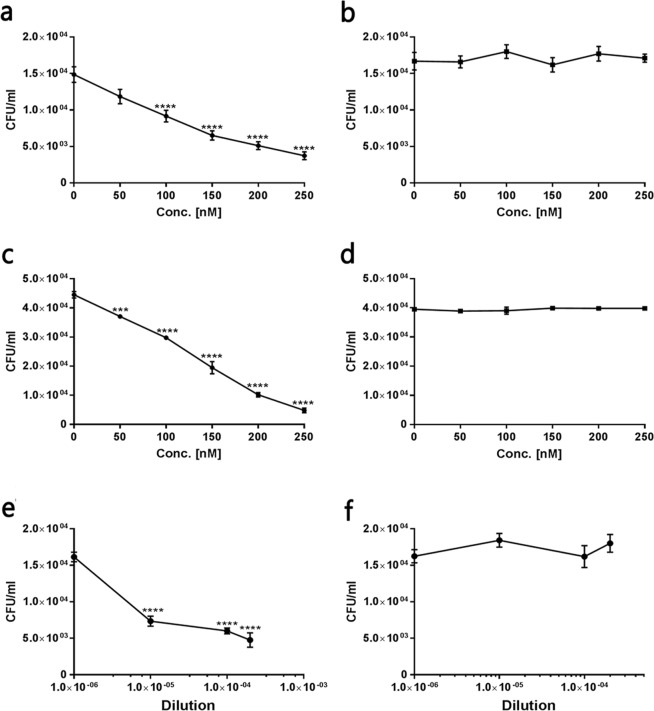
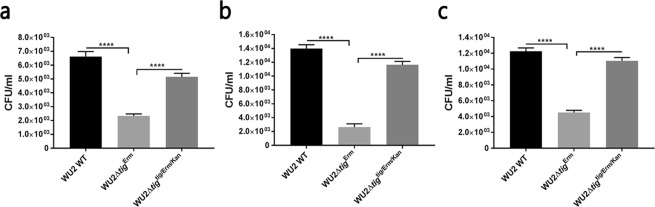
Trigger factor (TF) has a known cytoplasmic function as a chaperone. In a previous study we showed that pneumococcal TF is also cell-wall localized and this finding combined with the immunogenic characteristic of TF, has led us to determine the vaccine potential of TF and decipher its involvement in pneumococcal pathogenesis. Bioinformatic analysis revealed that TF is conserved among pneumococci and has no human homologue. Immunization of mice with recombinant (r)TF elicited a protective immune response against a pneumococcal challenge, suggesting that TF contributes to pneumococcal pathogenesis. Indeed, rTF and an anti-rTF antiserum inhibited bacterial adhesion to human lung derived epithelial cells, indicating that TF contributes to the bacterial adhesion to the host. Moreover, bacteria lacking TF demonstrated reduced adhesion, in vitro, to lung-derived epithelial cells, neural cells and glial cells. The reduced adhesion could be restored by chromosomal complementation. Furthermore, bacteria lacking TF demonstrated significantly reduced virulence in a mouse model. Taken together, the ability of rTF to elicit a protective immune response, involvement of TF in bacterial adhesion, conservation of the protein among pneumococcal strains and the lack of human homologue, all suggest that rTF can be considered as a future candidate vaccine with a much broader coverage as compared to the currently available pneumococcal vaccines.
触发因子(TF)作为伴侣蛋白在细胞质中具有已知的功能。在之前的研究中,我们发现肺炎球菌 TF 也定位于细胞壁,这一发现结合了 TF 的免疫原性特征,使我们能够确定 TF 的疫苗潜力,并阐明其在肺炎球菌发病机制中的作用。生物信息学分析表明,TF 在肺炎球菌中是保守的,并且没有人类同源物。用重组(r)TF 免疫小鼠可引发针对肺炎球菌攻击的保护性免疫反应,表明 TF 有助于肺炎球菌发病。事实上,rTF 和抗 rTF 抗血清抑制了细菌与人肺衍生的上皮细胞的粘附,表明 TF 有助于细菌与宿主的粘附。此外,缺乏 TF 的细菌在体外对肺衍生的上皮细胞、神经细胞和神经胶质细胞的粘附减少。这种粘附减少可以通过染色体互补来恢复。此外,缺乏 TF 的细菌在小鼠模型中表现出明显降低的毒力。总之,rTF 能够引发保护性免疫反应的能力、TF 在细菌粘附中的作用、TF 在肺炎球菌菌株中的保守性以及缺乏人类同源物,这一切都表明 rTF 可以被视为一种未来的候选疫苗,与目前可用的肺炎球菌疫苗相比,具有更广泛的覆盖范围。