Bozzatello Paola, Bellino Silvio, Rocca Paola
Department of Neuroscience, University of Turin, Turin, Italy.
Front Psychiatry. 2019 Feb 26;10:67. doi: 10.3389/fpsyt.2019.00067. eCollection 2019.
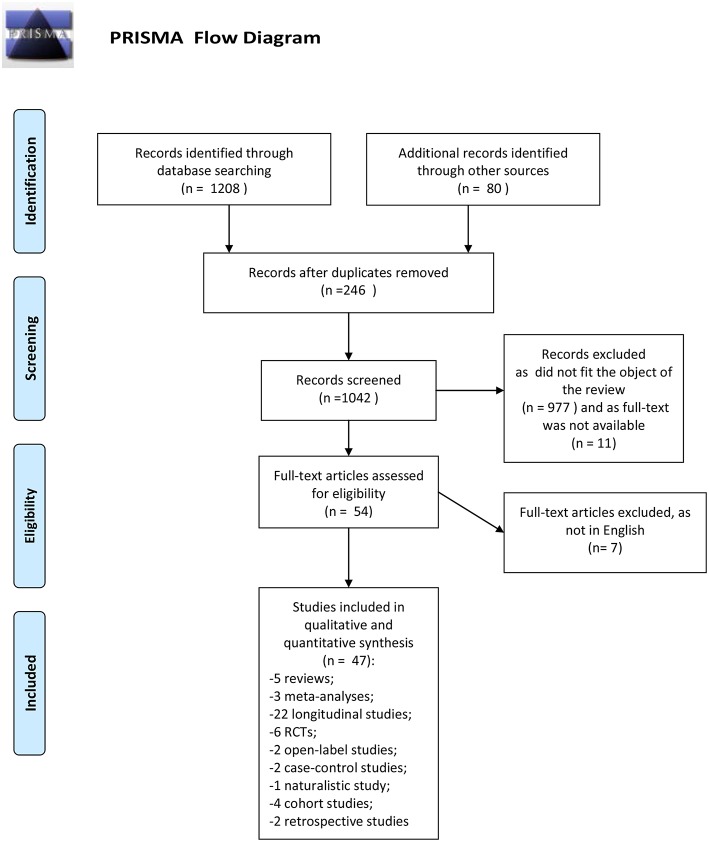
Clinical and functional outcome improvement in psychotic disorders is a challenge for the investigators. Recent advances offered opportunities for ameliorating the course of the illness during its early stages and for identifying treatment-resistant patients. Patients who had not response to two different antipsychotics, administered at correct doses for a sufficient period, can be operationally considered treatment-resistant. Available evidence suggested that the response's trajectory to the antipsychotic treatment revealed that a small proportion of subjects are poor responders (8.2%), the majority of patients have a moderate response (76.4%), and only 15.4% can be considered rapid responders with the greatest magnitude of response. Patients with first episode of psychosis generally obtain a more favorable response profile. Nevertheless, in around 25% of these patients symptoms of psychosis persist with a worse long-term course of illness. The aim of this review is to report current evidences on the main predictors of treatment non-response in patients at early stage of psychosis. We used a specific string that guaranteed a high sensitive search in pubmed. We included the following types of publications: randomized-controlled trials, observational studies, longitudinal studies, retrospective studies, case-control studies, open-label investigations, cohort studies, and reviews. Publications must concern predictors of treatment resistance in early psychosis. Forty-seven records were included: 5 reviews, 3 meta-analyses, 22 longitudinal studies, 2 retrospective studies, 1 naturalistic study, 6 randomized controlled trials, 2 open-label studies, 2 case-control studies, 4 cohort studies, 2 retrospective studies. Several factors were identified as predictors of treatment resistance: lower premorbid functioning; lower level of education; negative symptoms from first psychotic episode; comorbid substance use; younger age at onset; lack of early response; non-adherence to treatment; and longer duration of untreated psychosis. The role of gender and marital status is still controversial. More evidences are needed about neurobiological, genetic, and neuroimaging factors. The identification of specific predictive factors of treatment resistance in patients with first episode of psychosis ameliorates the quality of clinical management of these patients in the critical early phase of schizophrenia.
改善精神障碍的临床和功能结局对研究人员来说是一项挑战。最近的进展为在疾病早期改善病程以及识别治疗抵抗性患者提供了机会。那些对两种不同抗精神病药物在正确剂量下进行了足够疗程治疗仍无反应的患者,可在操作上被视为治疗抵抗性患者。现有证据表明,抗精神病治疗的反应轨迹显示,一小部分受试者是低反应者(8.2%),大多数患者有中度反应(76.4%),只有15.4%可被视为反应最快且反应程度最大的快速反应者。首次发作精神病的患者通常有更有利的反应情况。然而,在这些患者中约25%的人精神病症状持续存在,且疾病的长期病程更差。本综述的目的是报告关于精神病早期患者治疗无反应的主要预测因素的当前证据。我们使用了一个特定的检索词,以确保在PubMed中进行高灵敏度搜索。我们纳入了以下类型的出版物:随机对照试验、观察性研究、纵向研究、回顾性研究、病例对照研究、开放标签研究、队列研究和综述。出版物必须涉及早期精神病治疗抵抗性的预测因素。共纳入47条记录:5篇综述、3篇荟萃分析、22篇纵向研究、2篇回顾性研究、1篇自然主义研究、6篇随机对照试验、2篇开放标签研究、2篇病例对照研究、4篇队列研究、2篇回顾性研究。几个因素被确定为治疗抵抗性的预测因素:病前功能较低;教育水平较低;首次精神病发作时的阴性症状;合并物质使用;发病年龄较小;缺乏早期反应;不坚持治疗;以及未治疗精神病的持续时间较长。性别和婚姻状况的作用仍存在争议。关于神经生物学、遗传学和神经影像学因素还需要更多证据。识别首次发作精神病患者治疗抵抗性的特定预测因素可改善这些患者在精神分裂症关键早期阶段的临床管理质量。