Kinghorn Centre for Clinical Genomics, Garvan Institute of Medical Research, 370 Victoria St, Darlinghurst, NSW, Australia.
School of Computer Science and Engineering, UNSW Sydney, Kensington, NSW, Australia.
Sci Rep. 2019 Mar 13;9(1):4318. doi: 10.1038/s41598-019-40739-8.
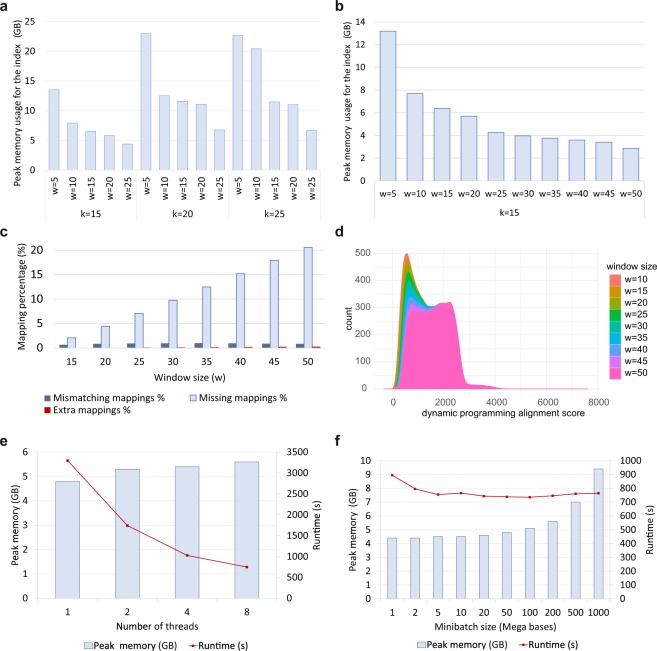
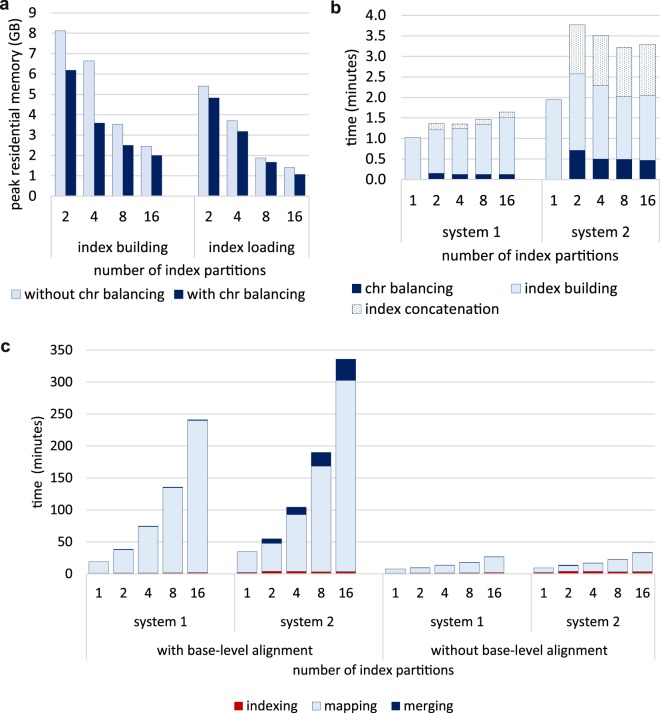
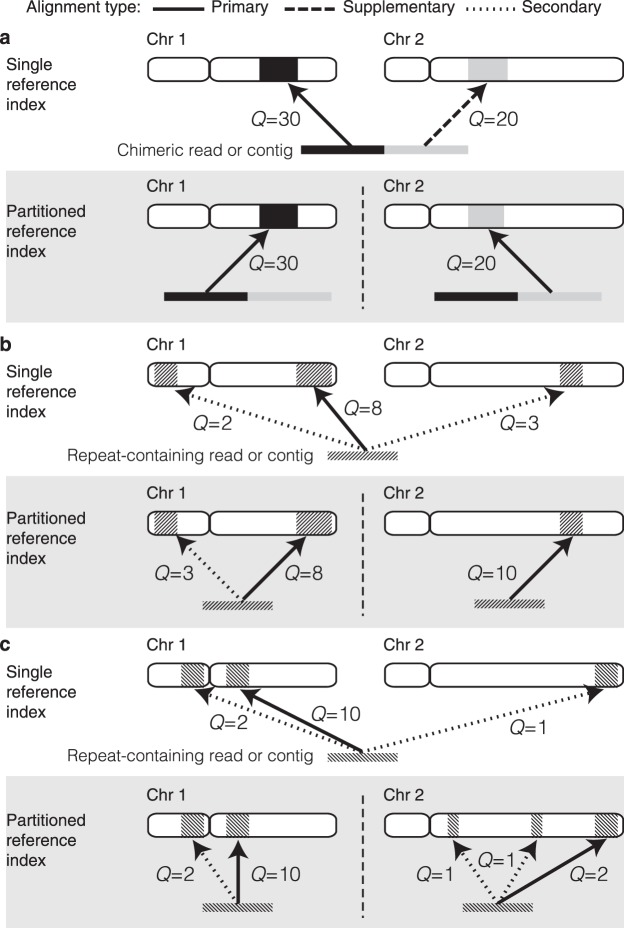
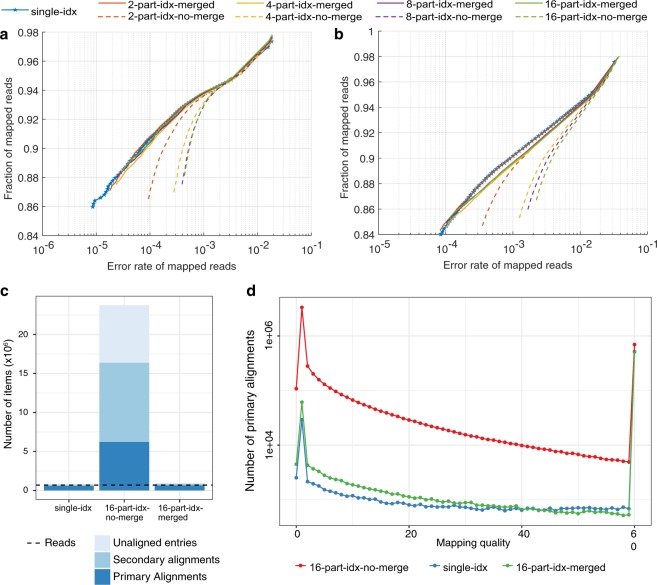
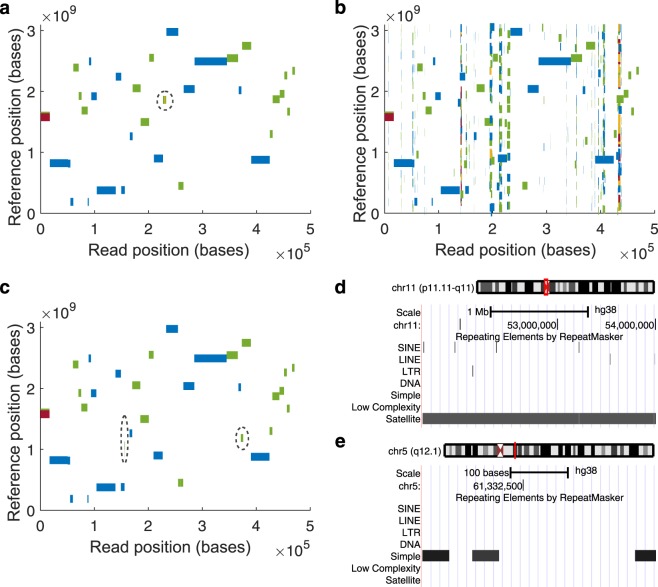
The advent of Nanopore sequencing has realised portable genomic research and applications. However, state of the art long read aligners and large reference genomes are not compatible with most mobile computing devices due to their high memory requirements. We show how memory requirements can be reduced through parameter optimisation and reference genome partitioning, but highlight the associated limitations and caveats of these approaches. We then demonstrate how these issues can be overcome through an appropriate merging technique. We incorporated multi-index merging into the Minimap2 aligner and demonstrate that long read alignment to the human genome can be performed on a system with 2 GB RAM with negligible impact on accuracy.
纳米孔测序技术的出现实现了便携式基因组研究和应用。然而,由于内存需求高,最先进的长读长序列比对器和大型参考基因组与大多数移动计算设备不兼容。我们展示了如何通过参数优化和参考基因组分区来降低内存需求,但也强调了这些方法的相关限制和注意事项。然后,我们展示了如何通过适当的合并技术来克服这些问题。我们将多索引合并纳入 Minimap2 比对器中,并证明可以在具有 2GB RAM 的系统上对人类基因组进行长读长比对,而对准确性几乎没有影响。