Department of Pediatrics, University of Arizona, Tucson, AZ, United States.
Department of Cellular and Molecular Medicine, University of Arizona, Tucson, AZ, United States.
Front Immunol. 2019 Feb 27;10:304. doi: 10.3389/fimmu.2019.00304. eCollection 2019.
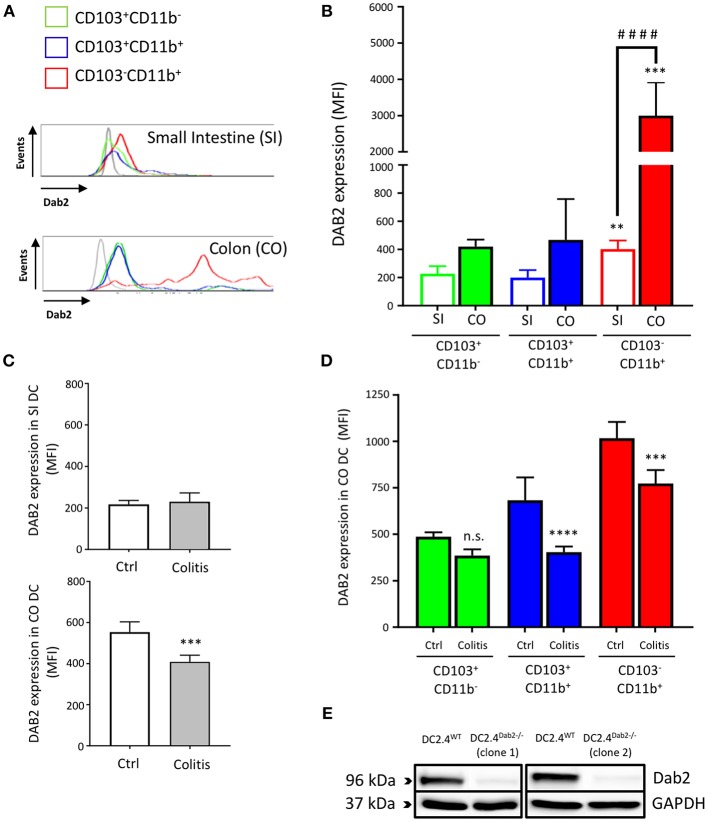
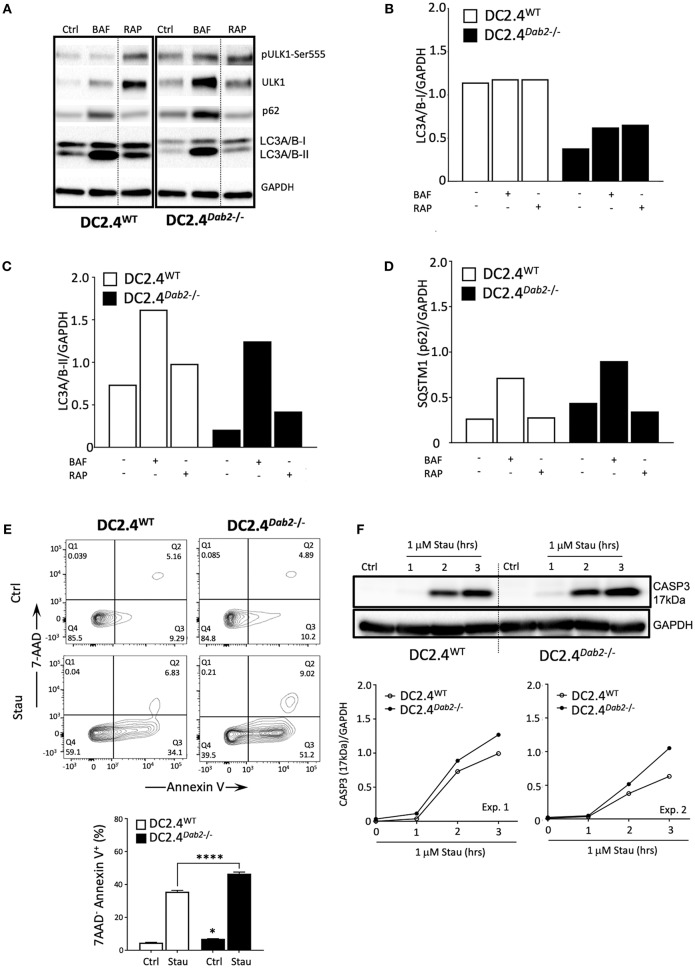
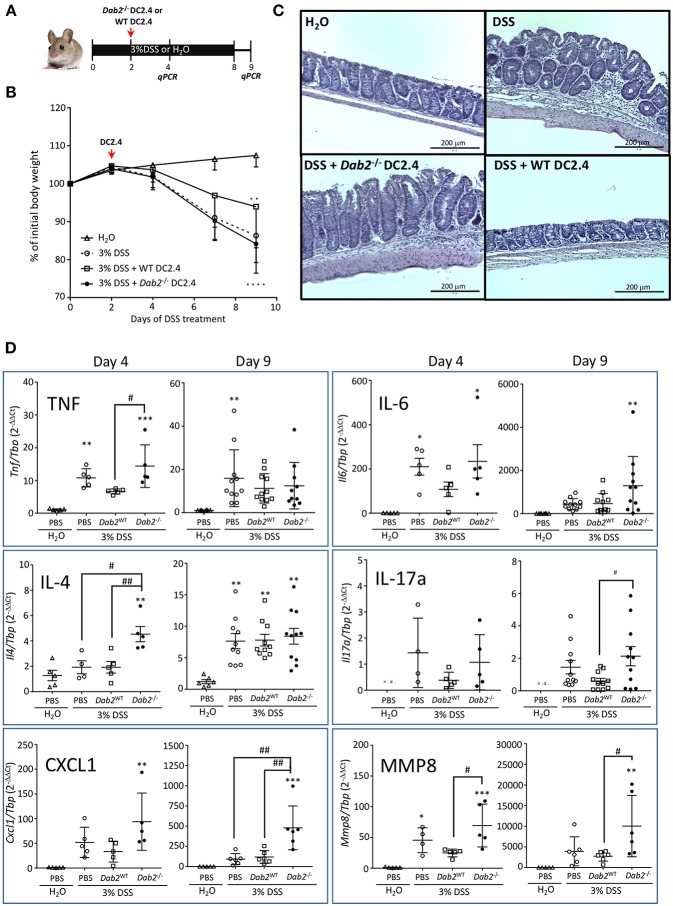
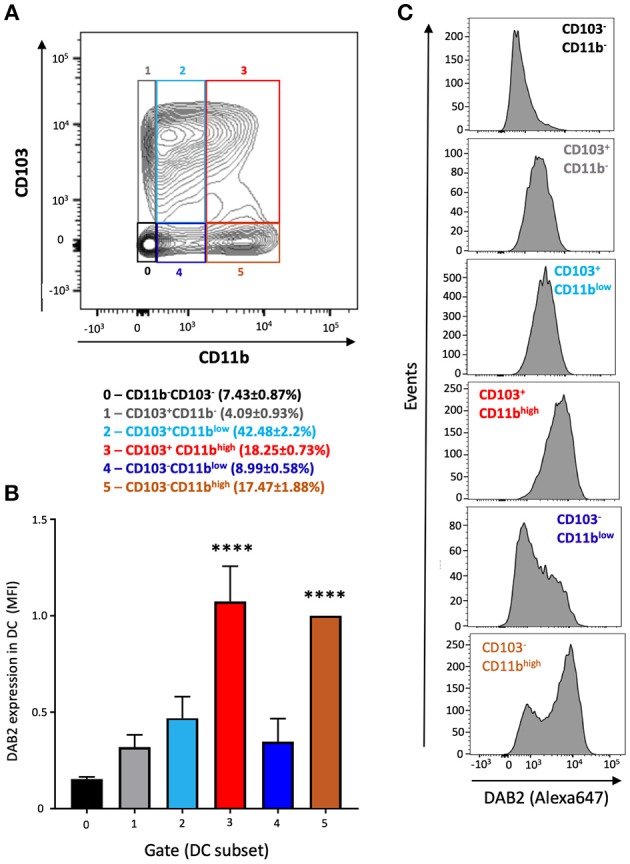
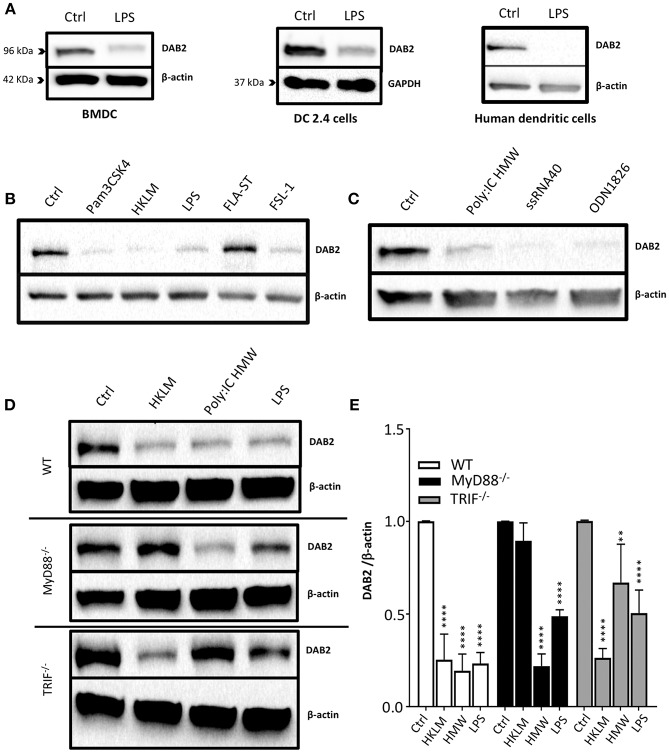
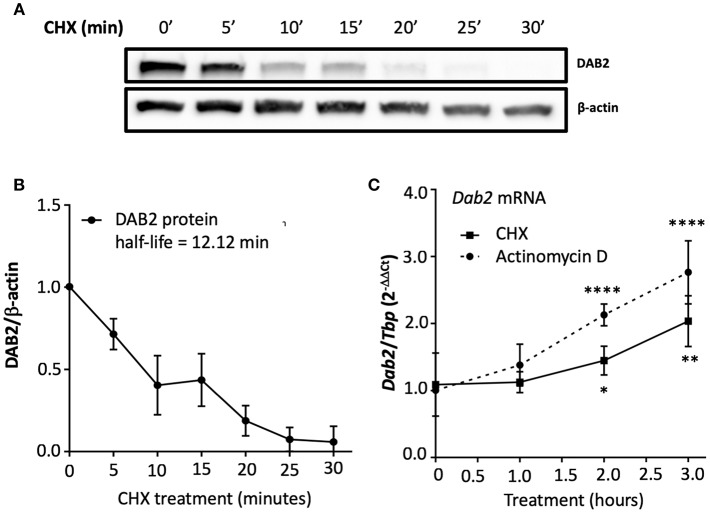
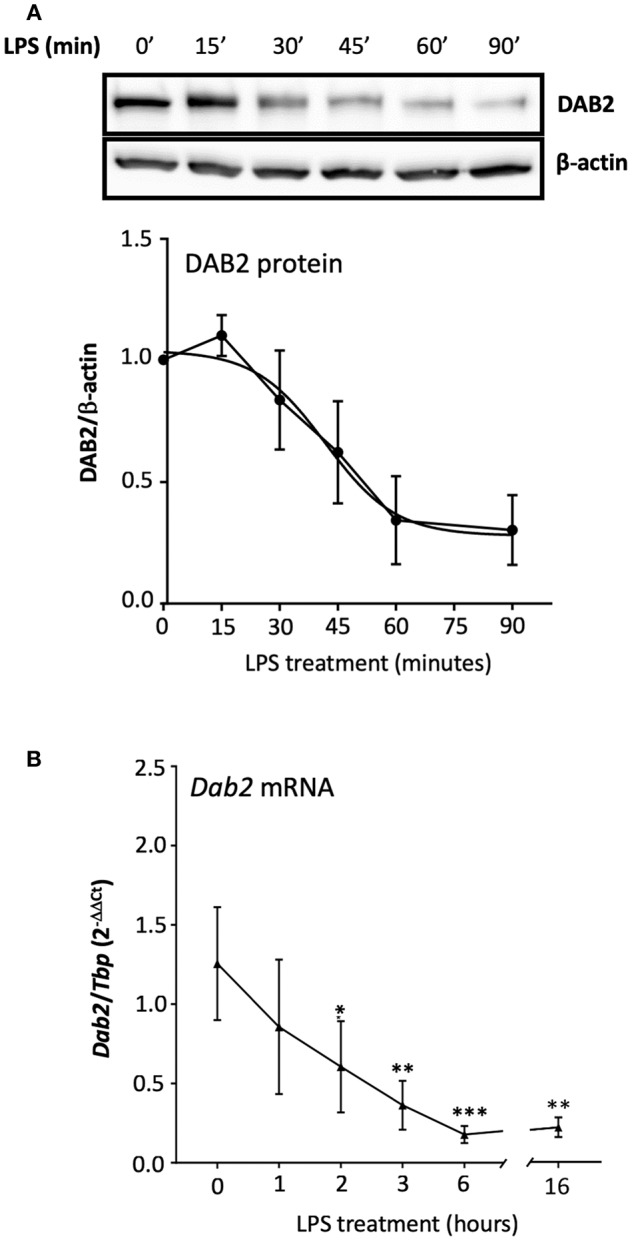
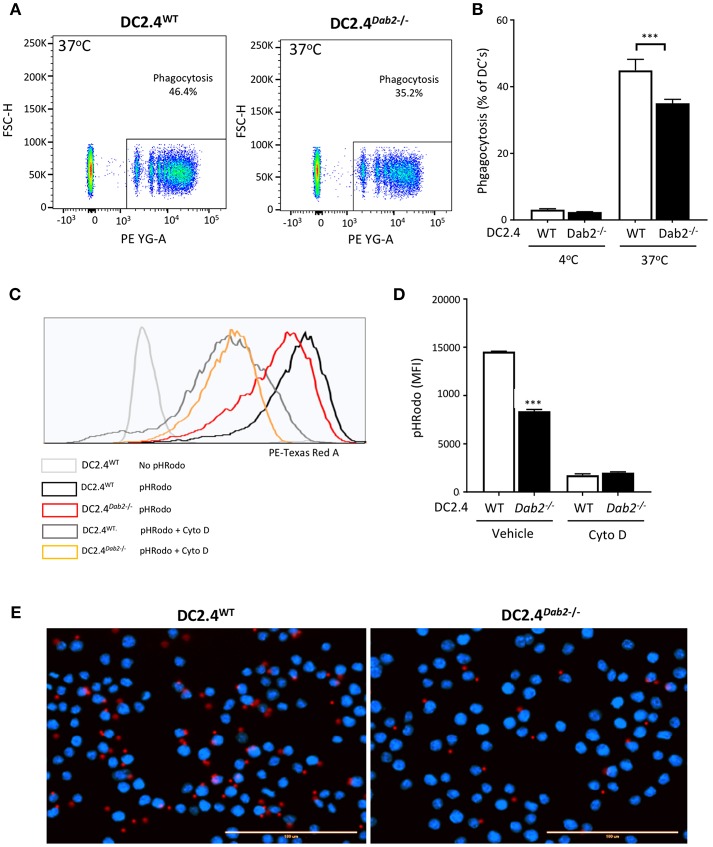
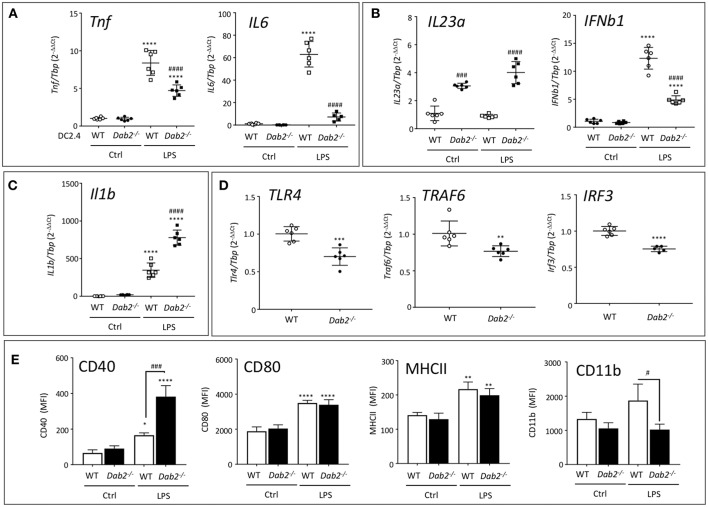
Dendritic cells (DCs) are pivotal in regulating tolerogenic as well as immunogenic responses against microorganisms by directing both the innate and adaptive immune response. In health, phenotypically different DC subsets found in the gut mucosa are maintained in their tolerogenic state but switch to a pro-inflammatory phenotype during infection or chronic autoinflammatory conditions such as inflammatory bowel disease (IBD). The mechanisms that promote the switch among the mucosal DCs from a tolerogenic to an immunogenic, pro-inflammatory phenotype are incompletely understood. We hypothesized that disabled homolog 2 (DAB2), recently described as a negative regulator of DC immunogenicity during their development, is regulated during intestinal inflammation and modulates mucosal DC function. We show that DAB2 is highly expressed in colonic CD11bCD103 DCs, a subset known for its capacity to induce inflammatory Th1/Th17 responses in the colon, and is downregulated predominantly in this DC subset during adoptive T cell transfer colitis. Administration of Dab2-deficient DCs (DC2.4 cells) modulated the course of DSS colitis in wild-type mice, enhanced mucosal expression of , and , and promoted neutrophil recruitment. In bone-marrow derived dendritic cells (BMDC), DAB2 expression correlated with CD11b levels and DAB2 was rapidly and profoundly inhibited by TLR ligands in a TRIF- and MyD88-dependent manner. The negative modulation of DAB2 was biphasic, initiated with a quick drop in DAB2 protein, followed by a sustained reduction in mRNA. DAB2 downregulation promoted a more functional and activated DC phenotype, reduced phagocytosis, and increased CD40 expression after TLR activation. Furthermore, knockout in DCs inhibited autophagy and promoted apoptotic cell death. Collectively, our results highlight the immunoregulatory role for DAB2 in the intestinal dendritic cells and suggest that DAB2 downregulation after microbial exposure promotes their switch to an inflammatory phenotype.
树突状细胞(DCs)在调节针对微生物的耐受和免疫应答方面起着关键作用,可调节先天和适应性免疫应答。在健康状态下,在肠道黏膜中发现的表型不同的 DC 亚群处于耐受状态,但在感染或慢性自身炎症性疾病(如炎症性肠病,IBD)期间,其会向促炎表型转变。促进黏膜 DC 从耐受表型向免疫原性、促炎表型转变的机制尚不完全清楚。我们假设,最近被描述为 DC 发育过程中免疫原性的负调节剂的Disabled homolog 2(DAB2)在肠道炎症期间受到调控,并调节黏膜 DC 功能。我们发现,DAB2 在结肠 CD11bCD103 DC 中高表达,该亚群以其在结肠中诱导炎症性 Th1/Th17 应答的能力而闻名,并且在过继性 T 细胞转移结肠炎中主要在该 DC 亚群中下调。Dab2 缺陷型 DC(DC2.4 细胞)的给药调节了野生型小鼠 DSS 结肠炎的病程,增强了黏膜 和 的表达,并促进了中性粒细胞的募集。在骨髓来源的树突状细胞(BMDC)中,DAB2 的表达与 CD11b 水平相关,并且 DAB2 可被 TLR 配体快速且显著地抑制,这种抑制作用依赖于 TRIF 和 MyD88。DAB2 的负调控呈双相性,首先是 DAB2 蛋白的快速下降,随后是 mRNA 的持续减少。DAB2 的下调促进了更具功能和激活的 DC 表型,减少了 TLR 激活后的吞噬作用,并增加了 CD40 的表达。此外,DC 中的 缺失抑制了自噬并促进了细胞凋亡。总之,我们的结果强调了 DAB2 在肠道树突状细胞中的免疫调节作用,并表明微生物暴露后 DAB2 的下调促进了它们向炎症表型的转变。