Kim Woo Sik, Kim Hongmin, Kwon Kee Woong, Im Sin-Hyeog, Lee Bo Ryeong, Ha Sang-Jun, Shin Sung Jae
Department of Microbiology, Institute for Immunology and Immunological Diseases, Brain Korea 21 PLUS Project for Medical Science, Yonsei University College of Medicine, Seoul, South Korea.
Academy of Immunology and Microbiology (AIM), Institute for Basic Science (IBS), Pohang, South Korea.
Oncotarget. 2016 Jun 7;7(23):33765-82. doi: 10.18632/oncotarget.9260.
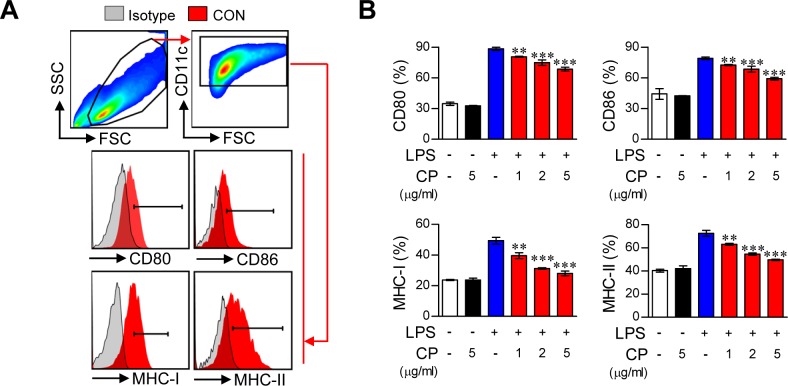
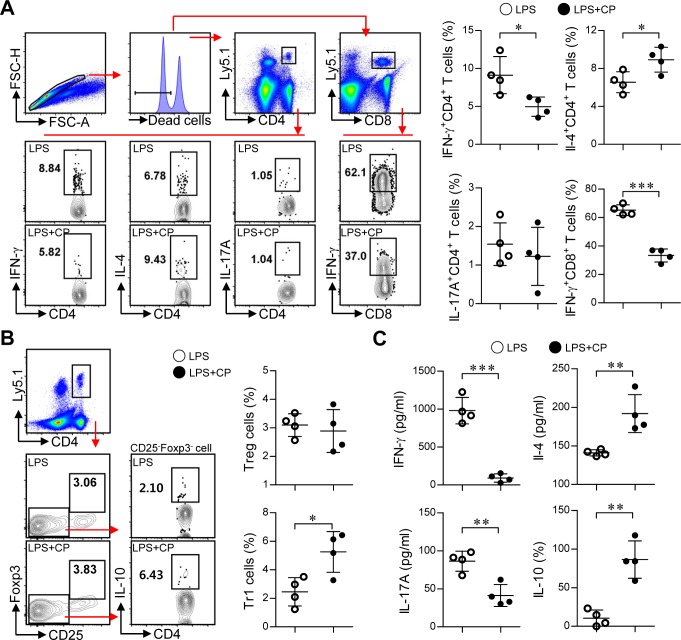
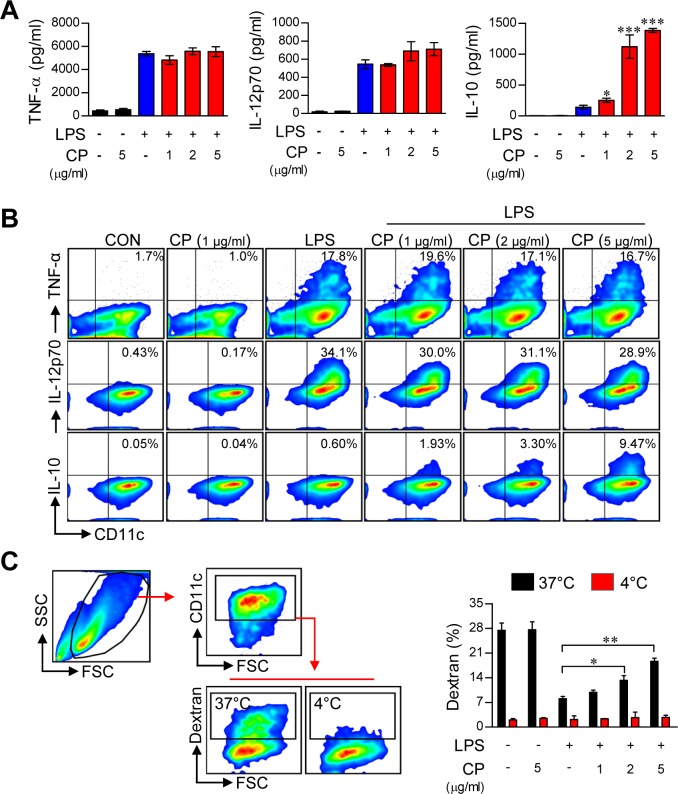
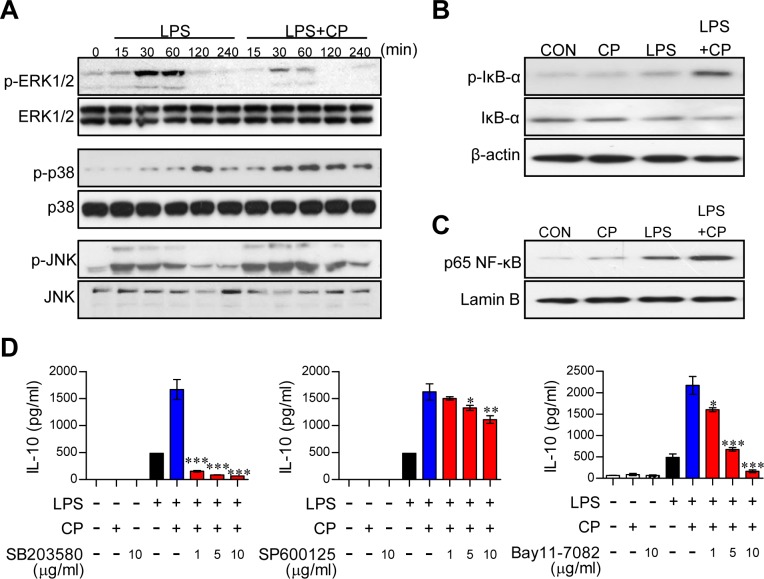
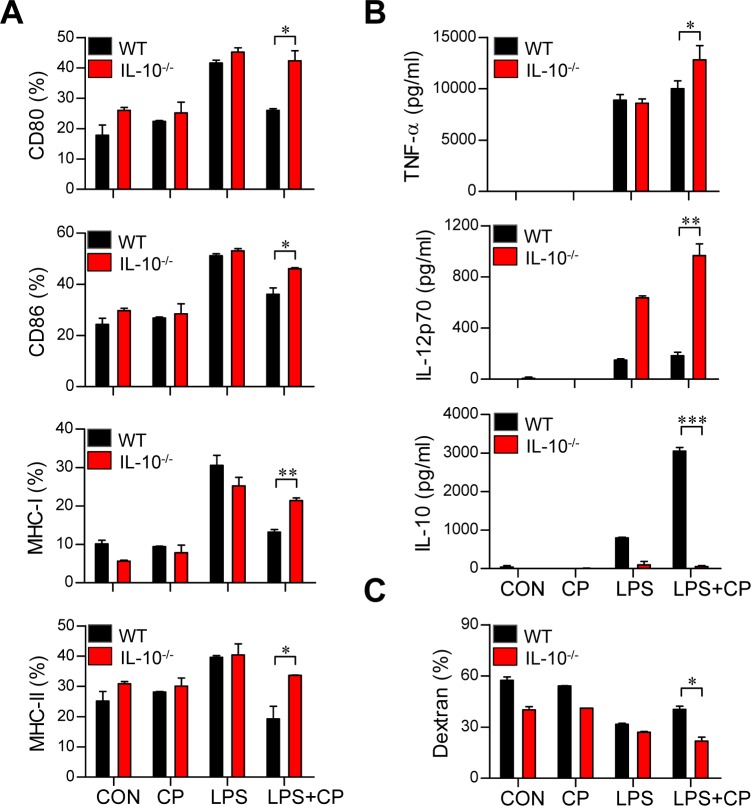
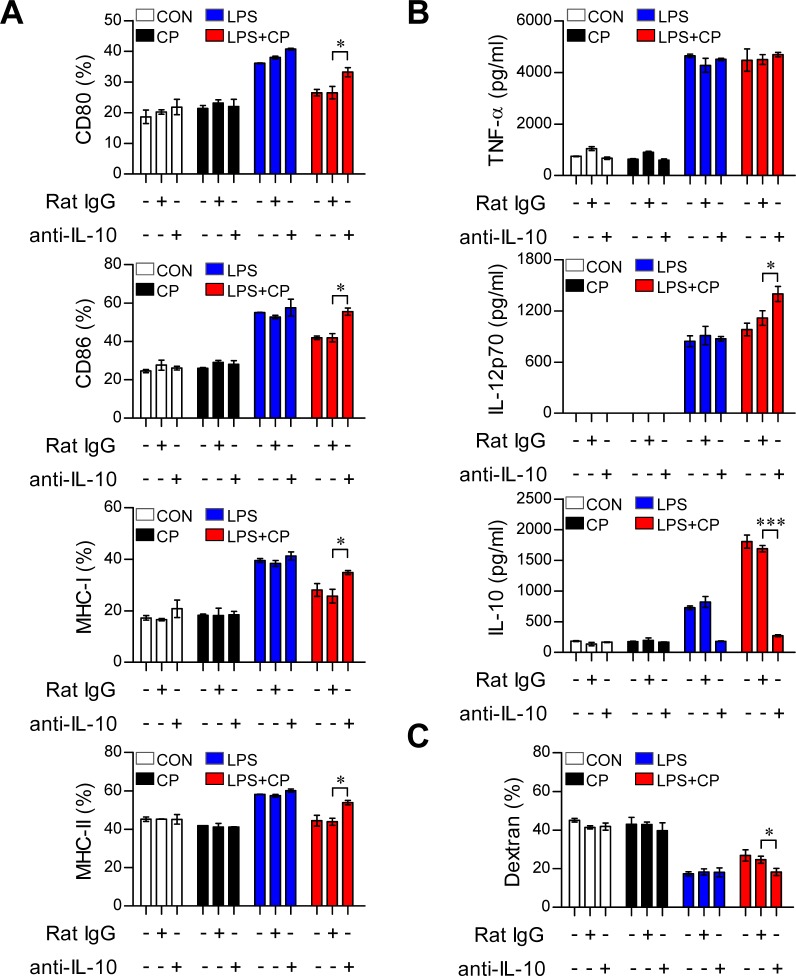
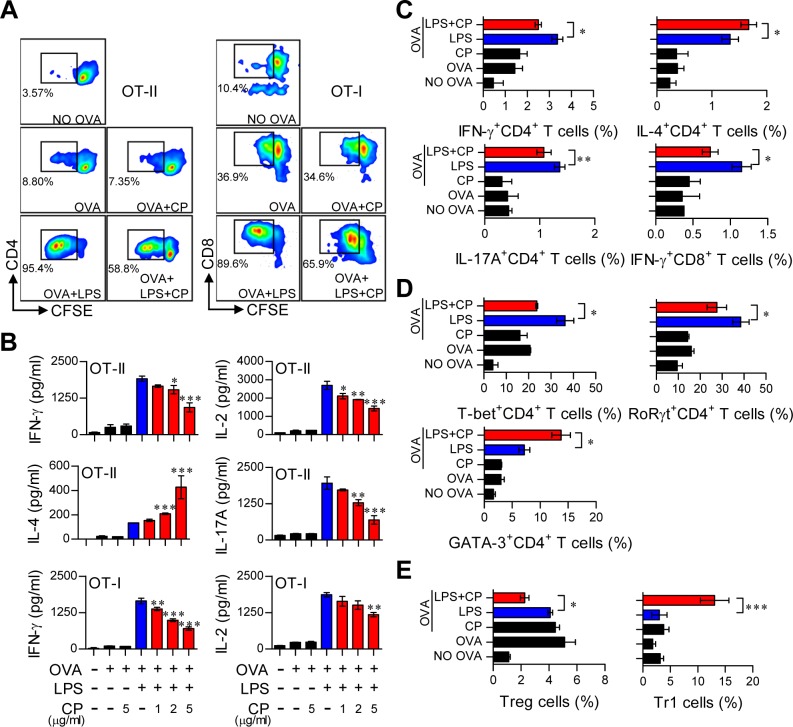
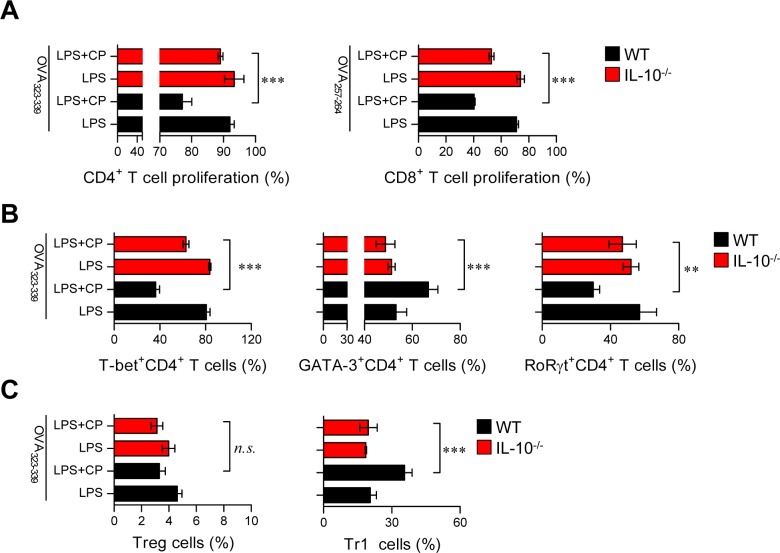
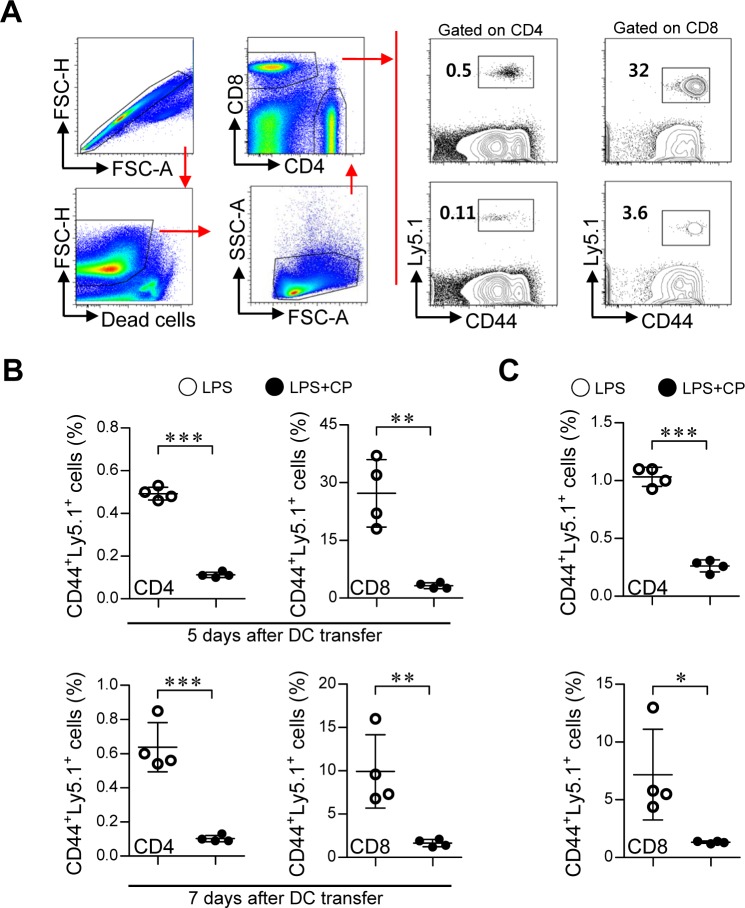
Although many advantageous roles of cisplatin (cis-diamminedichloroplatinum (II), CDDP) have been reported in cancer therapy, the immunomodulatory roles of cisplatin in the phenotypic and functional alterations of dendritic cells (DCs) are poorly understood. Here, we investigated the effect of cisplatin on the functionality of DCs and the changes in signaling pathways activated upon toll-like receptor (TLR) stimulation. Cisplatin-treated DCs down-regulated the expression of cell surface molecules (CD80, CD86, MHC class I and II) and up-regulated endocytic capacity in a dose-dependent manner. Upon stimulation with various TLR agonists, cisplatin-treated DCs showed markedly increased IL-10 production through activation of the p38 MAPK and NF-κB signaling pathways without altering the levels of TNF-α and IL-12p70, indicating the cisplatin-mediated induction of tolerogenic DCs. This effect was dependent on the production of IL-10 from DCs, as neither DCs isolated from IL-10-/- mice nor IL-10-neutralized DCs generated tolerogenic DCs. Interestingly, DCs that were co-treated with cisplatin and lipopolysaccharide (LPS) exhibited a decreased immunostimulatory capacity for inducing the proliferation of Th1- and Th17-type T cells; instead, these DCs contributed to Th2-type T cell immunity. Furthermore, in vitro and in vivo investigations revealed a unique T cell population, IL-10-producing CD3+CD4+LAG-3+CD49b+CD25-Foxp3- Tr1 cells, that was significantly increased without altering the Foxp3+ regulatory T cell population. Taken together, our results suggest that cisplatin induces immune-suppressive tolerogenic DCs in TLR agonist-induced inflammatory conditions via abundant IL-10 production, thereby skewing Th cell differentiation towards Th2 and Tr1 cells. This relationship may provide cancer cells with an opportunity to evade the immune system.
尽管顺铂(顺二氯二氨合铂(II),CDDP)在癌症治疗中的许多有益作用已被报道,但其在树突状细胞(DCs)表型和功能改变方面的免疫调节作用仍知之甚少。在此,我们研究了顺铂对DCs功能的影响以及在Toll样受体(TLR)刺激后激活的信号通路变化。顺铂处理的DCs以剂量依赖的方式下调细胞表面分子(CD80、CD86、MHC I类和II类)的表达,并上调内吞能力。在用各种TLR激动剂刺激后,顺铂处理的DCs通过激活p38 MAPK和NF-κB信号通路显著增加IL-10的产生,而不改变TNF-α和IL-12p70的水平,表明顺铂介导了耐受性DCs的诱导。这种效应依赖于DCs产生的IL-10,因为从IL-10 -/-小鼠分离的DCs或IL-10中和的DCs均未产生耐受性DCs。有趣的是,与顺铂和脂多糖(LPS)共同处理的DCs对诱导Th1和Th17型T细胞增殖的免疫刺激能力降低;相反,这些DCs促进了Th2型T细胞免疫。此外,体外和体内研究揭示了一种独特的T细胞群体,即产生IL-10的CD3 + CD4 + LAG-3 + CD49b + CD25 - Foxp3 - Tr1细胞,其显著增加,而不改变Foxp3 +调节性T细胞群体。综上所述,我们的结果表明,顺铂在TLR激动剂诱导的炎症条件下通过大量产生IL-10诱导免疫抑制性耐受性DCs,从而使Th细胞分化偏向Th2和Tr1细胞。这种关系可能为癌细胞提供逃避免疫系统的机会。