Chadaeva Irina, Ponomarenko Petr, Rasskazov Dmitry, Sharypova Ekaterina, Kashina Elena, Kleshchev Maxim, Ponomarenko Mikhail, Naumenko Vladimir, Savinkova Ludmila, Kolchanov Nikolay, Osadchuk Ludmila, Osadchuk Alexandr
Institute of Cytology and Genetics, Siberian Branch of Russian Academy of Sciences, Novosibirsk, Russia.
Novosibirsk State University, Novosibirsk, Russia.
Front Genet. 2019 Feb 20;10:73. doi: 10.3389/fgene.2019.00073. eCollection 2019.
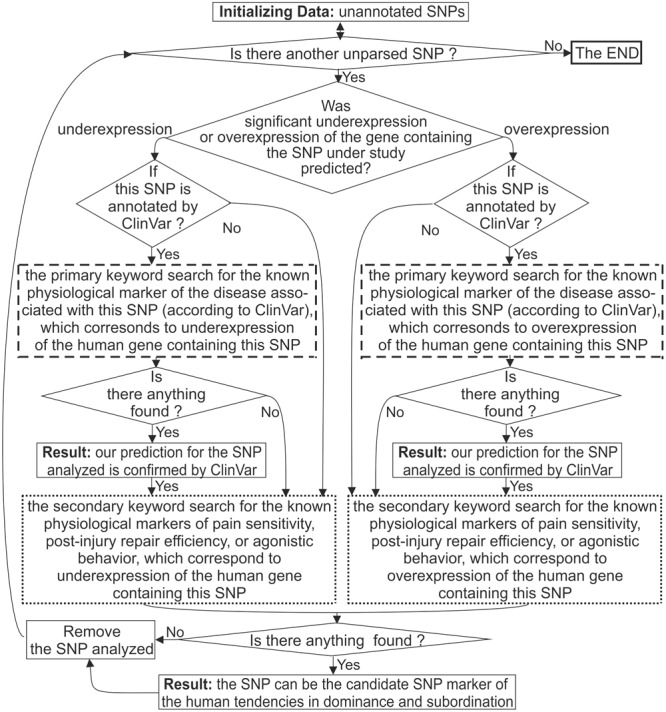
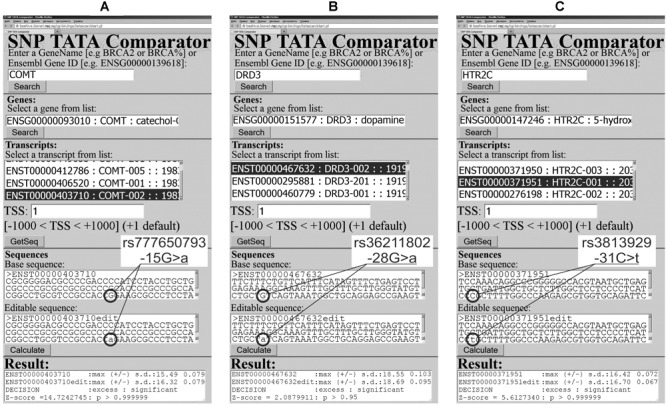
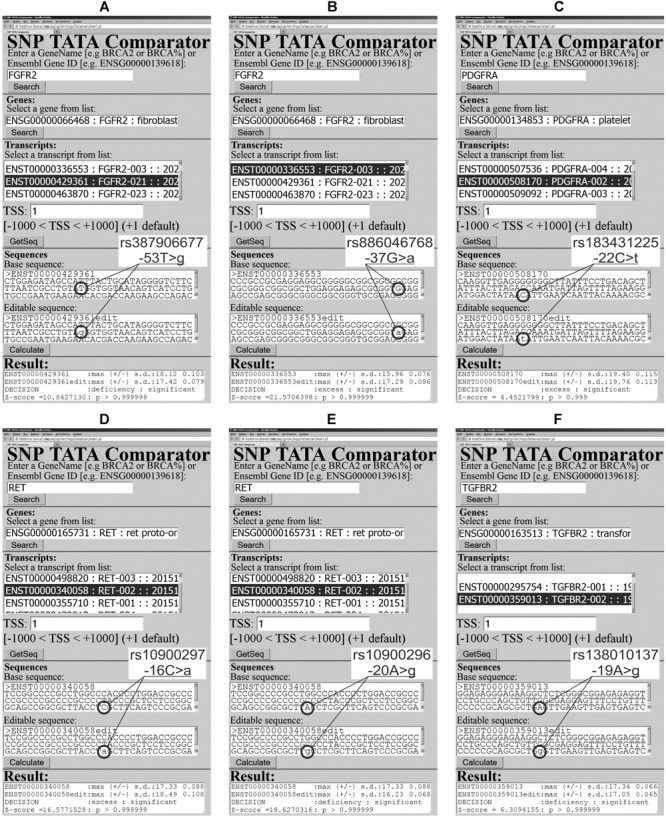
We proposed the following heuristic decision-making rule: "IF {an excess of a protein relating to the nervous system is an experimentally known physiological marker of low pain sensitivity, fast postinjury recovery, or aggressive, risk/novelty-seeking, anesthetic-like, or similar agonistic-intolerant behavior} AND IF {a single nucleotide polymorphism (SNP) causes overexpression of the gene encoding this protein} THEN {this SNP can be a SNP marker of the tendency in dominance} WHILE {underexpression corresponds to subordination} AND ." Using this decision-making rule, we analyzed 231 human genes of neuropeptidergic, non-neuropeptidergic, and neurotrophinergic systems that encode neurotrophic and growth factors, interleukins, neurotransmitters, receptors, transporters, and enzymes. These proteins are known as key factors of human social behavior. We analyzed all the 5,052 SNPs within the 70 bp promoter region upstream of the position where the protein-coding transcript starts, which were retrieved from databases Ensembl and dbSNP using our previously created public Web service SNP_TATA_Comparator (http://beehive.bionet.nsc.ru/cgi-bin/mgs/tatascan/start.pl). This definition of the promoter region includes all TATA-binding protein (TBP)-binding sites. A total of 556 and 552 candidate SNP markers contributing to the dominance and the subordination, respectively, were uncovered. On this basis, we determined that 231 human genes under study are subject to natural selection against underexpression (significance < 0.0005), which equally supports the human tendencies in domination and subordination such as the norm of a reaction (plasticity) of the human social hierarchy. These findings explain vertical transmission of domination and subordination traits previously observed in rodent models. Thus, the results of this study equally support both sides of the century-old unsettled scientific debate on whether both aggressiveness and the social hierarchy among humans are inherited (as suggested by Freud and Lorenz) or are due to non-genetic social education, when the children are influenced by older individuals across generations (as proposed by Berkowitz and Fromm).
“如果{与神经系统相关的一种蛋白质过量是实验已知的低疼痛敏感性、损伤后快速恢复或攻击性、冒险/寻求新奇、类似麻醉或类似激动不耐受行为的生理标志物},并且如果{单核苷酸多态性(SNP)导致编码该蛋白质的基因过度表达},那么{该SNP可能是优势倾向的SNP标志物},而{表达不足则对应于从属地位}。” 使用此决策规则,我们分析了神经肽能、非神经肽能和神经营养能系统的231个人类基因,这些基因编码神经营养和生长因子、白细胞介素、神经递质、受体、转运蛋白和酶。这些蛋白质是已知的人类社会行为的关键因素。我们分析了蛋白质编码转录本起始位置上游70 bp启动子区域内的所有5052个SNP,这些SNP是使用我们之前创建的公共网络服务SNP_TATA_Comparator(http://beehive.bionet.nsc.ru/cgi-bin/mgs/tatascan/start.pl)从Ensembl和dbSNP数据库中检索到的。启动子区域的这个定义包括所有TATA结合蛋白(TBP)结合位点。分别发现了总共556个和552个有助于优势和从属地位的候选SNP标志物。在此基础上,我们确定所研究的231个人类基因受到针对表达不足的自然选择(显著性<0.0005),这同样支持人类在优势和从属地位方面的倾向,例如人类社会等级制度的反应规范(可塑性)。这些发现解释了先前在啮齿动物模型中观察到的优势和从属特征的垂直传递。因此,本研究的结果同样支持了长达一个世纪尚未解决的科学辩论的双方,即人类的攻击性和社会等级制度是遗传的(如弗洛伊德和洛伦兹所建议的),还是由于非基因社会教育,即儿童受到跨代年长者的影响(如伯克维茨和弗洛姆所提出的)。