Dirkes Marcel C, van Gulik Thomas M, Heger Michal
Department of Experimental Surgery, Academic Medical Center, University of Amsterdam, Amsterdam, the Netherlands.
Current affiliation: Philips Research, Eindhoven, the Netherlands.
J Clin Transl Res. 2015 Jul 19;1(1):6-21. eCollection 2015 Jul 20.
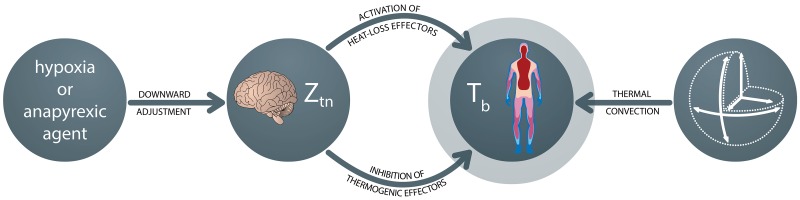
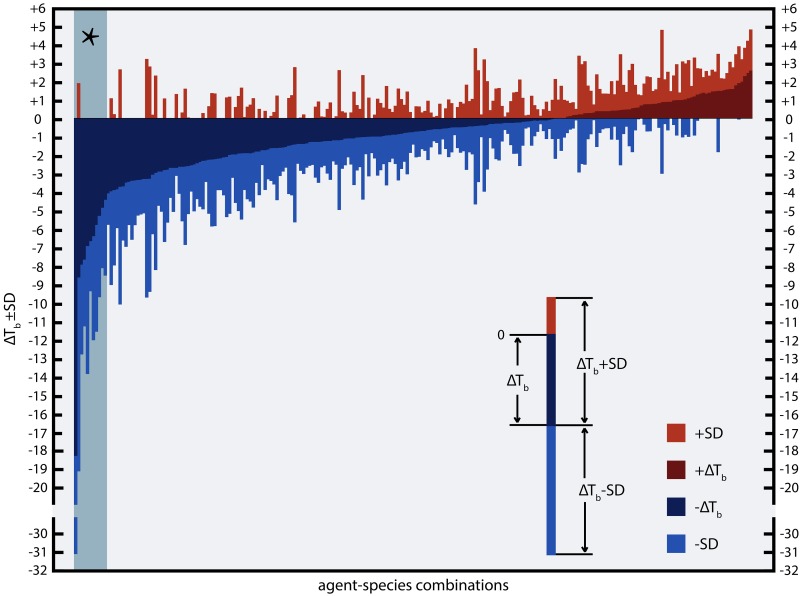
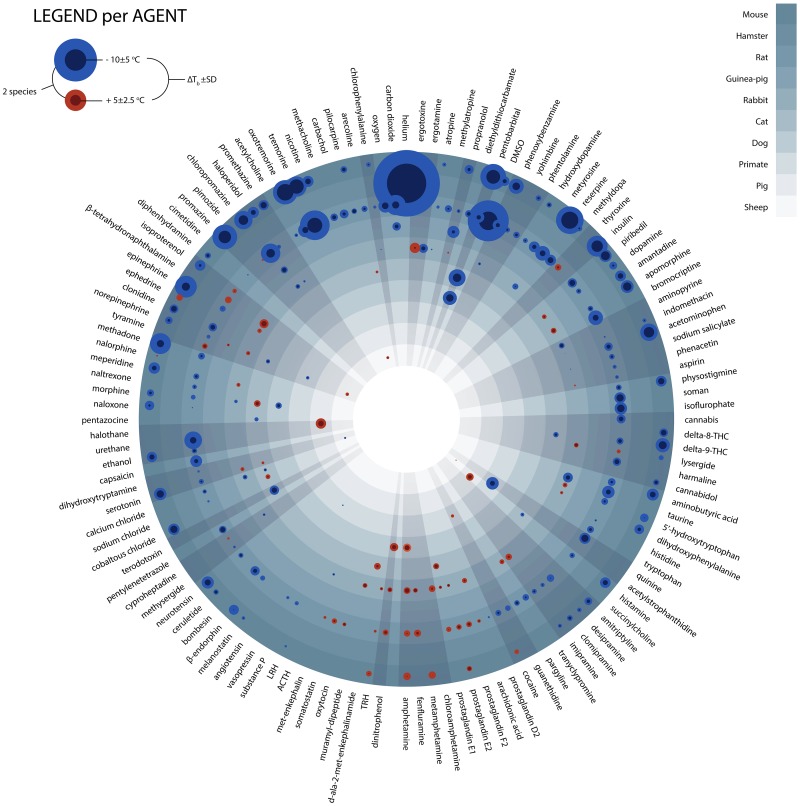
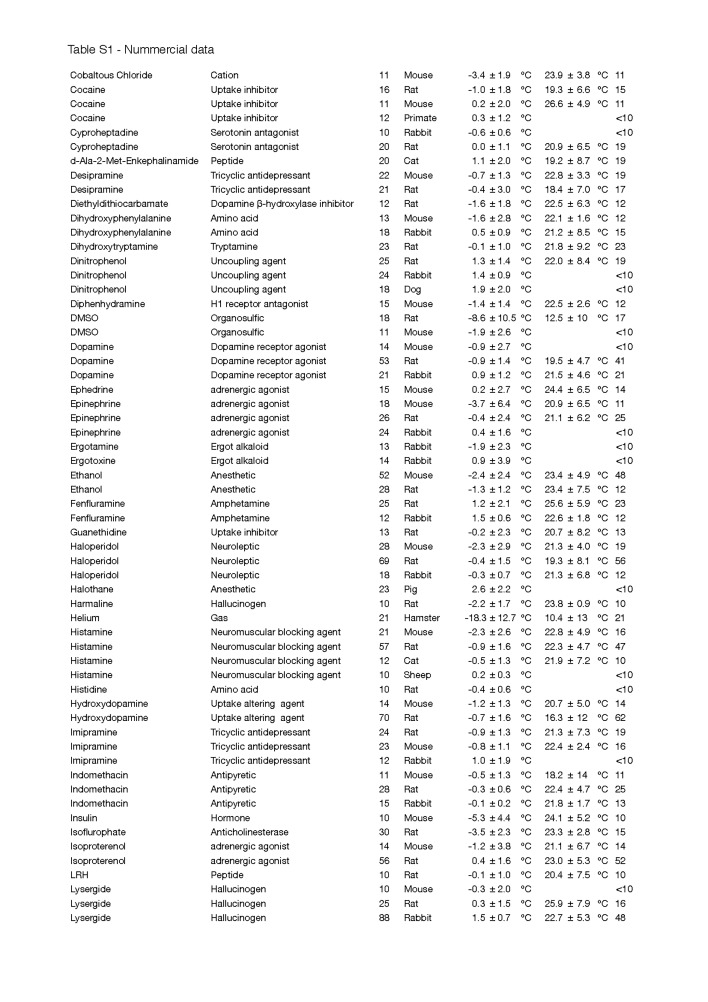
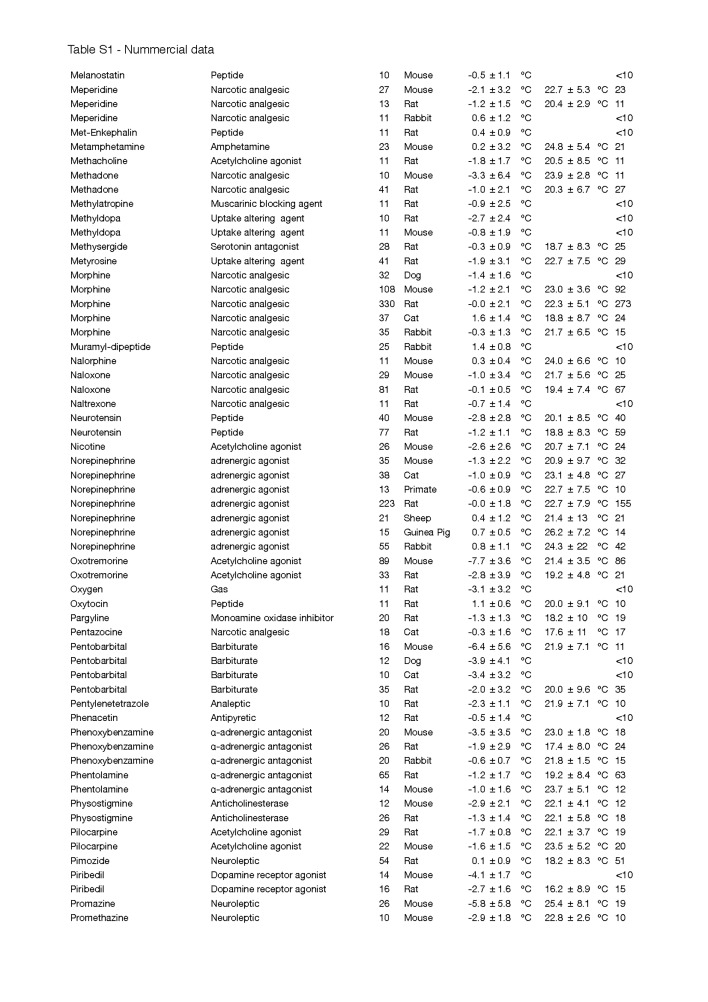
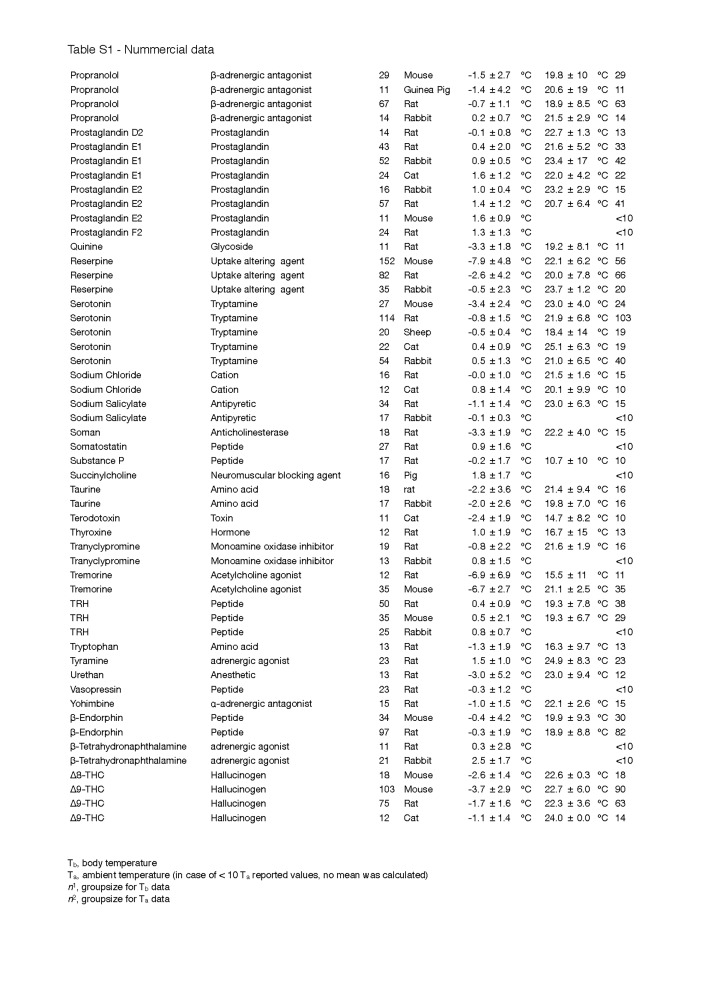
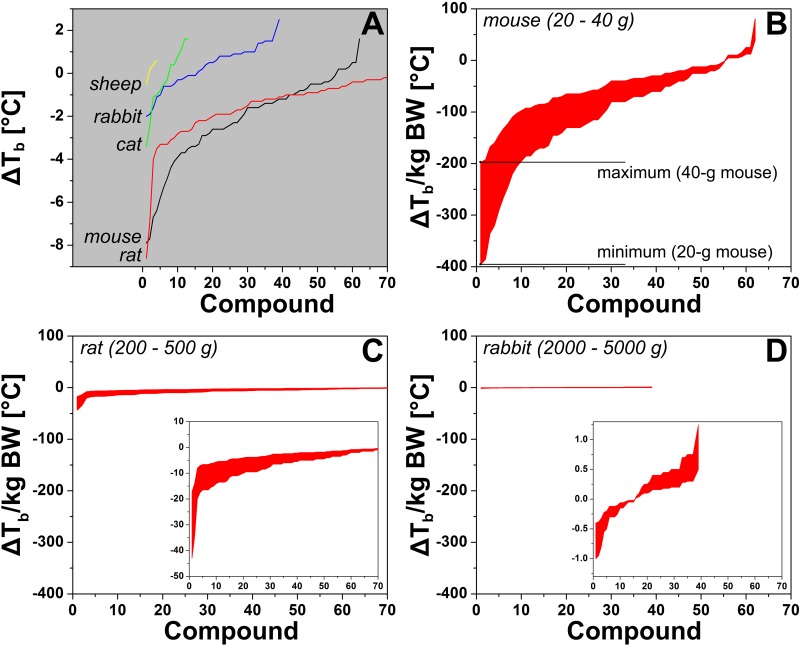
A reduction in body temperature can be achieved by a downward adjustment of the termoneutral zone, a process also described as anapyrexia. Pharmacological induction of anapyrexia could enable numerous applications in medicine. However, little is known about the potential of pharmacological agents to induce anapyrexic signaling. Therefore, a review of literature was performed and over a thousand pharmacologically active compounds were analyzed for their ability to induce anapyrexia in animals. Based on this analysis, eight agents (helium, dimethyl sulfoxide, reserpine, (oxo)tremorine, pentobarbital, (chlor) promazine, insulin, and acetaminophen) were identified as potential anapyrexia-inducing compounds and discussed in detail. The translational pitfalls were also addressed for each candidate compound. Of the agents that were discussed, reserpine, (oxo)tremorine, and (chlor) promazine may possess true anapyrexic properties based on their ability to either affect the thermoneutral zone or its effectors and facilitate hypothermic signaling. However, these properties are currently not unequivocal and warrant further examination in the context of artificially-induced hypometabolism.
体温降低可通过下调热中性区来实现,这一过程也被称为无热症。药物诱导无热症在医学上可有多种应用。然而,对于药物诱导无热症信号传导的潜力知之甚少。因此,进行了文献综述,并分析了一千多种药理活性化合物在动物体内诱导无热症的能力。基于该分析,确定了八种药物(氦气、二甲亚砜、利血平、(氧代)震颤素、戊巴比妥、(氯)丙嗪、胰岛素和对乙酰氨基酚)为潜在的无热症诱导化合物,并进行了详细讨论。还针对每种候选化合物探讨了转化过程中的问题。在所讨论的药物中,利血平、(氧代)震颤素和(氯)丙嗪可能具有真正的无热症特性,因为它们能够影响热中性区或其效应器并促进体温过低信号传导。然而,目前这些特性并不明确,需要在人工诱导的低代谢背景下进一步研究。