Dirkes Marcel C, van Gulik Thomas M, Heger Michal
Department of Experimental Surgery, Academic Medical Center, University of Amsterdam, Amsterdam, the Netherlands.
J Clin Transl Res. 2015 Sep 30;1(2):78-93.
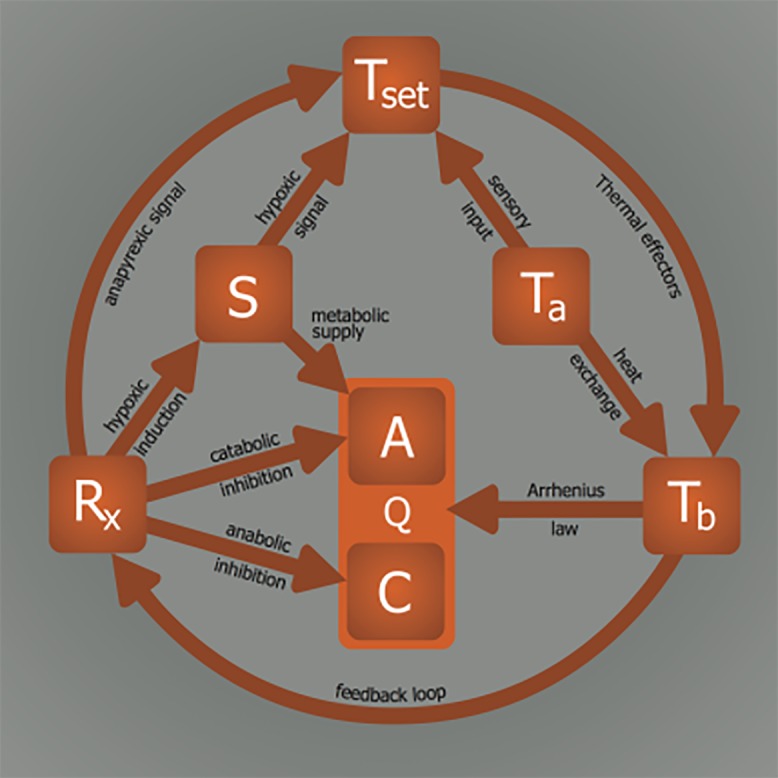
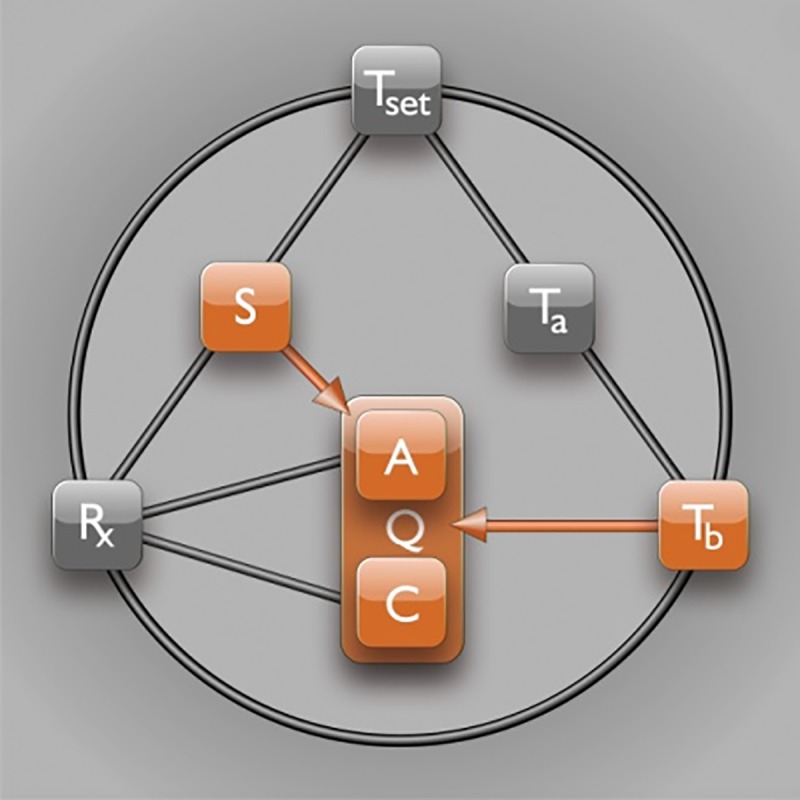
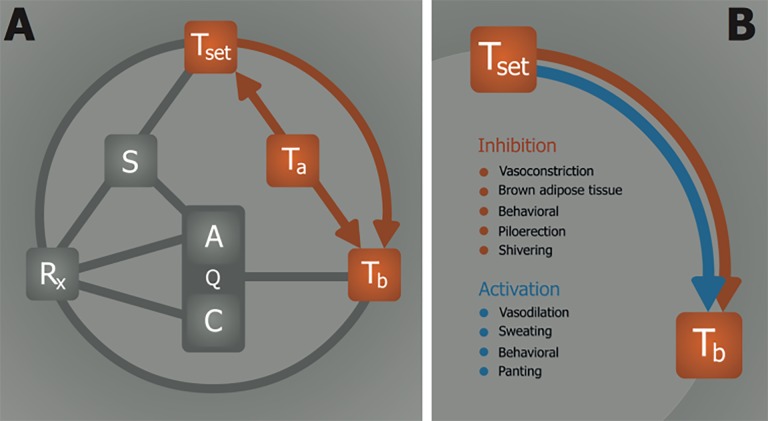
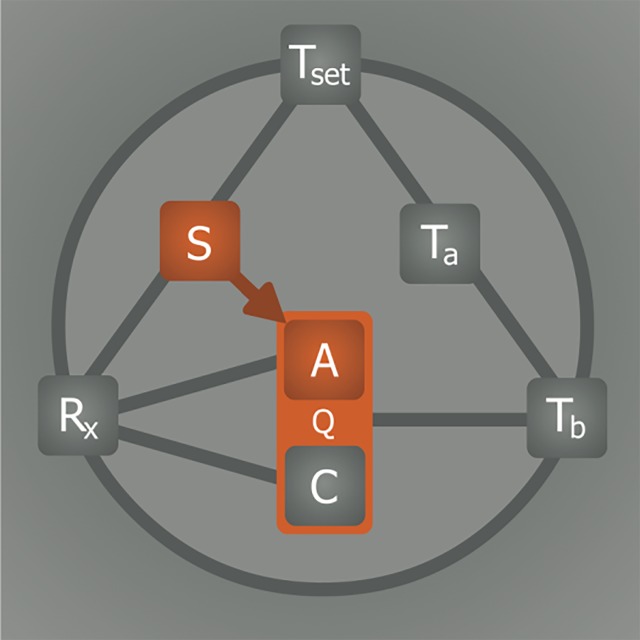
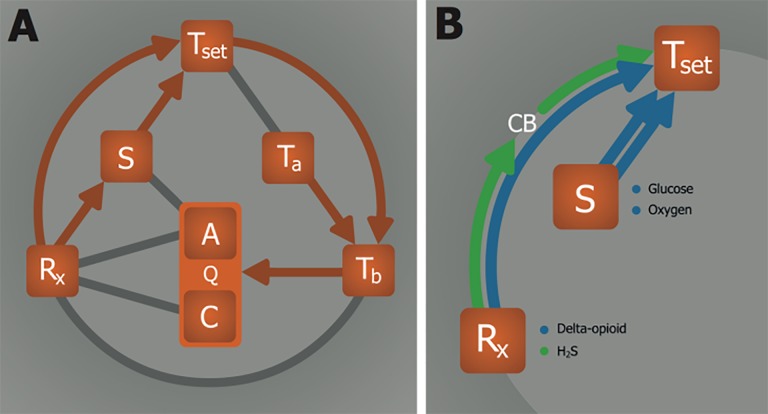
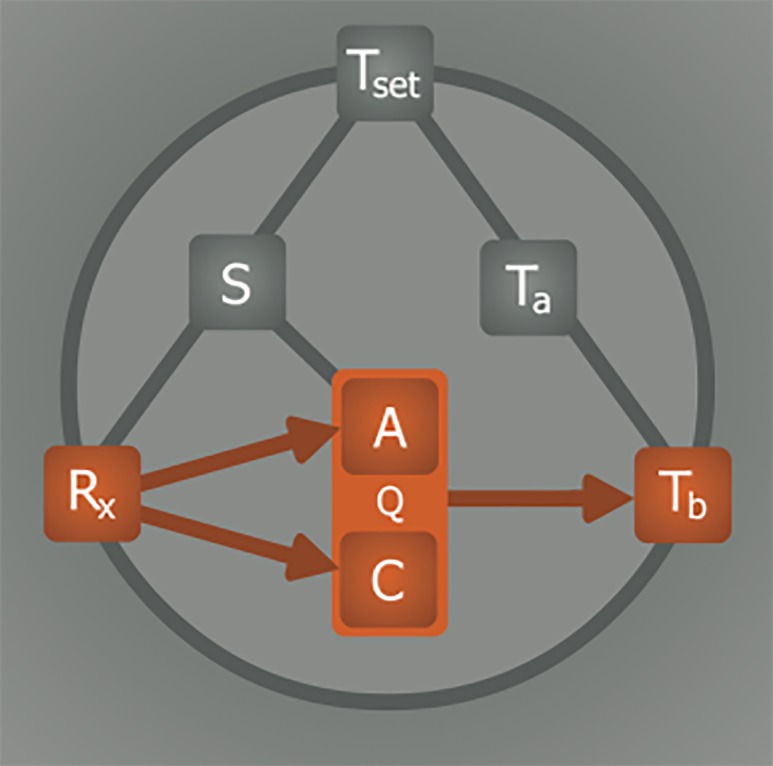
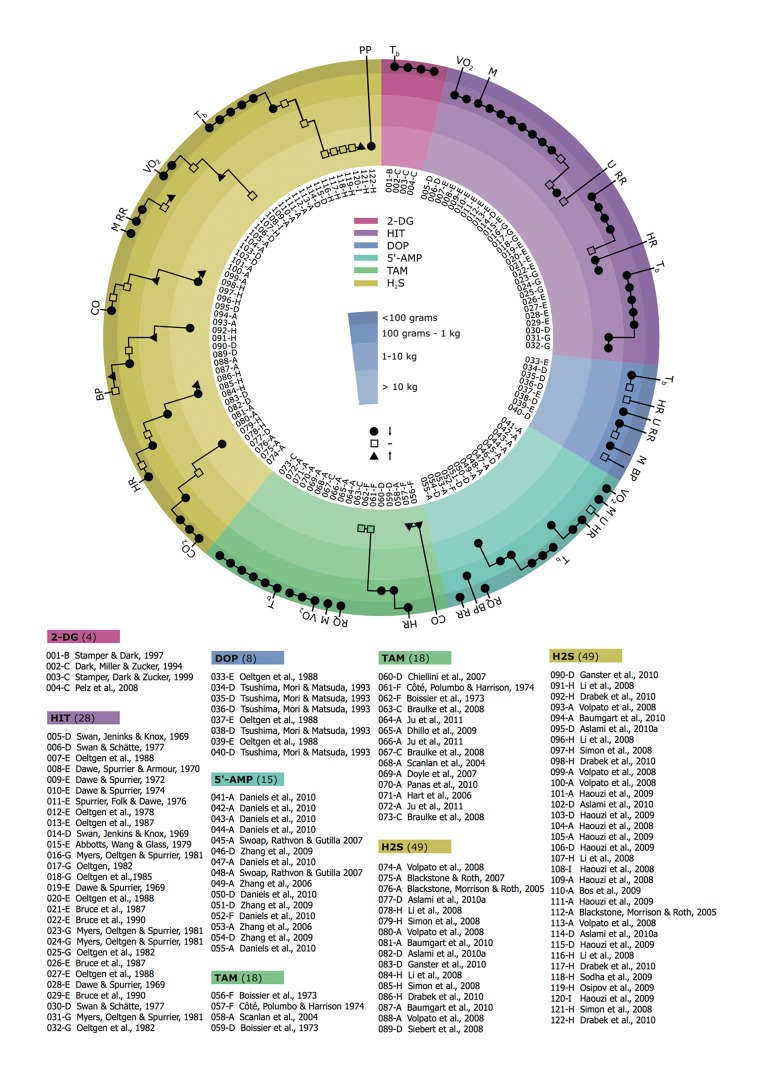
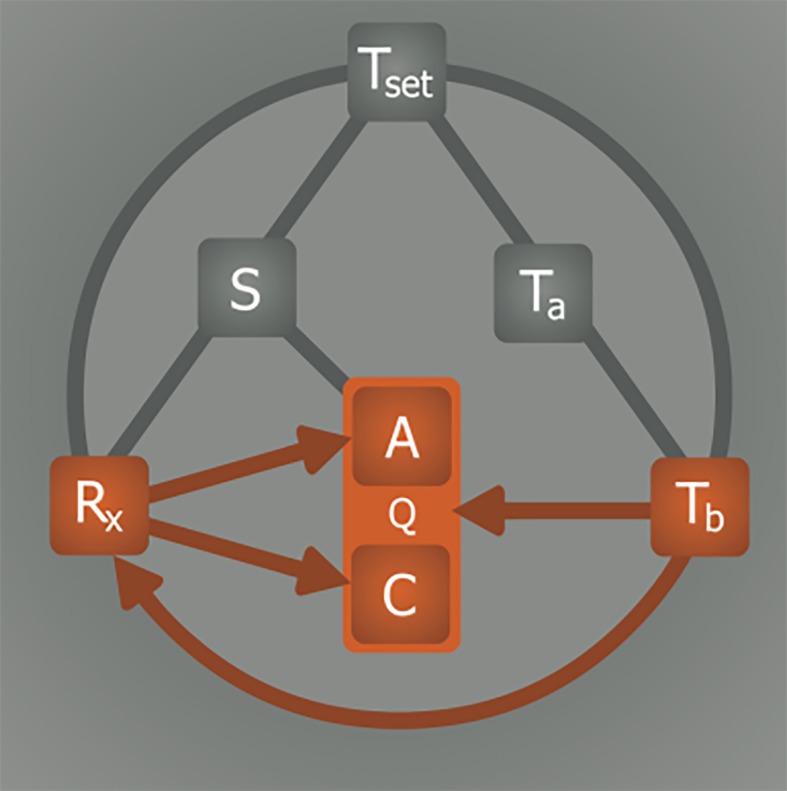
Incomplete understanding of the mechanisms responsible for induction of hibernation prevent translation of natural hibernation to its artificial counterpart. To facilitate this translation, a model was developed that identifies the necessary physiological changes for induction of artificial hibernation. This model encompasses six essential components: metabolism (anabolism and catabolism), body temperature, thermoneutral zone, substrate, ambient temperature, and hibernation-inducing agents. The individual components are interrelated and collectively govern the induction and sustenance of a hypometabolic state. To illustrate the potential validity of this model, various pharmacological agents (hibernation induction trigger, delta-opioid, hydrogen sulfide, 5'-adenosine monophosphate, thyronamine, 2-deoxyglucose, magnesium) are described in terms of their influence on specific components of the model and corollary effects on metabolism. The ultimate purpose of this model is to help expand the paradigm regarding the mechanisms of hibernation from a physiological perspective and to assist in translating this natural phenomenon to the clinical setting.
对诱导冬眠的机制缺乏全面理解,阻碍了将自然冬眠转化为人工冬眠。为推动这种转化,开发了一个模型,该模型确定了诱导人工冬眠所需的生理变化。此模型包含六个基本要素:新陈代谢(合成代谢和分解代谢)、体温、热中性区、底物、环境温度以及冬眠诱导剂。各个要素相互关联,共同调控低代谢状态的诱导和维持。为说明该模型的潜在有效性,阐述了各种药理剂(冬眠诱导触发剂、δ-阿片类药物、硫化氢、5'-单磷酸腺苷、甲状腺胺、2-脱氧葡萄糖、镁)对模型特定要素的影响以及对新陈代谢的相应作用。该模型的最终目的是从生理学角度帮助拓展关于冬眠机制的范式,并协助将这一自然现象应用于临床环境。