Division of Cell-Based Therapeutic Products, National Institute of Health Sciences, 3-25-26 Tonomachi, Kawasaki-ku, Kawasaki, Kanagawa, 210-9501, Japan.
Department of Cardiovascular Surgery, Osaka University Graduate School of Medicine, 2-2 Yamada-oka, Suita, Osaka, 565-0871, Japan.
Sci Rep. 2019 Mar 15;9(1):4638. doi: 10.1038/s41598-019-40915-w.
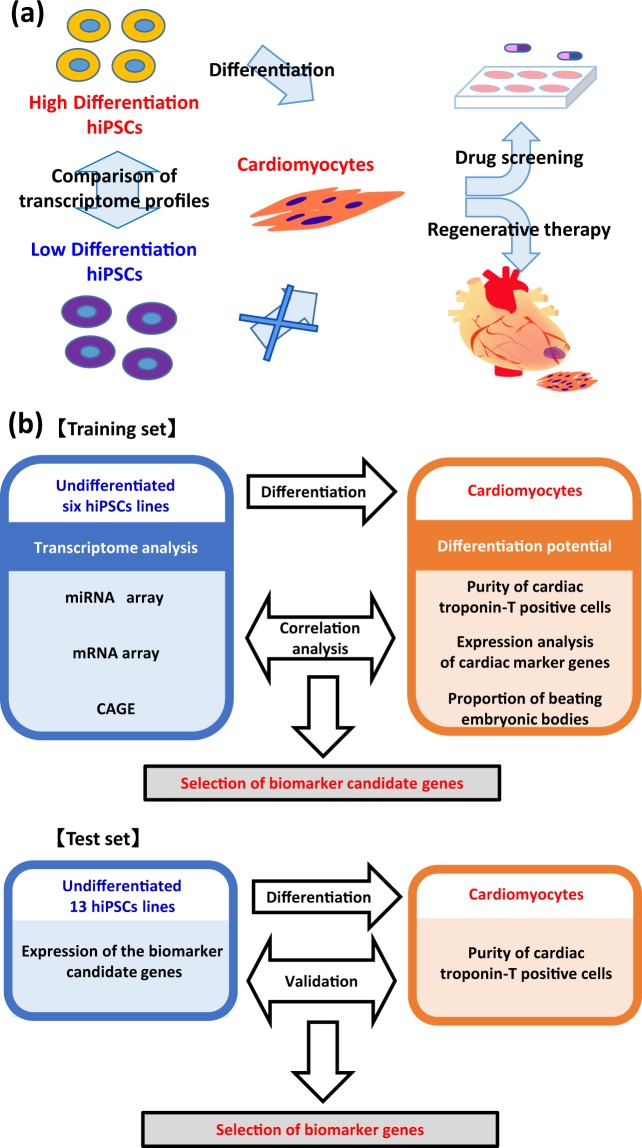
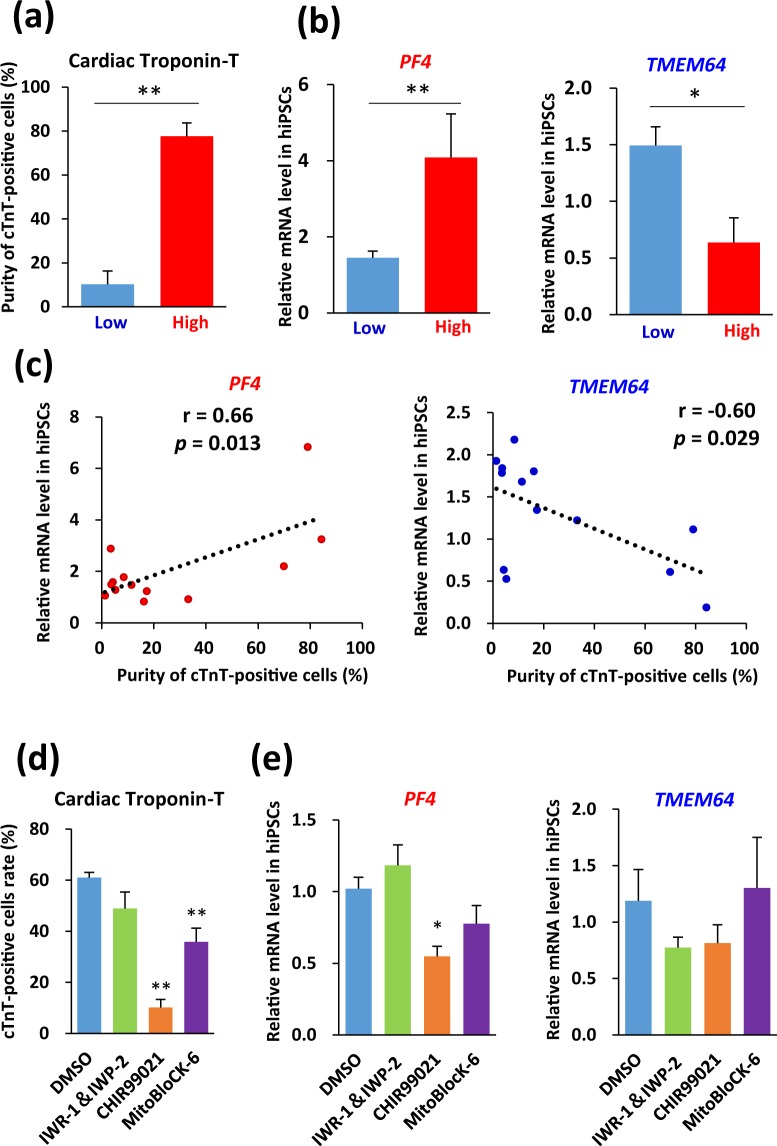
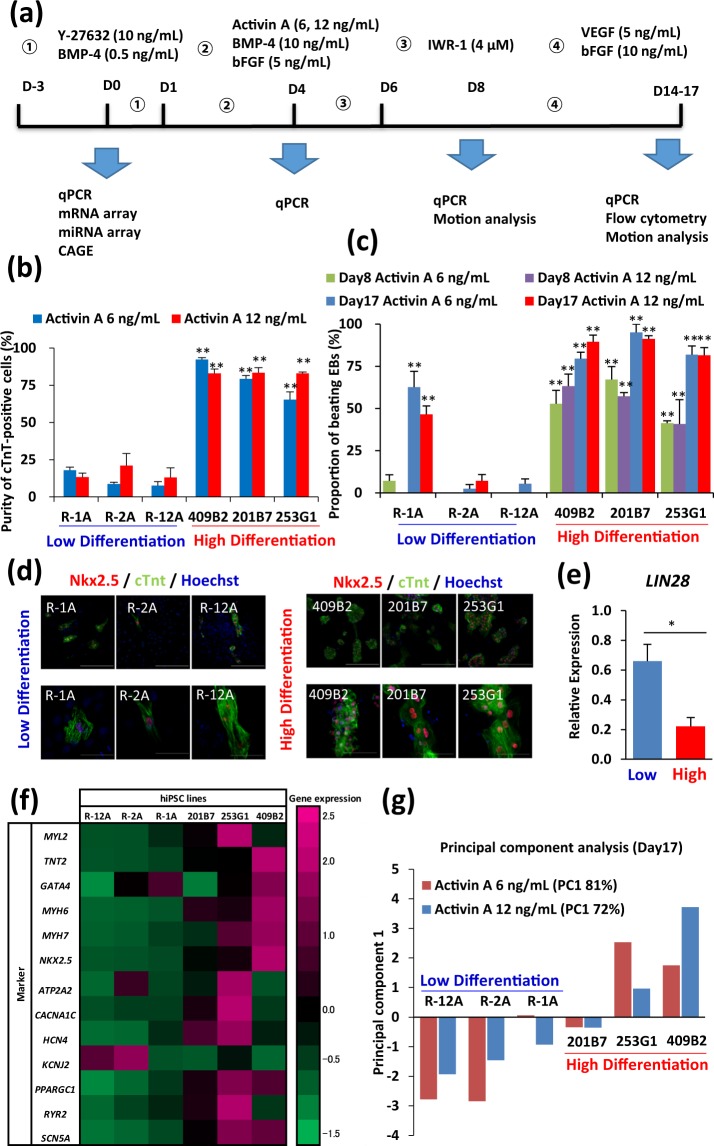
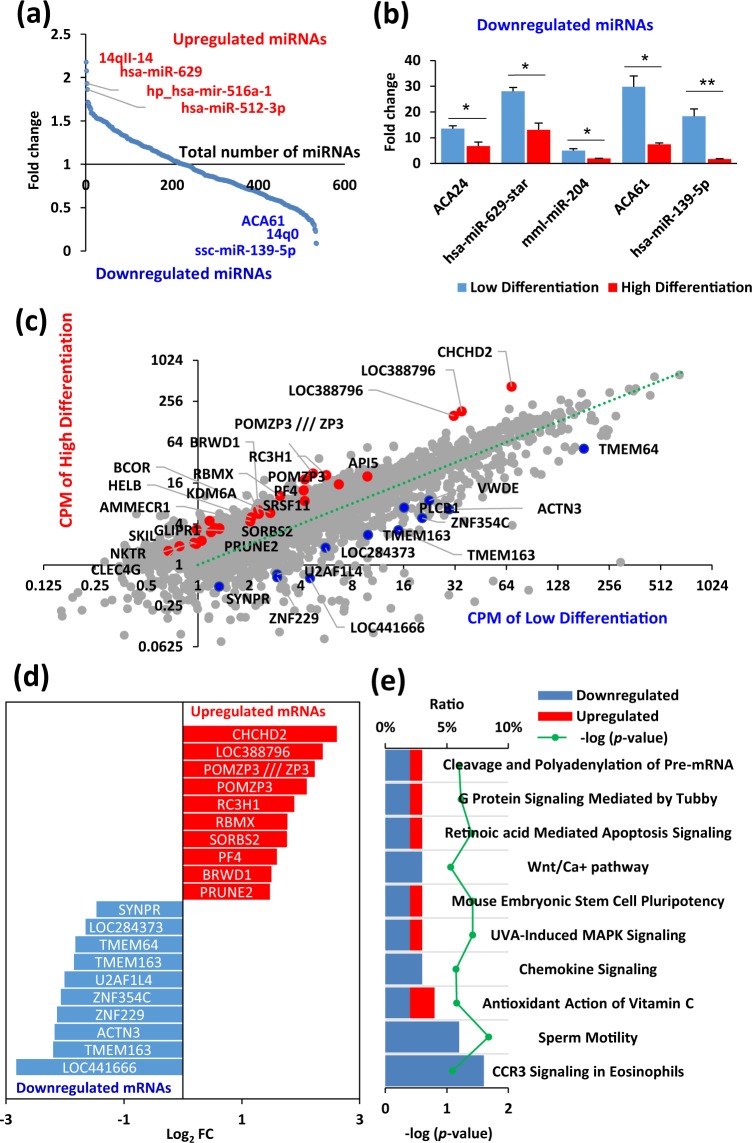
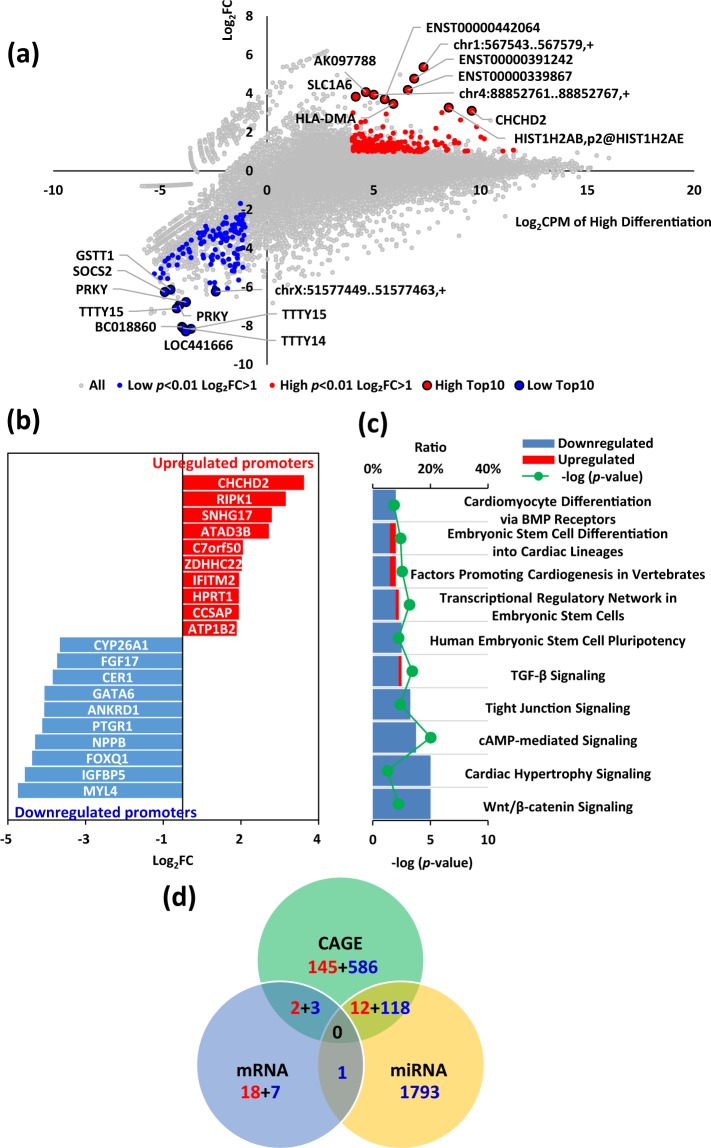
Selection of human induced pluripotent stem cell (hiPSC) lines with high cardiac differentiation potential is important for regenerative therapy and drug screening. We aimed to identify biomarkers for predicting cardiac differentiation potential of hiPSC lines by comparing the gene expression profiles of six undifferentiated hiPSC lines with different cardiac differentiation capabilities. We used three platforms of gene expression analysis, namely, cap analysis of gene expression (CAGE), mRNA array, and microRNA array to efficiently screen biomarkers related to cardiac differentiation of hiPSCs. Statistical analysis revealed candidate biomarker genes with significant correlation between the gene expression levels in the undifferentiated hiPSCs and their cardiac differentiation potential. Of the candidate genes, PF4 was validated as a biomarker expressed in undifferentiated hiPSCs with high potential for cardiac differentiation in 13 additional hiPSC lines. Our observations suggest that PF4 may be a useful biomarker for selecting hiPSC lines appropriate for the generation of cardiomyocytes.
选择具有高心脏分化潜力的人诱导多能干细胞(hiPSC)系对于再生治疗和药物筛选非常重要。我们旨在通过比较六个具有不同心脏分化能力的未分化 hiPSC 系的基因表达谱,来鉴定预测 hiPSC 系心脏分化潜力的生物标志物。我们使用了三种基因表达分析平台,即基因表达捕获分析(CAGE)、mRNA 阵列和 microRNA 阵列,来有效地筛选与 hiPSC 心脏分化相关的生物标志物。统计分析揭示了候选生物标志物基因,这些基因的表达水平在未分化的 hiPSC 与其心脏分化潜力之间具有显著相关性。在另外 13 个人类诱导多能干细胞系中,PF4 被验证为具有高心脏分化潜力的未分化人类诱导多能干细胞中的一个标志物。我们的观察结果表明,PF4 可能是选择适合生成心肌细胞的人类诱导多能干细胞系的有用生物标志物。