Centre for Movement, Occupational and Rehabilitation Sciences, Oxford Brookes University, Oxford OX3 0BP, UK.
Int J Mol Sci. 2019 Mar 14;20(6):1301. doi: 10.3390/ijms20061301.
to examine the extent of effect vitamin D in Multiple Sclerosis (MS) on pathology and symptoms.
A literature search was performed in November 2018 (CRD42018103615). Eligibility criteria: randomised control trials in English from 2012 to 2018; a clinical diagnosis of MS; interventions containing vitamin D supplementation (vitamin D3 or calcitriol) in disease activity compared to a control/placebo; improvement in: serum 25(OH)D, relapse rates, disability status by Expanded Disability Status Scale (EDSS) scores, cytokine profile, quality of life, mobility, T2 lesion load and new T2 or T1 Gd enhancing lesions, safety and adverse effects. Risk of bias was evaluated.
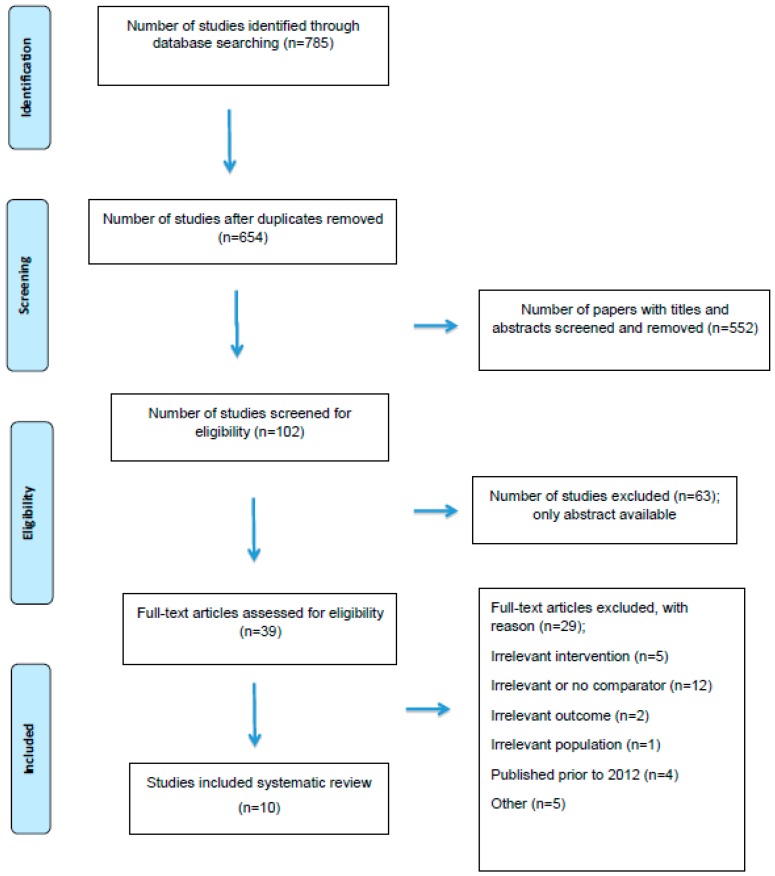
Ten studies were selected. The study size ranged from 40 to 94 people. All studies evaluated the use of vitamin D supplementation (ranging from 10 to 98,000 IU), comparing to a placebo or low dose vitamin D. The duration of the intervention ranged from 12 to 96 weeks. One trial found a significant effect on EDSS score, three demonstrated a significant change in serum cytokines level, one found benefits to current enhancing lesions and three studies evaluating the safety and tolerability of vitamin D reported no serious adverse events. Disease measures improved to a greater extent overall in those with lower baseline serum 25(OH)D levels.
As shown in 3 out of 10 studies, improvement in disease measures may be more apparent in those with lower baseline vitamin D levels.
探讨维生素 D 在多发性硬化症 (MS) 中的作用对病理和症状的影响程度。
2018 年 11 月进行文献检索(CRD42018103615)。纳入标准:2012 年至 2018 年发表的英语随机对照试验;临床诊断为 MS;干预措施包括与对照组/安慰剂相比,活性疾病中补充维生素 D(维生素 D3 或骨化三醇);改善:血清 25(OH)D、复发率、扩展残疾状况量表 (EDSS) 评分的残疾状况、细胞因子谱、生活质量、移动性、T2 病变负荷和新的 T2 或 T1 Gd 增强病变、安全性和不良反应。评估偏倚风险。
选择了 10 项研究。研究规模从 40 人到 94 人不等。所有研究均评估了维生素 D 补充剂的使用(范围从 10 到 98000 IU),与安慰剂或低剂量维生素 D 进行比较。干预持续时间从 12 周到 96 周不等。一项试验发现 EDSS 评分有显著影响,三项试验表明血清细胞因子水平有显著变化,一项试验发现对当前增强病变有好处,三项评估维生素 D 安全性和耐受性的研究报告没有严重不良事件。基线血清 25(OH)D 水平较低的患者整体疾病指标改善程度更大。
正如 10 项研究中的 3 项所示,基线维生素 D 水平较低的患者疾病指标的改善可能更为明显。