Jin Zhi-Jiang, Gao Zhi-Xin, Li Xiao-Juan, Qian Jin-Yuan
Institute of Process Equipment, College of Energy Engineering, Zhejiang University, Hangzhou 310027, China.
Department of Energy Sciences, Lund University, SE-22100 Lund, Sweden.
Micromachines (Basel). 2019 Mar 15;10(3):191. doi: 10.3390/mi10030191.
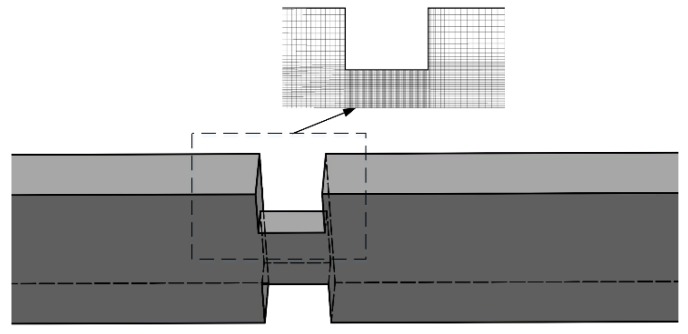
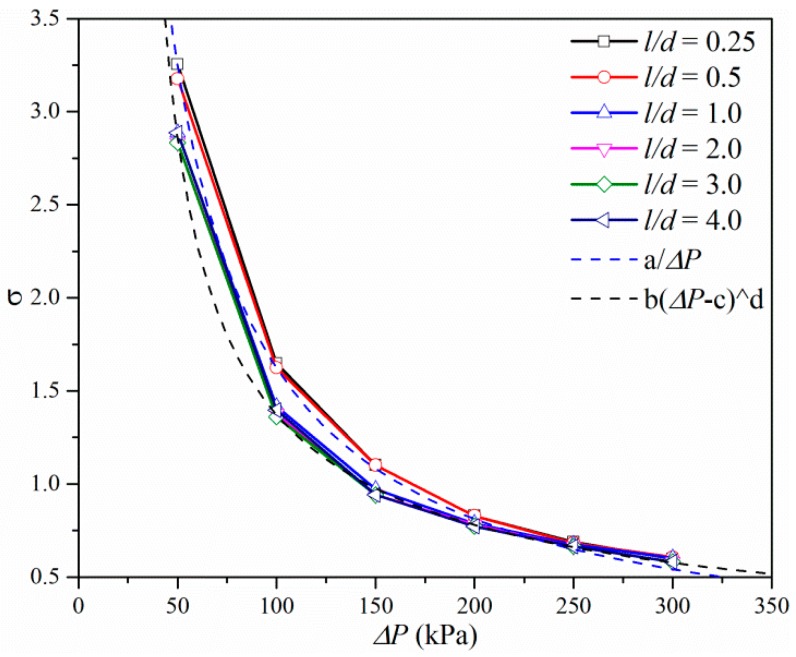
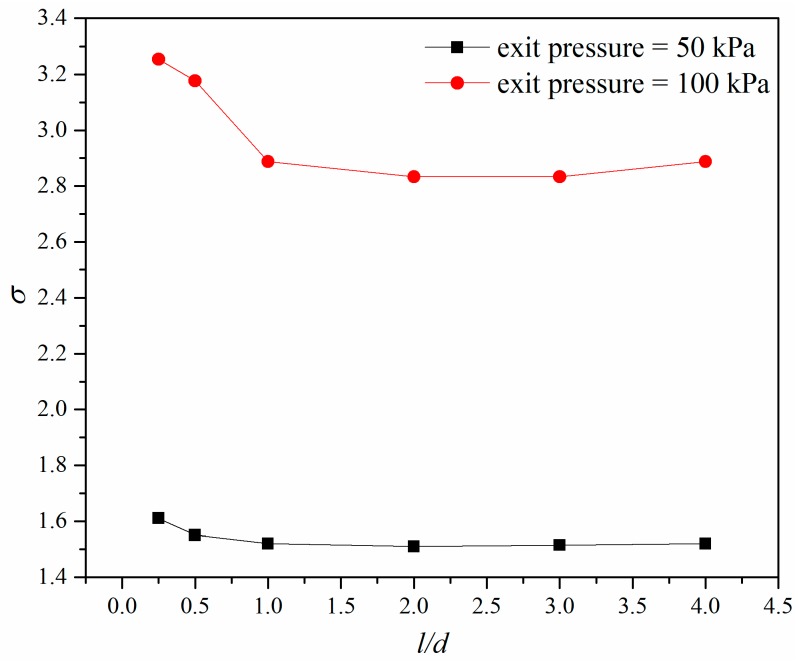
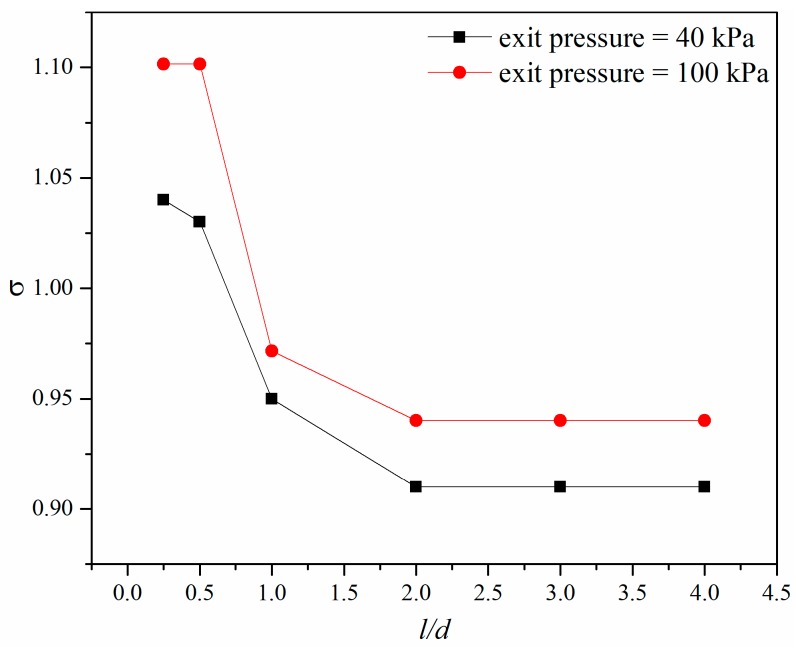
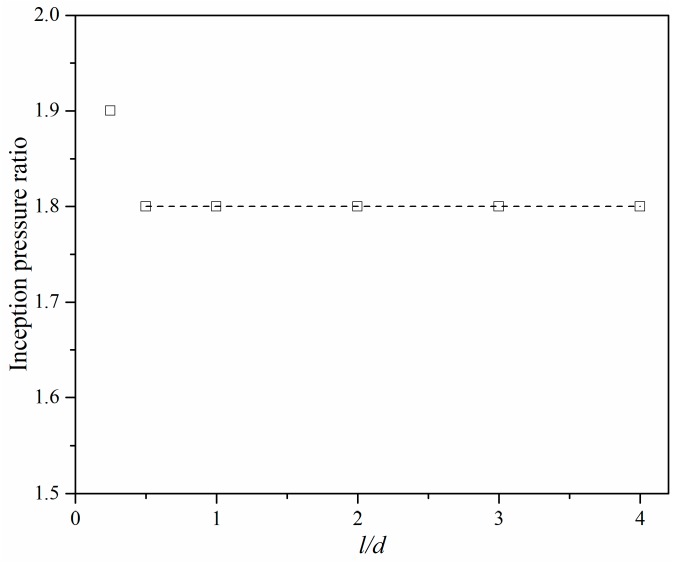
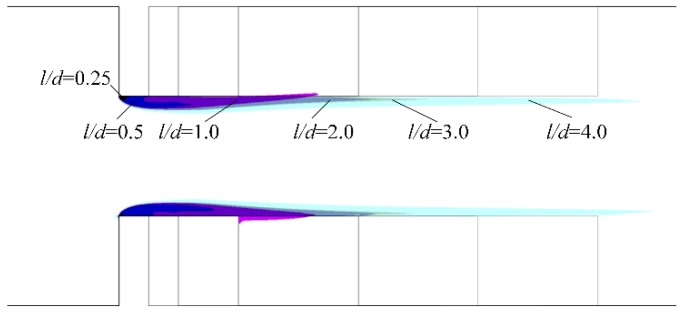
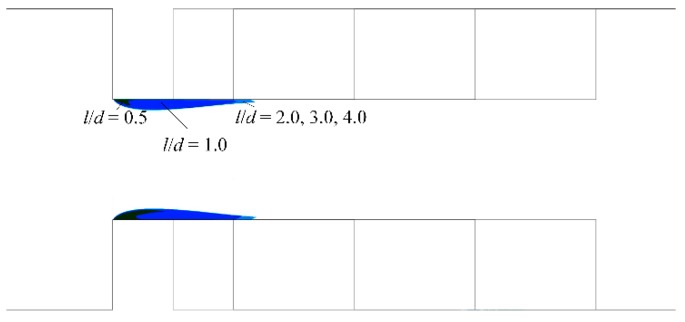
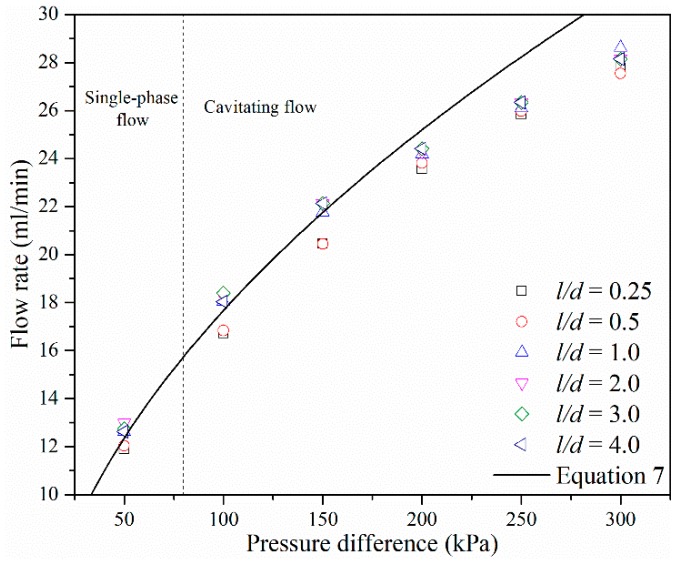
Microfluidic systems have witnessed rapid development in recent years. As one of the most common structures, the micro-orifice is always included inside microfluidic systems. Hydrodynamic cavitation in the micro-orifice has been experimentally discovered and is harmful to microfluidic systems. This paper investigates cavitating flow through a micro-orifice. A rectangular micro-orifice with a ratio varying from 0.25 to 4 was selected and the pressure difference between the inlet and outlet varied from 50 to 300 kPa. Results show that cavitation intensity increased with an increase in pressure difference. Decreasing exit pressure led to a decrease in cavitation number and cavitation could be prevented by increasing the exit pressure. In addition, the vapor cavity also increased with an increase in pressure difference and ratio. Results also show the pressure ratio at cavitation inception was 1.8 when was above 0.5 and the cavitation number almost remained constant when was larger than 2. Moreover, there was an apparent difference in cavitation number depending on whether was larger than 1.
近年来,微流控系统发展迅速。作为最常见的结构之一,微流体系统中总是包含微孔。微孔中的水力空化已通过实验发现,并且对微流体系统有害。本文研究了通过微孔的空化流动。选择了长宽比在0.25至4之间变化的矩形微孔,进出口之间的压差在50至300 kPa之间变化。结果表明,空化强度随压差的增加而增加。出口压力降低导致空化数减少,增加出口压力可防止空化。此外,蒸汽腔也随压差和长宽比的增加而增加。结果还表明,当长宽比大于0.5时,空化起始时的压力比为1.8,当长宽比大于2时,空化数几乎保持不变。此外,根据长宽比是否大于1,空化数存在明显差异。