Cancer Metastasis Alert and Prevention Center, College of Chemistry, Fujian Provincial Key Laboratory of Cancer Metastasis Chemoprevention and Chemotherapy, Fuzhou University, Fuzhou, China.
Fujian Provincial People's Hospital Affiliated to Fujian University of Traditional Chinese Medicine, Fuzhou 350004, China.
EBioMedicine. 2019 Apr;42:281-295. doi: 10.1016/j.ebiom.2019.03.018. Epub 2019 Mar 14.
Treatment multiple tumors by immune therapy can be achieved by mobilizing both innate and adaptive immunity. The programmed death ligand 1 (PD-L1; or CD274, B7-H1) is a critical "don't find me" signal to the adaptive immune system. Equally CD47 is a critical "don't eat me" signal to the innate immune system and a regulator of the adaptive immune response.
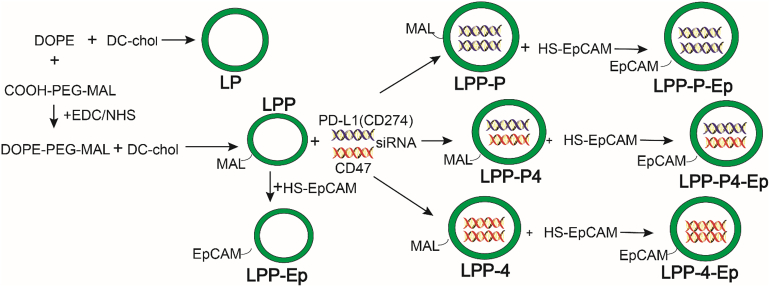
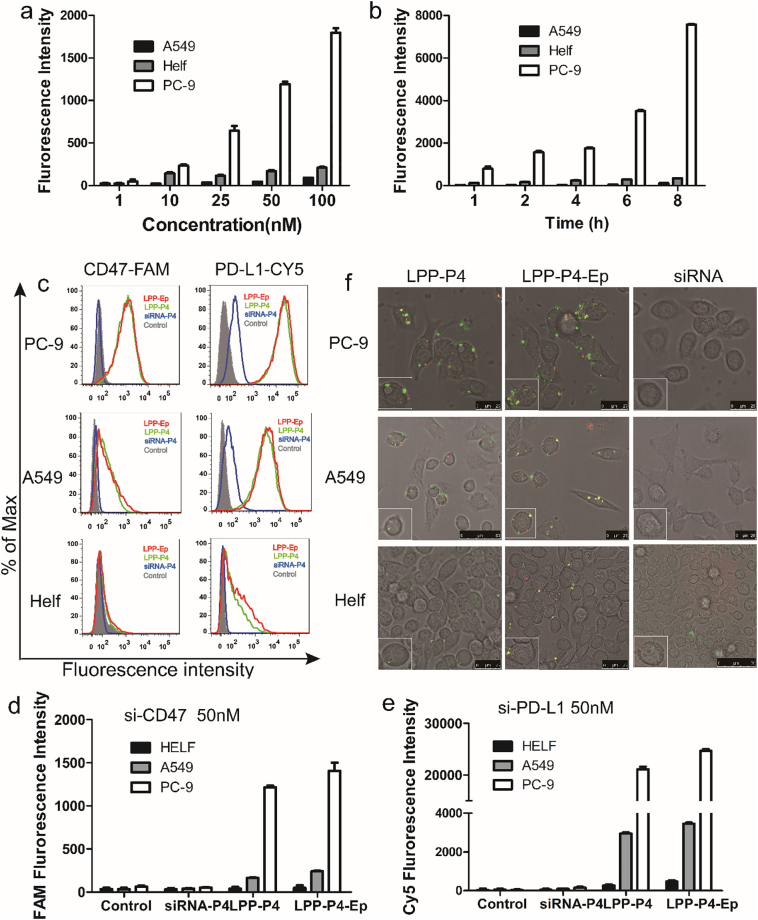
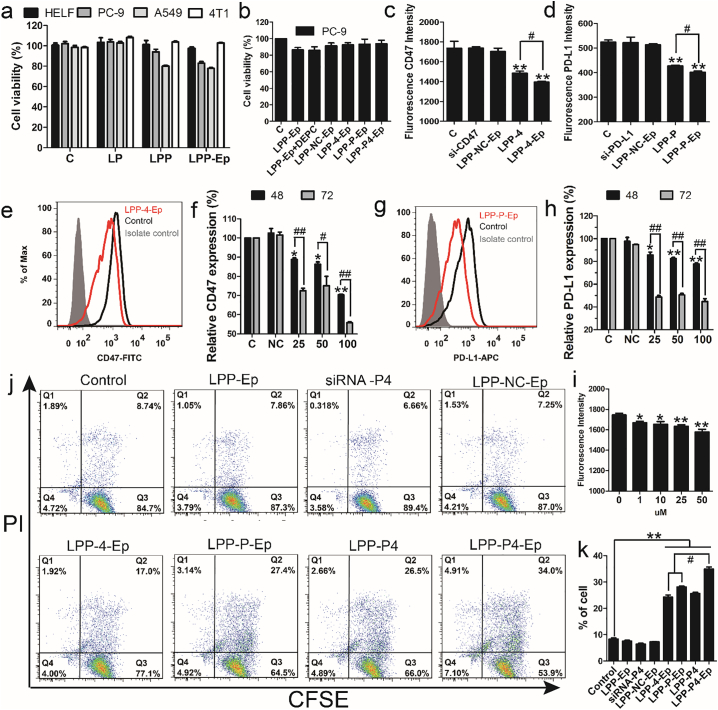
Both of CD47 and PD-L1 are overexpressed on the surface of cancer cells to enable to escape immune-surveillance. We designed EpCAM (epithelial cell adhesion molecule)-targeted cationic liposome (LPP-P4-Ep) containing si-CD47 and si-PD-L1 could target high-EpCAM cancer cells and knockdown both CD47 and PD-L1 proteins.
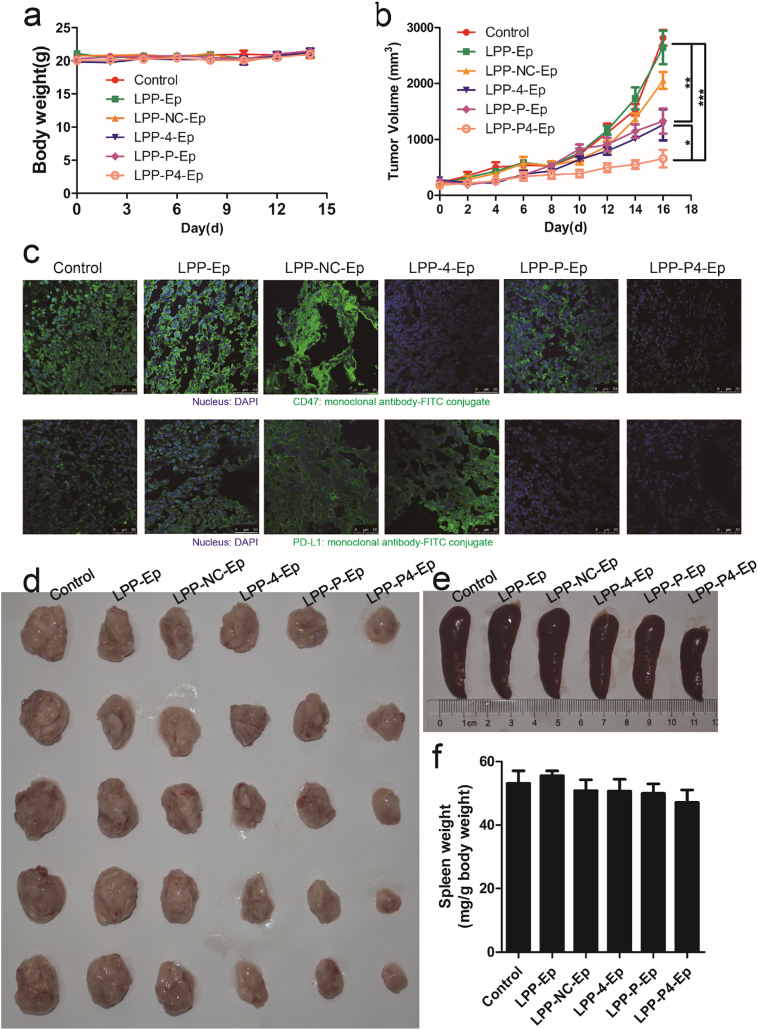
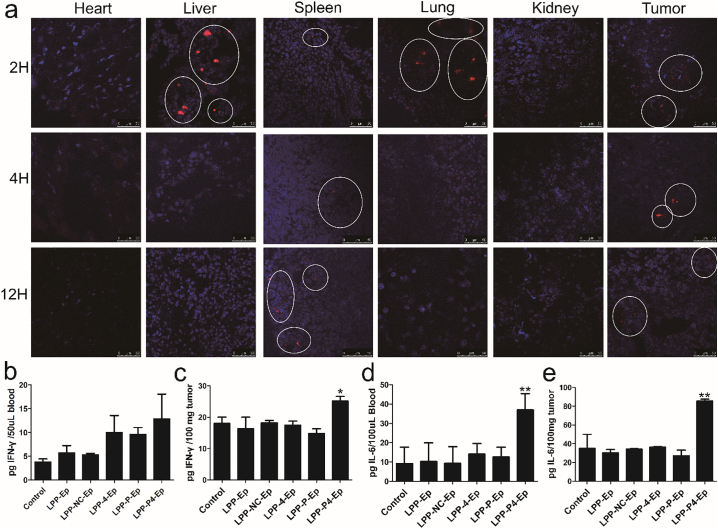
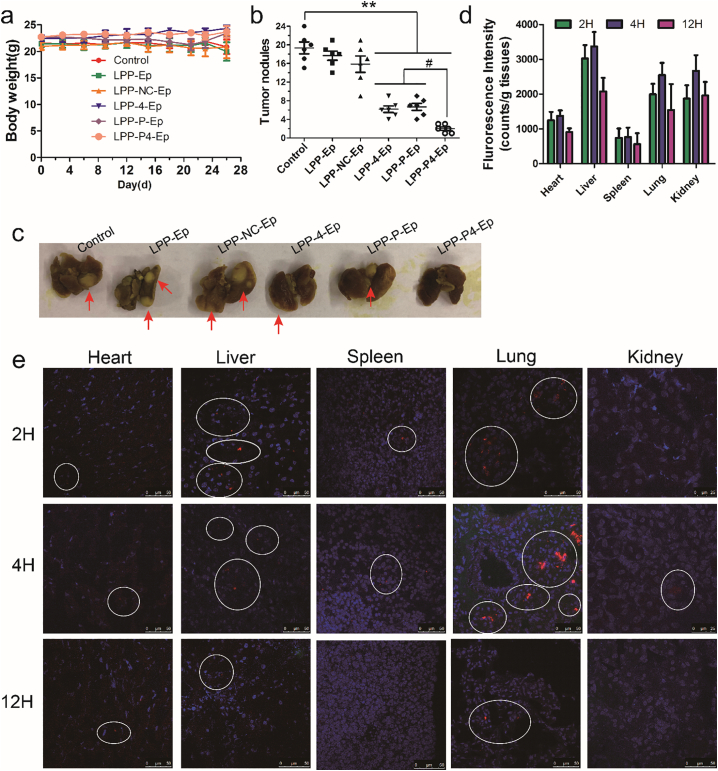
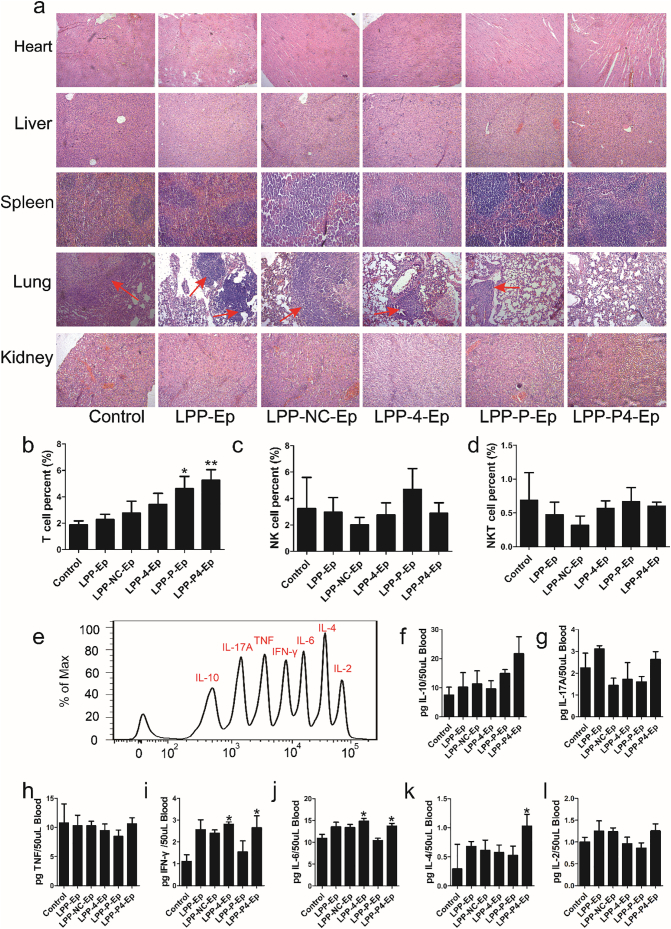
Efficient silencing of CD47 and PD-L1 versus single gene silencing in vivo by systemic administration of LPP-P4-Ep could significantly inhibited the growth of solid tumors in subcutaneous and reduced lung metastasis in lung metastasis model. Target delivery of the complexes LPP-P4-Ep increased anti-tumor T cell and NK cell response, and release various cytokines including IFN-γ and IL-6 in vivo and in vitro.
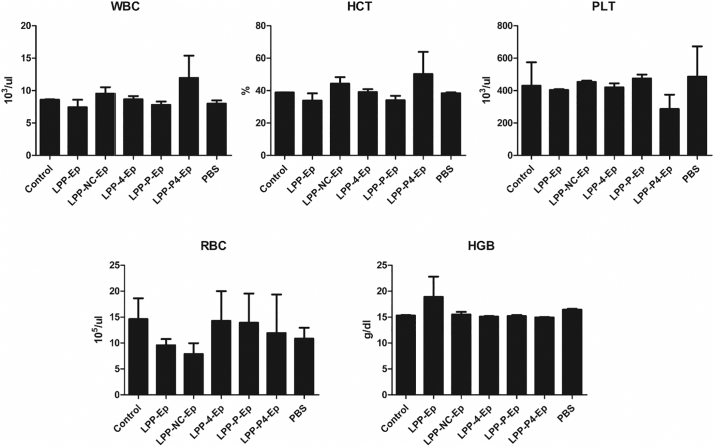
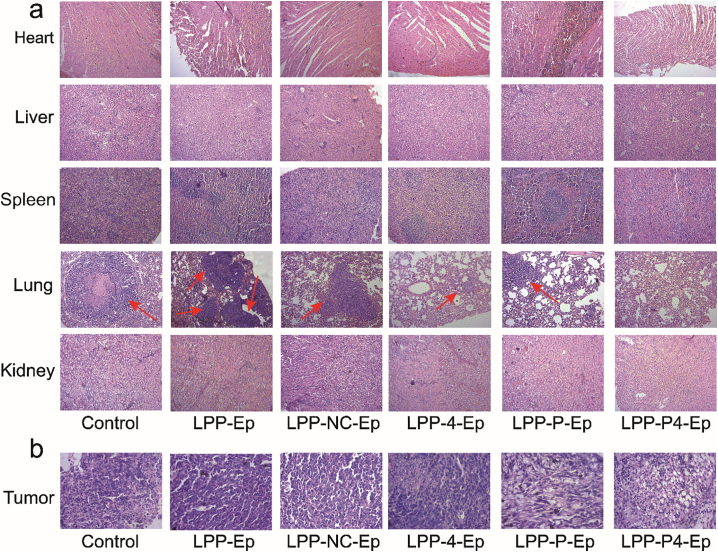
This multi-nanoparticles showed significantly high-EpCAM tumor targeting and lower toxicity, and enhanced immune therapeutic efficacy. Our data indicated that dual-blockade tumor cell-specific innate and adaptive checkpoints represents an improved strategy for tumor immunotherapy. FUND: This research supported by the Ministry of Science and Technology of the People's Republic of China (grant number 2015CB931804); the National Natural Science Foundation of China (NSFC, grant numbers 81703555, U1505225 and 81773063), and the China Postdoctoral Science Foundation (grant number 2017 M620268).
通过调动先天免疫和适应性免疫,免疫疗法可以治疗多种肿瘤。程序性死亡配体 1(PD-L1;或 CD274、B7-H1)是适应性免疫系统的一个关键的“别找我”信号。同样,CD47 是先天免疫系统的一个关键的“别吃我”信号,也是适应性免疫反应的调节剂。
癌细胞表面过度表达 CD47 和 PD-L1,使它们能够逃避免疫监视。我们设计了 EpCAM(上皮细胞黏附分子)靶向阳离子脂质体(LPP-P4-Ep),其中包含 si-CD47 和 si-PD-L1,可以靶向高表达 EpCAM 的癌细胞,并敲低 CD47 和 PD-L1 蛋白。
通过系统给予 LPP-P4-Ep,体内对 CD47 和 PD-L1 的有效沉默与单一基因沉默相比,可显著抑制皮下实体瘤的生长,并减少肺转移模型中的肺转移。复合物 LPP-P4-Ep 的靶向递送增加了抗肿瘤 T 细胞和 NK 细胞的反应,并在体内和体外释放了各种细胞因子,包括 IFN-γ和 IL-6。
这种多纳米粒子对高表达 EpCAM 的肿瘤具有明显的靶向性,且毒性较低,增强了免疫治疗效果。我们的数据表明,双重阻断肿瘤细胞特异性先天和适应性检查点代表了一种改善肿瘤免疫治疗的策略。
本研究得到中华人民共和国科学技术部(2015CB931804 号)、国家自然科学基金(NSFC,81773063、U1505225 和 81773555 号)和中国博士后科学基金(2017 M620268 号)的支持。