• 文献检索
  • 文档翻译
  • 深度研究
  • 学术资讯
  • Suppr Zotero 插件Zotero 插件
  • 邀请有礼
  • 套餐&价格
  • 历史记录
应用&插件
Suppr Zotero 插件Zotero 插件浏览器插件Mac 客户端Windows 客户端微信小程序
定价
高级版会员购买积分包购买API积分包
服务
文献检索文档翻译深度研究API 文档MCP 服务
关于我们
关于 Suppr公司介绍联系我们用户协议隐私条款
关注我们

Suppr 超能文献

核心技术专利:CN118964589B侵权必究
粤ICP备2023148730 号-1Suppr @ 2026

文献检索

告别复杂PubMed语法,用中文像聊天一样搜索,搜遍4000万医学文献。AI智能推荐,让科研检索更轻松。

立即免费搜索

文件翻译

保留排版,准确专业,支持PDF/Word/PPT等文件格式,支持 12+语言互译。

免费翻译文档

深度研究

AI帮你快速写综述,25分钟生成高质量综述,智能提取关键信息,辅助科研写作。

立即免费体验

出芽酵母先驱转录因子的解离速率补偿机制。

Dissociation rate compensation mechanism for budding yeast pioneer transcription factors.

机构信息

Biophysics Graduate Program, The Ohio State University, Columbus, United States.

Department of Biochemistry and Molecular Biology, The Pennsylvania State University, State College, United States.

出版信息

Elife. 2019 Mar 19;8:e43008. doi: 10.7554/eLife.43008.

DOI:10.7554/eLife.43008
PMID:30888317
原文链接:https://pmc.ncbi.nlm.nih.gov/articles/PMC6449090/
Abstract

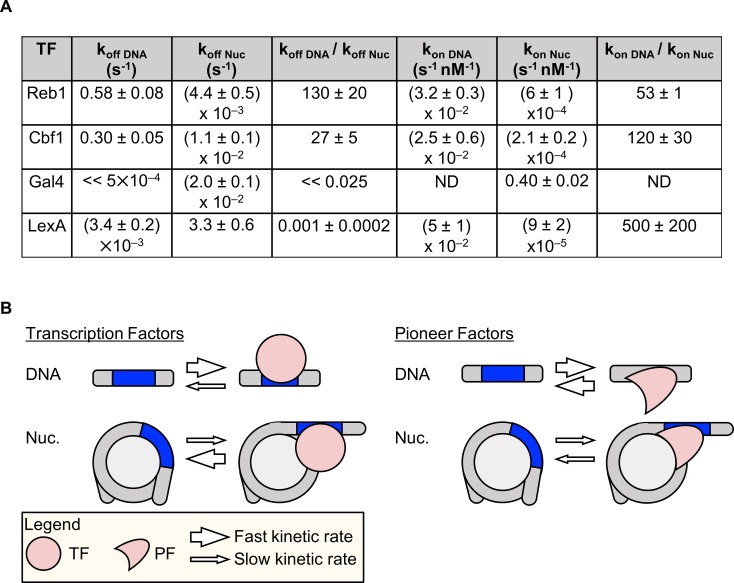
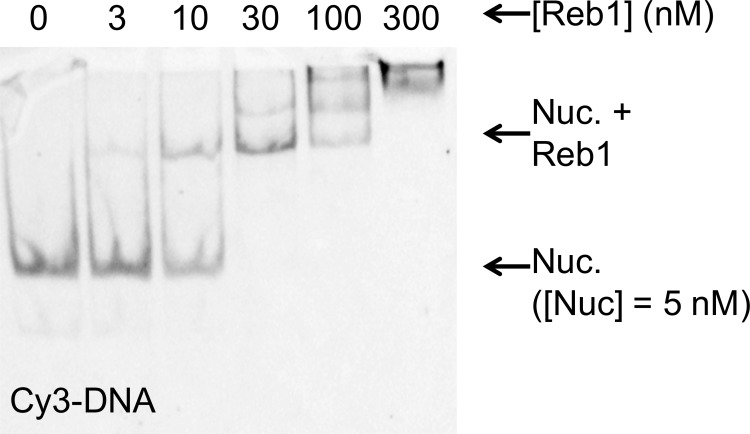
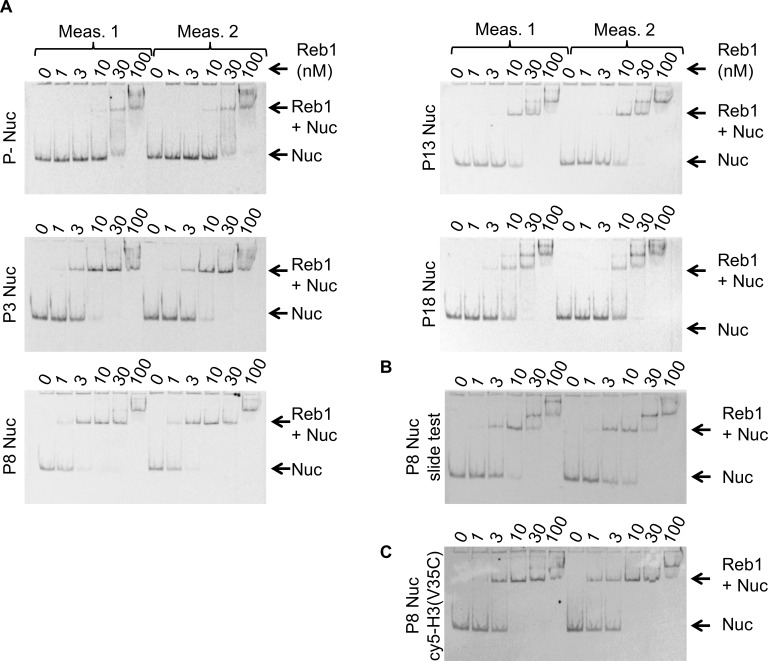
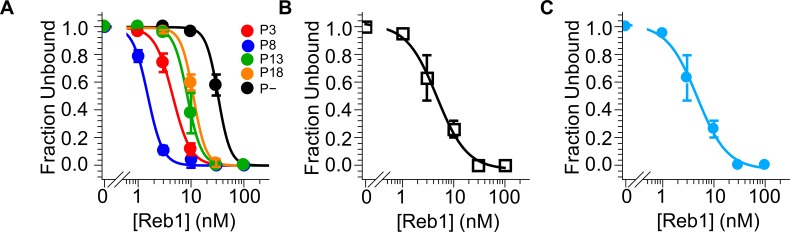
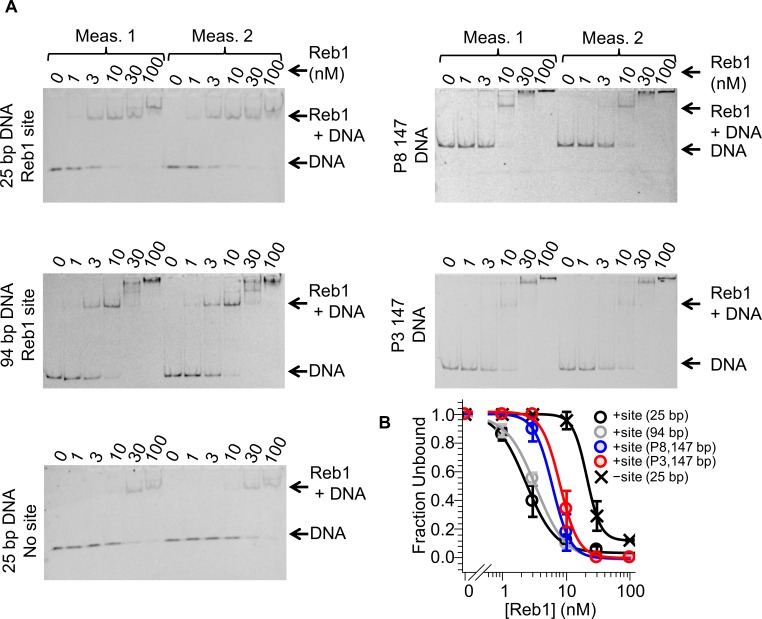
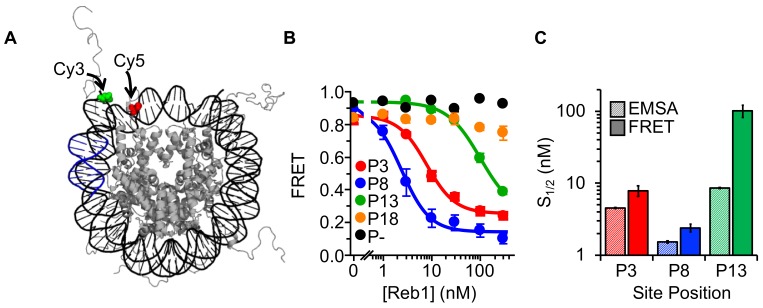
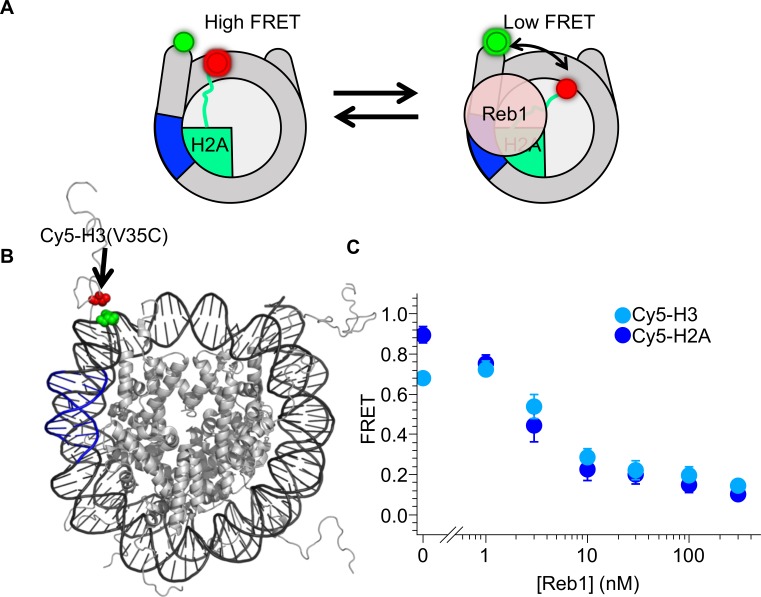
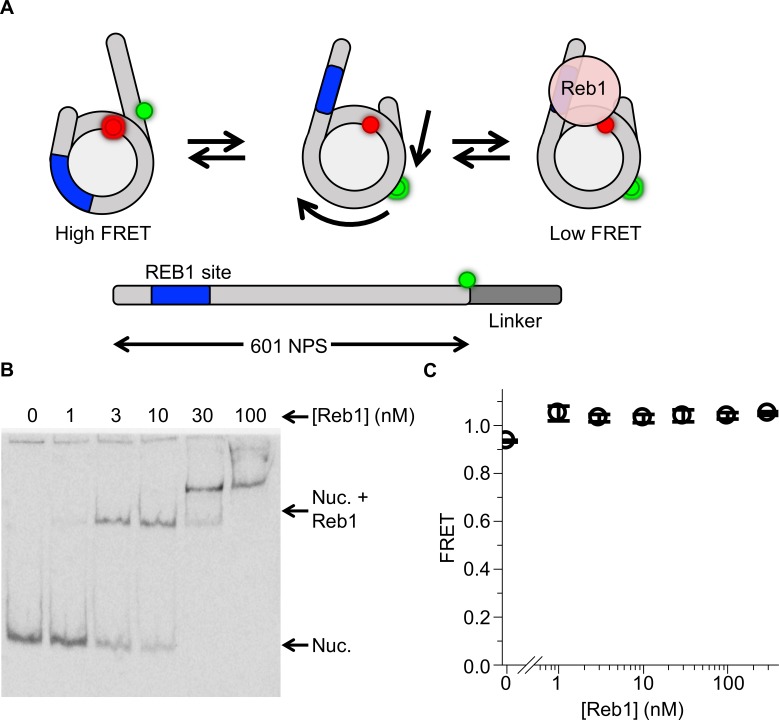
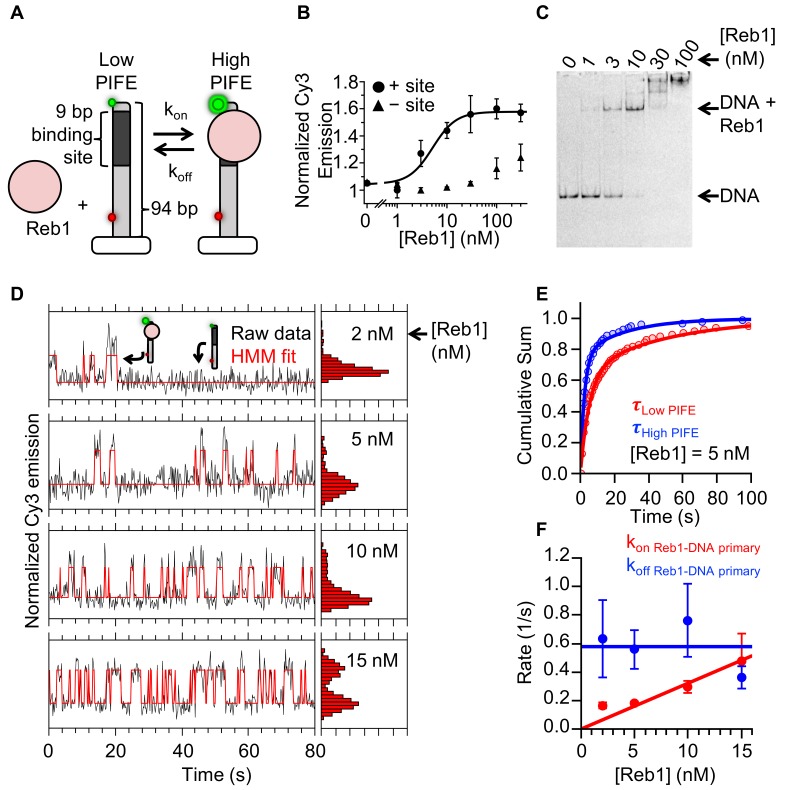
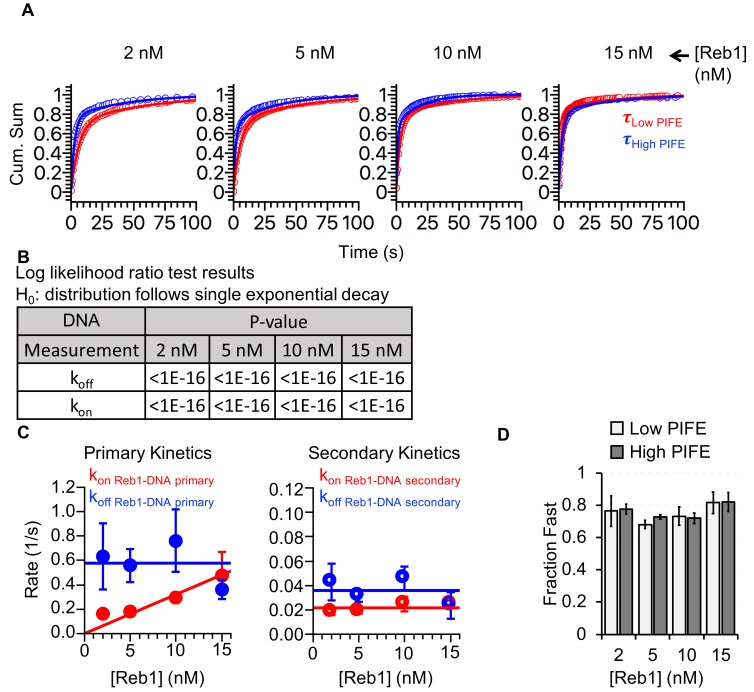
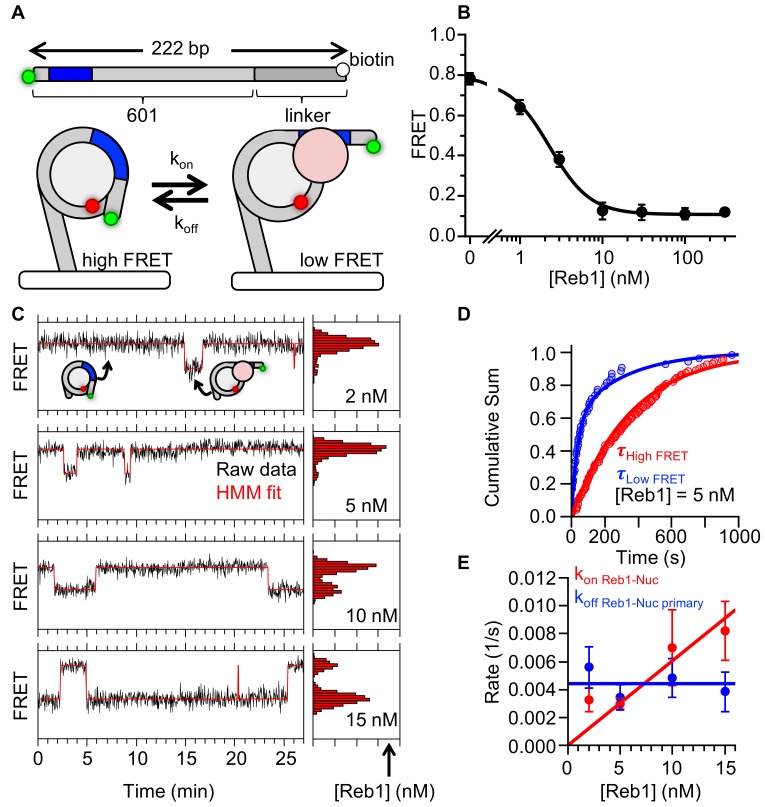
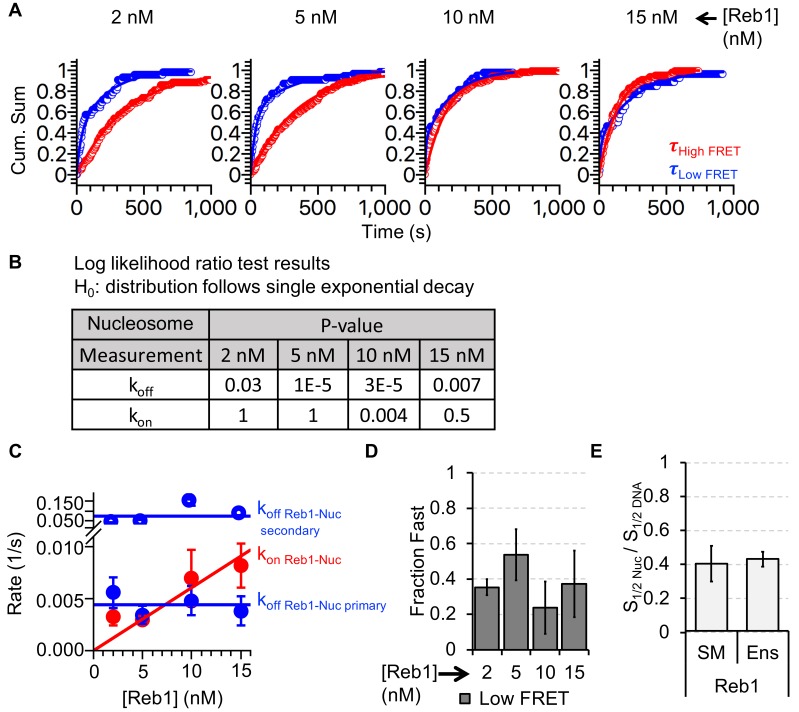
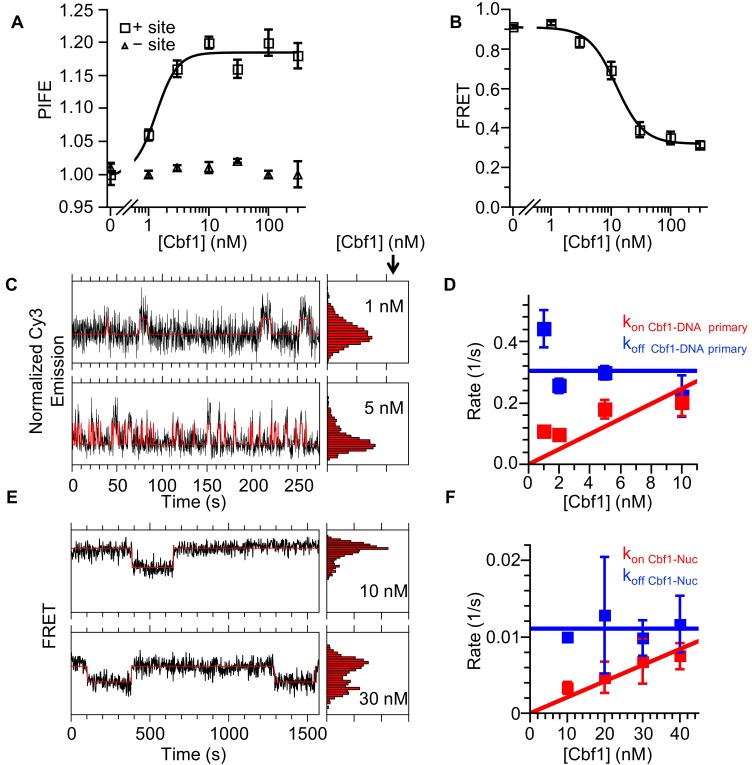
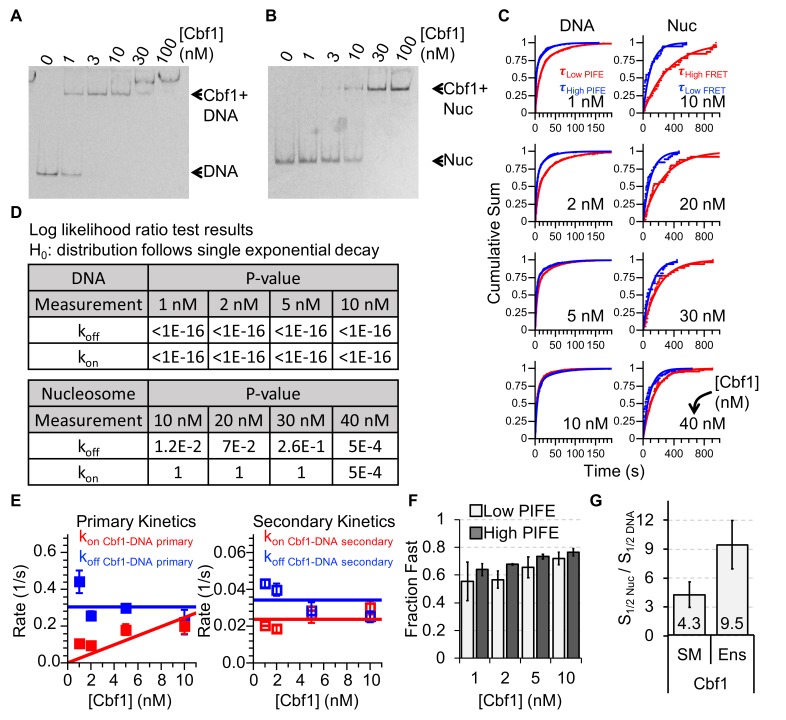
Nucleosomes restrict the occupancy of most transcription factors (TF) by reducing binding and accelerating dissociation, while a small group of TFs have high affinities to nucleosome-embedded sites and facilitate nucleosome displacement. To understand this process mechanistically, we investigated two TFs, Reb1 and Cbf1. We show that these factors bind to their sites within nucleosomes with similar binding affinities as to naked DNA, trapping a partially unwrapped nucleosome without histone eviction. Both the binding and dissociation rates of Reb1 and Cbf1 are significantly slower at the nucleosomal sites relative to those for naked DNA, demonstrating that the high affinities are achieved by increasing the dwell time on nucleosomes in order to compensate for reduced binding. Reb1 also shows slow migration rate in the yeast nuclei. These properties are similar to those of human pioneer factors (PFs), suggesting that the mechanism of nucleosome targeting is conserved from yeast to humans.

摘要

核小体通过降低结合亲和力和加速解离来限制大多数转录因子 (TF) 的占有率,而一小部分 TF 与核小体结合的亲和力很高,并能促进核小体位移。为了从机制上理解这一过程,我们研究了两个 TF,Reb1 和 Cbf1。我们发现这些因子与核小体中的结合位点的结合亲和力与裸露 DNA 相似,在没有组蛋白逐出的情况下捕获部分解缠的核小体。Reb1 和 Cbf1 的结合和解离速率在核小体上相对于裸露 DNA 显著降低,表明高亲和力是通过增加在核小体上的停留时间来实现的,以补偿结合的减少。Reb1 在酵母核中也表现出缓慢的迁移率。这些特性与人类先驱因子 (PFs) 的特性相似,这表明从酵母到人,核小体靶向的机制是保守的。
https://cdn.ncbi.nlm.nih.gov/pmc/blobs/e1b4/6449090/eb984ef07977/elife-43008-fig8.jpg
https://cdn.ncbi.nlm.nih.gov/pmc/blobs/e1b4/6449090/92387e75476a/elife-43008-fig1.jpg
https://cdn.ncbi.nlm.nih.gov/pmc/blobs/e1b4/6449090/bd5c7912809c/elife-43008-fig1-figsupp1.jpg
https://cdn.ncbi.nlm.nih.gov/pmc/blobs/e1b4/6449090/4664580497a0/elife-43008-fig1-figsupp2.jpg
https://cdn.ncbi.nlm.nih.gov/pmc/blobs/e1b4/6449090/faa4a956df64/elife-43008-fig1-figsupp3.jpg
https://cdn.ncbi.nlm.nih.gov/pmc/blobs/e1b4/6449090/2d829f7a25cb/elife-43008-fig1-figsupp4.jpg
https://cdn.ncbi.nlm.nih.gov/pmc/blobs/e1b4/6449090/99380c661aae/elife-43008-fig1-figsupp5.jpg
https://cdn.ncbi.nlm.nih.gov/pmc/blobs/e1b4/6449090/c3438190adbc/elife-43008-fig1-figsupp6.jpg
https://cdn.ncbi.nlm.nih.gov/pmc/blobs/e1b4/6449090/00ea091861cc/elife-43008-fig2.jpg
https://cdn.ncbi.nlm.nih.gov/pmc/blobs/e1b4/6449090/bfaa50727fb4/elife-43008-fig2-figsupp1.jpg
https://cdn.ncbi.nlm.nih.gov/pmc/blobs/e1b4/6449090/249462e043a5/elife-43008-fig2-figsupp2.jpg
https://cdn.ncbi.nlm.nih.gov/pmc/blobs/e1b4/6449090/0251808147ab/elife-43008-fig3.jpg
https://cdn.ncbi.nlm.nih.gov/pmc/blobs/e1b4/6449090/9171563873ec/elife-43008-fig3-figsupp1.jpg
https://cdn.ncbi.nlm.nih.gov/pmc/blobs/e1b4/6449090/0f5ff1a06050/elife-43008-fig4.jpg
https://cdn.ncbi.nlm.nih.gov/pmc/blobs/e1b4/6449090/63a4c68ef1d1/elife-43008-fig4-figsupp1.jpg
https://cdn.ncbi.nlm.nih.gov/pmc/blobs/e1b4/6449090/191080d28a89/elife-43008-fig5.jpg
https://cdn.ncbi.nlm.nih.gov/pmc/blobs/e1b4/6449090/4b1e8fadad44/elife-43008-fig5-figsupp1.jpg
https://cdn.ncbi.nlm.nih.gov/pmc/blobs/e1b4/6449090/69768a99689b/elife-43008-fig6.jpg
https://cdn.ncbi.nlm.nih.gov/pmc/blobs/e1b4/6449090/e1e89d49f3f6/elife-43008-fig6-figsupp1.jpg
https://cdn.ncbi.nlm.nih.gov/pmc/blobs/e1b4/6449090/52ac80a60443/elife-43008-fig6-figsupp2.jpg
https://cdn.ncbi.nlm.nih.gov/pmc/blobs/e1b4/6449090/b9c047ec1d30/elife-43008-fig7.jpg
https://cdn.ncbi.nlm.nih.gov/pmc/blobs/e1b4/6449090/7c171415095f/elife-43008-fig7-figsupp1.jpg
https://cdn.ncbi.nlm.nih.gov/pmc/blobs/e1b4/6449090/eb984ef07977/elife-43008-fig8.jpg
https://cdn.ncbi.nlm.nih.gov/pmc/blobs/e1b4/6449090/92387e75476a/elife-43008-fig1.jpg
https://cdn.ncbi.nlm.nih.gov/pmc/blobs/e1b4/6449090/bd5c7912809c/elife-43008-fig1-figsupp1.jpg
https://cdn.ncbi.nlm.nih.gov/pmc/blobs/e1b4/6449090/4664580497a0/elife-43008-fig1-figsupp2.jpg
https://cdn.ncbi.nlm.nih.gov/pmc/blobs/e1b4/6449090/faa4a956df64/elife-43008-fig1-figsupp3.jpg
https://cdn.ncbi.nlm.nih.gov/pmc/blobs/e1b4/6449090/2d829f7a25cb/elife-43008-fig1-figsupp4.jpg
https://cdn.ncbi.nlm.nih.gov/pmc/blobs/e1b4/6449090/99380c661aae/elife-43008-fig1-figsupp5.jpg
https://cdn.ncbi.nlm.nih.gov/pmc/blobs/e1b4/6449090/c3438190adbc/elife-43008-fig1-figsupp6.jpg
https://cdn.ncbi.nlm.nih.gov/pmc/blobs/e1b4/6449090/00ea091861cc/elife-43008-fig2.jpg
https://cdn.ncbi.nlm.nih.gov/pmc/blobs/e1b4/6449090/bfaa50727fb4/elife-43008-fig2-figsupp1.jpg
https://cdn.ncbi.nlm.nih.gov/pmc/blobs/e1b4/6449090/249462e043a5/elife-43008-fig2-figsupp2.jpg
https://cdn.ncbi.nlm.nih.gov/pmc/blobs/e1b4/6449090/0251808147ab/elife-43008-fig3.jpg
https://cdn.ncbi.nlm.nih.gov/pmc/blobs/e1b4/6449090/9171563873ec/elife-43008-fig3-figsupp1.jpg
https://cdn.ncbi.nlm.nih.gov/pmc/blobs/e1b4/6449090/0f5ff1a06050/elife-43008-fig4.jpg
https://cdn.ncbi.nlm.nih.gov/pmc/blobs/e1b4/6449090/63a4c68ef1d1/elife-43008-fig4-figsupp1.jpg
https://cdn.ncbi.nlm.nih.gov/pmc/blobs/e1b4/6449090/191080d28a89/elife-43008-fig5.jpg
https://cdn.ncbi.nlm.nih.gov/pmc/blobs/e1b4/6449090/4b1e8fadad44/elife-43008-fig5-figsupp1.jpg
https://cdn.ncbi.nlm.nih.gov/pmc/blobs/e1b4/6449090/69768a99689b/elife-43008-fig6.jpg
https://cdn.ncbi.nlm.nih.gov/pmc/blobs/e1b4/6449090/e1e89d49f3f6/elife-43008-fig6-figsupp1.jpg
https://cdn.ncbi.nlm.nih.gov/pmc/blobs/e1b4/6449090/52ac80a60443/elife-43008-fig6-figsupp2.jpg
https://cdn.ncbi.nlm.nih.gov/pmc/blobs/e1b4/6449090/b9c047ec1d30/elife-43008-fig7.jpg
https://cdn.ncbi.nlm.nih.gov/pmc/blobs/e1b4/6449090/7c171415095f/elife-43008-fig7-figsupp1.jpg
https://cdn.ncbi.nlm.nih.gov/pmc/blobs/e1b4/6449090/eb984ef07977/elife-43008-fig8.jpg

相似文献

1
Dissociation rate compensation mechanism for budding yeast pioneer transcription factors.出芽酵母先驱转录因子的解离速率补偿机制。
Elife. 2019 Mar 19;8:e43008. doi: 10.7554/eLife.43008.
2
Basic helix-loop-helix pioneer factors interact with the histone octamer to invade nucleosomes and generate nucleosome-depleted regions.基本螺旋-环-螺旋先驱因子与组蛋白八聚体相互作用,侵入核小体并产生核小体缺失区域。
Mol Cell. 2023 Apr 20;83(8):1251-1263.e6. doi: 10.1016/j.molcel.2023.03.006. Epub 2023 Mar 29.
3
Reb1, Cbf1, and Pho4 Bias Histone Sliding and Deposition Away from Their Binding Sites.Reb1、Cbf1 和 Pho4 使组蛋白滑动并脱离其结合位点。
Mol Cell Biol. 2022 Feb 17;42(2):e0047221. doi: 10.1128/MCB.00472-21. Epub 2021 Dec 13.
4
Systematic Study of Nucleosome-Displacing Factors in Budding Yeast.系统研究出芽酵母中的核小体位移因子。
Mol Cell. 2018 Jul 19;71(2):294-305.e4. doi: 10.1016/j.molcel.2018.06.017. Epub 2018 Jul 12.
5
The centromeric nucleosome of budding yeast is perfectly positioned and covers the entire centromere.芽殖酵母的着丝粒核小体定位完美,覆盖整个着丝粒。
Proc Natl Acad Sci U S A. 2011 Aug 2;108(31):12687-92. doi: 10.1073/pnas.1104978108. Epub 2011 Jul 18.
6
Nonspecific transcription-factor-DNA binding influences nucleosome occupancy in yeast.非特异性转录因子-DNA 结合影响酵母核小体占有率。
Biophys J. 2011 Nov 16;101(10):2465-75. doi: 10.1016/j.bpj.2011.10.012. Epub 2011 Nov 15.
7
Integrated approaches reveal determinants of genome-wide binding and function of the transcription factor Pho4.综合方法揭示了转录因子 Pho4 全基因组结合和功能的决定因素。
Mol Cell. 2011 Jun 24;42(6):826-36. doi: 10.1016/j.molcel.2011.05.025.
8
Heat shock factor can activate transcription while bound to nucleosomal DNA in Saccharomyces cerevisiae.在酿酒酵母中,热休克因子与核小体DNA结合时可激活转录。
Mol Cell Biol. 1994 Jan;14(1):189-99. doi: 10.1128/mcb.14.1.189-199.1994.
9
Large-scale ATP-independent nucleosome unfolding by a histone chaperone.组蛋白伴侣介导的大规模非ATP依赖型核小体解折叠
Nat Struct Mol Biol. 2016 Dec;23(12):1111-1116. doi: 10.1038/nsmb.3321. Epub 2016 Nov 7.
10
DNA sequence preferences of transcriptional activators correlate more strongly than repressors with nucleosomes.转录激活因子的 DNA 序列偏好与核小体的相关性比转录抑制因子更强。
Mol Cell. 2012 Jul 27;47(2):183-92. doi: 10.1016/j.molcel.2012.06.028.

引用本文的文献

1
Native nucleosome-positioning elements as alternatives to the 601 sequence for nucleosome repositioning studies.天然核小体定位元件作为用于核小体重新定位研究的601序列的替代物。
Nucleic Acids Res. 2025 Sep 5;53(17). doi: 10.1093/nar/gkaf822.
2
Variations in flanking or less conserved positions of Reb1 and Abf1 consensus binding sites lead to major changes in their ability to modulate nucleosome sliding activity.Reb1和Abf1共有结合位点侧翼或保守性较低位置的变异,会导致它们调节核小体滑动活性能力的重大变化。
Biol Res. 2025 Jul 29;58(1):53. doi: 10.1186/s40659-025-00627-0.
3
Native nucleosome-positioning elements for the investigation of nucleosome repositioning.

本文引用的文献

1
Systematic Study of Nucleosome-Displacing Factors in Budding Yeast.系统研究出芽酵母中的核小体位移因子。
Mol Cell. 2018 Jul 19;71(2):294-305.e4. doi: 10.1016/j.molcel.2018.06.017. Epub 2018 Jul 12.
2
Genomic Nucleosome Organization Reconstituted with Pure Proteins.用纯蛋白质重构的基因组核小体组织
Cell. 2016 Oct 20;167(3):709-721.e12. doi: 10.1016/j.cell.2016.09.045.
3
MEMLET: An Easy-to-Use Tool for Data Fitting and Model Comparison Using Maximum-Likelihood Estimation.MEMLET:一种使用最大似然估计进行数据拟合和模型比较的易于使用的工具。
用于研究核小体重新定位的天然核小体定位元件。
bioRxiv. 2025 Jan 18:2025.01.17.633597. doi: 10.1101/2025.01.17.633597.
4
Single-molecule imaging for investigating the transcriptional control.用于研究转录调控的单分子成像
Mol Cells. 2025 Feb;48(2):100179. doi: 10.1016/j.mocell.2025.100179. Epub 2025 Jan 13.
5
Transcription factor condensates, 3D clustering, and gene expression enhancement of the regulon.转录因子凝聚物、3D 聚类和调控基因表达增强。
Elife. 2024 Sep 30;13:RP96028. doi: 10.7554/eLife.96028.
6
How to scan naked DNA using promiscuous recognition and no clamping: a model for pioneer transcription factors.如何使用混杂识别而无需钳夹来扫描裸露的 DNA:先锋转录因子的模型。
Nucleic Acids Res. 2024 Oct 14;52(18):11098-11114. doi: 10.1093/nar/gkae790.
7
Specific multivalent molecules boost CRISPR-mediated transcriptional activation.特定的多价分子可增强 CRISPR 介导的转录激活。
Nat Commun. 2024 Aug 22;15(1):7222. doi: 10.1038/s41467-024-51694-y.
8
Structural insights into the cooperative nucleosome recognition and chromatin opening by FOXA1 and GATA4.FOXA1 和 GATA4 协同识别核小体和开启染色质的结构见解。
Mol Cell. 2024 Aug 22;84(16):3061-3079.e10. doi: 10.1016/j.molcel.2024.07.016. Epub 2024 Aug 8.
9
How Transcription Factor Clusters Shape the Transcriptional Landscape.转录因子簇如何塑造转录景观。
Biomolecules. 2024 Jul 20;14(7):875. doi: 10.3390/biom14070875.
10
Systematic dissection of sequence features affecting binding specificity of a pioneer factor reveals binding synergy between FOXA1 and AP-1.系统剖析影响启动因子结合特异性的序列特征揭示 FOXA1 和 AP-1 之间的结合协同作用。
Mol Cell. 2024 Aug 8;84(15):2838-2855.e10. doi: 10.1016/j.molcel.2024.06.022. Epub 2024 Jul 16.
Biophys J. 2016 Jul 26;111(2):273-282. doi: 10.1016/j.bpj.2016.06.019.
4
Linker histone H1 and H3K56 acetylation are antagonistic regulators of nucleosome dynamics.连接组蛋白H1和H3K56乙酰化是核小体动力学的拮抗调节因子。
Nat Commun. 2015 Dec 9;6:10152. doi: 10.1038/ncomms10152.
5
Pioneer transcription factors target partial DNA motifs on nucleosomes to initiate reprogramming.先驱转录因子靶向核小体上的部分DNA基序以启动重编程。
Cell. 2015 Apr 23;161(3):555-568. doi: 10.1016/j.cell.2015.03.017. Epub 2015 Apr 16.
6
Advanced methods of microscope control using μManager software.使用μManager软件的高级显微镜控制方法。
J Biol Methods. 2014;1(2). doi: 10.14440/jbm.2014.36.
7
Pioneer transcription factors in cell reprogramming.细胞重编程中的先驱转录因子。
Genes Dev. 2014 Dec 15;28(24):2679-92. doi: 10.1101/gad.253443.114.
8
Single molecule fluorescence methodologies for investigating transcription factor binding kinetics to nucleosomes and DNA.用于研究转录因子与核小体及DNA结合动力学的单分子荧光方法。
Methods. 2014 Dec;70(2-3):108-18. doi: 10.1016/j.ymeth.2014.09.011. Epub 2014 Oct 7.
9
Quantitative models for accelerated protein dissociation from nucleosomal DNA.用于加速蛋白质从核小体DNA解离的定量模型。
Nucleic Acids Res. 2014 Sep;42(15):9753-60. doi: 10.1093/nar/gku719. Epub 2014 Aug 11.
10
Mechanisms underlying nucleosome positioning in vivo.体内核小体定位的机制。
Annu Rev Biophys. 2014;43:41-63. doi: 10.1146/annurev-biophys-051013-023114.