Department of Immunology and Biochemistry, Biomedical research institute, Hasselt University, Martelarenlaan 42, 3500, Hasselt, Belgium.
School for mental health and neuroscience, Maastricht University, Universiteitssingel 50, 6229ER, Maastricht, The Netherlands.
Sci Rep. 2019 Mar 20;9(1):4908. doi: 10.1038/s41598-019-41399-4.
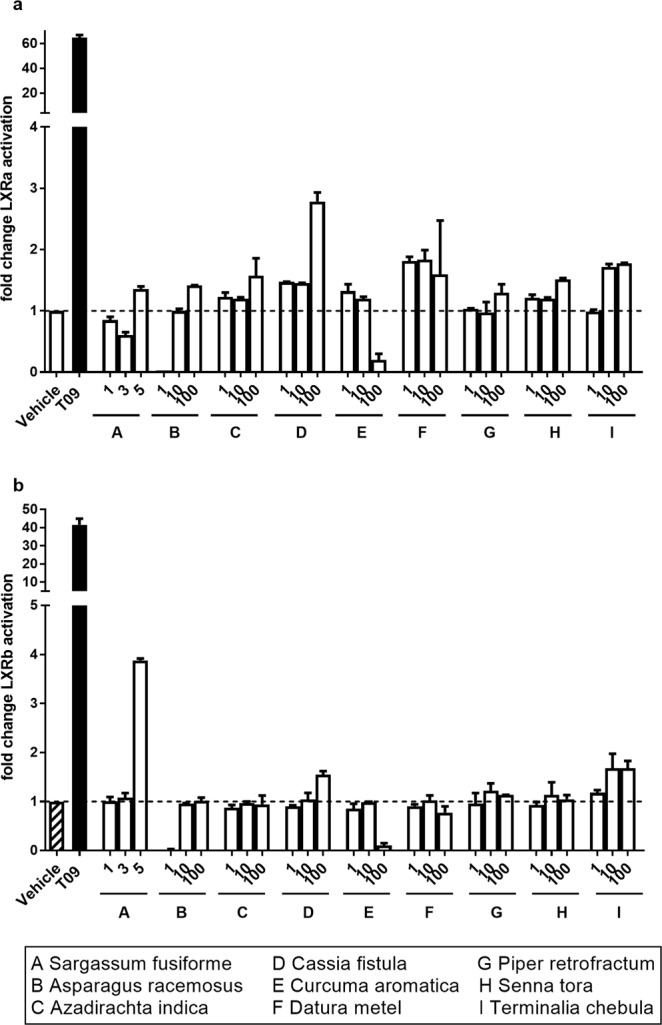
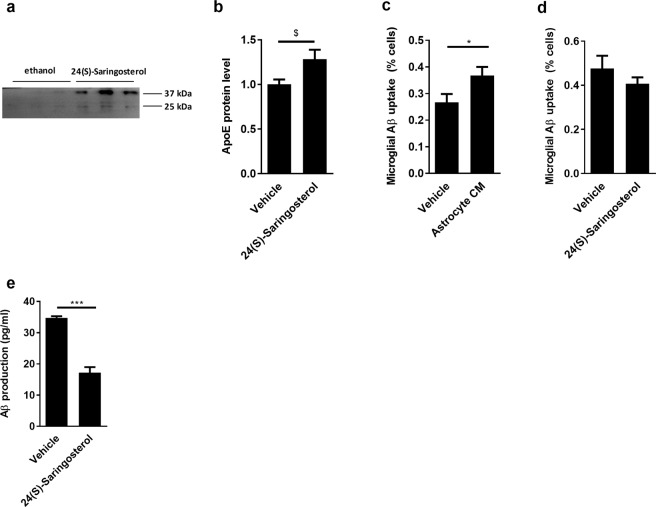
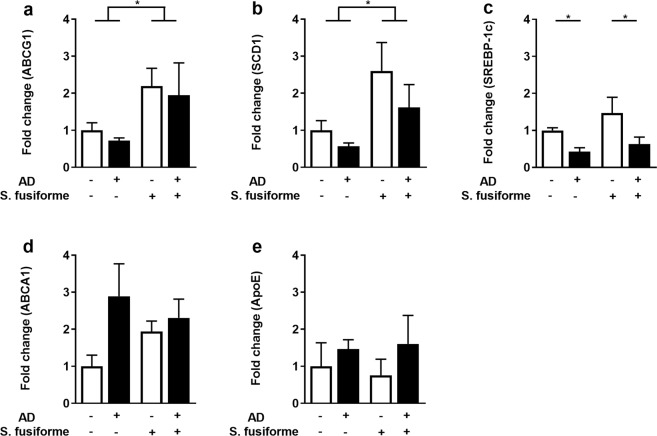
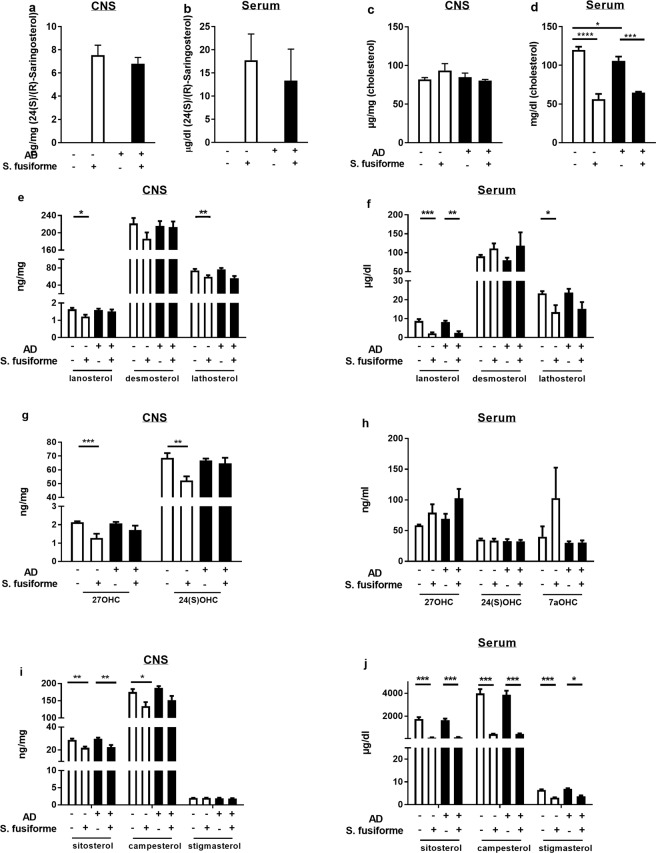
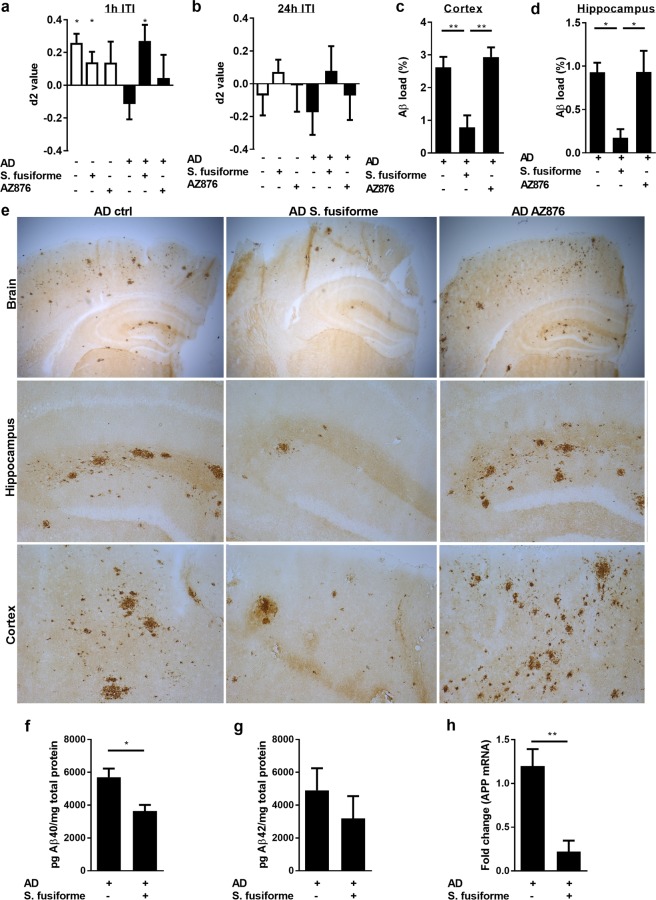
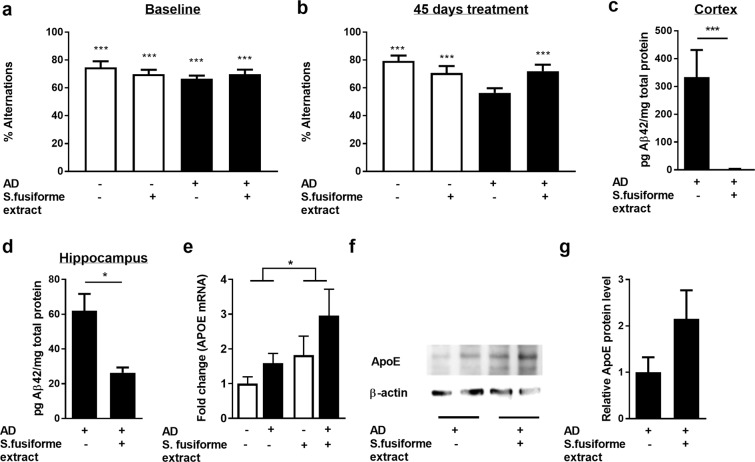
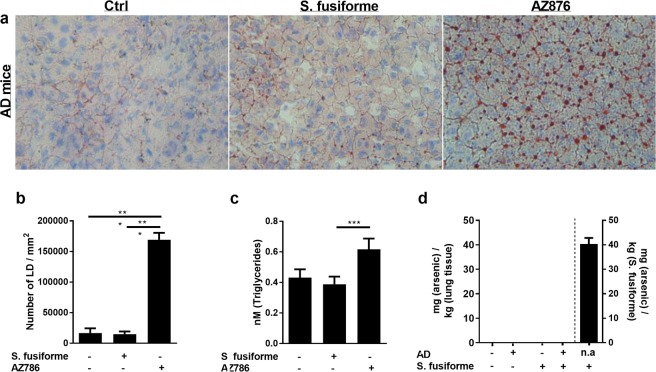
Activation of liver X receptors (LXRs) by synthetic agonists was found to improve cognition in Alzheimer's disease (AD) mice. However, these LXR agonists induce hypertriglyceridemia and hepatic steatosis, hampering their use in the clinic. We hypothesized that phytosterols as LXR agonists enhance cognition in AD without affecting plasma and hepatic triglycerides. Phytosterols previously reported to activate LXRs were tested in a luciferase-based LXR reporter assay. Using this assay, we found that phytosterols commonly present in a Western type diet in physiological concentrations do not activate LXRs. However, a lipid extract of the 24(S)-Saringosterol-containing seaweed Sargassum fusiforme did potently activate LXRβ. Dietary supplementation of crude Sargassum fusiforme or a Sargassum fusiforme-derived lipid extract to AD mice significantly improved short-term memory and reduced hippocampal Aβ plaque load by 81%. Notably, none of the side effects typically induced by full synthetic LXR agonists were observed. In contrast, administration of the synthetic LXRα activator, AZ876, did not improve cognition and resulted in the accumulation of lipid droplets in the liver. Administration of Sargassum fusiforme-derived 24(S)-Saringosterol to cultured neurons reduced the secretion of Aβ. Moreover, conditioned medium from 24(S)-Saringosterol-treated astrocytes added to microglia increased phagocytosis of Aβ. Our data show that Sargassum fusiforme improves cognition and alleviates AD pathology. This may be explained at least partly by 24(S)-Saringosterol-mediated LXRβ activation.
激活肝脏 X 受体 (LXRs) 的合成激动剂已被发现可改善阿尔茨海默病 (AD) 小鼠的认知能力。然而,这些 LXR 激动剂会引起甘油三酯升高和肝脂肪变性,从而阻碍了它们在临床上的应用。我们假设植物甾醇作为 LXR 激动剂可增强 AD 患者的认知能力,而不影响血浆和肝甘油三酯水平。先前报道的可激活 LXR 的植物甾醇在基于荧光素酶的 LXR 报告基因测定中进行了测试。使用该测定,我们发现常见于西方饮食中的植物甾醇在生理浓度下不会激活 LXRs。然而,一种含有 24(S)-鲨烯甾醇的海藻 Sargassum fusiforme 的脂质提取物可强烈激活 LXRβ。向 AD 小鼠补充粗 Sargassum fusiforme 或 Sargassum fusiforme 衍生的脂质提取物可显著改善短期记忆,并使海马 Aβ 斑块负荷减少 81%。值得注意的是,没有观察到通常由全合成 LXR 激动剂引起的副作用。相比之下,给予合成 LXRα 激活剂 AZ876 并不能改善认知能力,反而导致肝脏脂质滴的积累。向培养神经元中给予 Sargassum fusiforme 衍生的 24(S)-鲨烯甾醇可减少 Aβ 的分泌。此外,添加到小胶质细胞中的经 24(S)-鲨烯甾醇处理的星形胶质细胞的条件培养基可增加 Aβ 的吞噬作用。我们的数据表明,Sargassum fusiforme 可改善认知能力并缓解 AD 病理。这至少可以部分解释为 24(S)-鲨烯甾醇介导的 LXRβ 激活。