Department of Biomedical Sciences, Chubu University College of Life and Health Sciences, Kasugai, Japan.
Department of Molecular Biochemistry, Nagoya University Graduate School of Medicine, Nagoya, Japan.
Cancer Sci. 2019 May;110(5):1544-1551. doi: 10.1111/cas.14005. Epub 2019 Apr 29.
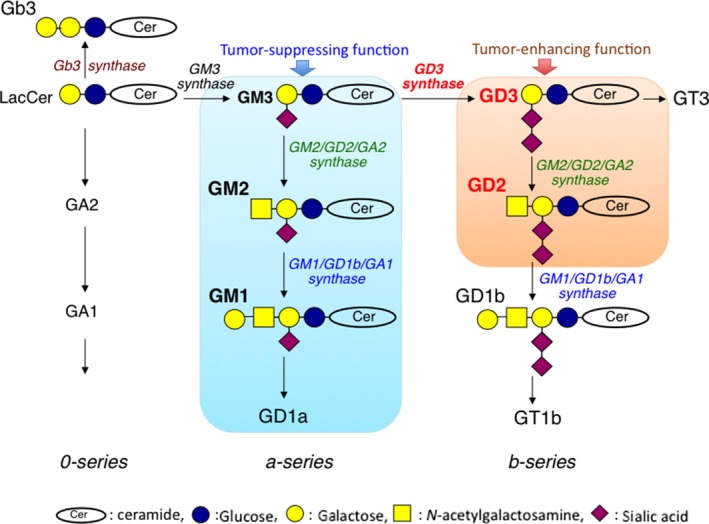
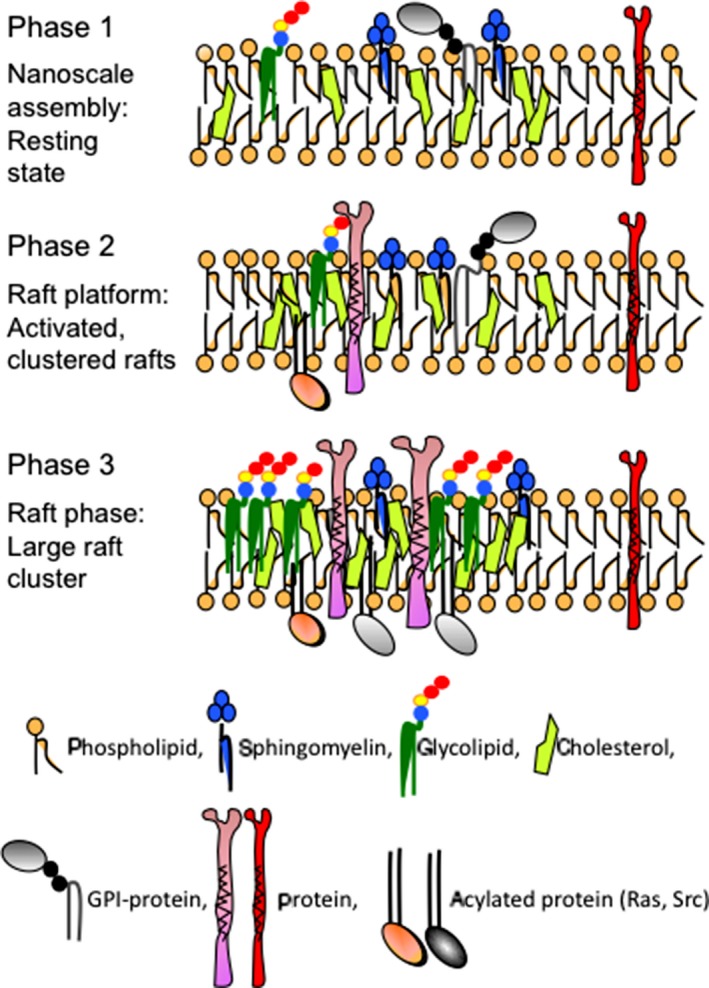
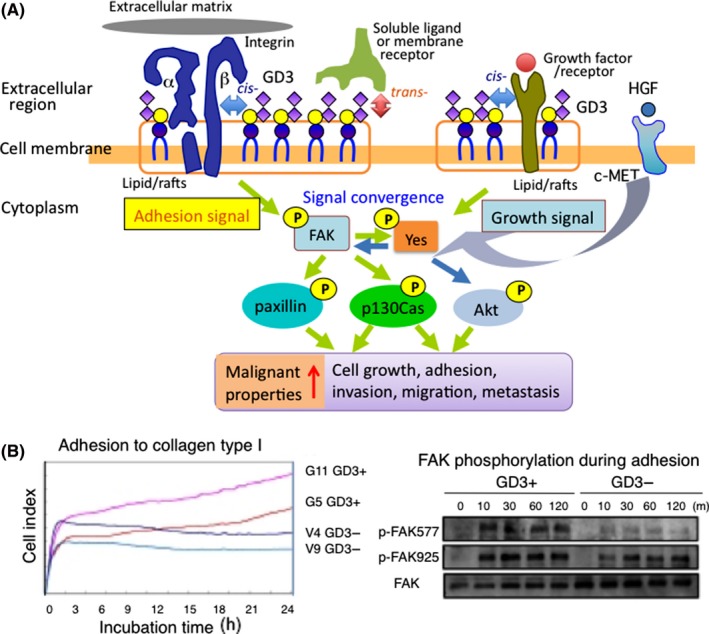
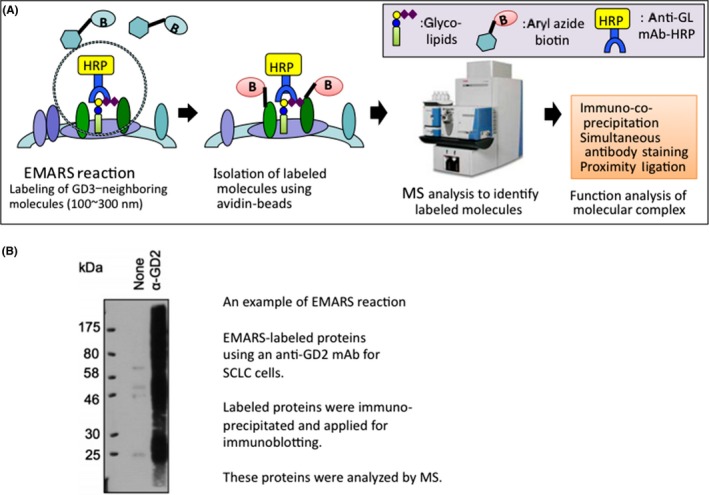
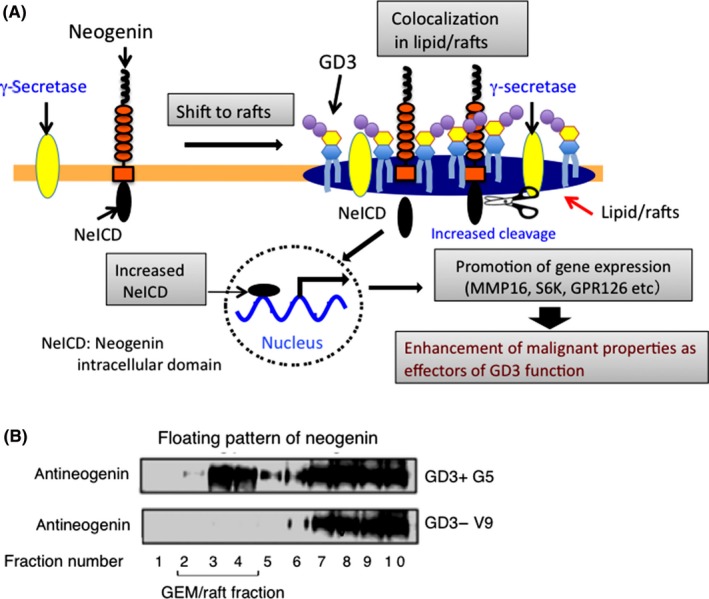
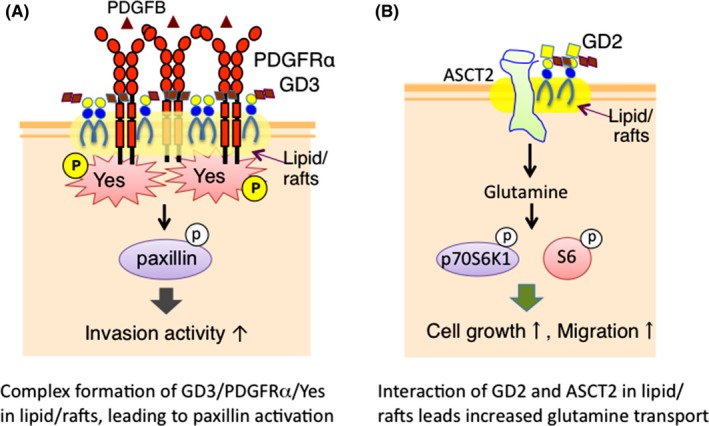
Cancer-associated glycosphingolipids have been used as markers for diagnosis and targets for immunotherapy of malignant tumors. Recent progress in the analysis of their implications in the malignant properties of cancer cells revealed that cancer-associated glycosphingolipids are not only tumor markers, but also functional molecules regulating various signals introduced by membrane microdomains, lipid rafts. In particular, a novel approach, enzyme-mediated activation of radical sources combined with mass spectrometry, has enabled us to clarify the mechanisms by which cancer-associated glycosphingolipids regulate cell signals based on the interaction with membrane molecules and formation of molecular complexes on the cell surface. Novel findings obtained from these approaches are now providing us with insights into the development of new anticancer therapies targeting membrane molecular complexes consisting of cancer-associated glycolipids and their associated membrane molecules. Thus, a new era of cancer-associated glycosphingolipids has now begun.
癌相关糖脂已被用作恶性肿瘤诊断的标志物和免疫治疗的靶标。最近对其在癌细胞恶性性质中的作用的分析进展表明,癌相关糖脂不仅是肿瘤标志物,而且是调节由膜微区、脂质筏引起的各种信号的功能分子。特别是,一种新的方法,酶介导的自由基源激活与质谱联用,使我们能够根据与膜分子的相互作用以及在细胞表面形成分子复合物来阐明癌相关糖脂调节细胞信号的机制。这些方法获得的新发现,为开发针对由癌相关糖脂及其相关膜分子组成的膜分子复合物的新型抗癌疗法提供了新的思路。因此,癌相关糖脂的新时代已经开始。