Food Science and Technology Post-Grade, Chemistry-Biological Sciences Faculty, University of Sinaloa, Culiacán 80019, Sinaloa, Mexico.
Nutrition Sciences Academic Unit, University of Sinaloa, Culiacán 80019, Sinaloa, Mexico.
Medicina (Kaunas). 2019 Mar 20;55(3):72. doi: 10.3390/medicina55030072.
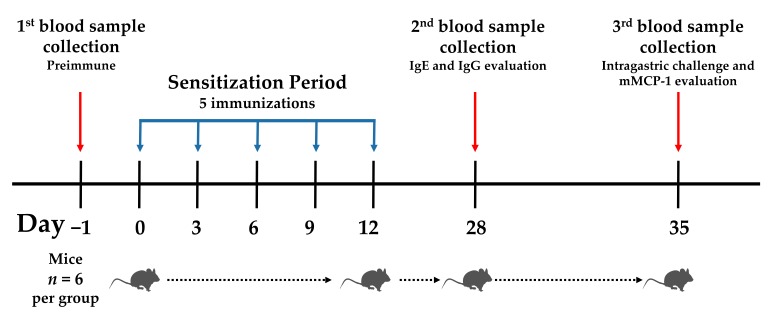
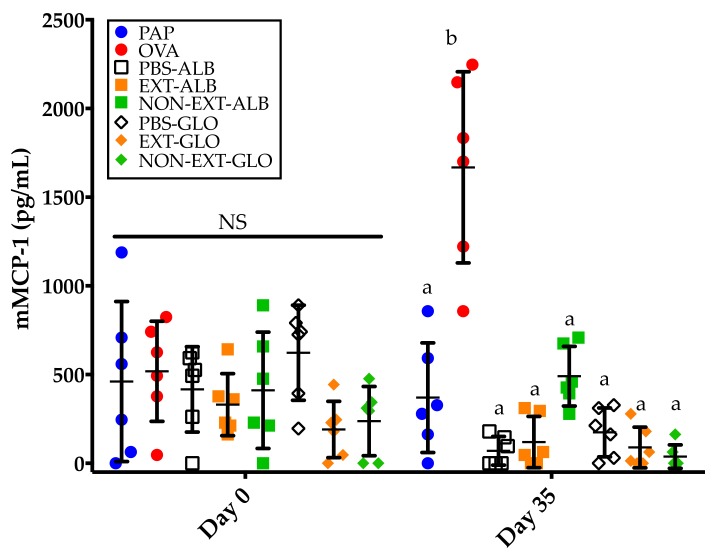
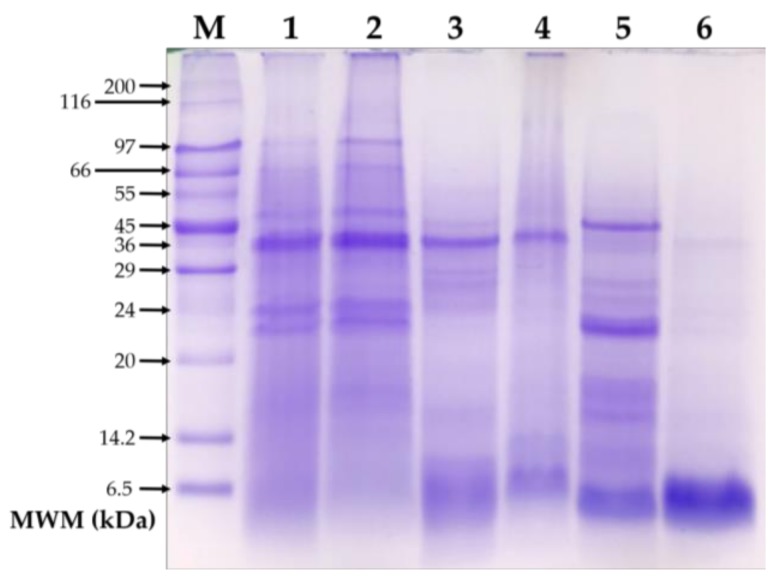
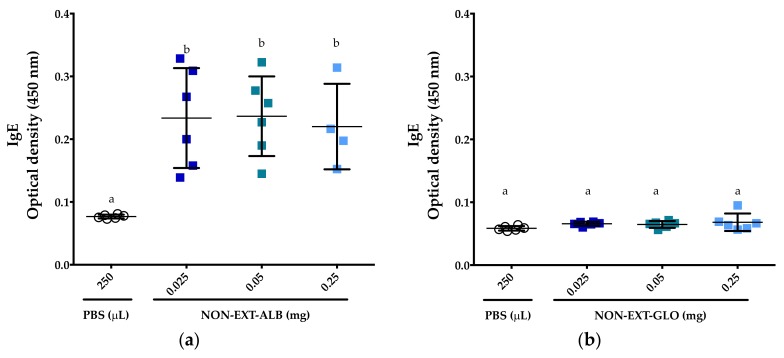
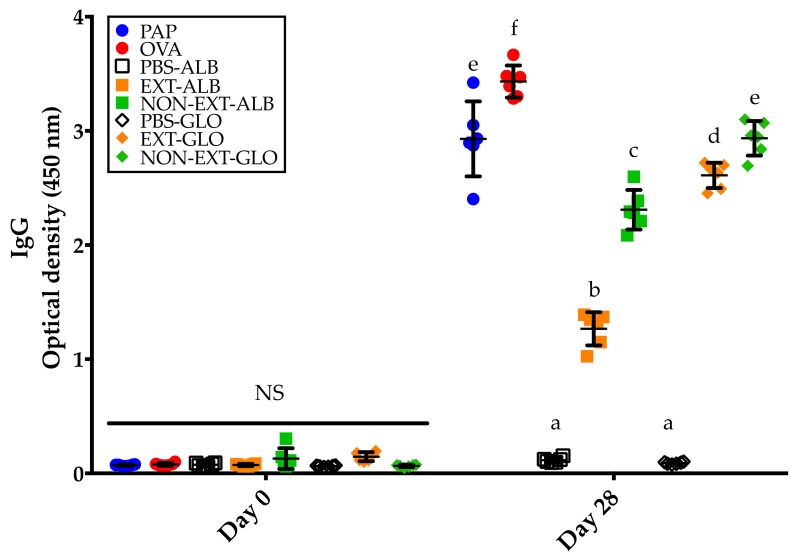
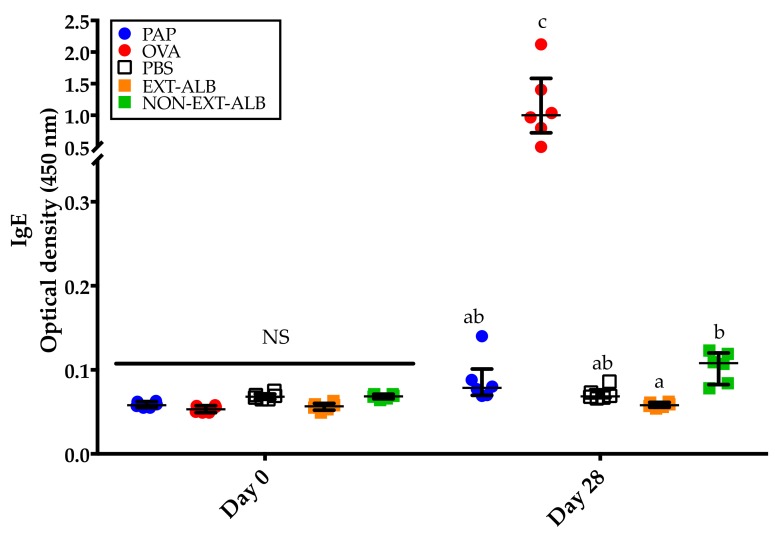
The first cases of food allergy to amaranth grain have recently been published. This pseudocereal is considered hypoallergenic, and there is scarce information about the allergenic potential of amaranth proteins, either before or after food processing. To evaluate, in a mouse model of food allergy, the sensitizing and allergenic potential of extruded and non-extruded albumin and globulin fractions from amaranth grains. Amaranth () flour was obtained and the albumin and globulin fractions isolated. These protein fractions were also obtained after flour extrusion. An intraperitoneal 28-day protocol was carried out to evaluate the sensitizing and allergenic potential of the proteins. The common and rarely allergenic proteins ovalbumin and potato acidic phosphatase were utilized as reference. Specific IgE and IgG antibodies were evaluated for all the proteins tested. Mast cell protease-1 (mMCP-1) responses were evaluated in serum samples collected after intragastric challenges with the proteins of interest. All serological evaluations were carried out using ELISA. Mice were sensitized to the non-extruded albumin fraction from amaranth grains and to ovalbumin ( = 0.0045). The extrusion process of amaranth proteins abrogated the IgE responses triggered under non-extruded conditions ( = 0.0147). mMCP-1 responses were significantly detected in the group of mice sensitized to ovalbumin ( = 0.0138), but not in others. : The non-extruded albumin fraction from amaranth has the potential to sensitize BALB/c mice, but this sensitizing potential fails to induce detectable serum levels of the mast cell degranulation marker mMCP-1 after intragastric challenges. Furthermore, the extrusion process abolished the sensitization potential of the amaranth albumins.
最近发表了首例关于苋菜籽过敏的病例。这种假谷物被认为是低过敏性的,关于苋菜籽蛋白的致敏性和变应原性,无论是在食品加工之前还是之后,信息都很少。本研究旨在评估膨化和非膨化苋菜籽白蛋白和球蛋白对食物过敏的小鼠模型的致敏和变应原性。从苋菜籽粉中提取白蛋白和球蛋白,同时提取经过面粉膨化后的蛋白。采用腹腔内 28 天方案评估蛋白的致敏和变应原性。使用卵白蛋白和马铃薯酸性磷酸酶作为参考,评估常见和罕见的过敏原蛋白。评估了所有测试蛋白的特异性 IgE 和 IgG 抗体。在胃内挑战感兴趣的蛋白后收集血清样本,评估肥大细胞蛋白酶-1(mMCP-1)的反应。所有血清学评估均采用 ELISA 进行。非膨化的苋菜籽白蛋白和卵白蛋白能使小鼠致敏(=0.0045)。膨化过程破坏了非膨化条件下引发的 IgE 反应(=0.0147)。在卵白蛋白致敏组中,显著检测到 mMCP-1 反应(=0.0138),但在其他组中未检测到。结论:非膨化的苋菜籽白蛋白具有致敏 BALB/c 小鼠的潜力,但这种致敏潜力在胃内挑战后不能诱导可检测的肥大细胞脱颗粒标记物 mMCP-1 的血清水平。此外,膨化过程破坏了苋菜籽白蛋白的致敏潜力。