Center of Bone Metabolism and Repair, State Key Laboratory of Trauma, Burns and Combined Injury, Trauma Center, Research Institute of Surgery, Daping Hospital, Third Military Medical University, Chongqing 400042, China.
Bone Research Program, ANZAC Research Institute, The University of Sydney, Hospital Road, Sydney, NSW 2139, Australia.
Int J Biol Sci. 2019 Jan 29;15(4):776-787. doi: 10.7150/ijbs.27063. eCollection 2019.
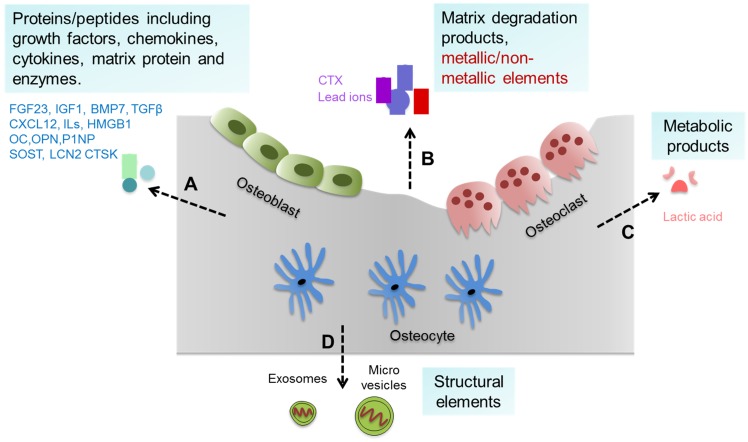
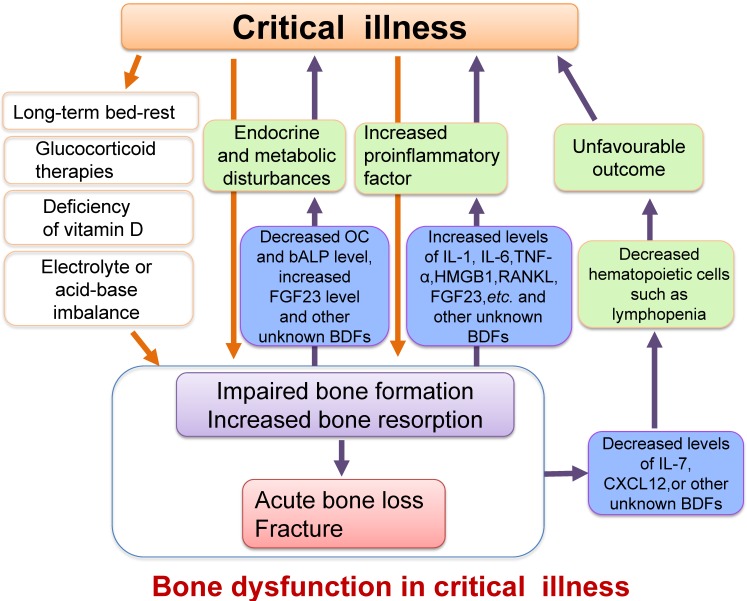
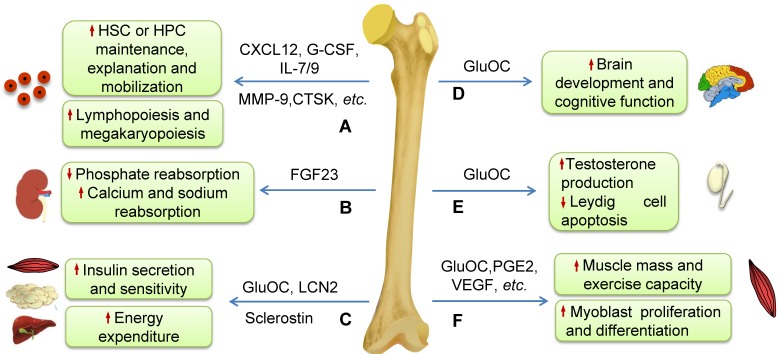
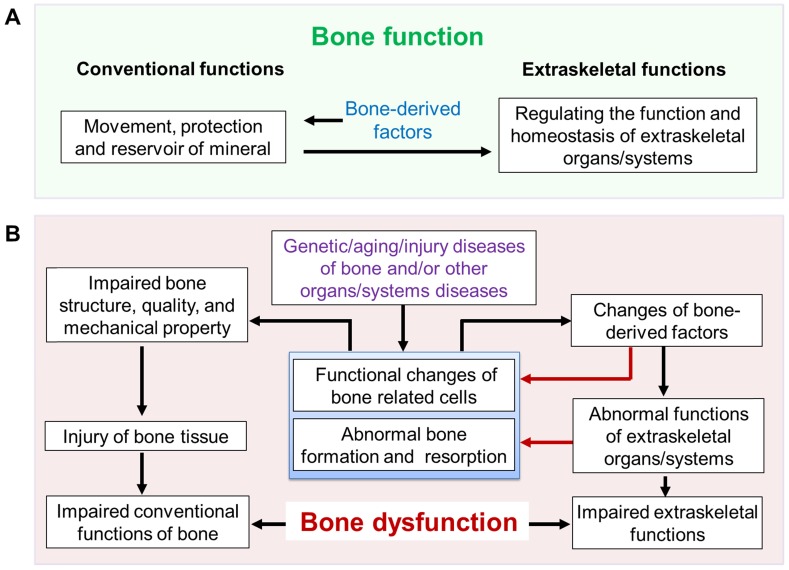
The skeleton is one of the largest organs in the human body. In addition to its conventional functions such as support, movement and protection, the skeleton also contributes to whole body homeostasis and maintenance of multiple important non-bone organs/systems (extraskeletal functions). Both conventional and extraskeletal functions of the skeleton are defined as . Bone-derived factors (BDFs) are key players regulating bone function. In some pathophysiological situations, including diseases affecting bone and/or other organs/systems, the disorders of bone itself and the subsequently impaired functions of extraskeletal organs/systems caused by abnormal bone (impaired extraskeletal functions of bone) are defined as . In critical illness, which is a health status characterized by the dysfunction or severe damage of one or multiple important organs or systems, the skeleton shows rapid bone loss resulting from bone hyper-resorption and impaired osteoblast function. In addition, the dysfunctions of the skeleton itself are also closely related to the severity and prognosis of critical illness. Therefore, we propose that there is bone dysfunction in critical illness. Some methods to inhibit osteoclast activity or promote osteoblast function by the treatment of bisphosphonates or PTH1-34 benefit the outcome of critical illness, which indicates that enhancing bone function may be a potential novel strategy to improve prognosis of diseases including critical illness.
骨骼是人体最大的器官之一。除了支持、运动和保护等传统功能外,骨骼还有助于全身内稳态和维持多个重要的非骨骼器官/系统(骨骼外功能)。骨骼的传统和骨骼外功能都被定义为骨骼疾病。骨骼来源的因子(BDFs)是调节骨骼功能的关键因素。在某些病理生理情况下,包括影响骨骼和/或其他器官/系统的疾病,骨骼本身的紊乱以及由此引起的骨骼外器官/系统功能受损(骨骼外功能受损)被定义为骨骼疾病。在危重病中,一种以一个或多个重要器官或系统功能障碍或严重损伤为特征的健康状态,骨骼会出现快速骨丢失,这是由于骨高吸收和破骨细胞功能受损所致。此外,骨骼本身的功能障碍也与危重病的严重程度和预后密切相关。因此,我们提出在危重病中存在骨骼功能障碍。通过使用双磷酸盐或 PTH1-34 抑制破骨细胞活性或促进成骨细胞功能的一些方法有益于危重病的转归,这表明增强骨骼功能可能是改善包括危重病在内的疾病预后的一种潜在新策略。