Olsvik Pål A, Whatmore Paul, Penglase Sam J, Skjærven Kaja H, Anglès d'Auriac Marc, Ellingsen Ståle
Institute of Marine Research, Bergen, Norway.
Norwegian Institute for Water Research, Oslo, Norway.
Front Genet. 2019 Mar 8;10:184. doi: 10.3389/fgene.2019.00184. eCollection 2019.
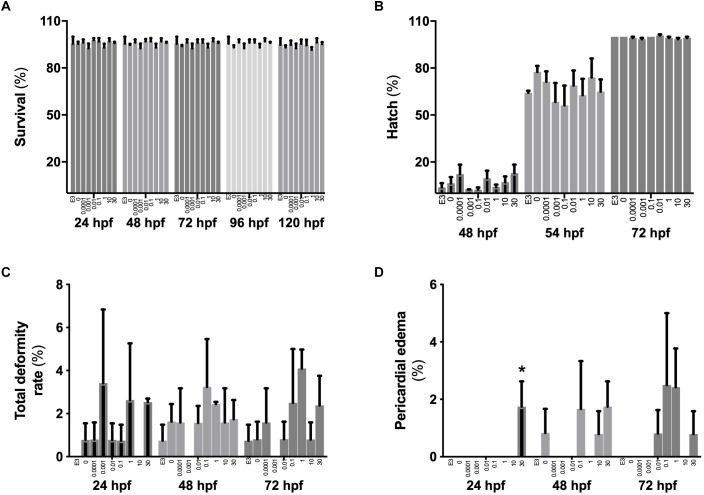
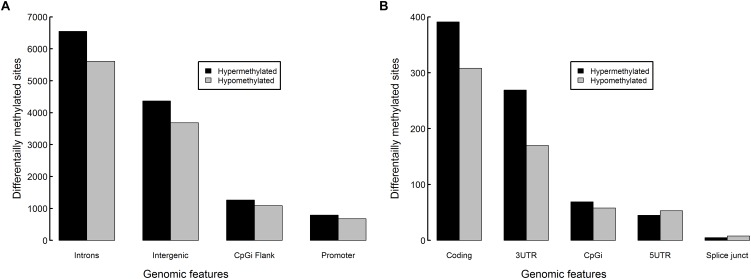
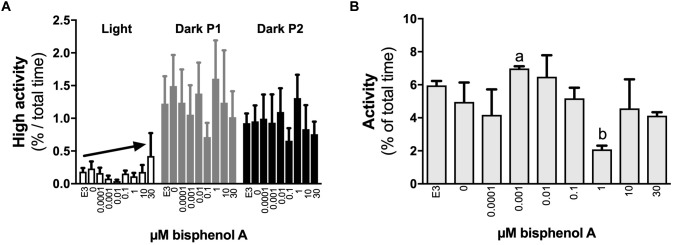
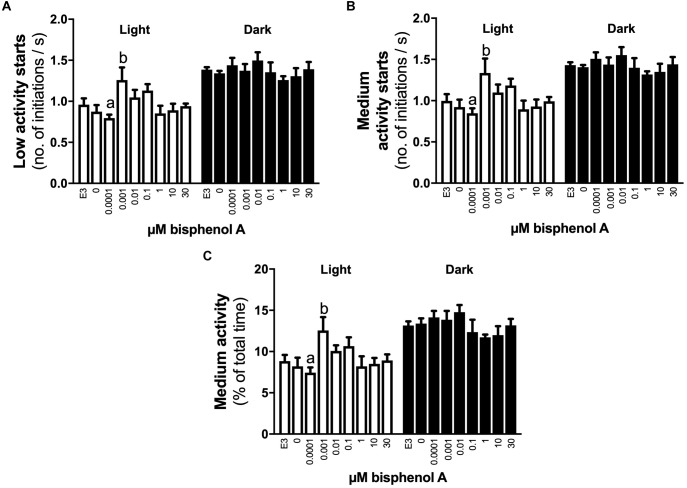
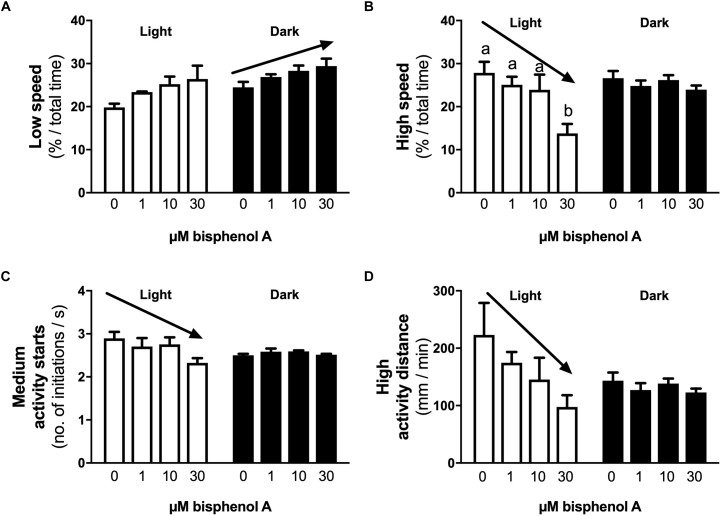
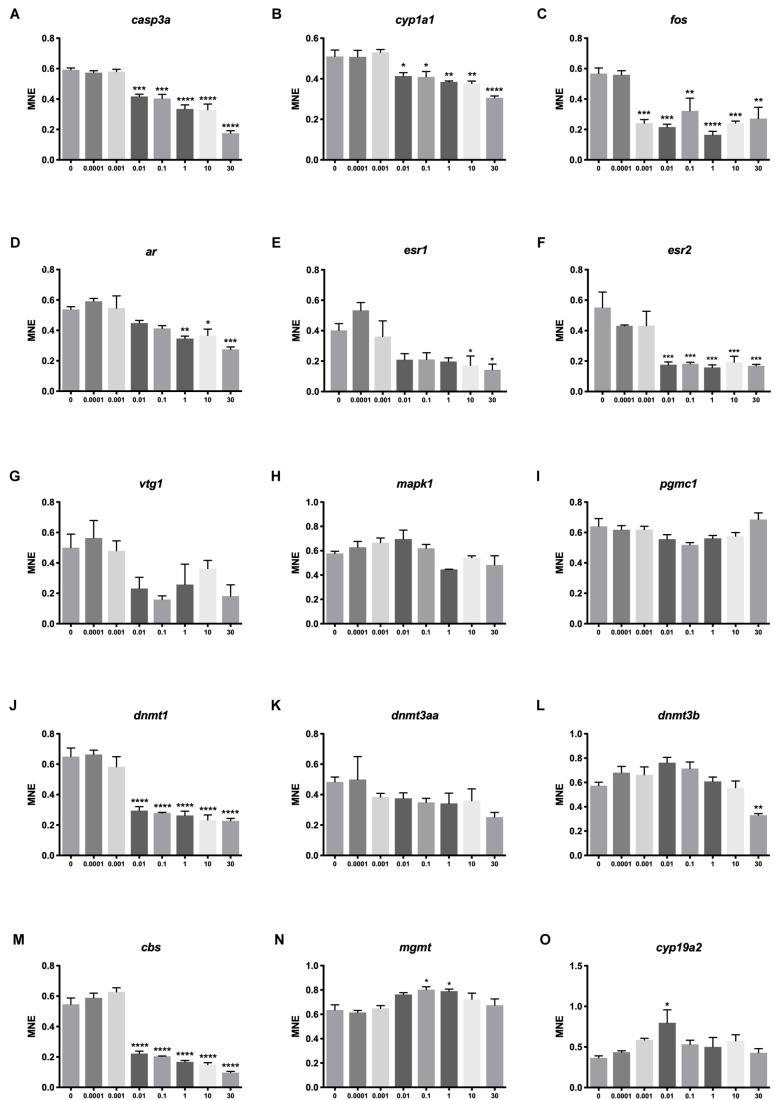
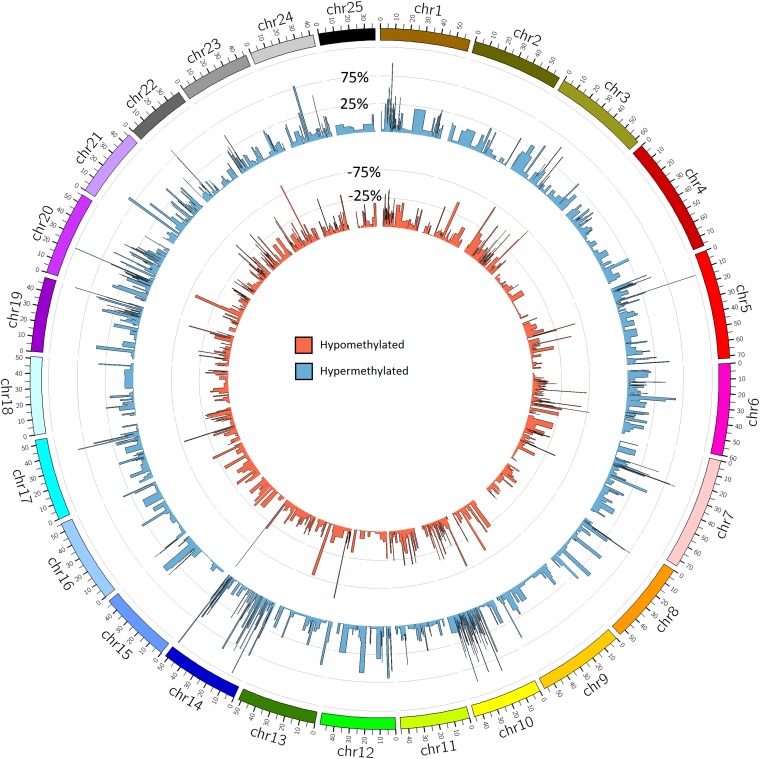
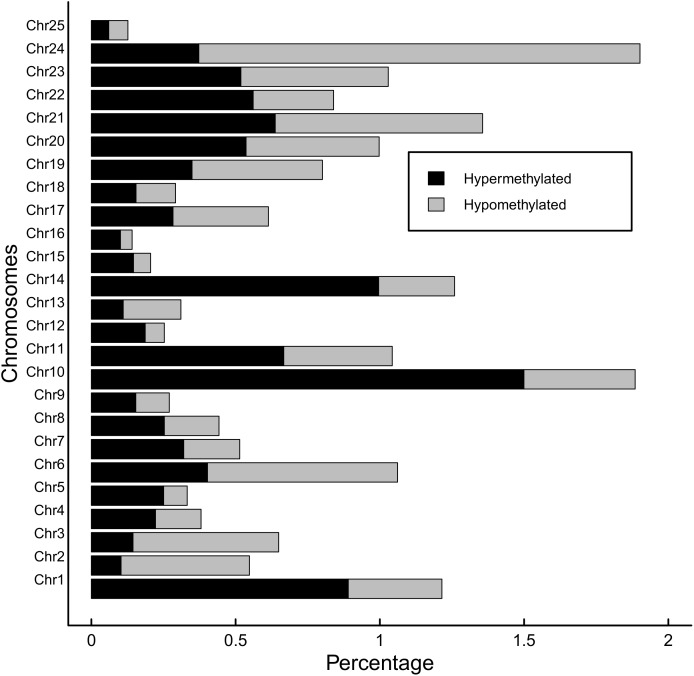
Endocrine-disrupting contaminants have been associated with aberrant changes in epigenetic pathways in animals. In this study, zebrafish embryos were exposed bisphenol A (BPA) to search for associations between behavior and epigenetic mechanisms in fish. For concentration-dependent responses, embryos were exposed to a range of BPA concentrations (0.1 nM to 30 μM). Embryos were analyzed for locomotor activity at 3-, 4-, and 5-days post fertilization (dpf) in response to changing light conditions. Based on concentration-dependent effects on behavior and gene expression, 10 μM BPA [from 24 to 96 hours post fertilization (hpf)] was used for a whole-genome bisulfite sequencing (WGBS) study searching for genome-wide impacts on DNA methylation. Over the examined concentration ranges, hyperactivity was demonstrated for exposures to 0.001 μM BPA in comparison to embryos exposed to lower or higher BPA concentrations. Transcriptional analysis showed significant effects at >0.01 μM BPA for two genes related to DNA methylation (, ). BPA exposure did not significantly affect global DNA methylation, but 20,474 differentially methylated (DM) sites in 4,873 genes were identified by WGBS analysis. Most DM sites were identified within gene bodies. The genes with the most DM sites were all protocadherin 2 gamma subfamily genes, related to axon targeting, synaptic development and neuronal survival. KEGG pathways most significantly affected by BPA exposure were phosphatidylinositol signaling system, followed by VEGF and MAPK signaling pathways. This study shows that BPA can affect zebrafish embryo swimming activity at very low concentrations as well as affecting numerous methylated sites in genes which are overrepresented in functionally relevant metabolic pathways. In conclusion, altered methylation patterns of genes associated with nervous system development might lead to abnormal swimming activity.
内分泌干扰污染物已被证明与动物表观遗传途径的异常变化有关。在本研究中,将斑马鱼胚胎暴露于双酚A(BPA)中,以寻找鱼类行为与表观遗传机制之间的关联。为了研究浓度依赖性反应,将胚胎暴露于一系列BPA浓度(0.1 nM至30 μM)下。在受精后3天、4天和5天(dpf),分析胚胎在光照条件变化时的运动活性。基于对行为和基因表达的浓度依赖性影响,使用10 μM BPA[受精后24至96小时(hpf)]进行全基因组亚硫酸氢盐测序(WGBS)研究,以寻找对DNA甲基化的全基因组影响。在所研究的浓度范围内,与暴露于较低或较高BPA浓度的胚胎相比,暴露于0.001 μM BPA的胚胎表现出多动。转录分析表明,对于与DNA甲基化相关的两个基因,在>0.01 μM BPA时存在显著影响(,)。BPA暴露对整体DNA甲基化没有显著影响,但通过WGBS分析在4873个基因中鉴定出20474个差异甲基化(DM)位点。大多数DM位点在基因体内被鉴定。具有最多DM位点的基因均为原钙黏蛋白2γ亚家族基因,与轴突靶向、突触发育和神经元存活有关。受BPA暴露影响最显著的KEGG途径是磷脂酰肌醇信号系统,其次是VEGF和MAPK信号途径。本研究表明,BPA在极低浓度下就能影响斑马鱼胚胎的游泳活动,同时还能影响功能相关代谢途径中过度表达的基因中的众多甲基化位点。总之,与神经系统发育相关基因的甲基化模式改变可能导致异常游泳活动。