Watanabe Y, Takenaka N, Kinugasa K, Matsushita T, Teramoto T
Department of Orthopaedic Surgery, Teikyo University School of Medicine, Tokyo, Japan.
Department of Traumatology Fukushima Medical University, Trauma and Reconstruction Center, Southern Tohoku General Hospital, Fukushima, Japan.
Adv Orthop. 2019 Feb 18;2019:8605674. doi: 10.1155/2019/8605674. eCollection 2019.
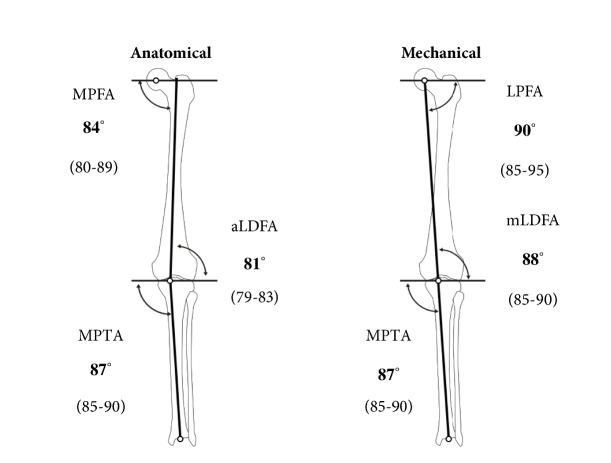
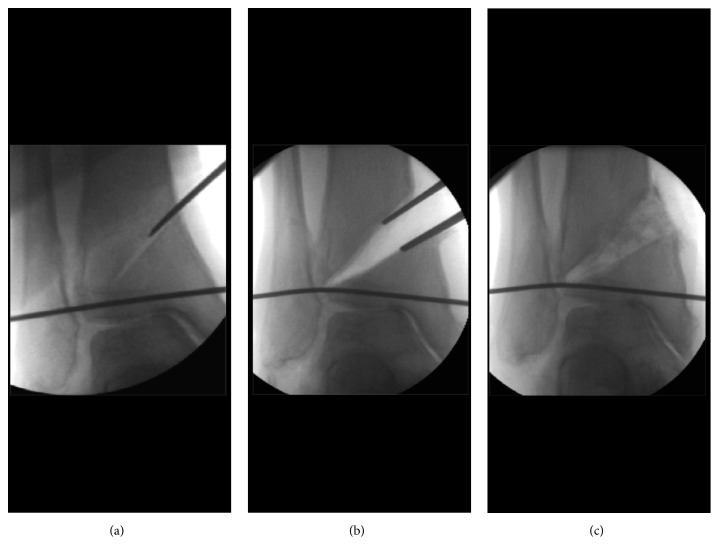
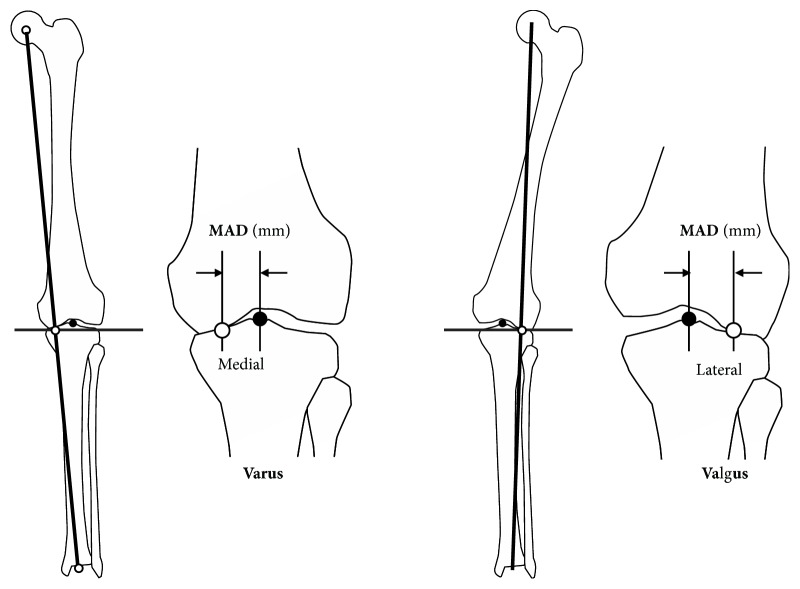
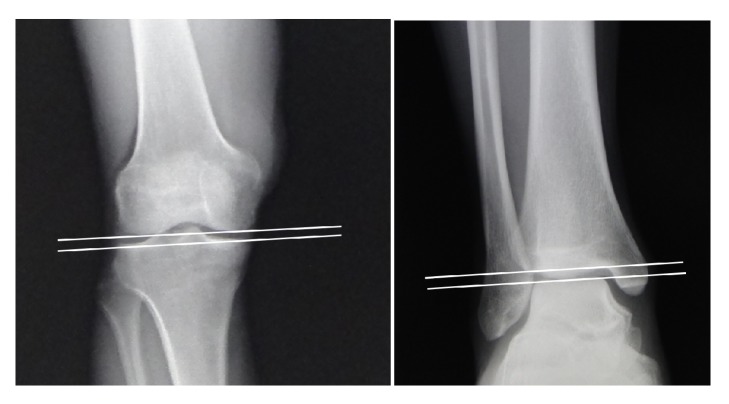
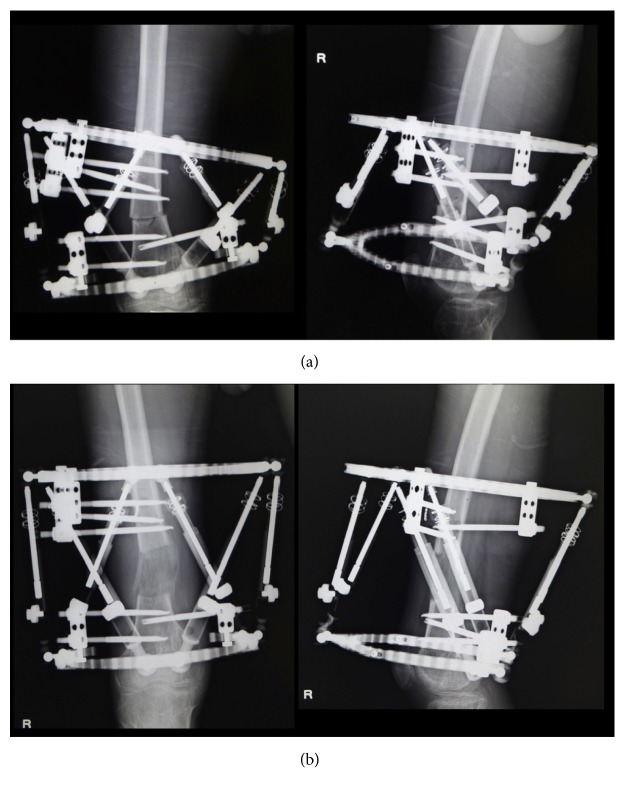
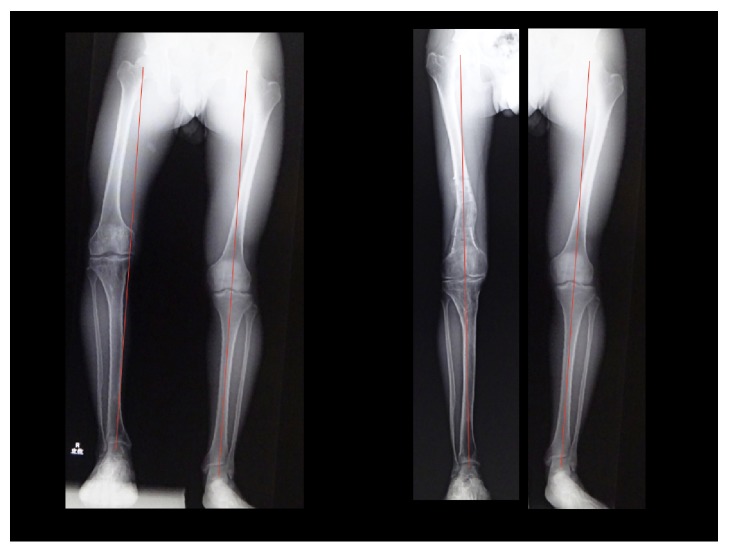
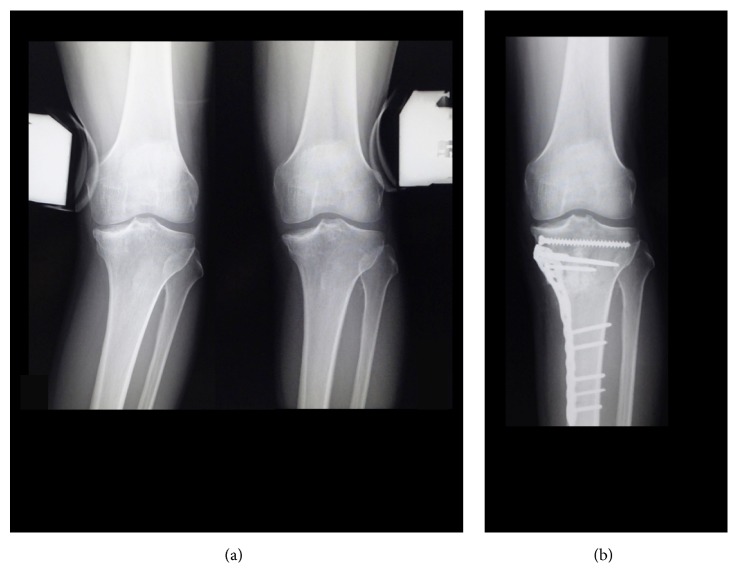
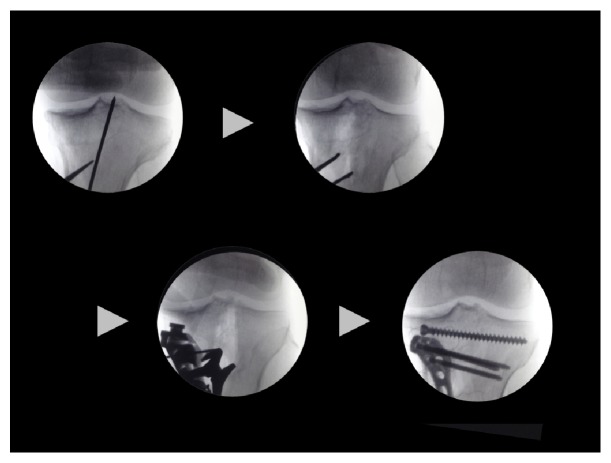
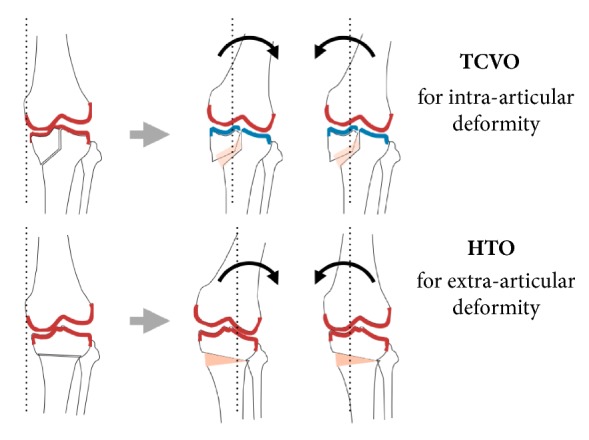
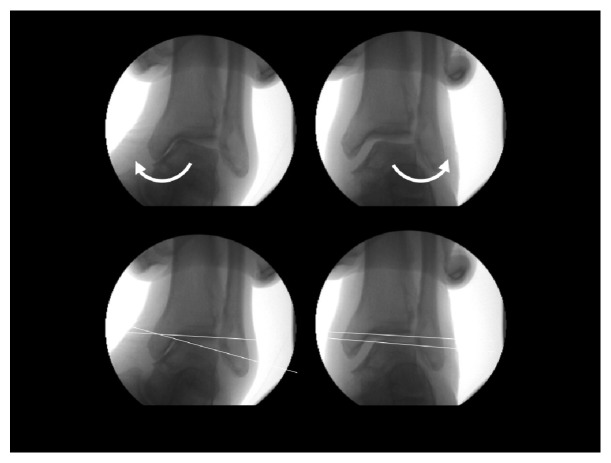
Osteotomies are the established surgical procedure for the deformity of the lower limb induced by osteoarthritis (OA) of the knee and ankle. Closed-wedge (CW) and open-wedge (OW) high tibial osteotomy (HTO) are extra-articular surgery, which aim to shift the mechanical axis from medial to slightly lateral and reduce the overload in the medial compartment of the varus deformed knee by extra-articular correction. However, varus deformity of the knee with the teeter effect, which could be accompanied with subluxation and thrust due to the medial-lateral soft tissue imbalance, is not resolved only by the shift of mechanical axis. The depression of the medial tibia plateau, so-called pagoda deformity, is the intra-articular deformity, which could potentially cause the teeter effect and involves intra-articular incongruency. In such case, the osteotomy with novel concept should be developed to overcome the issues, both the imbalance of soft tissue and intra-articular deformity. Tibial condylar valgus osteotomy (TCVO) is an intra-articular osteotomy, which improves the joint congruency of the medial-compartment knee OA with subluxation and/or intra-articular deformity and also provides better joint stability. A similar argument is raised in the treatment of the ankle OA. Low tibial osteotomy (LTO) is an extra-articular surgery to correct malalignment of lower leg. Distal tibial oblique osteotomy (DTOO) is a novel surgery to improve the bony congruency of the ankle OA. In DTOO, the distal tibia is cut obliquely from the proximal medial to the distal lateral in the coronal plane and towards the center of the tibiofibular joint to improve the bony congruency of the ankle joint. Tibial condylar valgus osteotomy (TCVO) and distal tibial oblique osteotomy (DTOO) can correct intra-articular deformity of knee and ankle, respectively. The rationale and indication of TCVO and DTOO for the treatment of the lower limb by reconstructing the joint congruency are discussed.
截骨术是治疗由膝关节和踝关节骨关节炎(OA)引起的下肢畸形的既定外科手术方法。闭合楔形(CW)和开放楔形(OW)高位胫骨截骨术(HTO)是关节外手术,旨在将机械轴从内侧移至略外侧,并通过关节外矫正减少内翻畸形膝关节内侧间室的负荷。然而,伴有跷跷板效应的膝关节内翻畸形,可能因内外侧软组织失衡而伴有半脱位和推力,仅通过机械轴的移位并不能解决。内侧胫骨平台凹陷,即所谓的宝塔畸形,是关节内畸形,可能会导致跷跷板效应并涉及关节内不协调。在这种情况下,应开发具有新概念的截骨术来克服软组织失衡和关节内畸形这两个问题。胫骨髁外翻截骨术(TCVO)是一种关节内截骨术,可改善伴有半脱位和/或关节内畸形的内侧间室膝关节OA的关节协调性,并提供更好的关节稳定性。在踝关节OA的治疗中也提出了类似的观点。低位胫骨截骨术(LTO)是一种矫正小腿畸形的关节外手术。远端胫骨斜形截骨术(DTOO)是一种改善踝关节OA骨协调性的新手术。在DTOO中,在冠状面从近端内侧向远端外侧斜向切割远端胫骨,并朝向胫腓关节中心,以改善踝关节的骨协调性。胫骨髁外翻截骨术(TCVO)和远端胫骨斜形截骨术(DTOO)可分别矫正膝关节和踝关节的关节内畸形。本文讨论了TCVO和DTOO通过重建关节协调性治疗下肢疾病的原理和适应症。