Ahmed Rakib Uddin, Alam Monzurul, Zheng Yong-Ping
Department of Biomedical Engineering, The Hong Kong Polytechnic University, Hong Kong.
Heliyon. 2019 Mar 8;5(3):e01324. doi: 10.1016/j.heliyon.2019.e01324. eCollection 2019 Mar.
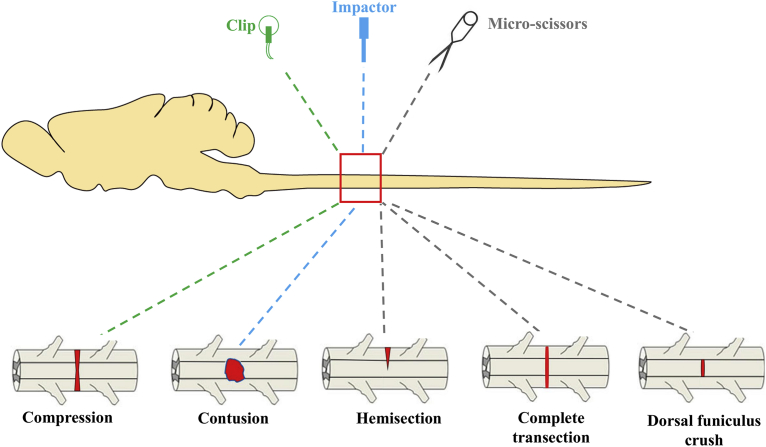
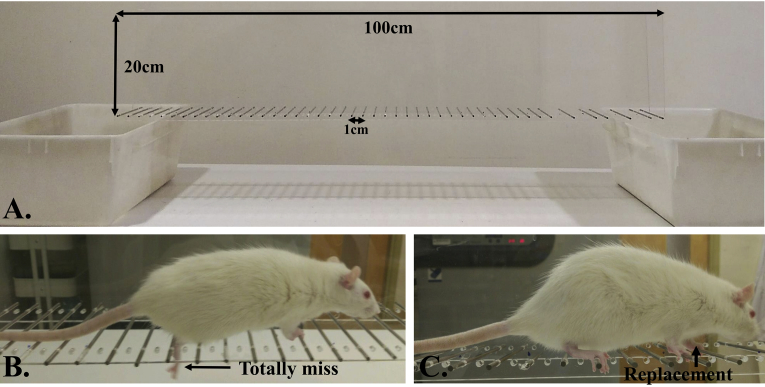
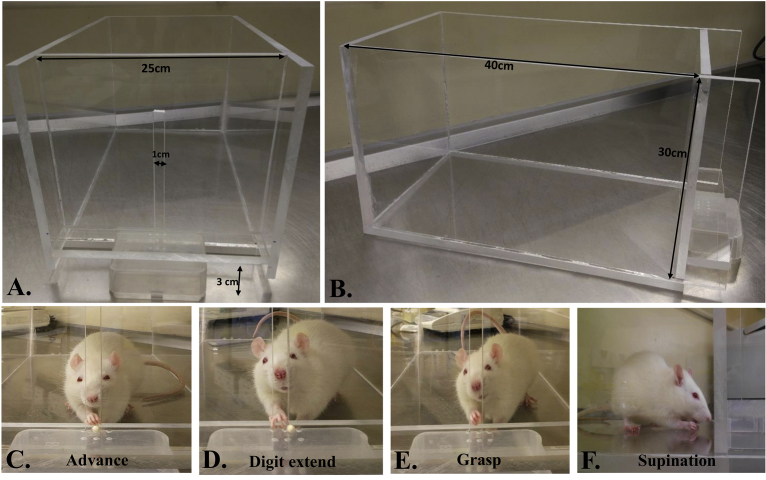
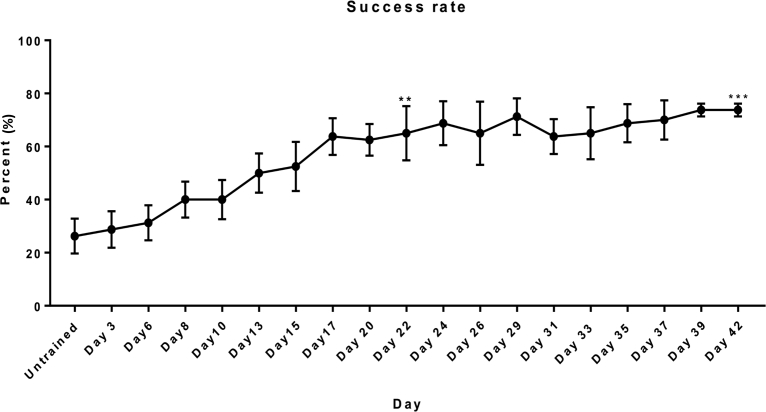
Traumatic spinal cord injury (SCI) results in some serious neurophysiological consequences that alter healthy body functions and devastate the quality of living of individuals. To find a cure for SCI, researchers around the world are working on different neurorepair and neurorehabilitation modalities. To test a new treatment for SCI as well as to understand the mechanism of recovery, animal models are being widely used. Among them, SCI rat models are arguably the most prominent. Furthermore, it is important to select a suitable behavioral test to evaluate both the motor and sensory recovery following any therapeutic intervention. In this paper, we review the rat models of spinal injury and commonly used behavioral tests to serve as a useful guideline for neuroscientists in the field of SCI research.
创伤性脊髓损伤(SCI)会导致一些严重的神经生理后果,这些后果会改变健康的身体功能,并严重破坏个体的生活质量。为了找到治疗SCI的方法,世界各地的研究人员正在研究不同的神经修复和神经康复方法。为了测试一种新的SCI治疗方法并了解恢复机制,动物模型被广泛使用。其中,SCI大鼠模型可以说是最突出的。此外,选择合适的行为测试来评估任何治疗干预后的运动和感觉恢复非常重要。在本文中,我们综述了脊髓损伤的大鼠模型和常用的行为测试,为SCI研究领域的神经科学家提供有用的指导。