a Department of Pharmacology & Toxicology , University of Toronto , Toronto , ON , Canada.
b Department of Psychiatry, Centre for Addiction and Mental Health , University of Toronto , Toronto , ON , Canada.
World J Biol Psychiatry. 2019 Jun;20(5):340-351. doi: 10.1080/15622975.2019.1574024. Epub 2019 Mar 25.
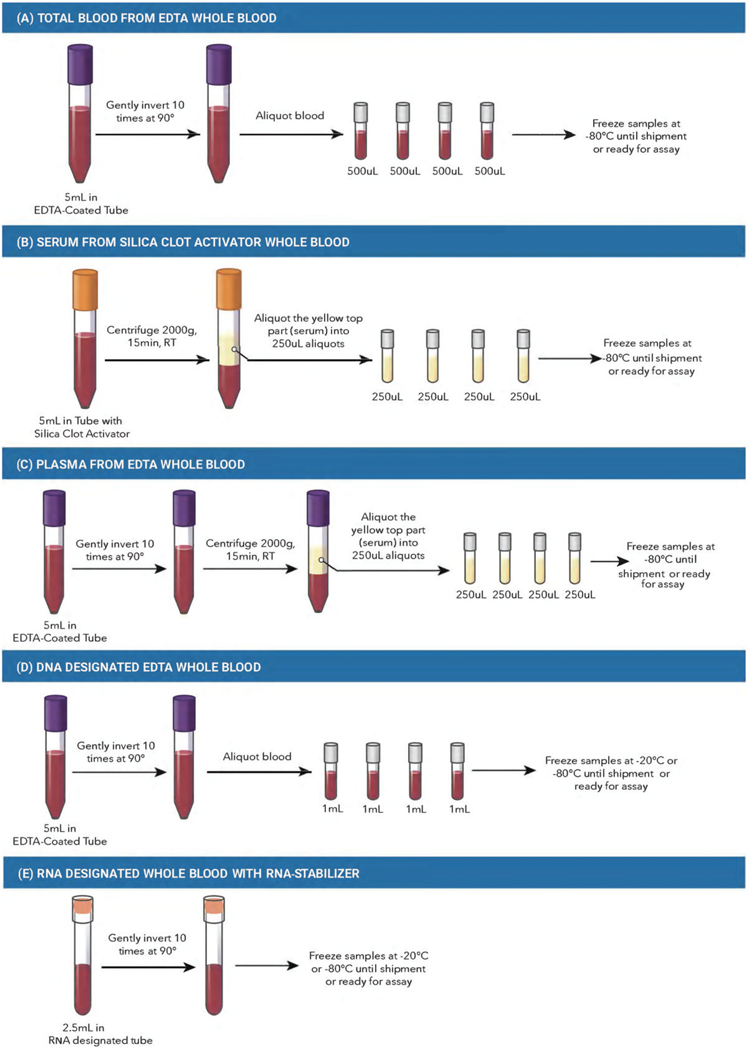
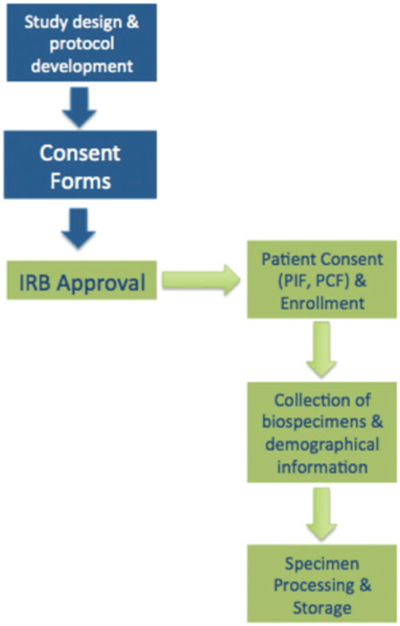
Recently, there has been a major shift in the field of psychiatry towards the exploration of complex relationships between blood-based biomarkers and the pathophysiology of psychiatric and neuropsychiatric disorders. However, issues with study reproducibility, validity and reliability have hindered progress towards the identification of clinically relevant biomarkers for psychiatry. The achievement of laboratory validity is a crucial first step for the posterior development of clinical validity. There is evidence that the variability observed in blood-based research studies may be minimised with the implementation of standardised pre-analytical methods and uniform clinical protocols (i.e., pre-venipuncture). It has been documented that errors made in the pre-analytical phase account for 46-68.2% of laboratory testing errors. Thus, standardising clinical assessment, ethical procedures and pre-analytical phase of clinical research is essential for the reproducibility, validity and reliability of blood marker assessment, and reducing the risk of invalid test results. Various other areas of research have already moved towards guidelines for the standardised collection of blood-based biomarkers. Here we aim to provide a set of guidelines that we believe would improve biomarker research: (1) pre-venipuncture information and documentation, (2) ethics of participant consent and (3) pre-analytical methods. Ultimately, we hope this will assist study planning and will improve data comparison across studies allowing for the discovery of biomarkers in psychiatry with both laboratorial and clinical validity.
最近,精神病学领域发生了重大转变,开始探索基于血液的生物标志物与精神和神经精神疾病的病理生理学之间的复杂关系。然而,研究的可重复性、有效性和可靠性问题阻碍了寻找与精神病学相关的临床相关生物标志物的进展。实验室有效性的实现是为后续开发临床有效性迈出的关键第一步。有证据表明,通过实施标准化的预分析方法和统一的临床方案(即采血前),可以最大限度地减少基于血液的研究中观察到的变异性。据记录,在预分析阶段出现的错误占实验室检测错误的 46-68.2%。因此,标准化临床评估、伦理程序和临床研究的预分析阶段对于血液标志物评估的可重复性、有效性和可靠性以及降低无效测试结果的风险至关重要。其他各个研究领域已经开始为基于血液的生物标志物的标准化采集制定指南。在这里,我们旨在提供一组我们认为可以改进生物标志物研究的指南:(1)采血前信息和文件记录,(2)参与者同意的伦理,以及(3)预分析方法。最终,我们希望这将有助于研究计划,并改善研究之间的数据比较,从而在精神医学中发现具有实验室和临床有效性的生物标志物。