New York University School of Medicine, Department of Neuroscience and Physiology, and The Neuroscience Institute, 435 E 30th St. SB1123, New York, NY 10016, United States of America.
New York University School of Medicine, Department of Biochemistry and Molecular Pharmacology, 550 First Ave, MSB 398, New York, NY 10016, United States of America.
EBioMedicine. 2019 Apr;42:157-173. doi: 10.1016/j.ebiom.2019.03.033. Epub 2019 Mar 22.
Bringing antibodies from pre-clinical studies to human trials requires humanization, but this process may alter properties that are crucial for efficacy. Since pathological tau protein is primarily intraneuronal in Alzheimer's disease, the most efficacious antibodies should work both intra- and extracellularly. Thus, changes which impact uptake or antibody binding will affect antibody efficacy.
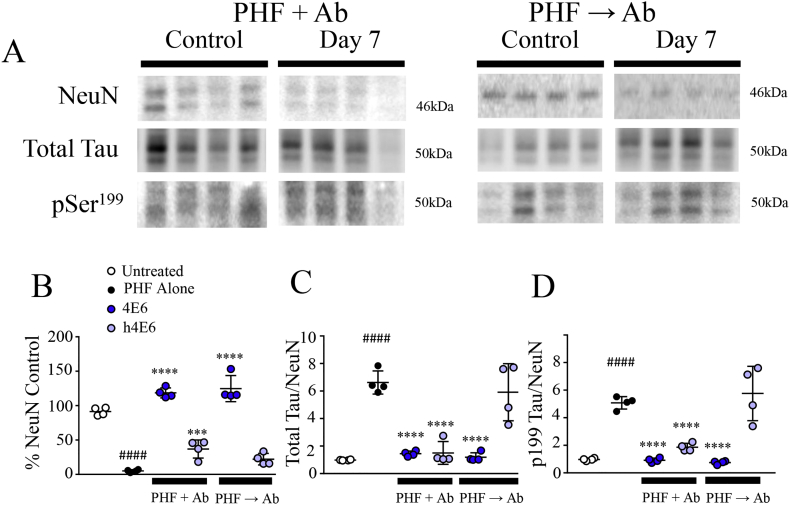
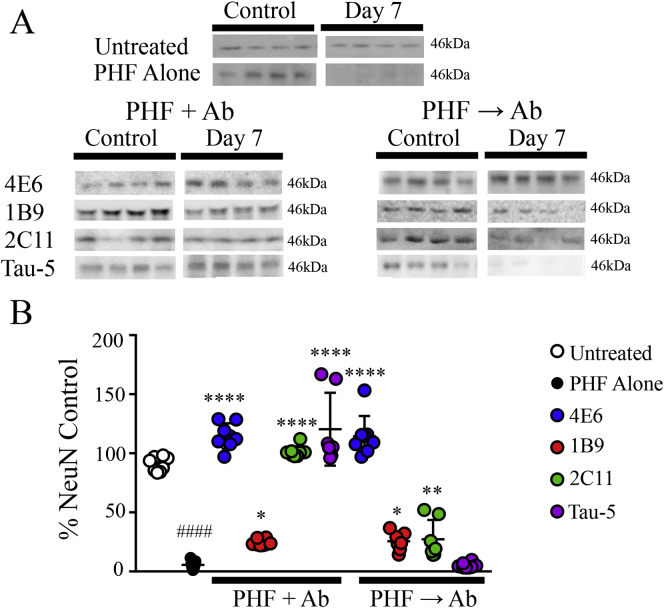
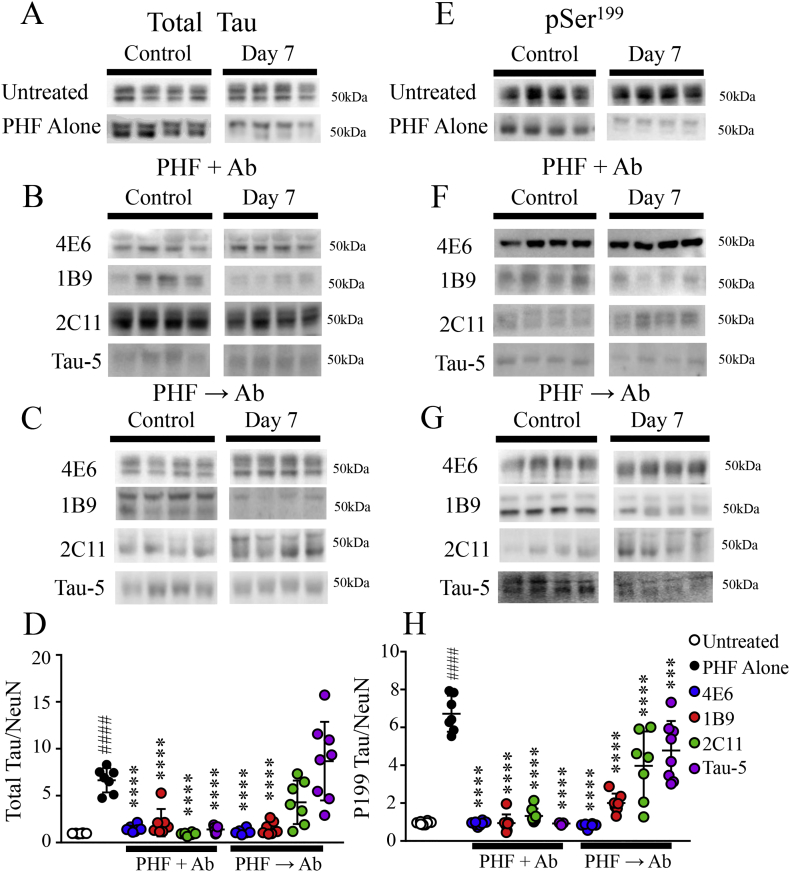
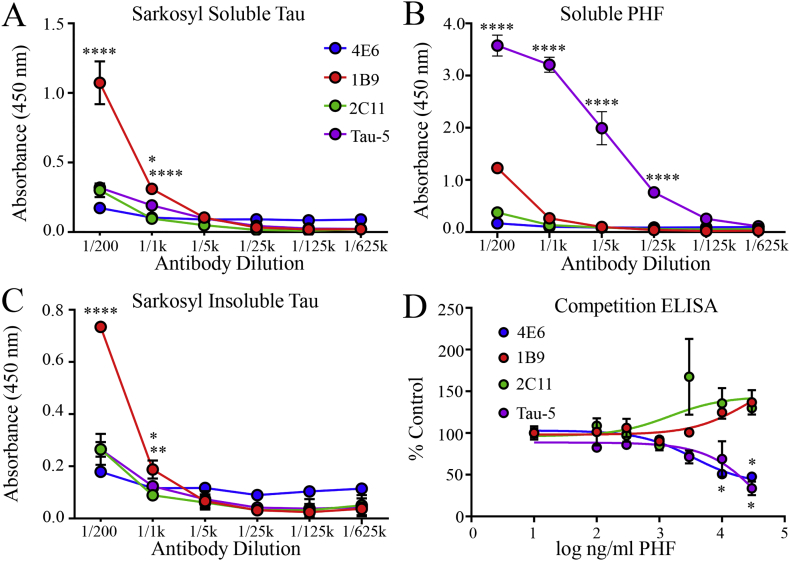
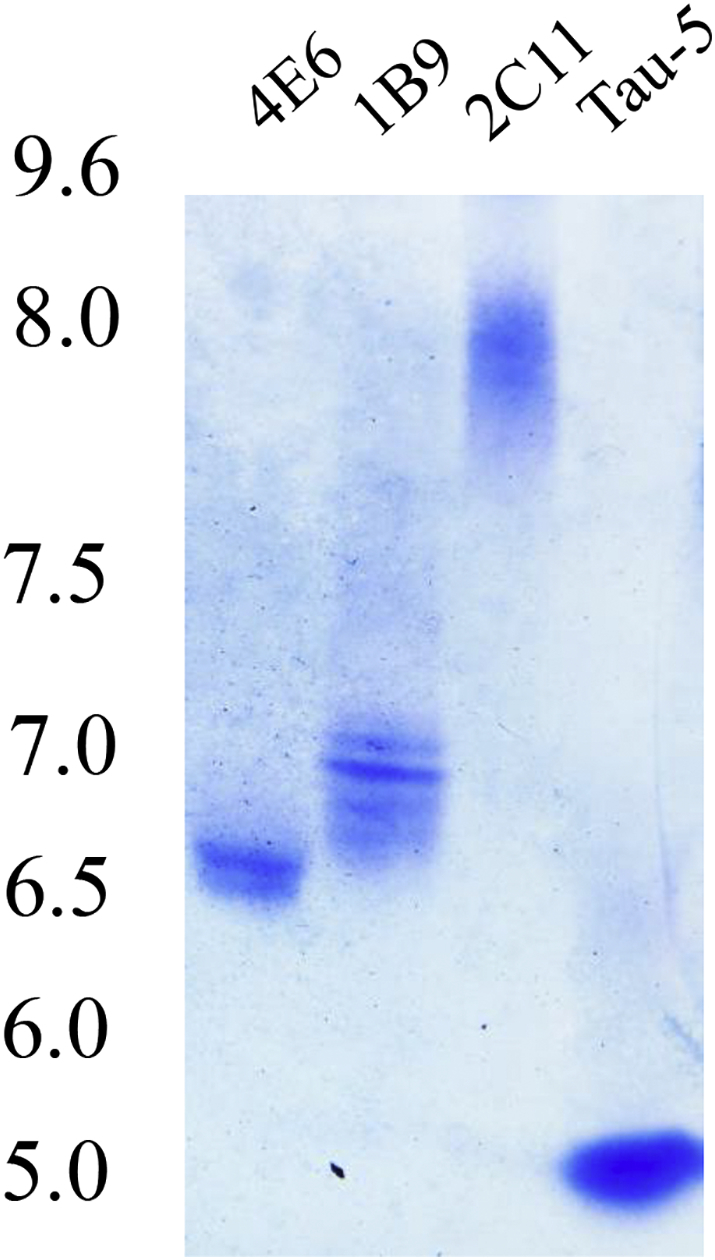
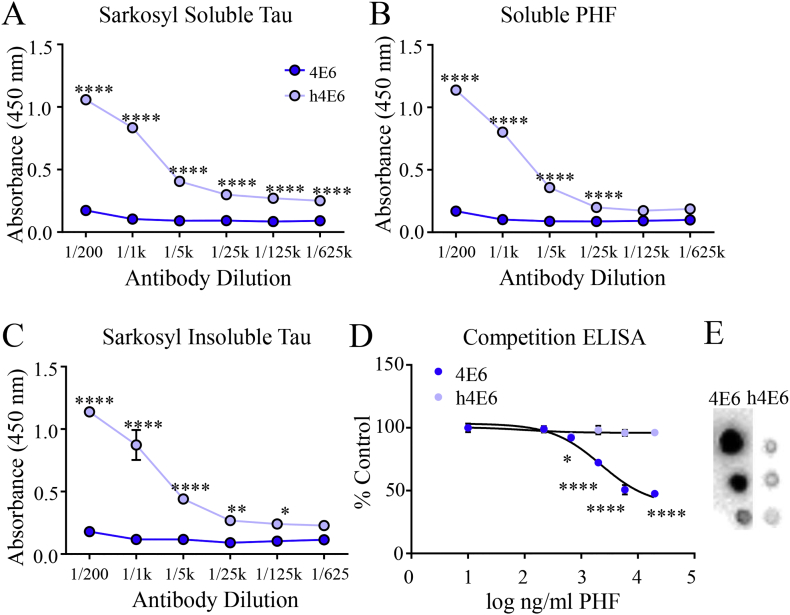
Initially, we examined four tau mouse monoclonal antibodies with naturally differing charges. We quantified their neuronal uptake, and efficacy in preventing toxicity and pathological seeding induced by human-derived pathological tau. Later, we generated a human chimeric 4E6 (h4E6), an antibody with well documented efficacy in multiple tauopathy models. We compared the uptake and efficacy of unmodified and chimeric antibodies in neuronal and differentiated neuroblastoma cultures. Further, we analyzed tau binding using ELISA assays.
Neuronal uptake of tau antibodies and their efficacy strongly depends on antibody charge. Additionally, their ability to prevent tau toxicity and seeding of tau pathology does not necessarily go together. Particularly, chimerization of 4E6 increased its charge from 6.5 to 9.6, which blocked its uptake into human and mouse cells. Furthermore, h4E6 had altered binding characteristics despite intact binding sites, compared to the mouse antibody. Importantly, these changes in uptake and binding substantially decreased its efficacy in preventing tau toxicity, although under certain conditions it did prevent pathological seeding of tau.
These results indicate that efficacy of chimeric/humanized tau antibodies should be thoroughly characterized prior to clinical trials, which may require further engineering to maintain or improve their therapeutic potential. FUND: National Institutes of Health (NS077239, AG032611, R24OD18340, R24OD018339 and RR027990, Alzheimer's Association (2016-NIRG-397228) and Blas Frangione Foundation.
将抗体从临床前研究引入人体试验需要进行人源化,但这一过程可能会改变对疗效至关重要的特性。由于病理性 tau 蛋白在阿尔茨海默病中主要存在于神经元内,因此最有效的抗体应该在细胞内外发挥作用。因此,影响摄取或抗体结合的变化将影响抗体的疗效。
最初,我们研究了四种电荷自然不同的 tau 小鼠单克隆抗体。我们量化了它们的神经元摄取,以及预防由人源性病理性 tau 诱导的毒性和病理性播散的效果。之后,我们生成了一种人源化的 4E6(h4E6)抗体,该抗体在多种 tau 病模型中具有良好的疗效记录。我们比较了未修饰和嵌合抗体在神经元和分化的神经母细胞瘤培养物中的摄取和疗效。此外,我们还使用 ELISA 分析了 tau 结合。
tau 抗体的神经元摄取及其疗效强烈依赖于抗体电荷。此外,它们预防 tau 毒性和 tau 病理播散的能力不一定一致。特别是,4E6 的嵌合化使其电荷从 6.5 增加到 9.6,从而阻止其进入人和鼠细胞摄取。此外,尽管结合位点完整,但 h4E6 的结合特性发生了改变,与小鼠抗体相比。重要的是,摄取和结合的这些变化大大降低了其预防 tau 毒性的疗效,尽管在某些条件下它确实可以预防 tau 的病理性播散。
这些结果表明,在临床试验之前,应彻底表征嵌合/人源化 tau 抗体的疗效,这可能需要进一步的工程设计来维持或提高其治疗潜力。
美国国立卫生研究院(NS077239、AG032611、R24OD18340、R24OD018339 和 RR027990)、阿尔茨海默病协会(2016-NIRG-397228)和 Blas Frangione 基金会。