Liu Chang, Li Ting, Wang Zhijie, Zhou Rui, Zhuang Lixing
Clinical Medical College of Acupuncture, Moxibustion and Rehabilitation, Guangzhou University of Chinese Medicine, Guangzhou, China.
Medicine (Baltimore). 2019 Mar;98(13):e14880. doi: 10.1097/MD.0000000000014880.
Autism spectrum disorder (ASD) is a neurodevelopment disorder without definitive cure. Previous studies have provided evidences for efficacy and safety of scalp acupuncture in children with ASD. However, the efficacy of scalp acupuncture treatment (SAT) in children with ASD has not been evaluated systematically. The objective of this study is to evaluate the efficacy of SAT in children with ASD.
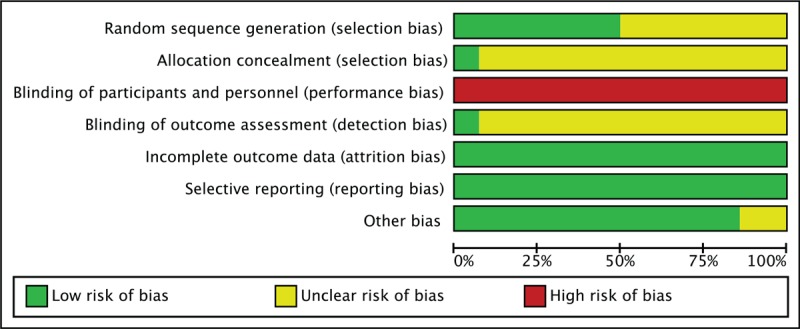
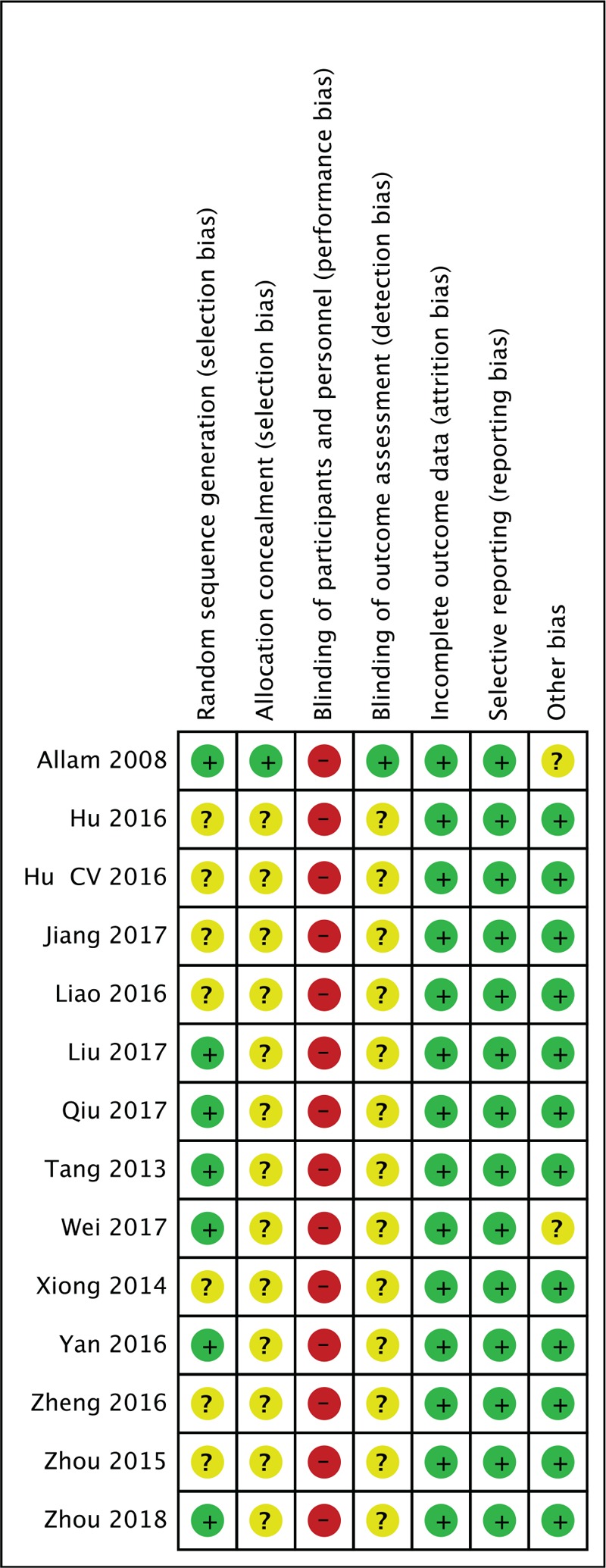
Information from 6 databases, including MEDLINE, EMBASE, Cochrane database, AMED, China National Knowledge Infrastructure, and Wanfang Data, were retrieved from the inception of each database from 1980 through September 2018. Randomized controlled trials evaluating the efficacy of SAT for patients with ASD were included. The primary outcome measures were the Childhood Autism Rating Scale (CARS) and Autism Behavior Checklist (ABC). The secondary outcome measures were Psychoeducational Profile (Third Edition) (PEP-3) scores. Risk of bias assessment and data synthesis were conducted with Review Manager 5.3 software. Methodological quality was assessed with the Cochrane risk of bias tool.
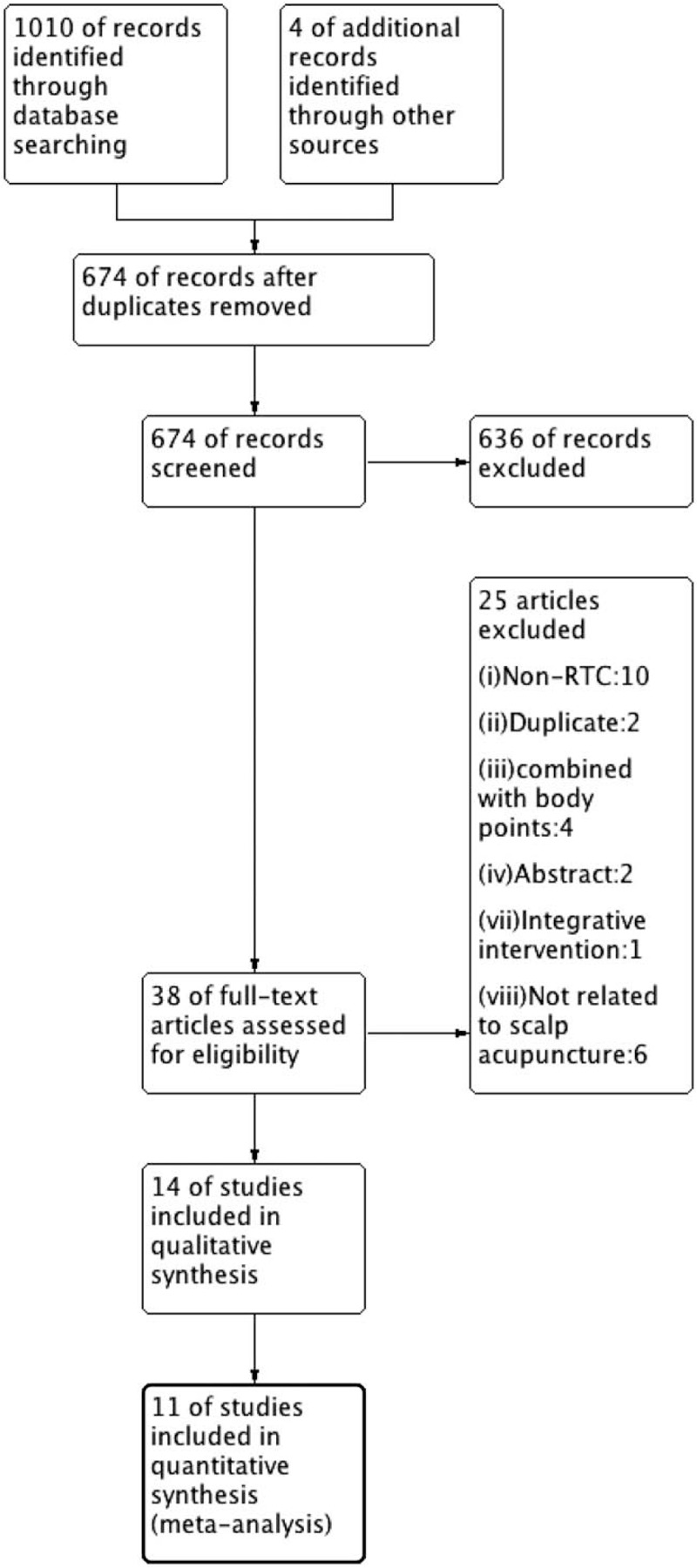
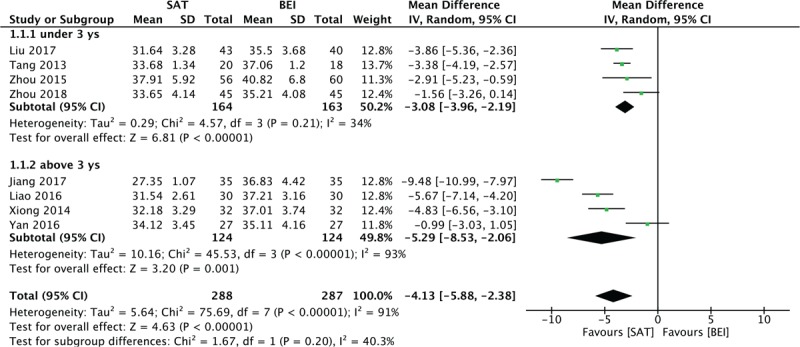
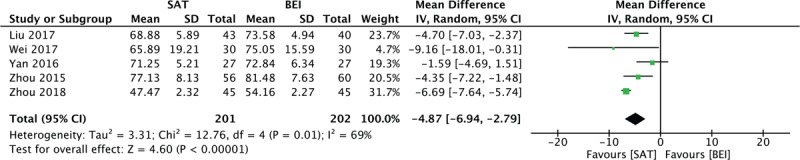
Fourteen trials with 968 participants were conducted and 11 of the trials were suitable for meta-analysis. Compared with behavioral and educational interventions, SAT significantly decreased the overall CARS scores for children under 3 years old (mean difference (MD) = 3.08, 95% confidence interval (CI) [-3.96, -2.19], P < .001) and above 3 years old (MD = 5.29, 95% CI [-8.53, -2.06], P < .001), ABC scores (MD = 4.70, 95% CI [-6.94, -2.79], P < .001). Furthermore, SAT significantly improved PEP-3 scores in communication (MD = 3.61, 95% CI [2.85, 4.37], P < .001), physical ability (MD = 2.00, 95% CI [1.16, 2.84], P < .001), and behavior (MD = 2.76, 95% CI [1.80, 2.71], P < .001).
SAT may be an effective treatment for children with ASD. Given the heterogeneity and number of participants, randomized controlled trials of high quality and design are required before widespread application of this therapy.
自闭症谱系障碍(ASD)是一种无法彻底治愈的神经发育障碍。以往研究已为头皮针治疗ASD患儿的有效性和安全性提供了证据。然而,头皮针治疗(SAT)对ASD患儿的疗效尚未得到系统评估。本研究的目的是评估SAT对ASD患儿的疗效。
检索6个数据库的信息,包括MEDLINE、EMBASE、Cochrane数据库、AMED、中国知网和万方数据,检索时间从1980年各数据库建库起至2018年9月。纳入评估SAT对ASD患者疗效的随机对照试验。主要结局指标为儿童自闭症评定量表(CARS)和自闭症行为量表(ABC)。次要结局指标为心理教育评估量表(第三版)(PEP - 3)得分。采用Review Manager 5.3软件进行偏倚风险评估和数据合成。使用Cochrane偏倚风险工具评估方法学质量。
共进行了14项试验,涉及968名参与者,其中11项试验适合进行荟萃分析。与行为和教育干预相比,SAT显著降低了3岁以下儿童(平均差值(MD)= - 3.08,95%置信区间(CI)[- 3.96,- 2.19],P <.001)和3岁以上儿童(MD = - 5.29,95% CI [- 8.53,- 2.06],P <.001)的CARS总分、ABC得分(MD = - 4.70,95% CI [- 6.94,- 2.79],P <.001)。此外,SAT显著提高了PEP - 3在沟通(MD = 3.61,95% CI [2.85,4.37],P <.001)、身体能力(MD = 2.00,95% CI [1.16,2.84],P <.001)和行为(MD = 2.76,95% CI [1.80,2.71],P <.001)方面的得分。
SAT可能是治疗ASD患儿的一种有效方法。鉴于研究的异质性和参与者数量,在广泛应用该疗法之前,需要高质量和设计合理的随机对照试验。