Ito Fumiaki, Sono Yoko, Ito Tomoyuki
The Institute of Prophylactic Pharmacology, Shinagawa, Tokyo 140-0001, Japan.
R&D Department, Sunstar Inc., Takatsuki, Osaka 569-1195, Japan.
Antioxidants (Basel). 2019 Mar 25;8(3):72. doi: 10.3390/antiox8030072.
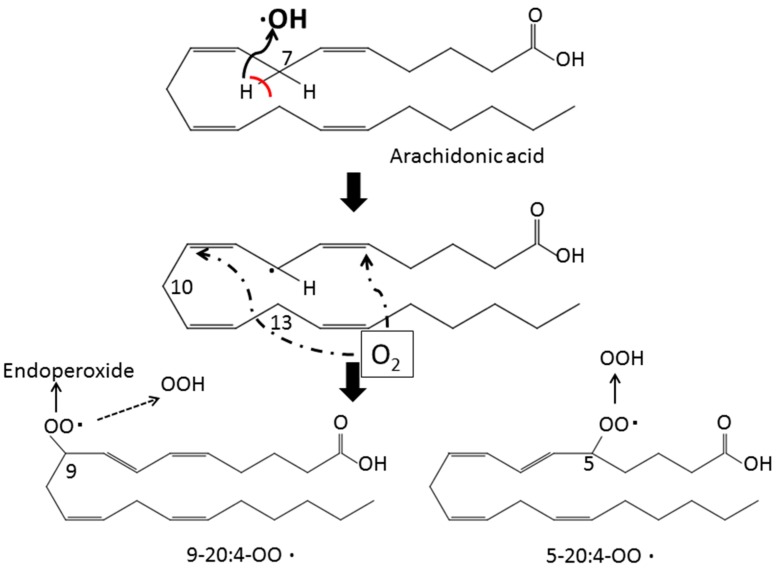
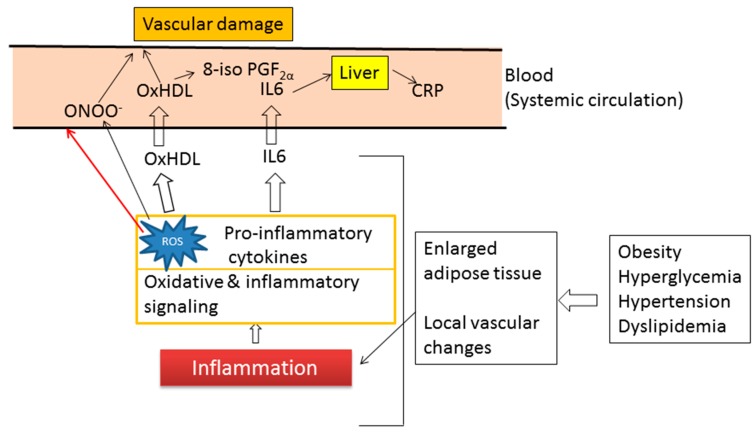
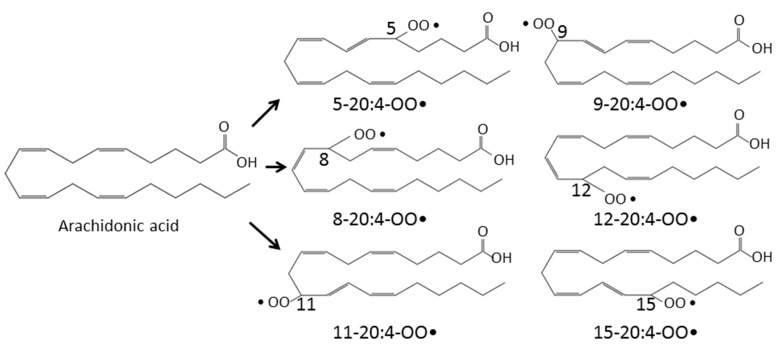
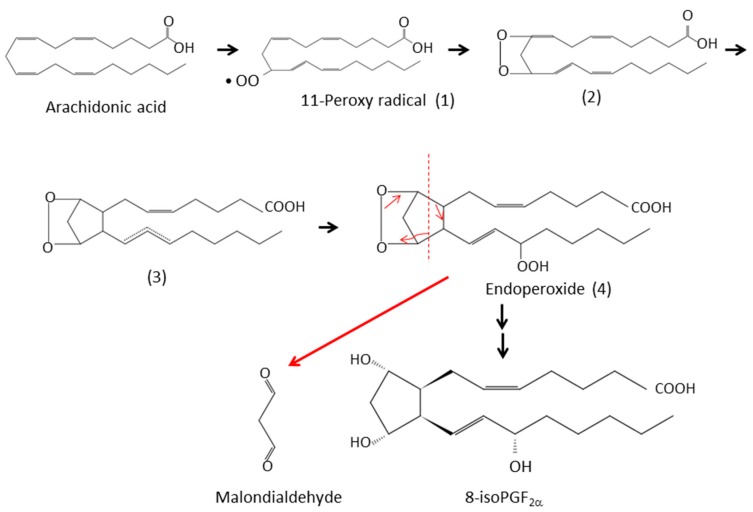
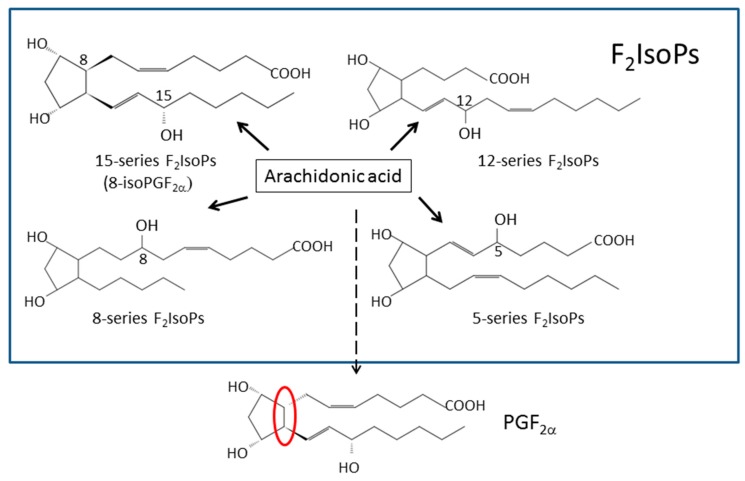
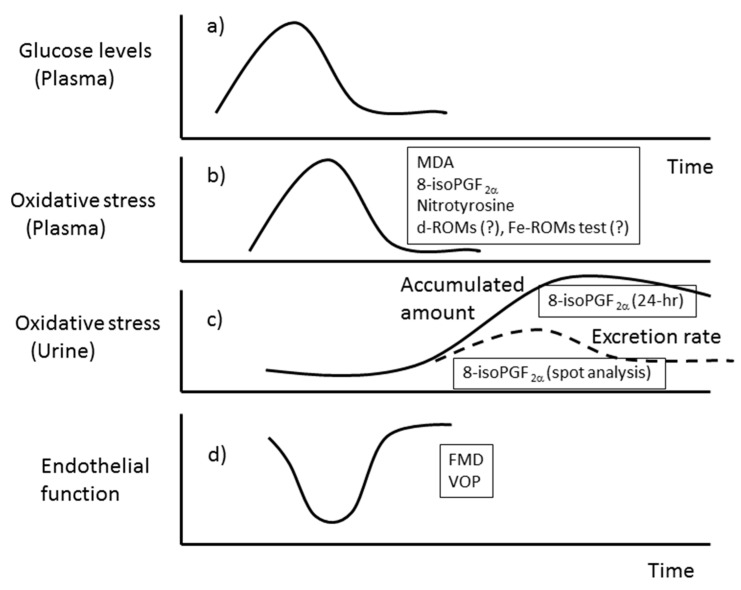
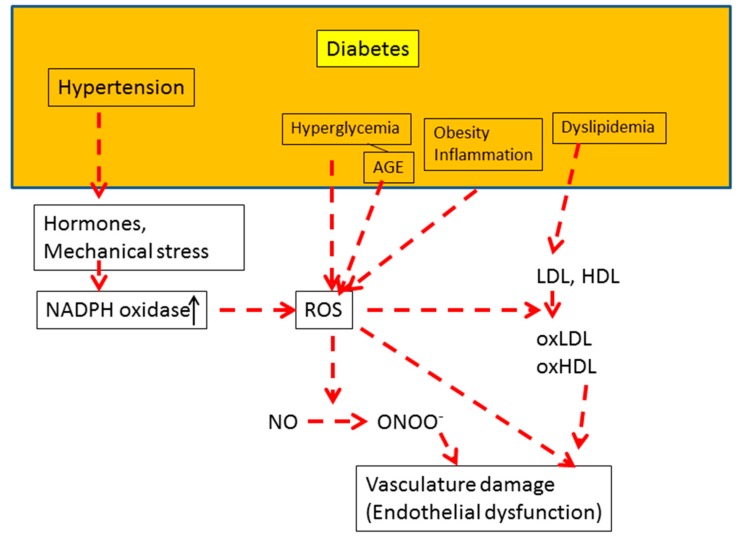
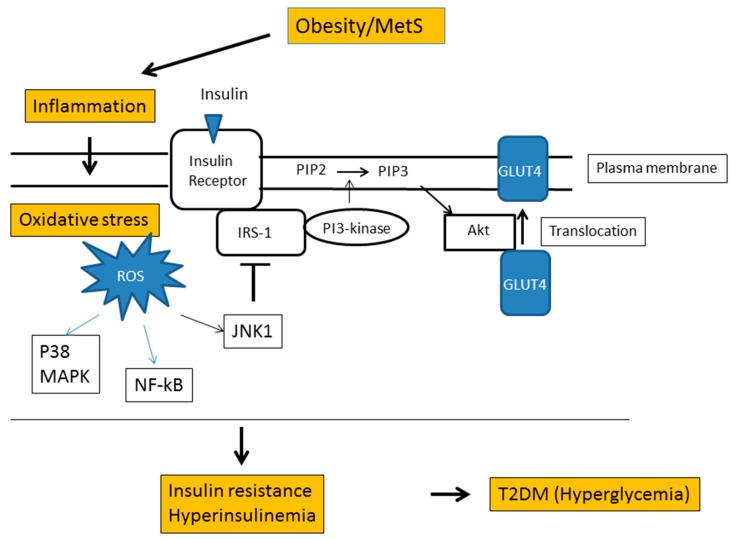
Endothelial dysfunction is one of the initial steps in the pathogenesis of atherosclerosis and development of cardiovascular disease in patients with diabetes mellitus. Several risk factors are associated with endothelial dysfunction and atherosclerosis, such as hypertension, dyslipidaemia, inflammation, oxidative stress, and advanced glycation-end products. Among these risk factors, oxidative stress is the largest contributor to the formation of atherosclerotic plaques. Measurement of reactive oxygen species (ROS) is still difficult, and assays for the measurement of ROS have failed to show a consistent correlation between pathological states and oxidative stress. To solve this problem, this review summarizes the current knowledge on biomarkers of oxidative stress, especially lipid peroxidation, and discusses the roles of oxidative stress, as measured by indices of lipid peroxidation, in diabetes mellitus, atherosclerosis, and chronic inflammation.
内皮功能障碍是糖尿病患者动脉粥样硬化发病机制和心血管疾病发展的初始步骤之一。几种危险因素与内皮功能障碍和动脉粥样硬化相关,如高血压、血脂异常、炎症、氧化应激和晚期糖基化终产物。在这些危险因素中,氧化应激是动脉粥样硬化斑块形成的最大促成因素。活性氧(ROS)的测量仍然困难,并且用于测量ROS的检测方法未能显示病理状态与氧化应激之间的一致相关性。为了解决这个问题,本综述总结了关于氧化应激生物标志物,特别是脂质过氧化的当前知识,并讨论了通过脂质过氧化指标测量的氧化应激在糖尿病、动脉粥样硬化和慢性炎症中的作用。