Department of Mathematical Sciences, Chalmers University of Technology, Gothenburg, Sweden.
Centre for Antibiotic Resistance Research (CARe), University of Gothenburg, Gothenburg, Sweden.
Microbiome. 2019 Apr 1;7(1):52. doi: 10.1186/s40168-019-0670-1.
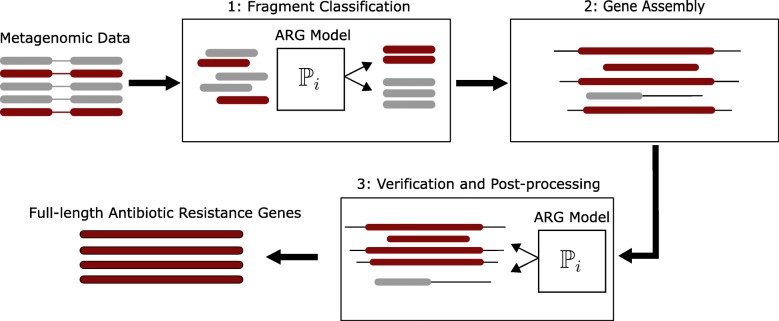
Environmental and commensal bacteria maintain a diverse and largely unknown collection of antibiotic resistance genes (ARGs) that, over time, may be mobilized and transferred to pathogens. Metagenomics enables cultivation-independent characterization of bacterial communities but the resulting data is noisy and highly fragmented, severely hampering the identification of previously undescribed ARGs. We have therefore developed fARGene, a method for identification and reconstruction of ARGs directly from shotgun metagenomic data.
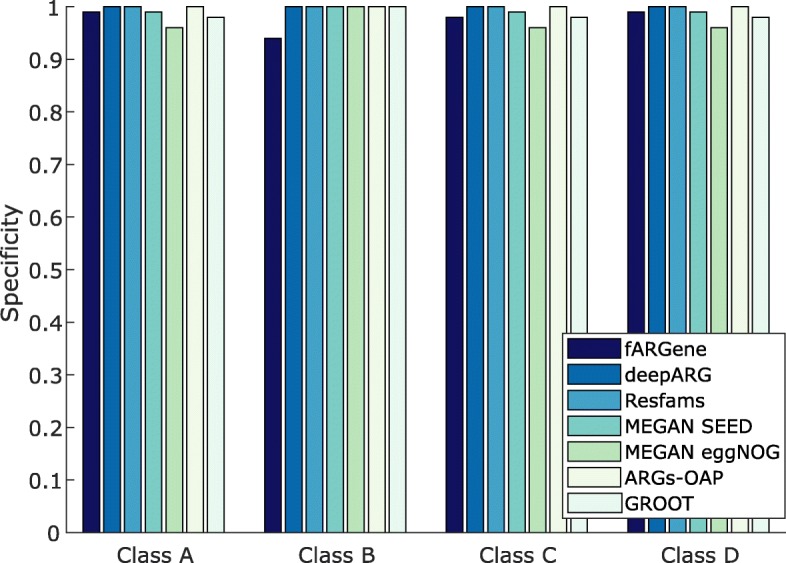
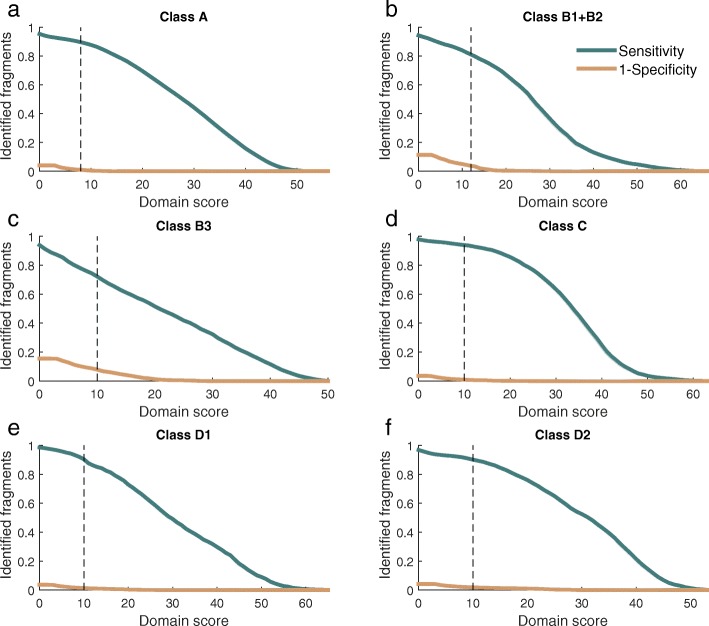
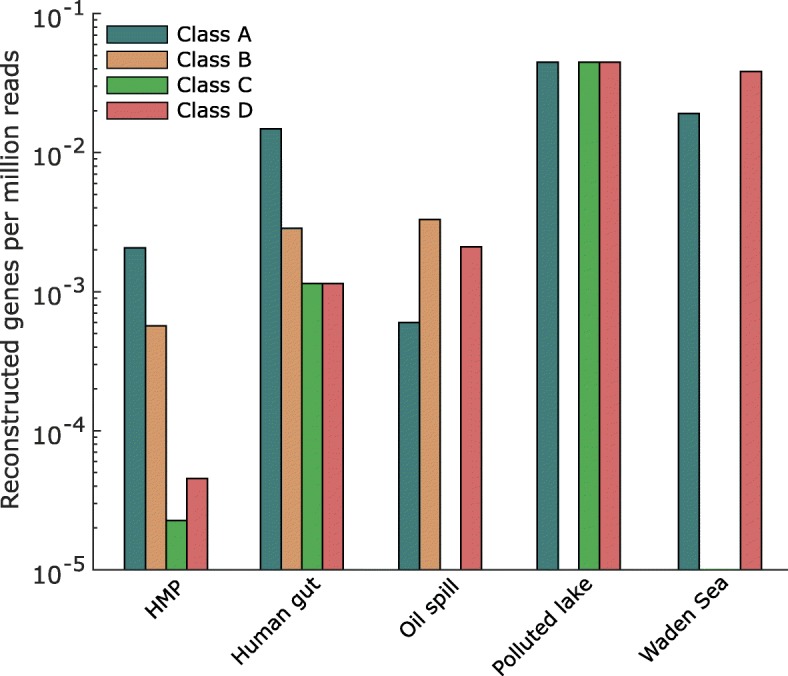
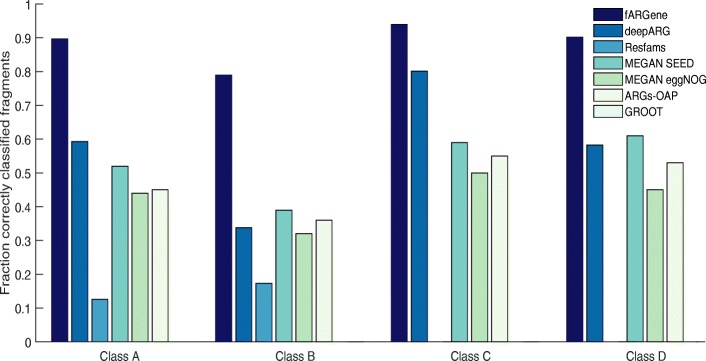
fARGene uses optimized gene models and can therefore with high accuracy identify previously uncharacterized resistance genes, even if their sequence similarity to known ARGs is low. By performing the analysis directly on the metagenomic fragments, fARGene also circumvents the need for a high-quality assembly. To demonstrate the applicability of fARGene, we reconstructed β-lactamases from five billion metagenomic reads, resulting in 221 ARGs, of which 58 were previously not reported. Based on 38 ARGs reconstructed by fARGene, experimental verification showed that 81% provided a resistance phenotype in Escherichia coli. Compared to other methods for detecting ARGs in metagenomic data, fARGene has superior sensitivity and the ability to reconstruct previously unknown genes directly from the sequence reads.
We conclude that fARGene provides an efficient and reliable way to explore the unknown resistome in bacterial communities. The method is applicable to any type of ARGs and is freely available via GitHub under the MIT license.
环境和共生细菌维持着多样化且在很大程度上未知的抗生素抗性基因(ARGs)集合,随着时间的推移,这些基因可能被动员并转移到病原体中。宏基因组学使我们能够对细菌群落进行无需培养的特征描述,但由此产生的数据嘈杂且高度碎片化,严重阻碍了对以前未描述的 ARGs 的识别。因此,我们开发了 fARGene,这是一种可直接从鸟枪法宏基因组数据中识别和重建 ARGs 的方法。
fARGene 使用了经过优化的基因模型,因此即使与已知的 ARGs 序列相似度较低,也可以非常准确地识别以前未表征的抗性基因。通过直接在宏基因组片段上进行分析,fARGene 还避免了对高质量组装的需求。为了证明 fARGene 的适用性,我们从五亿个宏基因组读段中重建了β-内酰胺酶,得到了 221 个 ARGs,其中 58 个以前没有报道过。基于 fARGene 重建的 38 个 ARGs,实验验证表明,其中 81%在大肠杆菌中提供了抗性表型。与其他用于检测宏基因组数据中 ARGs 的方法相比,fARGene 具有更高的灵敏度和直接从序列读段重建以前未知基因的能力。
我们得出结论,fARGene 为探索细菌群落中未知的耐药组提供了一种高效可靠的方法。该方法适用于任何类型的 ARGs,并可在 GitHub 上以 MIT 许可证免费获得。