Stokes Kate L, Cortez-Retamozo Virna, Acosta Jonuelle, Lauderback Brian, Robles-Oteiza Camila, Cicchini Michelle, Pittet Mikael J, Feldser David M
Department of Cancer Biology, University of Pennsylvania, 421 Curie Blvd., 751 BRB II/III, Philadelphia, PA, 19104-6160, USA.
Center for Systems Biology, Massachusetts General Hospital Research Institute and Harvard Medical School, Boston, MA, 02114, USA.
Oncogenesis. 2019 Apr 1;8(4):24. doi: 10.1038/s41389-019-0133-3.
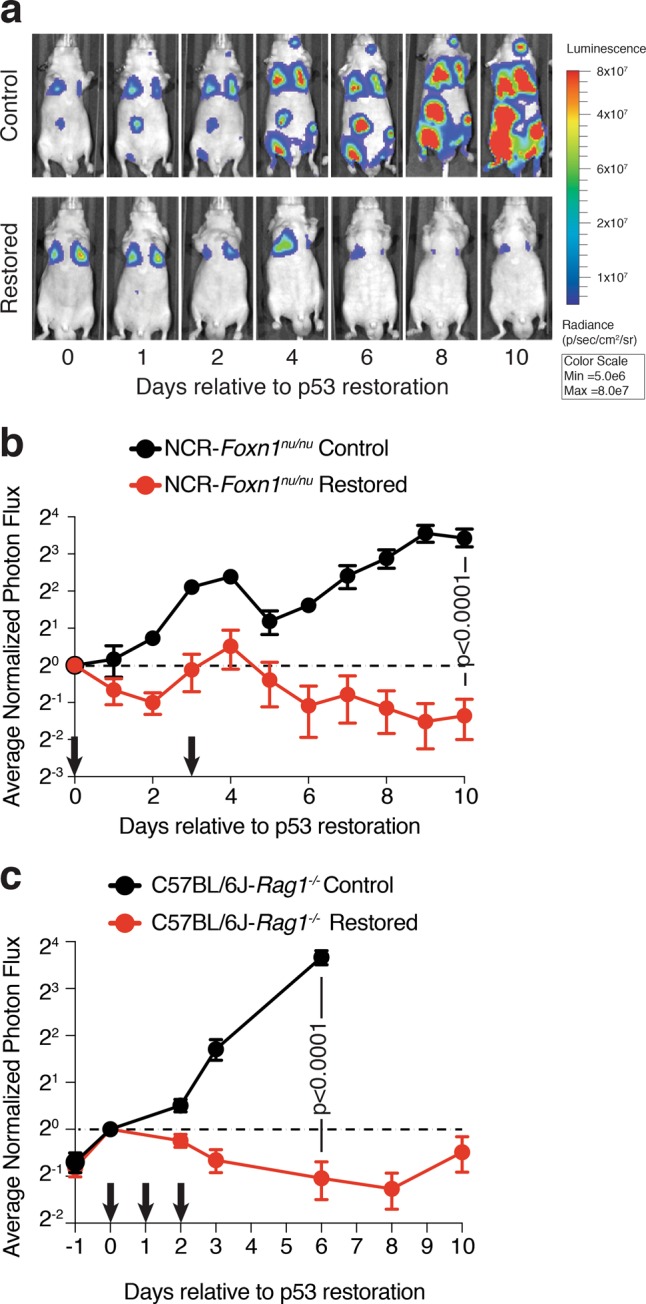
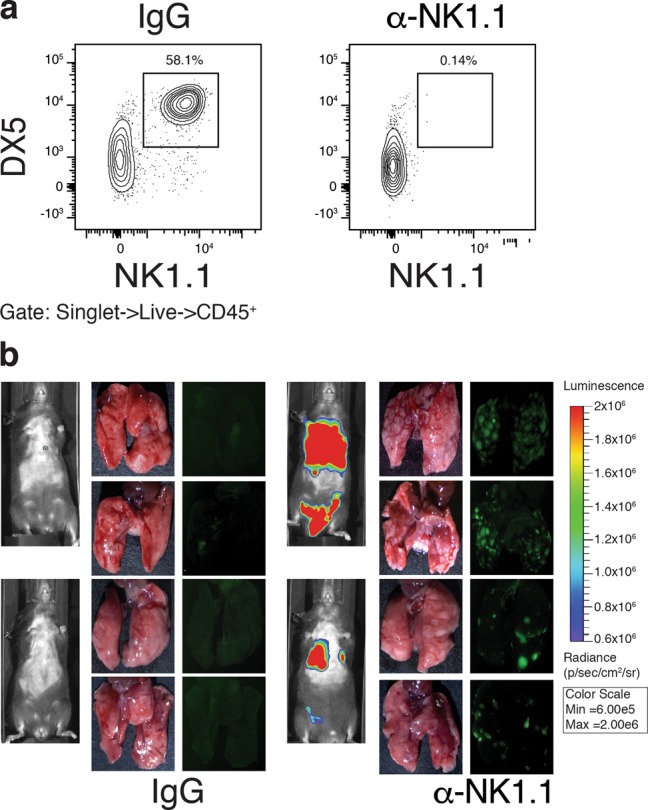
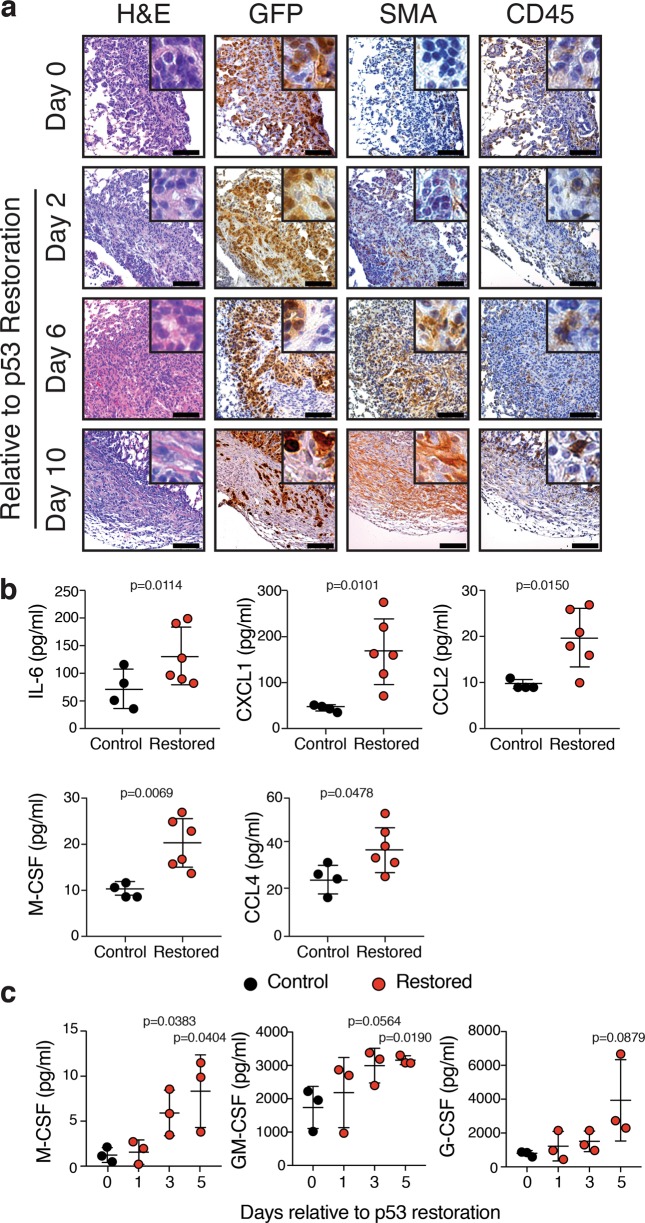
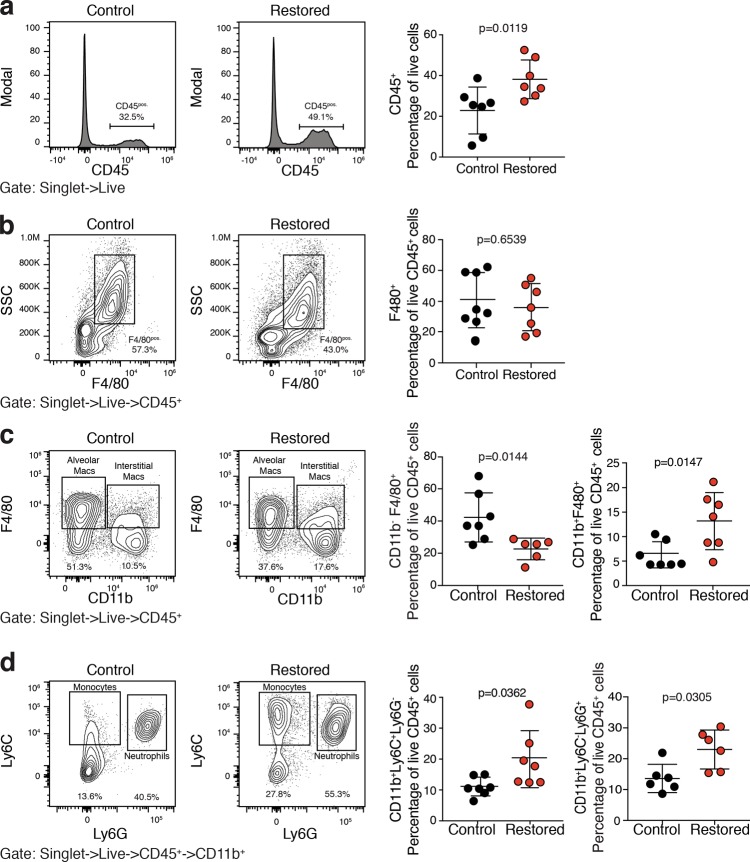
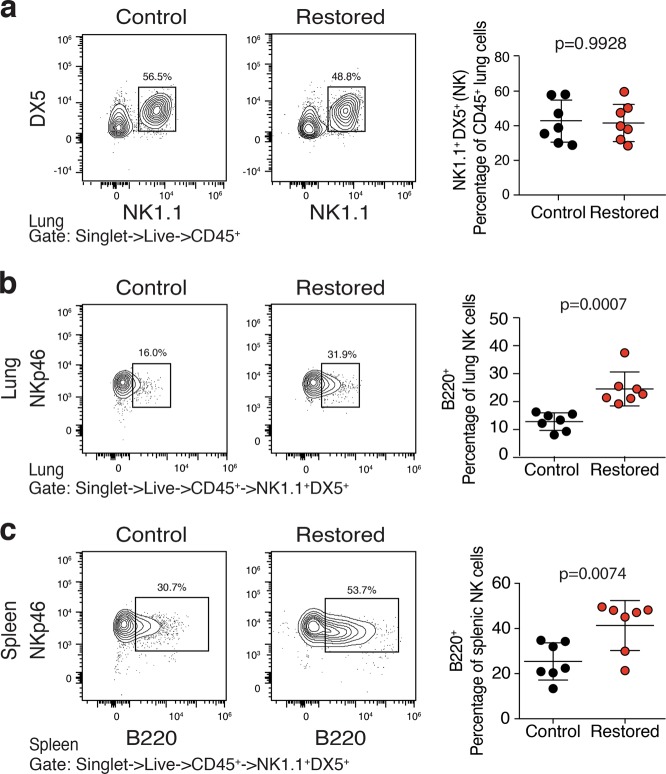
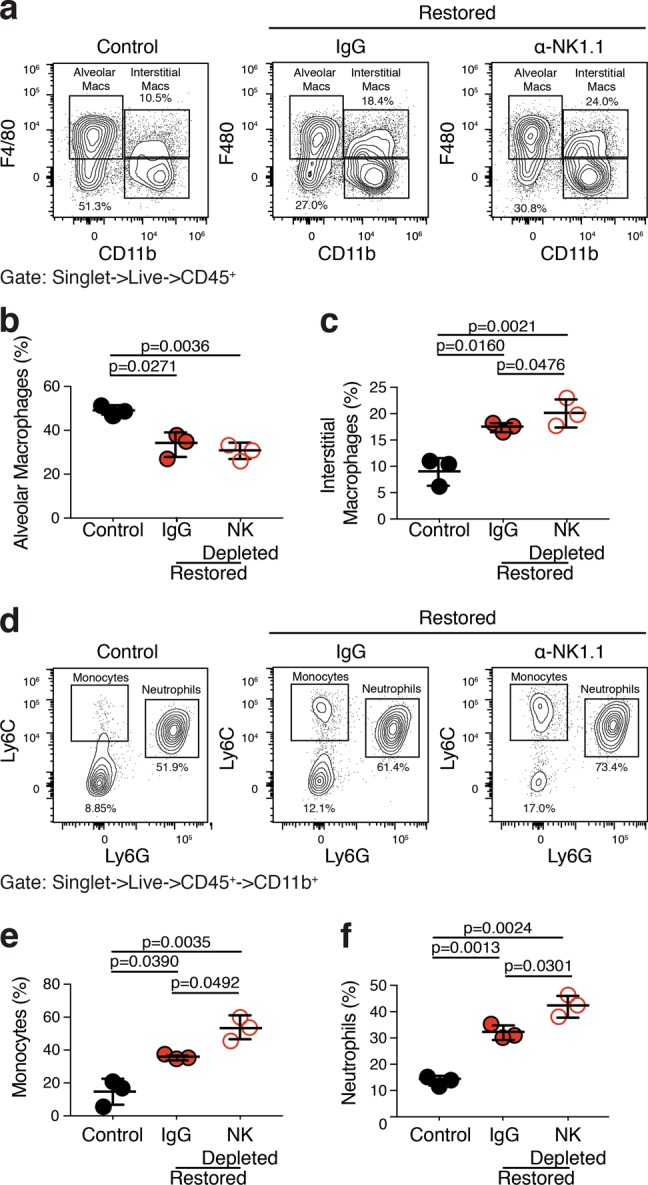
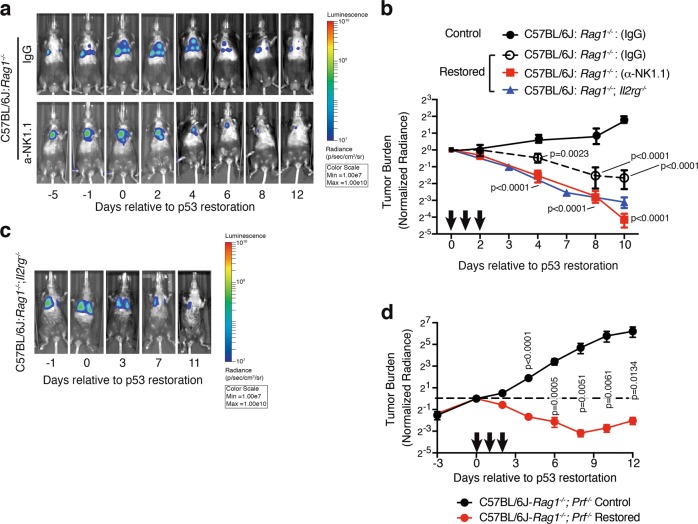
Senescence is an important p53-controlled tumor suppressor program that not only opposes the proliferation of cancer cells but also promotes their immune-mediated clearance in certain contexts. In hepatocellular cancer, p53 induction promotes an innate immune cell-mediated clearance of senescent cells wherein natural killer (NK) cells seem to play the primary sentinel role. Whether NK cells also surveil cancer cells in other tumor types when p53 is activated to promote a senescence response is unknown. To identify the role that NK and other innate immune cell types have on the surveillance and destruction of lung adenocarcinoma cells, we developed an orthotopic transplantation model where p53 gene function could be restored to induce senescence after successful engraftment of tumor cells in the mouse lung. Contrary to precedent, we found that NK cells actually limited the efficient clearance of tumor cells from the mouse lung after p53 restoration. Instead, activation of p53 induced the infiltration of monocytes, neutrophils, and interstitial macrophages. Loss of NK cells further promoted expansion of these inflammatory cell types and tumor clearance after p53 restoration. These observations suggest that NK cell responses to p53 activation in lung adenocarcinoma is distinct from those found in other tumor types and that diverse innate immune cell populations may play context-dependent roles during tumor immune surveillance. Further, our data provide an impetus to understand the broader mechanisms that regulate cancer cell destruction by multiple cell types of the innate immune system and distinct cancer contexts.
衰老 是一种重要的由p53调控的肿瘤抑制程序,它不仅能抑制癌细胞的增殖,还能在某些情况下促进癌细胞的免疫介导清除。在肝细胞癌中,p53的诱导促进了衰老细胞的先天性免疫细胞介导清除,其中自然杀伤(NK)细胞似乎发挥着主要的哨兵作用。当p53被激活以促进衰老反应时,NK细胞是否也会监测其他肿瘤类型中的癌细胞尚不清楚。为了确定NK细胞和其他先天性免疫细胞类型在肺腺癌细胞监测和破坏中的作用,我们建立了一种原位移植模型,在该模型中,在肿瘤细胞成功植入小鼠肺部后,可以恢复p53基因功能以诱导衰老。与之前的研究相反,我们发现p53恢复后,NK细胞实际上限制了肿瘤细胞从小鼠肺部的有效清除。相反,p53的激活诱导了单核细胞、中性粒细胞和间质巨噬细胞的浸润。NK细胞的缺失进一步促进了这些炎症细胞类型的扩增以及p53恢复后的肿瘤清除。这些观察结果表明,肺腺癌中NK细胞对p53激活的反应与其他肿瘤类型不同,并且不同的先天性免疫细胞群体在肿瘤免疫监测过程中可能发挥依赖于背景的作用。此外,我们的数据为理解调节先天性免疫系统多种细胞类型和不同癌症背景下癌细胞破坏的更广泛机制提供了动力。