Wang Di, Dai Fei, Ning Xiaopeng, Dong Renguang G, Wu John Z
Dept. of Civil and Environmental Engineering, West Virginia Univ., P.O. Box 6103, Morgantown, WV 26506.
Dept. of Industrial and Management Systems Engineering, West Virginia Univ., P.O. Box 6070, Morgantown, WV 26506.
J Constr Eng Manag. 2017 Jul;143(7). doi: 10.1061/(ASCE)CO.1943-7862.0001320. Epub 2017 Mar 7.
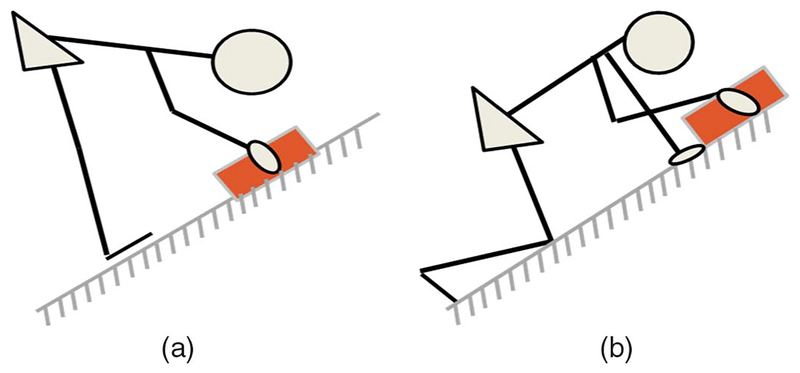
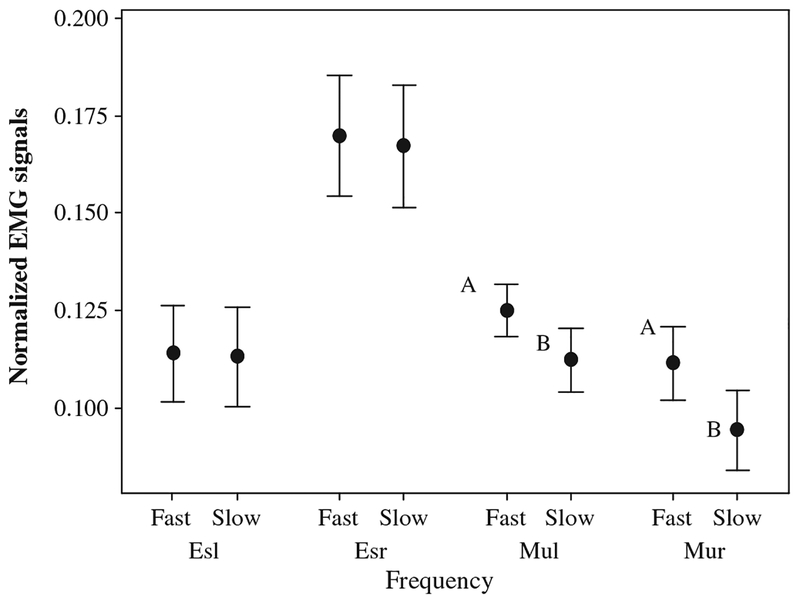
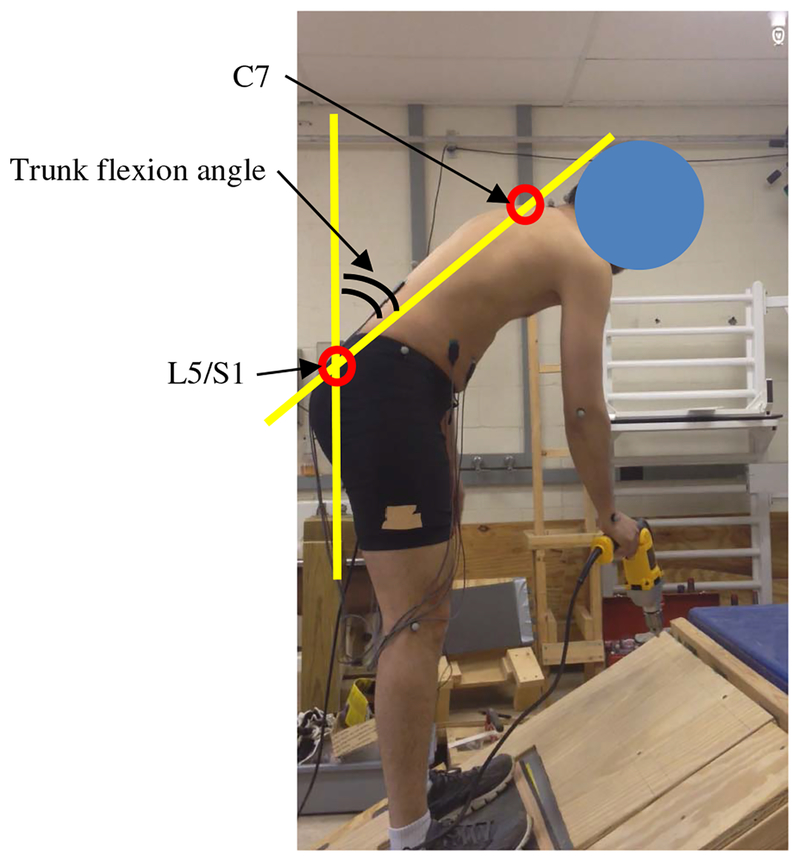
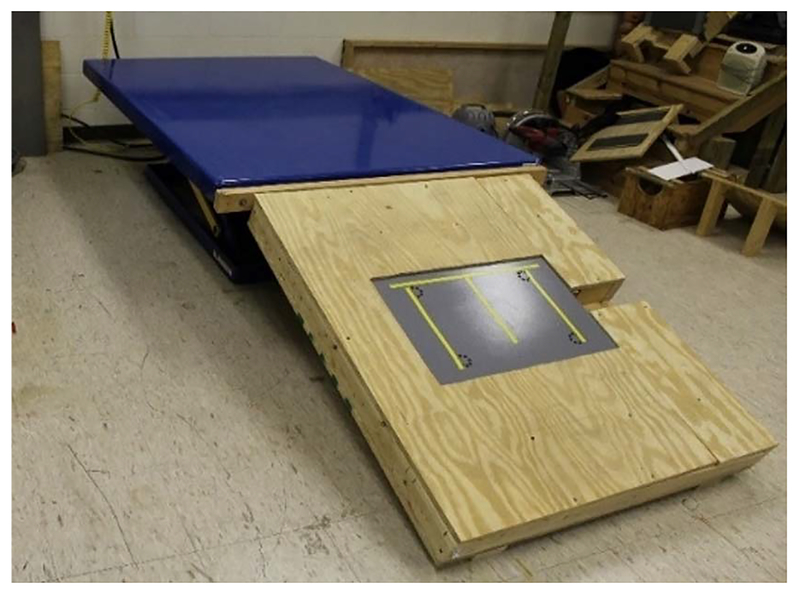
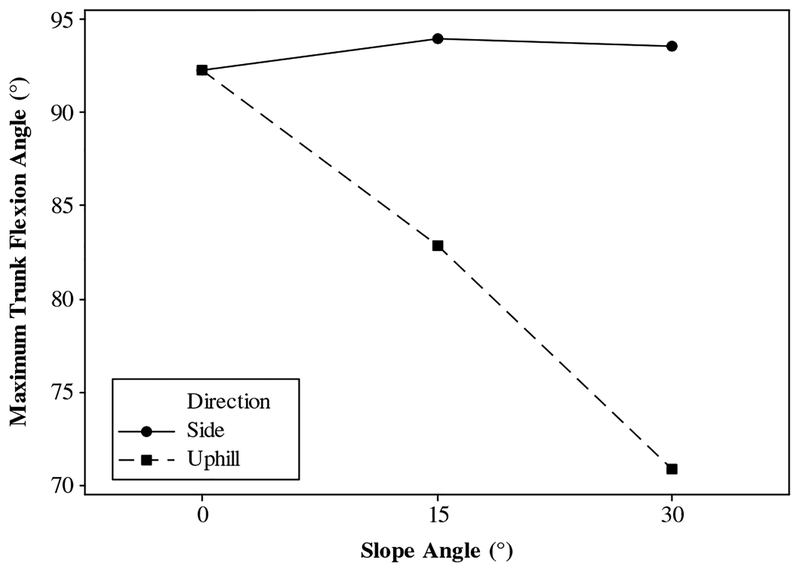
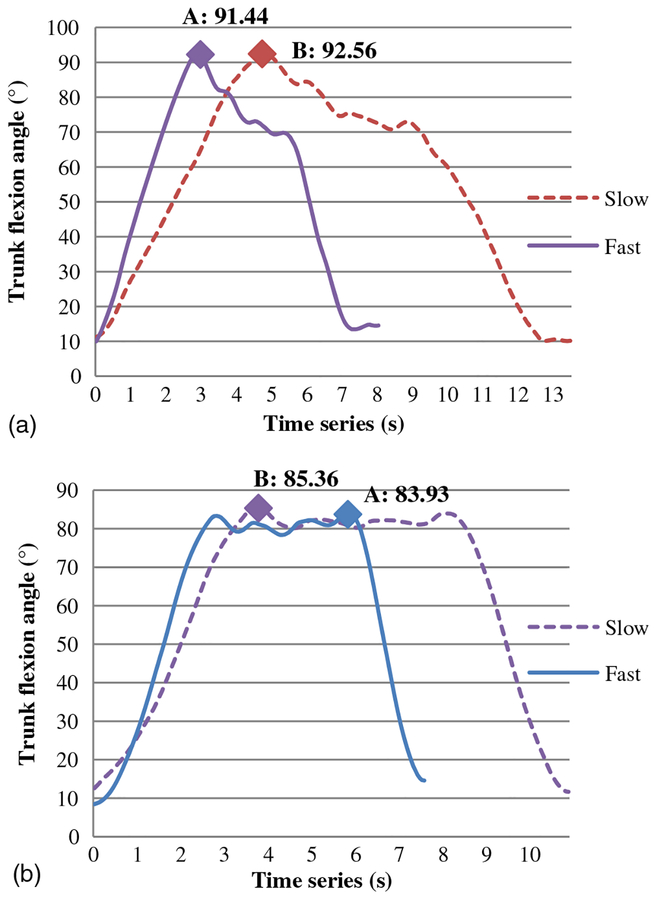
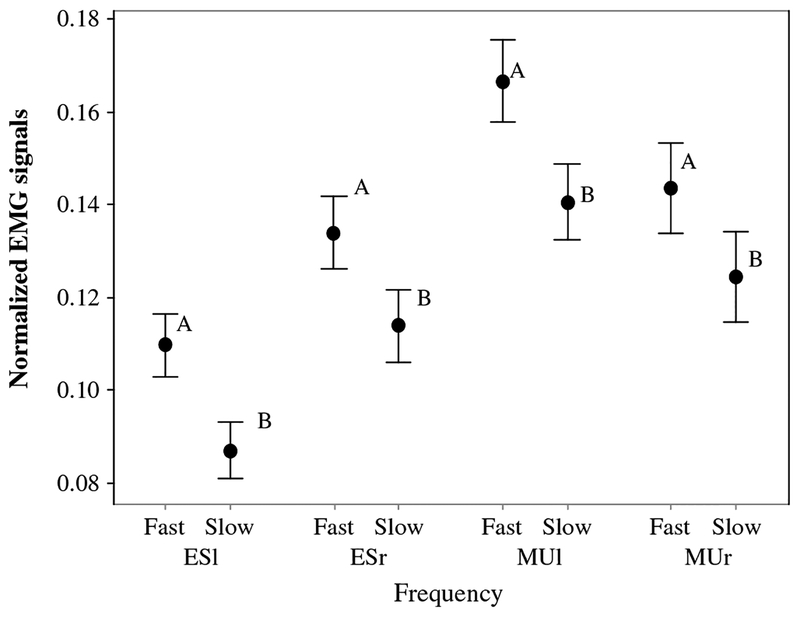
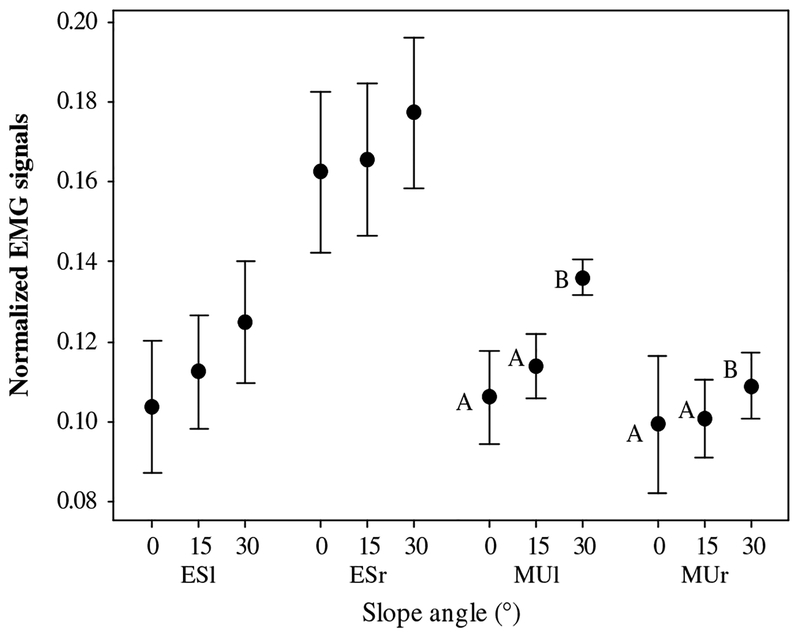
Roofers have long suffered from low back disorders (LBDs), which are a primary nonfatal injury in construction. Ergonomic studies have identified several risk factors associated with LBDs in workplaces and developed biomechanical models for general LBD risk assessments. However, these models cannot be directly used for assessments in roof workplaces because they are designed for general tasks without considering roofers' posture variance and effects of working on slanted roof surfaces. This paper examined the relationship between roofing work-related factors and LBD risk among roofers using a laboratory assessment. A pitch-configurable wood platform was built to mimic the rooftop. The maximum trunk flexion angle and normalized electromyography (EMG) signals were measured as indicators using a motion capture system and a skeletal muscle signal recording system under different settings, i.e., different roof slopes, postures, facing directions, and working paces. The results indicated the measured factors with significant effects on the LBD development and revealed unfavorable conditions (e.g., using a stooped posture to work on low-pitch rooftops at a fast pace) where the work on rooftops needs particular attention. Such information is useful for systematic understanding of roofing nonfatal LBD developments among construction professionals and may enable development of interventions and guidelines for reducing the prevalence of LBDs at roofing jobsites.
屋顶工长期饱受下背部疾病(LBDs)的困扰,下背部疾病是建筑业主要的非致命性损伤。人体工程学研究已经确定了工作场所中与下背部疾病相关的几个风险因素,并开发了用于一般下背部疾病风险评估的生物力学模型。然而,这些模型不能直接用于屋顶工作场所的评估,因为它们是为一般任务设计的,没有考虑屋顶工的姿势差异以及在倾斜屋顶表面工作的影响。本文通过实验室评估研究了屋顶工与屋顶工作相关因素和下背部疾病风险之间的关系。搭建了一个可配置坡度的木质平台来模拟屋顶。在不同的设置下,即不同的屋顶坡度、姿势、朝向和工作节奏下,使用运动捕捉系统和骨骼肌信号记录系统测量最大躯干屈曲角度和归一化肌电图(EMG)信号作为指标。结果表明,所测量的因素对下背部疾病的发展有显著影响,并揭示了一些不利条件(例如,在低坡度屋顶上快速工作时采用弯腰姿势),在这些条件下屋顶工作需要特别注意。这些信息有助于系统地了解建筑专业人员中屋顶非致命性下背部疾病的发展情况,并可能有助于制定干预措施和指南,以降低屋顶工作现场下背部疾病的患病率。