Key Laboratory of Carcinogenesis and Translational Research (Ministry of Education/Beijing), Department of Thoracic Medical Oncology, Peking University Cancer Hospital & Institute, Beijing, China.
Department of Epidemiology and Biostatistics, School of Public Health, Peking University, Beijing, China.
Thorac Cancer. 2019 May;10(5):1193-1202. doi: 10.1111/1759-7714.13063. Epub 2019 Apr 5.
Malignant pleural mesothelioma (MPM) is a rare but aggressive tumor that originates from the pleura and has a poor prognosis. Eligible patients can benefit from surgery, but their survival is affected by many factors. Therefore, we created a graphic model that could predict the prognosis of surgically treated patients.
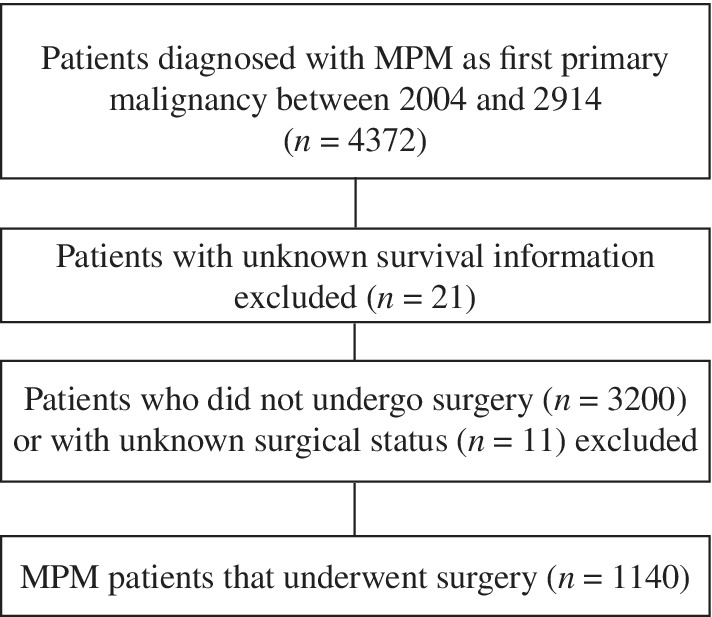
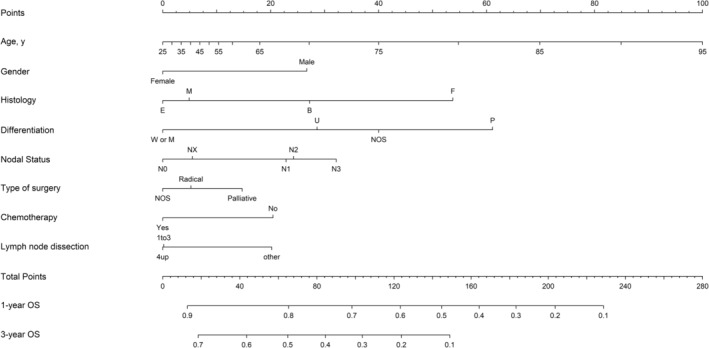
We retrospectively analyzed data from the Surveillance, Epidemiology, and End Results database from 2004 to 2014 to identify the key factors affecting the prognosis of surgically treated MPM patients. On this basis we built a nomogram to predict survival. We then evaluated the performance of the nomogram in a validation cohort.
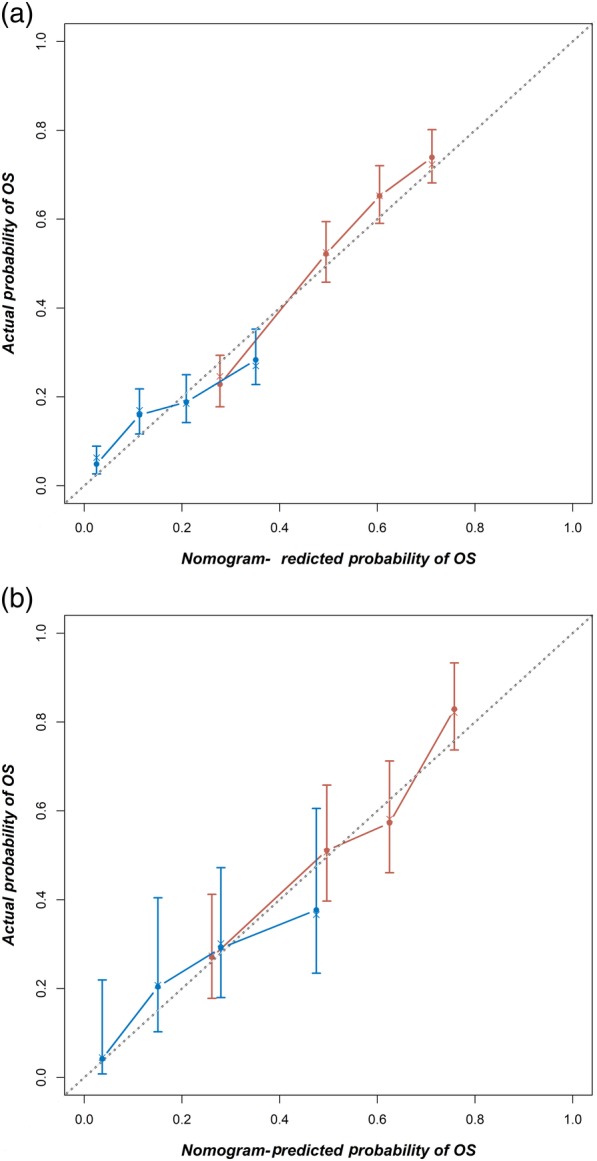
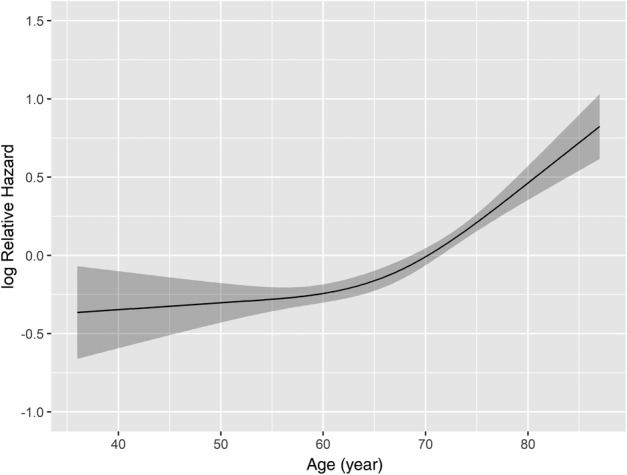
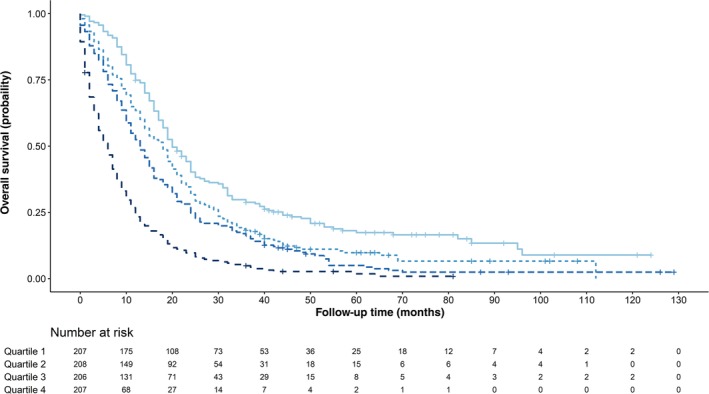
In a training cohort of 828 cases, independent prognostic factors, including age, gender, histological type, differentiation, N stage, chemotherapy, type of surgery, and lymph node dissection, were identified. We then developed a nomogram to evaluate individual patient survival. In Kaplan-Meier analysis, a higher score in the nomogram was associated with a worse prognosis. We also used a validation cohort consisting of 312 patients to evaluate the performance of the nomogram, which was well calibrated and had good discrimination ability, with concordance indices of 0.715 and 0.656 for the training and validation cohorts, respectively.
This study has improved our understanding of resected MPM and shown that key factors, including age and histological type, are associated with overall survival. The nomogram is a reliable tool that can help clinicians turn individualized prediction into reality and maximize patient benefit by identifying the most beneficial treatment approach.
恶性胸膜间皮瘤(MPM)是一种罕见但侵袭性的肿瘤,起源于胸膜,预后不良。符合条件的患者可以从手术中获益,但他们的生存受到许多因素的影响。因此,我们创建了一个图形模型,可以预测接受手术治疗的患者的预后。
我们回顾性分析了 2004 年至 2014 年监测、流行病学和最终结果数据库中的数据,以确定影响接受手术治疗的 MPM 患者预后的关键因素。在此基础上,我们构建了一个列线图来预测生存。然后,我们在验证队列中评估了列线图的性能。
在 828 例训练队列中,确定了独立的预后因素,包括年龄、性别、组织学类型、分化程度、N 分期、化疗、手术类型和淋巴结清扫。然后,我们开发了一个列线图来评估个体患者的生存。在 Kaplan-Meier 分析中,列线图中的得分越高,预后越差。我们还使用了一个由 312 例患者组成的验证队列来评估列线图的性能,该列线图具有良好的校准度和区分能力,训练队列和验证队列的一致性指数分别为 0.715 和 0.656。
本研究提高了我们对切除性 MPM 的认识,并表明关键因素,包括年龄和组织学类型,与总生存率相关。该列线图是一种可靠的工具,可以帮助临床医生将个体化预测变为现实,并通过确定最有益的治疗方法来最大限度地提高患者的获益。