University of Edinburgh, Institute of Genetics and Molecular Medicine, Edinburgh EH4 2XR, United Kingdom.
Regional Centre for Applied Molecular Oncology, Masaryk Memorial Cancer Institute, 656 53 Brno, Czech Republic.
Cell Signal. 2019 Aug;60:39-56. doi: 10.1016/j.cellsig.2019.03.024. Epub 2019 Apr 2.
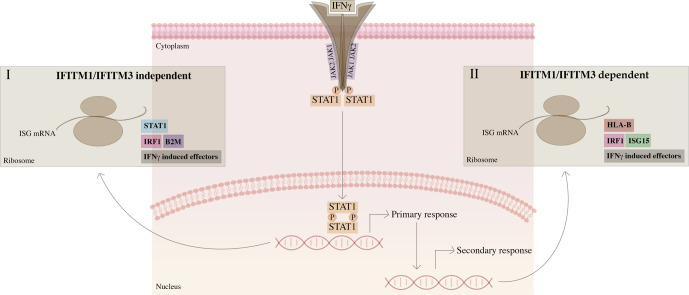
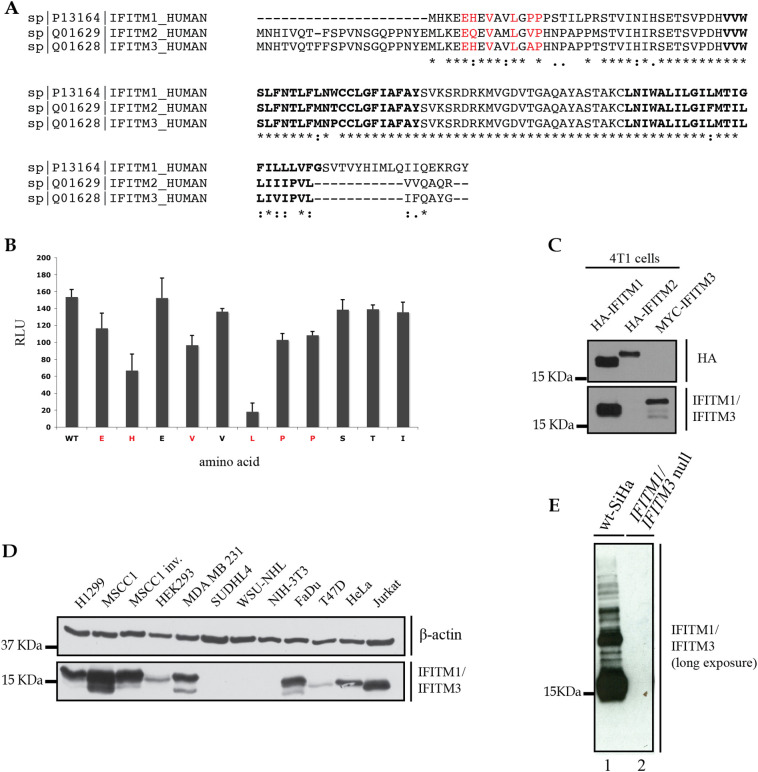
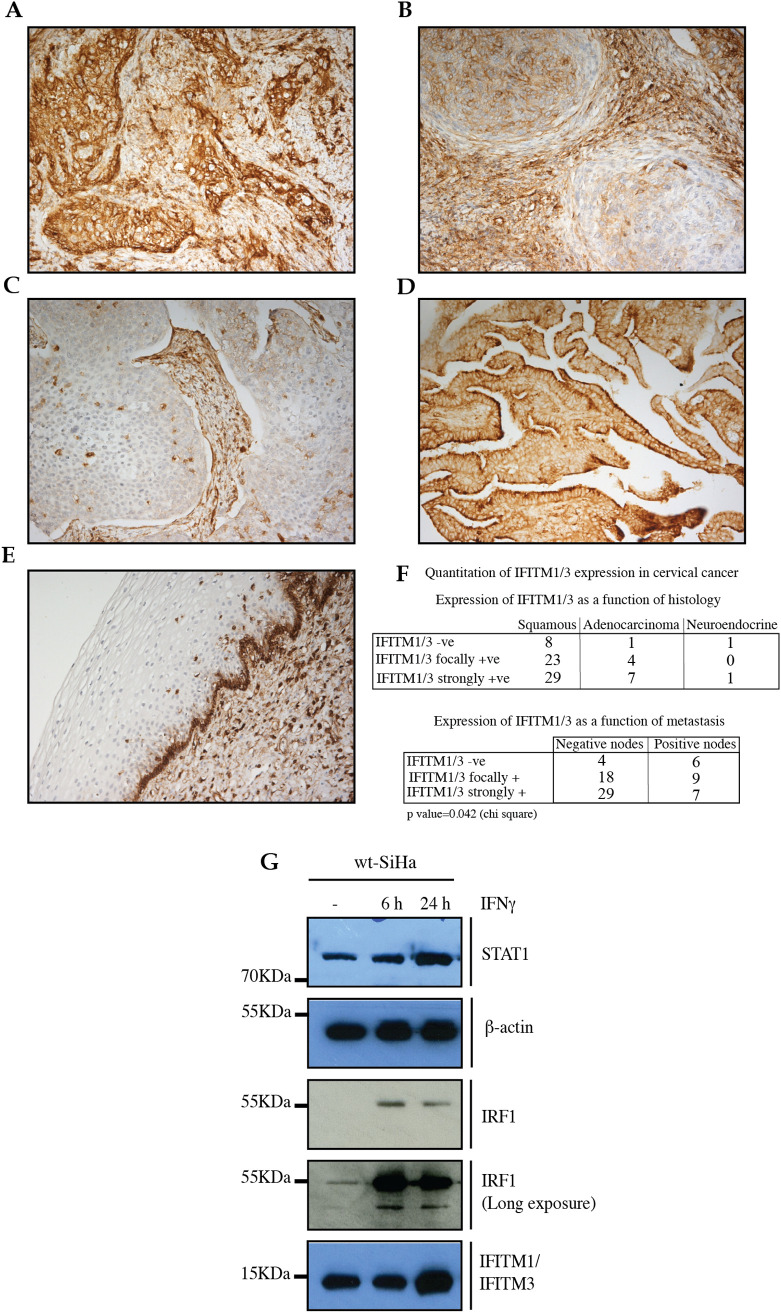
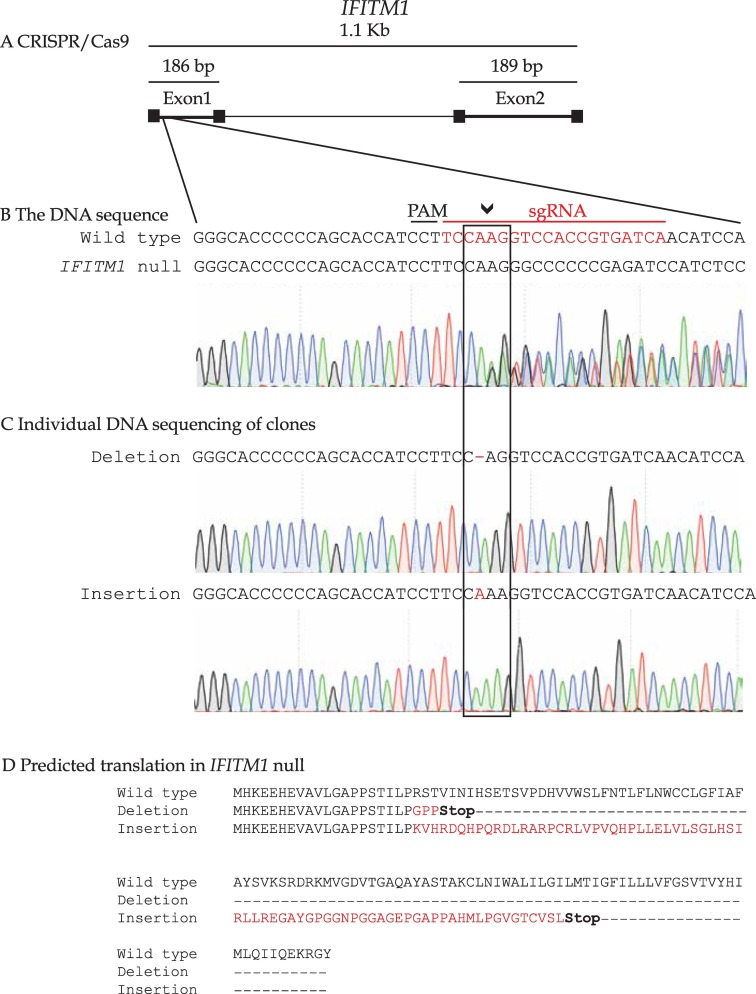
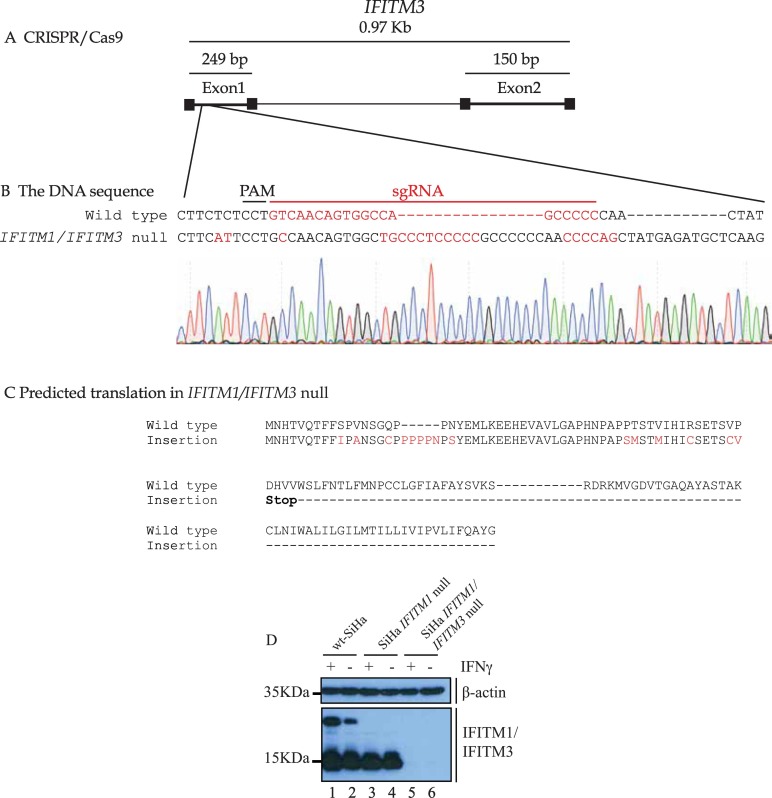
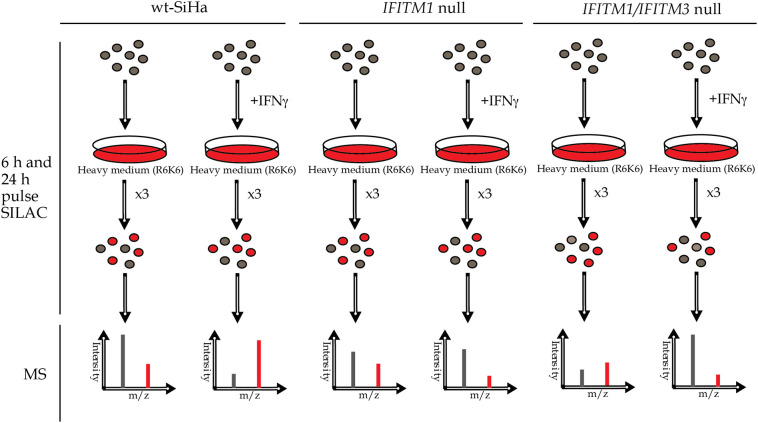
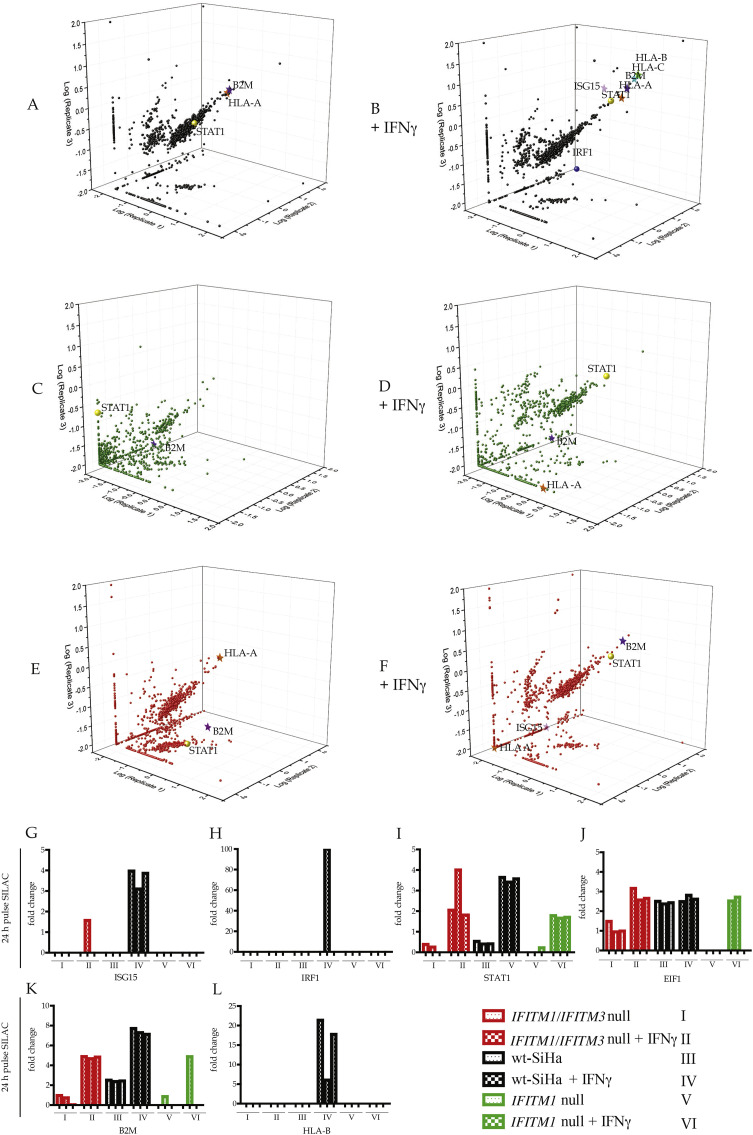
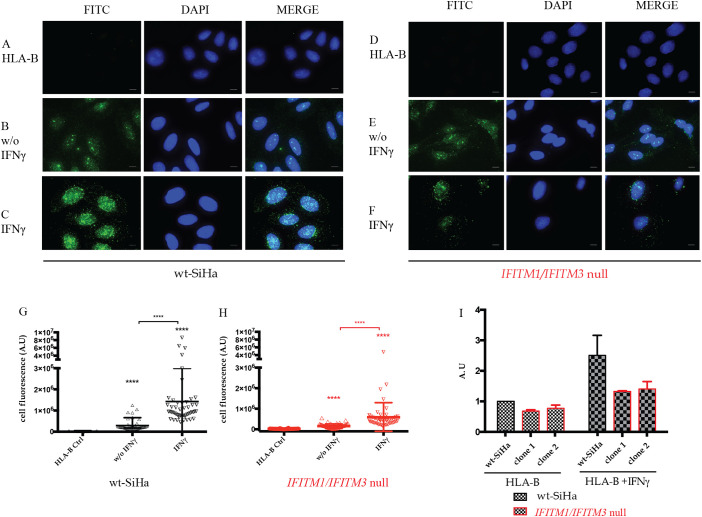
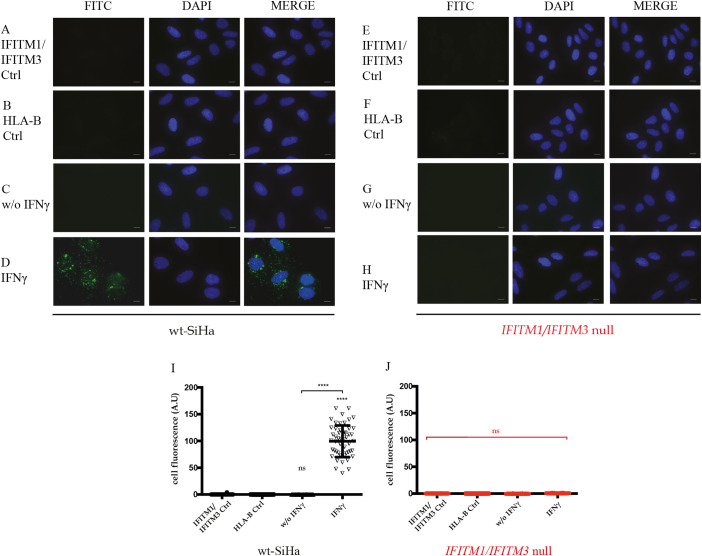
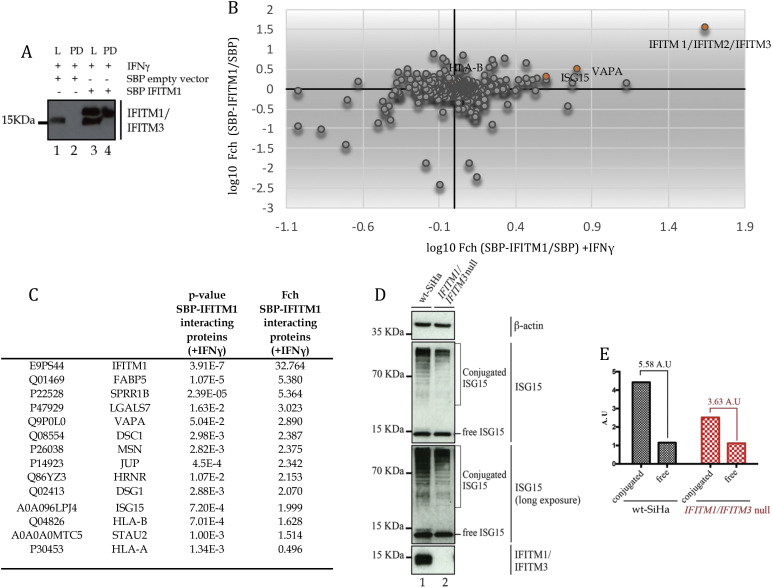
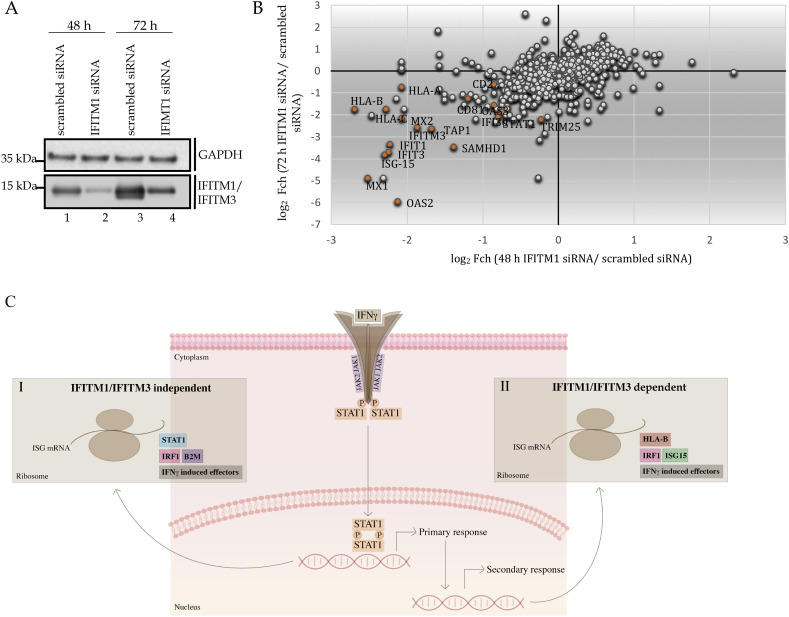
Interferon-induced transmembrane proteins IFITM1 and IFITM3 (IFITM1/3) play a role in both RNA viral restriction and in human cancer progression. Using immunohistochemical staining of FFPE tissue, we identified subgroups of cervical cancer patients where IFITM1/3 protein expression is inversely related to metastasis. Guide RNA-CAS9 methods were used to develop an isogenic IFITM1/IFITM3 double null cervical cancer model in order to define dominant pathways triggered by presence or absence of IFITM1/3 signalling. A pulse SILAC methodology identified IRF1, HLA-B, and ISG15 as the most dominating IFNγ inducible proteins whose synthesis was attenuated in the IFITM1/IFITM3 double-null cells. Conversely, SWATH-IP mass spectrometry of ectopically expressed SBP-tagged IFITM1 identified ISG15 and HLA-B as dominant co-associated proteins. ISG15ylation was attenuated in IFNγ treated IFITM1/IFITM3 double-null cells. Proximity ligation assays indicated that HLA-B can interact with IFITM1/3 proteins in parental SiHa cells. Cell surface expression of HLA-B was attenuated in IFNγ treated IFITM1/IFITM3 double-null cells. SWATH-MS proteomic screens in cells treated with IFITM1-targeted siRNA cells resulted in the attenuation of an interferon regulated protein subpopulation including MHC Class I molecules as well as IFITM3, STAT1, B2M, and ISG15. These data have implications for the function of IFITM1/3 in mediating IFNγ stimulated protein synthesis including ISG15ylation and MHC Class I production in cancer cells. The data together suggest that pro-metastatic growth associated with IFITM1/3 negative cervical cancers relates to attenuated expression of MHC Class I molecules that would support tumor immune escape.
干扰素诱导的跨膜蛋白 IFITM1 和 IFITM3(IFITM1/3)在 RNA 病毒限制和人类癌症进展中都发挥作用。通过对 FFPE 组织进行免疫组织化学染色,我们鉴定了宫颈癌患者亚组,其中 IFITM1/3 蛋白表达与转移呈负相关。使用指导 RNA-CAS9 方法,我们在同源 IFITM1/IFITM3 双缺失宫颈癌模型中开发了一种方法,以定义存在或不存在 IFITM1/3 信号触发的主要途径。脉冲 SILAC 方法鉴定了 IRF1、HLA-B 和 ISG15 作为 IFNγ 诱导的最主要蛋白,其合成在 IFITM1/IFITM3 双缺失细胞中减弱。相反,通过外源性表达 SBP 标记的 IFITM1 的 SWATH-IP 质谱分析鉴定了 ISG15 和 HLA-B 作为主要共相关蛋白。IFNγ 处理的 IFITM1/IFITM3 双缺失细胞中,ISG15 化减弱。邻近连接测定表明,HLA-B 可以与亲本 SiHa 细胞中的 IFITM1/3 蛋白相互作用。IFNγ 处理的 IFITM1/IFITM3 双缺失细胞中 HLA-B 的细胞表面表达减弱。用 IFITM1 靶向 siRNA 处理细胞的 SWATH-MS 蛋白质组学筛选导致干扰素调节蛋白亚群的衰减,包括 MHC Ⅰ类分子以及 IFITM3、STAT1、B2M 和 ISG15。这些数据对于 IFITM1/3 在介导 IFNγ 刺激的蛋白质合成中的作用具有重要意义,包括 IFITM1/3 阴性宫颈癌中的 ISG15 化和 MHC Ⅰ类产物。这些数据表明,与 IFITM1/3 阴性宫颈癌相关的促转移生长与 MHC Ⅰ类分子的表达减弱有关,这将支持肿瘤免疫逃逸。