Department of General Surgery, XinHua Hospital, Shanghai JiaoTong University School of Medicine, Shanghai, 200092, China.
Department of Surgery, Shanghai Institute of Digestive Surgery, Ruijin Hospital, Shanghai JiaoTong University School of Medicine, Shanghai, 200025, China.
Mol Cancer. 2019 Apr 5;18(1):82. doi: 10.1186/s12943-019-1016-0.
Gallbladder cancer is the most common biliary tract malignancy and not sensitive to chemotherapy. Autophagy is an important factor prolonging the survival of cancer cells under chemotherapeutic stress. We aimed to investigate the role of long non-coding RNAs (lncRNAs) in autophagy and chemoresistance of gallbladder cancer cells.
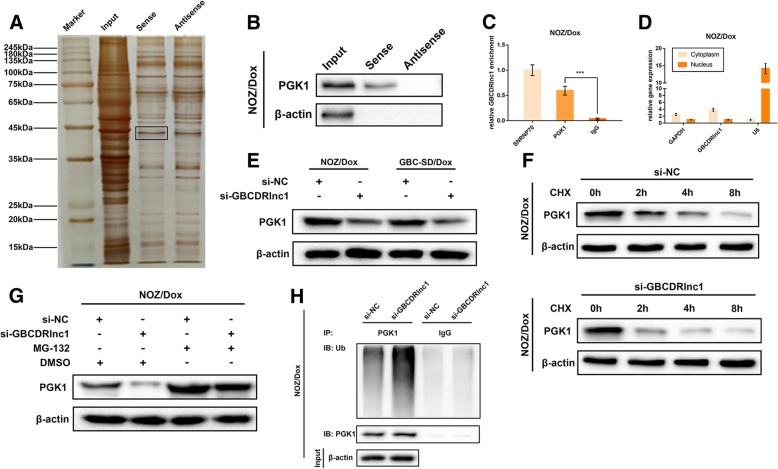
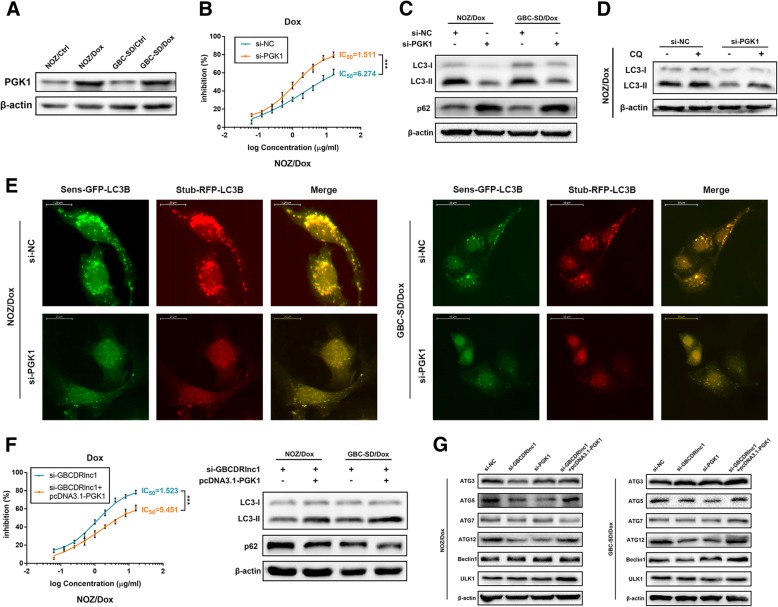
We established doxorubicin (Dox)-resistant gallbladder cancer cells and used microarray analysis to compare the expression profiles of lncRNAs in Dox-resistant gallbladder cancer cells and their parental cells. Knockdown or exogenous expression of lncRNA combined with in vitro and in vivo assays were performed to prove the functional significance of lncRNA. The effects of lncRNA on autophagy were assessed by stubRFP-sensGFP-LC3 and western blot. We used RNA pull-down and mass spectrometry analysis to identify the target proteins of lncRNA.
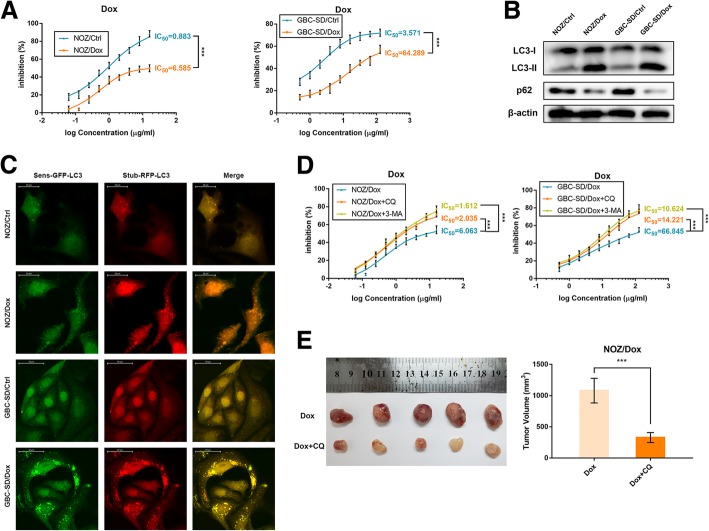
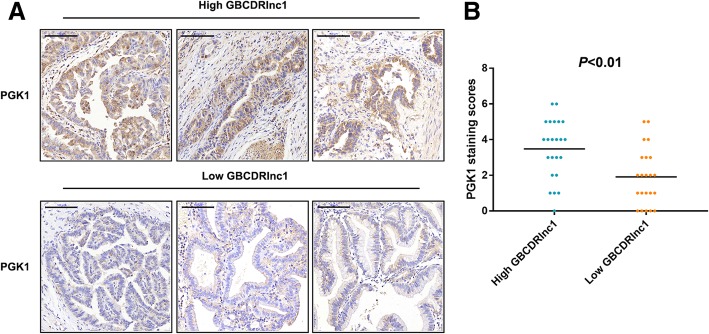
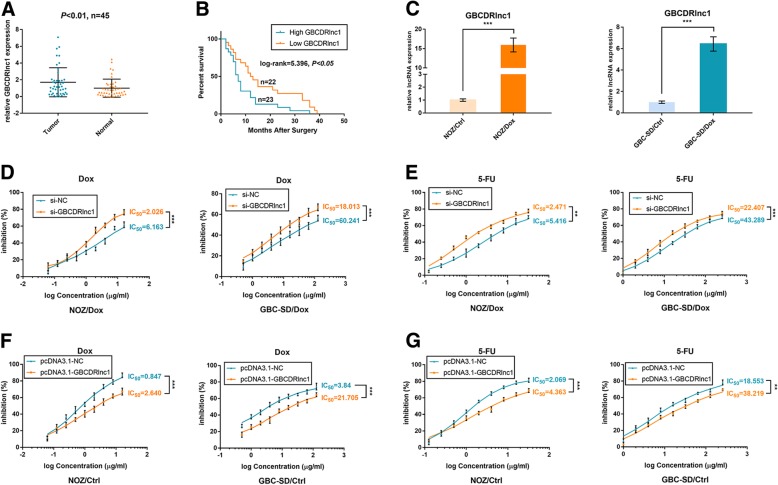
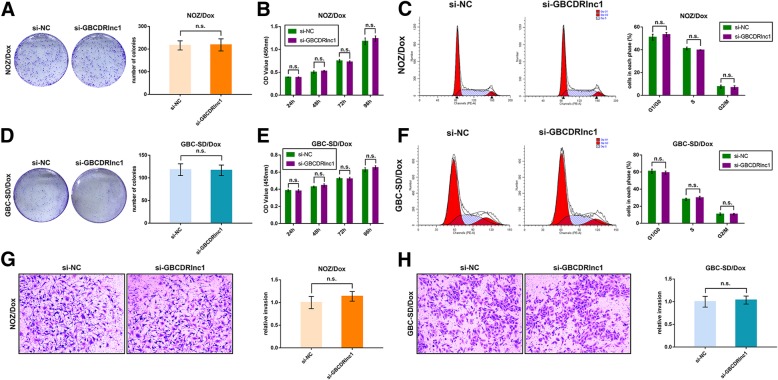
The drug-resistant property of gallbladder cancer cells is related to their enhanced autophagic activity. And we found a lncRNA ENST00000425894 termed gallbladder cancer drug resistance-associated lncRNA1 (GBCDRlnc1) that serves as a critical regulator in gallbladder cancer chemoresistance. Furthermore, we discovered that GBCDRlnc1 is upregulated in gallbladder cancer tissues. Knockdown of GBCDRlnc1, via inhibiting autophagy at initial stage, enhanced the sensitivity of Dox-resistant gallbladder cancer cells to Dox in vitro and in vivo. Mechanically, we identified that GBCDRlnc1 interacts with phosphoglycerate kinase 1 and inhibits its ubiquitination in Dox-resistant gallbladder cancer cells, which leads to the down-regulation of autophagy initiator ATG5-ATG12 conjugate.
Our findings established that the chemoresistant driver GBCDRlnc1 might be a candidate therapeutic target for the treatment of advanced gallbladder cancer.
胆囊癌是最常见的胆道恶性肿瘤,对化疗不敏感。自噬是延长癌细胞在化疗应激下存活的重要因素。我们旨在研究长链非编码 RNA(lncRNA)在胆囊癌细胞自噬和化疗耐药中的作用。
我们建立了阿霉素(Dox)耐药胆囊癌细胞,并使用微阵列分析比较 Dox 耐药胆囊癌细胞与其亲本细胞的 lncRNA 表达谱。通过体外和体内实验,结合 lncRNA 的敲低或过表达来证明 lncRNA 的功能意义。通过 stubRFP-sensGFP-LC3 和 Western blot 评估 lncRNA 对自噬的影响。我们使用 RNA 下拉和质谱分析来鉴定 lncRNA 的靶蛋白。
胆囊癌细胞的耐药特性与其增强的自噬活性有关。我们发现了一种 lncRNA,命名为胆囊癌耐药相关 lncRNA1(GBCDRlnc1),它在胆囊癌化疗耐药中起关键调节作用。此外,我们发现 GBCDRlnc1 在胆囊癌组织中上调。在体外和体内,通过抑制早期自噬,敲低 GBCDRlnc1 增强了 Dox 耐药胆囊癌细胞对 Dox 的敏感性。从机制上讲,我们发现 GBCDRlnc1 与磷酸甘油酸激酶 1 相互作用,并抑制其在 Dox 耐药胆囊癌细胞中的泛素化,导致自噬起始物 ATG5-ATG12 缀合物下调。
我们的研究结果表明,化疗耐药驱动基因 GBCDRlnc1 可能是治疗晚期胆囊癌的候选治疗靶点。