Africa Charlene W J, Turton Mervyn
Department of Medical Biosciences, University of the Western Cape, Bellville, South Africa.
Int J Dent. 2019 Mar 4;2019:5475973. doi: 10.1155/2019/5475973. eCollection 2019.
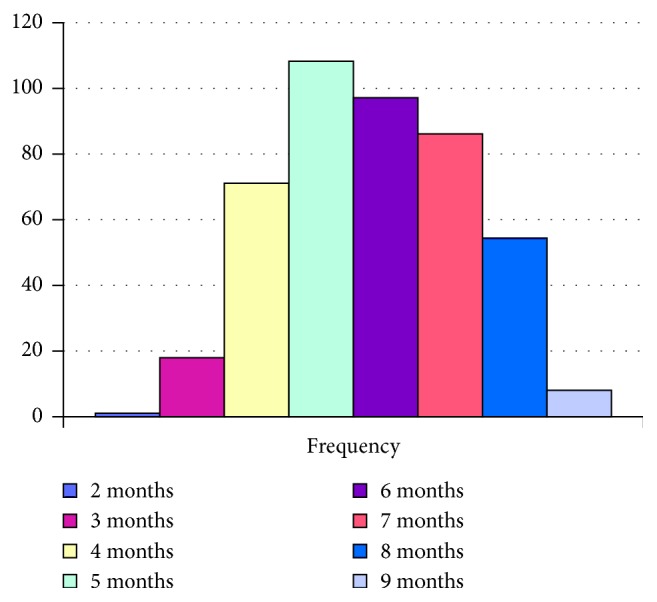
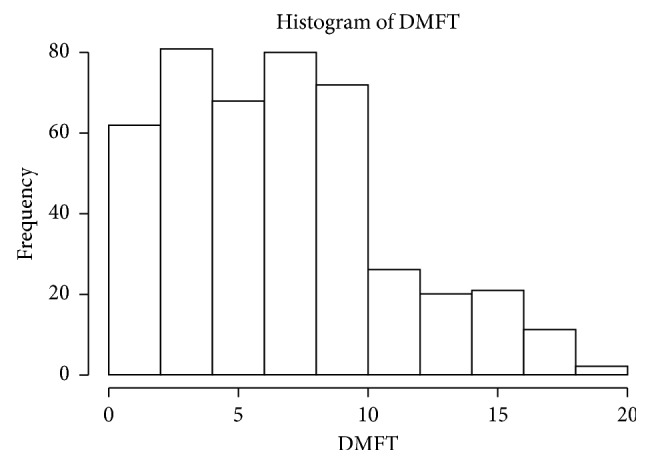
During pregnancy, the oral cavity is characterised by an acidic environment and an inflammatory response brought about by vomiting and changes in hormonal levels, respectively, thereby increasing the mother's risk of developing caries. Although evidence exists to support an association between pregnancy-associated periodontal disease and adverse pregnancy outcomes, there is a paucity of studies which focus on the caries prevalence and other oral manifestations of pregnant women. The aim of this study was to assess the oral health status and treatment needs of pregnant women attending antenatal clinics in KwaZulu-Natal, South Africa. Randomly selected mothers (=443) attending a maternal obstetrics unit participated in the study. A questionnaire elicited demographic information about the participants, while the measurement of decayed, missing, and filled indices (DMFT) determined their caries status. Oral lesions were noted if present. Descriptive statistics for independent variables described frequencies in the various categories of race, location, pregnancy stage, etc., with the association between 2 independent variables tested by chi-square. Dependent variables such as DMFT were expressed as means and standard deviations, and ANOVA was used to examine whether independent variables significantly influenced the DMFT. The mean DMFT was 7.18 (±4.22) with significant correlations observed between DMFT, D, M, and age. F scores differed significantly between races, location, and educational levels and showed a significant correlation with pregnancy stage. Pregnancy epulis was diagnosed in 38 (8.5%), oral lesions in 65 (14.7%), and tooth mobility in 26 (5.9%) mothers. Early oral health screening during pregnancy can ensure the overall well-being of both the mother and the foetus.
在怀孕期间,口腔的特点是酸性环境以及分别由呕吐和激素水平变化引起的炎症反应,从而增加了母亲患龋齿的风险。尽管有证据支持妊娠相关牙周病与不良妊娠结局之间存在关联,但关注孕妇龋齿患病率和其他口腔表现的研究却很少。本研究的目的是评估南非夸祖鲁 - 纳塔尔省产前诊所孕妇的口腔健康状况和治疗需求。随机选择了443名在产科病房就诊的母亲参与研究。通过问卷调查获取参与者的人口统计学信息,同时测量龋失补指数(DMFT)以确定她们的龋齿状况。如有口腔病变则予以记录。对自变量进行描述性统计,描述种族、地点、妊娠阶段等各类别的频率,并通过卡方检验两个自变量之间的关联。诸如DMFT等因变量以均值和标准差表示,采用方差分析来检验自变量是否对DMFT有显著影响。平均DMFT为7.18(±4.22),观察到DMFT、龋(D)、失(M)与年龄之间存在显著相关性。F值在种族、地点和教育水平之间存在显著差异,并且与妊娠阶段显示出显著相关性。38名(8.5%)母亲被诊断为妊娠龈瘤,65名(14.7%)有口腔病变,26名(5.9%)有牙齿松动。孕期早期口腔健康筛查可确保母亲和胎儿的整体健康。