Xiong Yan, Wang Qing, Duan Ming, Xu Jing, Chen Jie, Fang Shenwen
School of Chemistry and Chemical Engineering, Southwest Petroleum University, Chengdu 610500, China.
Oil and Gas Field Applied Chemistry Key Laboratory of Sichuan Province, Southwest Petroleum University, Chengdu 610500, China.
Polymers (Basel). 2018 Jul 16;10(7):780. doi: 10.3390/polym10070780.
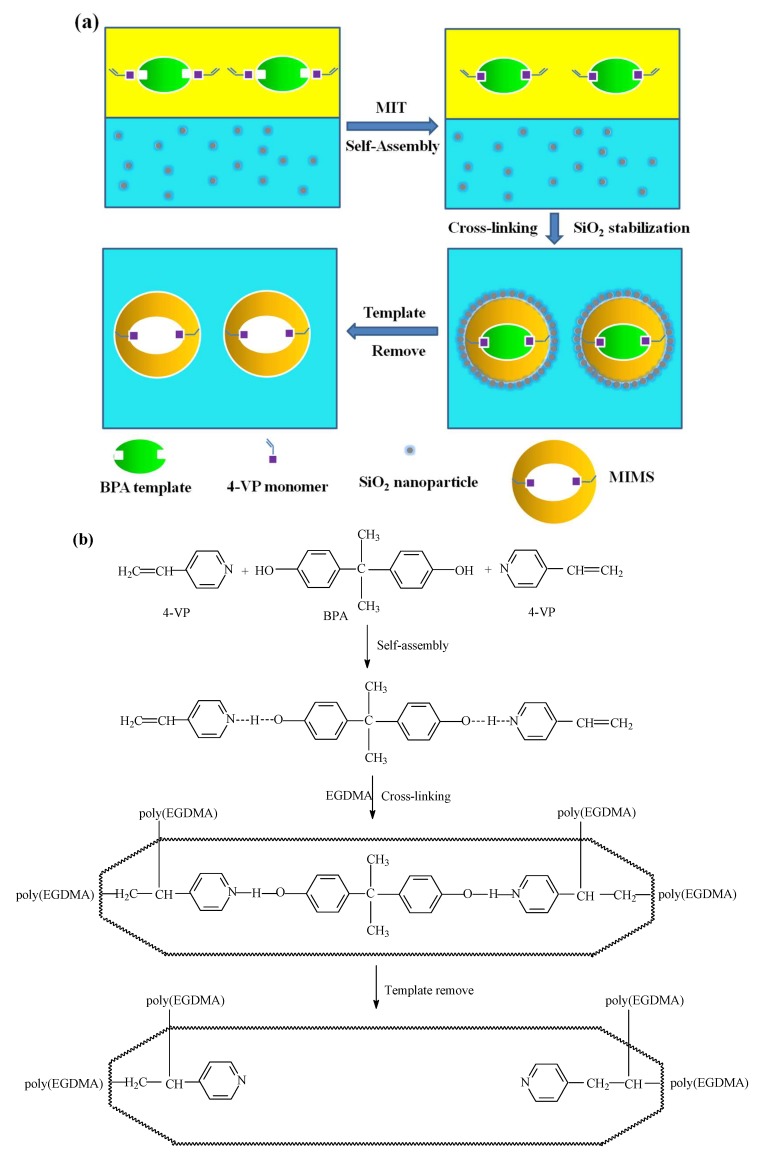
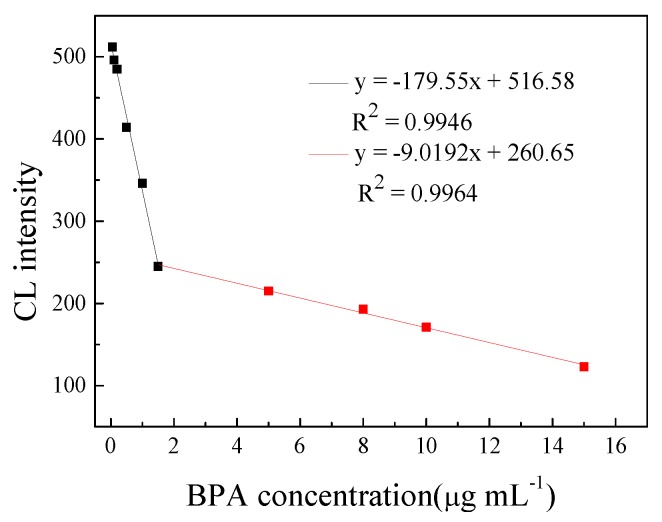
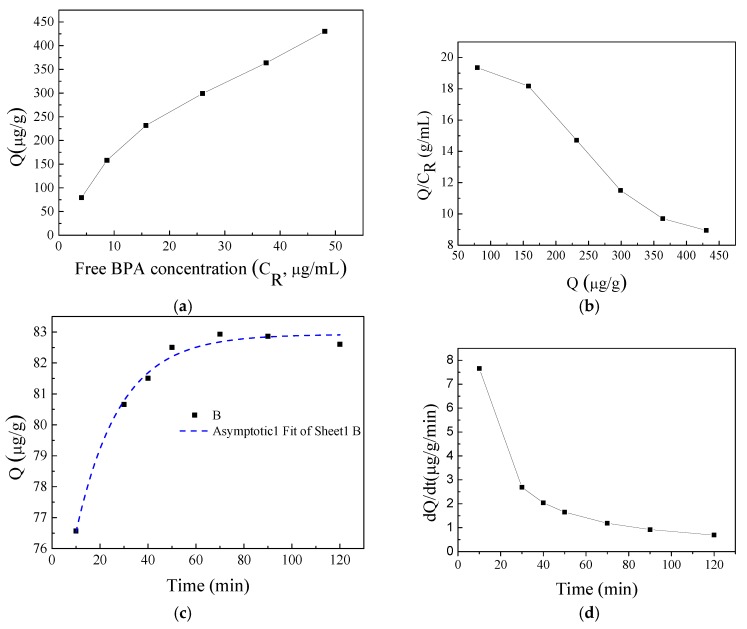
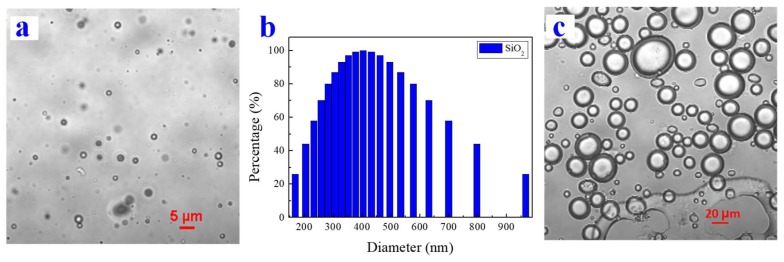
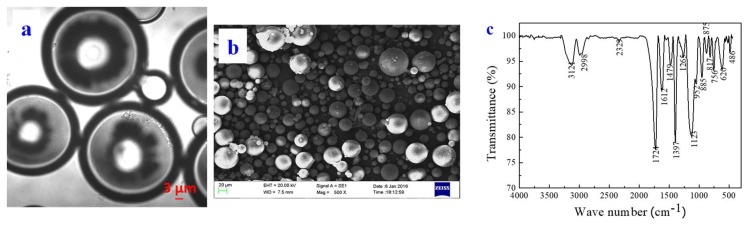
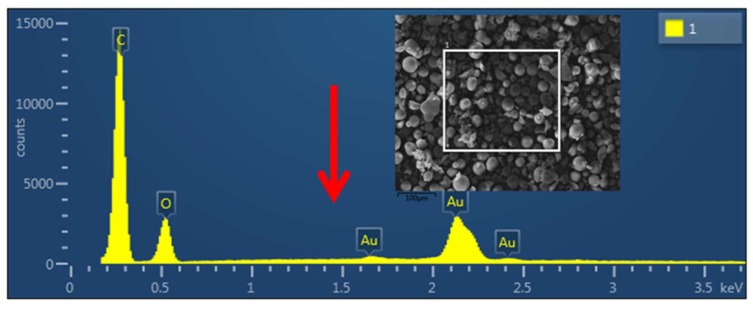
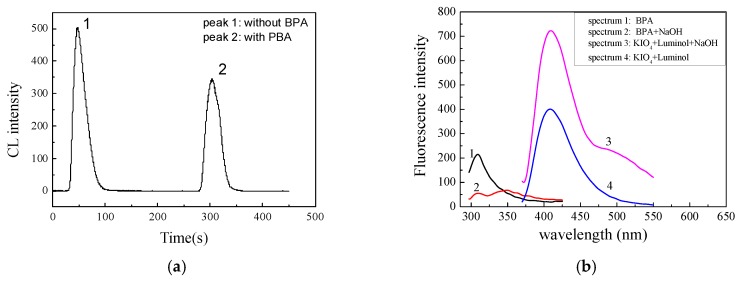
Bisphenol A (BPA) is an endocrine disrupter in environments which can induce abnormal differentiation of reproductive organs by interfering with the action of endogenous gonadal steroid hormones. In this work, the bisphenol A (BPA) molecularly-imprinted microspheres (MIMS) were prepared and used as biomimetic recognition material for in situ adsorption and selective chemiluminescence (CL) determination of BPA. Through non-covalent interaction, the BPA-MIMS was successfully prepared by Pickering emulsion polymerization using a BPA template, 4-vinylpyridine (4-VP) monomer, ethylene glycol dimethacrylate (EGDMA) cross-linker, and a SiO₂ dispersion agent. The characterization of scanning electron microscopy (SEM) and energy-disperse spectroscopy (EDS) showed that the obtained MIMS possessed a regular spherical shape and narrow diameter distribution (25⁻30 μm). The binding experiment indicated BPA could be adsorbed in situ on the MIMS-packing cell with an apparent maximum amount of 677.3 μg g. Then BPA could be selectively detected by its sensitive inhibition effect on the CL reaction between luminol and periodate (KIO₄), and the inhibition mechanism was discussed to reveal the CL reaction process. The CL intensity was linear to BPA concentrations in two ranges, respectively from 0.5 to 1.5 μg mL with a detection limit of 8.0 ng mL (3), and from 1.5 to 15 μg mL with a limit of detection (LOD) of 80 ng mL (3). The BPA-MIPMS showed excellent selectivity for BPA adsorption and the proposed CL method has been successfully applied to BPA determination in environmental water samples.
双酚A(BPA)是一种环境内分泌干扰物,可通过干扰内源性性腺甾体激素的作用诱导生殖器官异常分化。在本研究中,制备了双酚A(BPA)分子印迹微球(MIMS),并将其用作仿生识别材料,用于原位吸附和选择性化学发光(CL)测定BPA。通过非共价相互作用,以BPA为模板、4-乙烯基吡啶(4-VP)为单体、乙二醇二甲基丙烯酸酯(EGDMA)为交联剂、SiO₂为分散剂,采用Pickering乳液聚合法成功制备了BPA-MIMS。扫描电子显微镜(SEM)和能谱(EDS)表征表明,所得MIMS具有规则的球形形状和较窄的直径分布(25⁻30μm)。结合实验表明,BPA可原位吸附在MIMS填充柱上,表观最大吸附量为677.3μg g。然后,通过BPA对鲁米诺与高碘酸盐(KIO₄)之间CL反应的敏感抑制作用选择性检测BPA,并探讨了抑制机理以揭示CL反应过程。CL强度在两个浓度范围内与BPA浓度呈线性关系,分别为0.5至1.5μg mL,检测限为8.0 ng mL(3),以及1.5至15μg mL,检测限(LOD)为80 ng mL(3)。BPA-MIPMS对BPA吸附具有优异的选择性,所提出的CL方法已成功应用于环境水样中BPA的测定。