Fu Tengfei, Montes Francisco, Suraneni Prannoy, Youngblood Jeffrey, Weiss Jason
School of Civil and Construction Engineering, Oregon State University, Corvallis, OR 97331, USA.
School of Materials Engineering, Purdue University, West Lafayette, IN 47907, USA.
Polymers (Basel). 2017 Sep 7;9(9):424. doi: 10.3390/polym9090424.
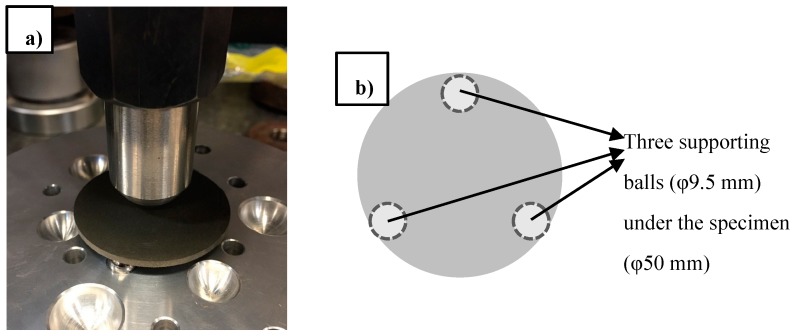
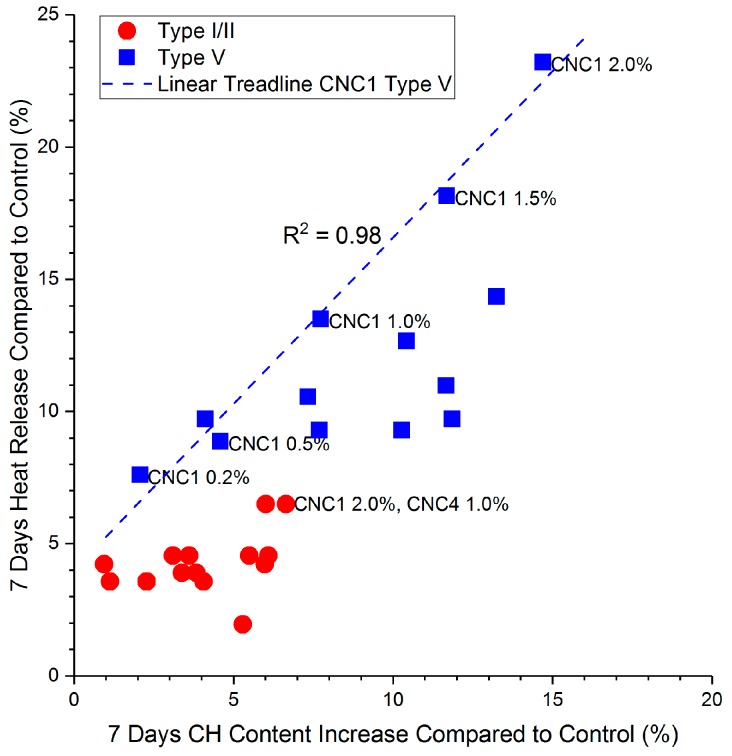
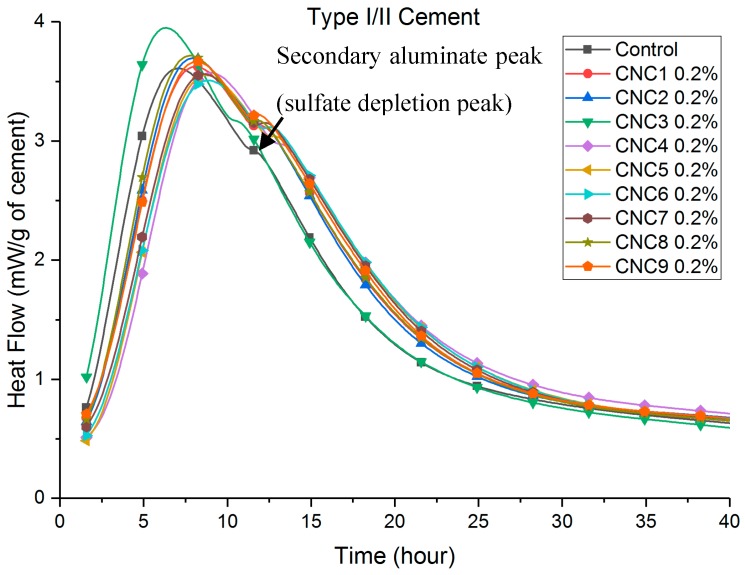
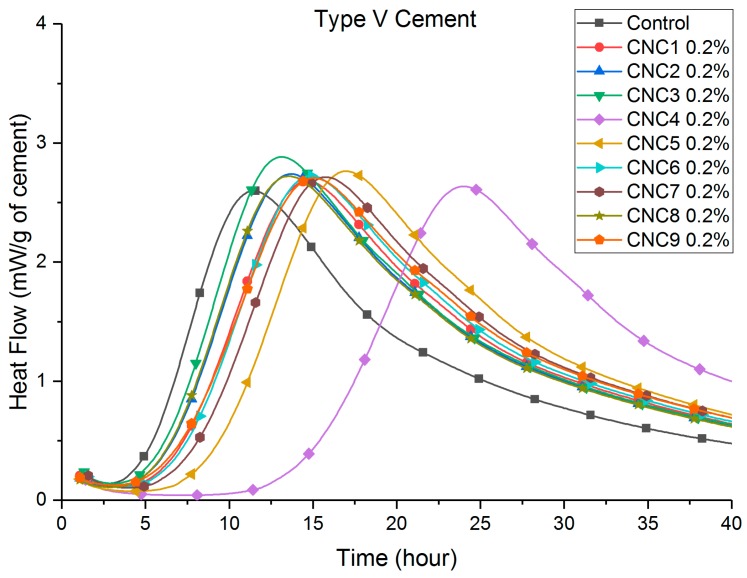
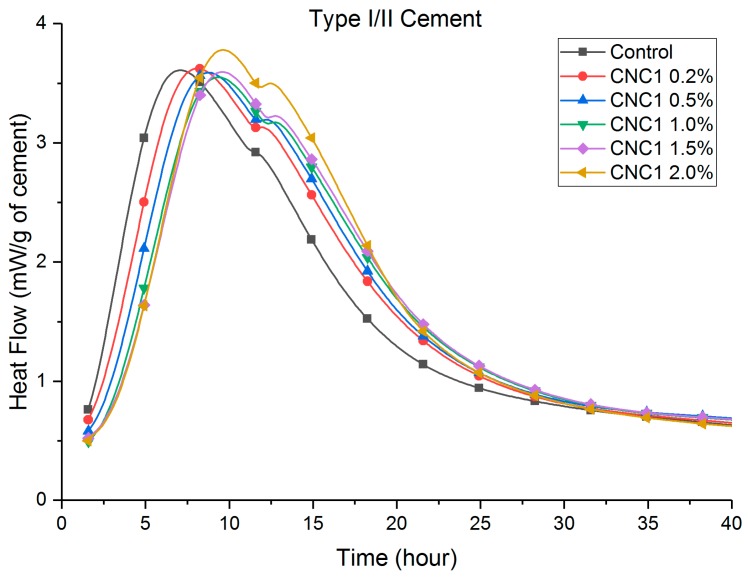
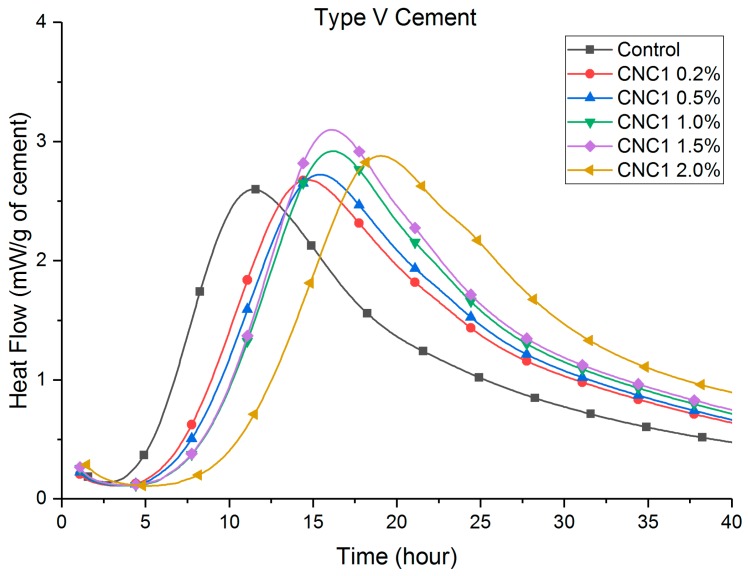
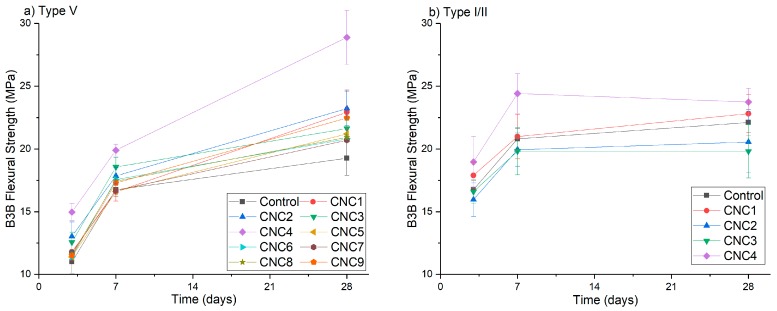
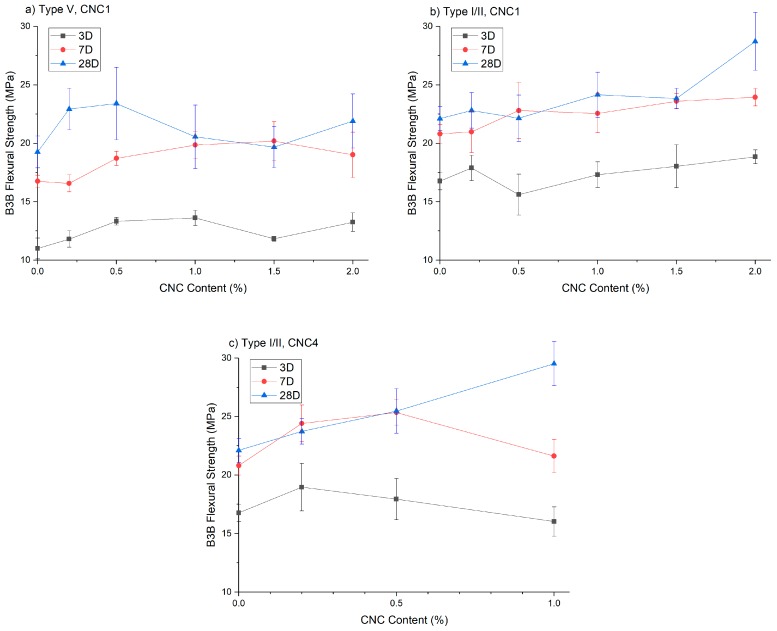
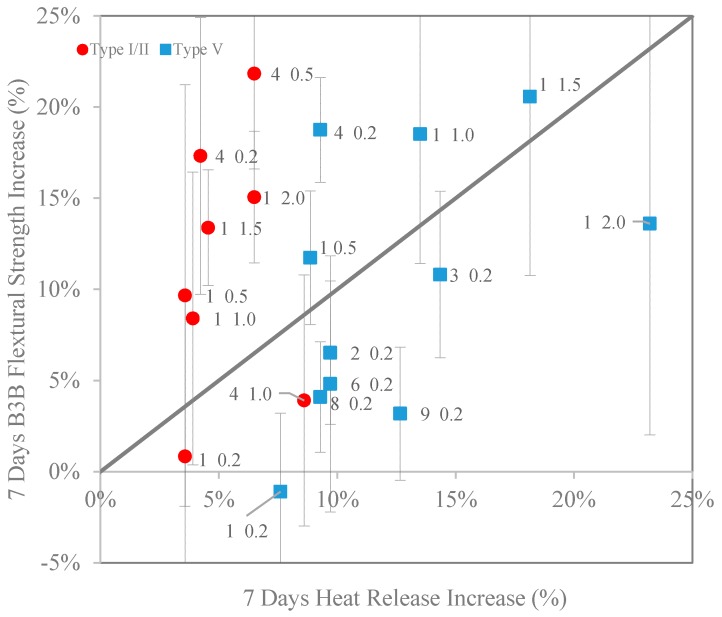
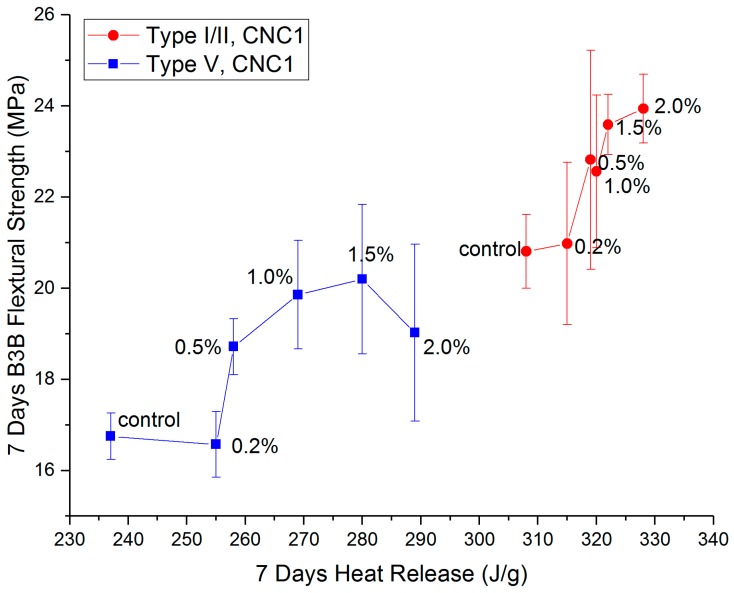
Recent research has shown that cellulose nanocrystals (CNCs) can be used at low dosage levels (approximately 0.2% by volume of cement) to increase the extent of hydration and to improve the flexural strength of cement pastes. However, the previous work was based on using a CNC made from a single source material and processing technique and was performed using only Type V cement. This work examines the influence of various raw material sources and processing techniques used to make the CNCs. In total, nine different CNCs were investigated with pastes made using Type I/II and Type V cements. Isothermal calorimetry (IC), thermogravimetric analysis (TGA) and ball-on-three-ball (B3B) flexural strength testing were used to quantify the performance of CNC-cement composites. IC and TGA results showed that CNCs increased the degree of hydration in all systems. IC results showed that the increase in total heat release was greater in the Type V than in the Type I/II cement paste systems. B3B flexural testing indicated an increase in flexural strength of up to 20% with both Type I/II and Type V systems. These results also showed that the performance of CNC-cement composites can be affected by the source and manufacturing process used to make the CNC.
最近的研究表明,纤维素纳米晶体(CNC)可以在低剂量水平(约占水泥体积的0.2%)下使用,以提高水化程度并改善水泥浆体的抗折强度。然而,先前的工作是基于使用单一原料和加工技术制成的CNC,并且仅使用V型水泥进行。这项工作研究了用于制造CNC的各种原料来源和加工技术的影响。总共研究了九种不同的CNC与使用I/II型和V型水泥制成的浆体。采用等温量热法(IC)、热重分析(TGA)和三球对球(B3B)抗折强度测试来量化CNC-水泥复合材料的性能。IC和TGA结果表明,CNC提高了所有体系的水化程度。IC结果表明,V型水泥浆体体系中总热释放的增加幅度大于I/II型水泥浆体体系。B3B抗折测试表明,I/II型和V型体系的抗折强度提高了20%。这些结果还表明,CNC-水泥复合材料的性能会受到制造CNC所使用的原料来源和制造工艺的影响。